Liver Disease Biomarkers Reveal Early Drug Response Limits
A comprehensive review of clinical trials highlights which non-invasive tests track short-term treatment changes and where evidence falls short.

An estimated 38 percent of adults worldwide live with metabolic dysfunction-associated steatotic liver disease, a chronic condition strongly linked to obesity and metabolic risk factors. The progressive form of the condition, known as metabolic dysfunction-associated steatohepatitis, can drive severe liver damage including fibrosis, cirrhosis, and cancer. Despite this high global prevalence, researchers face a major roadblock in early-stage clinical trials because proving drug efficacy quickly remains exceptionally difficult. A new systematic review published in PLOS One evaluates whether non-invasive tests and blood markers can track treatment success within twenty-four weeks.
How Well Do Liver Biomarkers Track Short-Term Drug Effects?
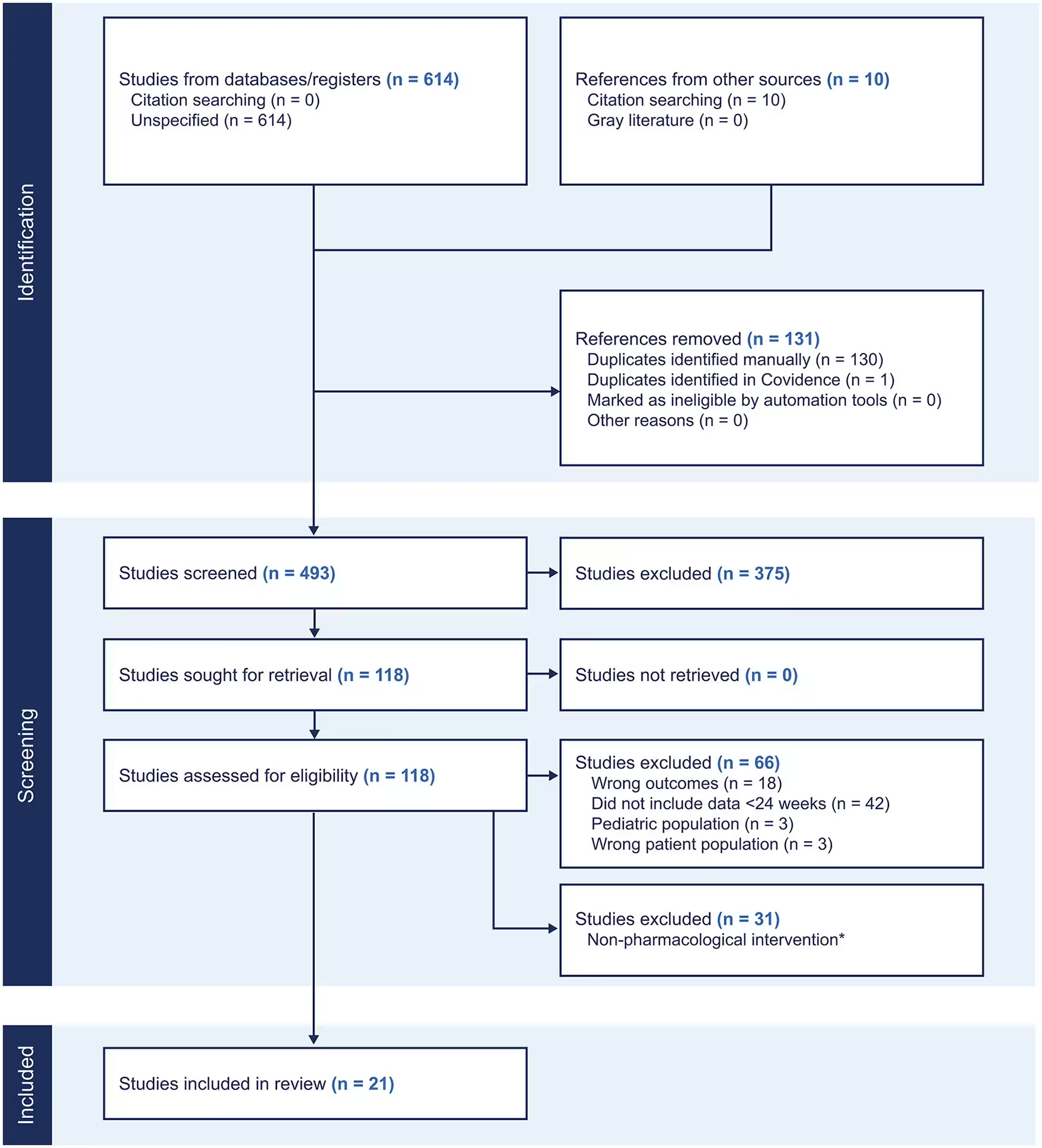
To investigate how biomarkers respond to brief therapeutic windows, a team led by researchers from academic and clinical centers examined published literature up to July 2026. The scoping review followed standard methodological guidelines to identify preclinical and clinical studies evaluating liver-related biomarkers over periods of twenty-four weeks or less. Out of nearly five hundred screened records, the authors selected twenty-one studies encompassing a total of 3,476 participants. These investigations tested various interventions, including thyroid hormone receptor beta agonists, fibroblast growth factor analogues, and lipid-metabolism inhibitors.
The analysis revealed a total of 405 individual biomarkers across the studies, with 192 showing statistically significant changes over time. Imaging techniques and blood-based assays were the most common measurement tools. The most frequently assessed markers included liver stiffness measured by elastography, liver fat quantified by magnetic resonance imaging proton density fat fraction, the enhanced liver fibrosis score, and circulating neoepitope-specific N-terminal propeptide of type III collagen, known as PRO-C3. While traditional liver enzymes like alanine aminotransferase and aspartate aminotransferase appeared frequently, they lacked the specificity required to detect early fibro-inflammatory changes.
Which Tests Show the Earliest Treatment Signals?
The review established that several advanced imaging and blood biomarkers can detect significant alterations within a short timeframe, typically between six and twelve weeks. For example, magnetic resonance imaging proton density fat fraction demonstrated high reproducibility and sensitivity for tracking early reductions in liver fat following targeted metabolic treatments. Similarly, blood tests such as PRO-C3 and composite scores like the enhanced liver fibrosis index reflected collagen turnover and extracellular matrix remodeling within twelve weeks of pharmacological exposure. Adiponectin levels also showed early increases within four to six weeks, serving as a useful indicator of target engagement for specific metabolic pathways.
Despite these promising temporal signals, the authors emphasize a critical knowledge gap regarding clinical outcomes. Most of the reviewed clinical trials failed to establish a direct statistical link between short-term biomarker shifts and long-term histological improvements such as fibrosis regression or disease resolution. For instance, while liver stiffness decreased rapidly under certain treatments, this metric captures a complex mix of inflammation, blood congestion, and tissue scarring. An early drop in stiffness may therefore reflect resolving inflammation rather than structural tissue healing, complicating its use as a standalone decision-making tool in early drug development.
What Challenges Remain for Accelerated Drug Development?
Developing effective therapies for metabolic liver disease requires reliable surrogate endpoints that can predict clinical success long before final trial completion. The authors note that inconsistencies in study designs, lack of standardized assessment timelines, and the absence of prospective protocol registrations in some studies limit the strength of current evidence. Furthermore, circulating blood markers can be influenced by non-hepatic factors such as kidney clearance and systemic inflammation, making multi-modal testing essential.
Ultimately, the review points to an urgent need for dedicated, longitudinal studies that connect early biomarker shifts directly to meaningful health benefits for patients. By establishing validated target values for short-term biomarker modulation, future clinical trials could streamline decision-making and accelerate the delivery of safe, effective treatments to millions of affected individuals worldwide.
The research was published in PLOS One on November 16, 2026.
This article has been fact checked for accuracy, with information verified against reputable sources. Learn more about us and our editorial process.
Last reviewed on .
Article history
- Latest version
Reference(s)
- Ludvigsen, Trine. “Biomarkers to assess early signs of fibro-inflammatory disease modification following short-term therapeutic intervention in people living with MASLD/MASH: A systematic scoping review.” PLOS ONE, vol. 21, no. 11, pp. e0360191, doi: 10.1371/journal.pone.0360191. <https://doi.org/10.1371/journal.pone.0360191>.
Cite this page:
- Posted by Hassan Raza