Red Seaweed Compounds Reverse Diabetes Liver Damage in Study
Sulfated polysaccharides from Gracilaria gracilis suppressed overactive glucose production, boosted antioxidants, and restored lipid balance in diabetic rats.
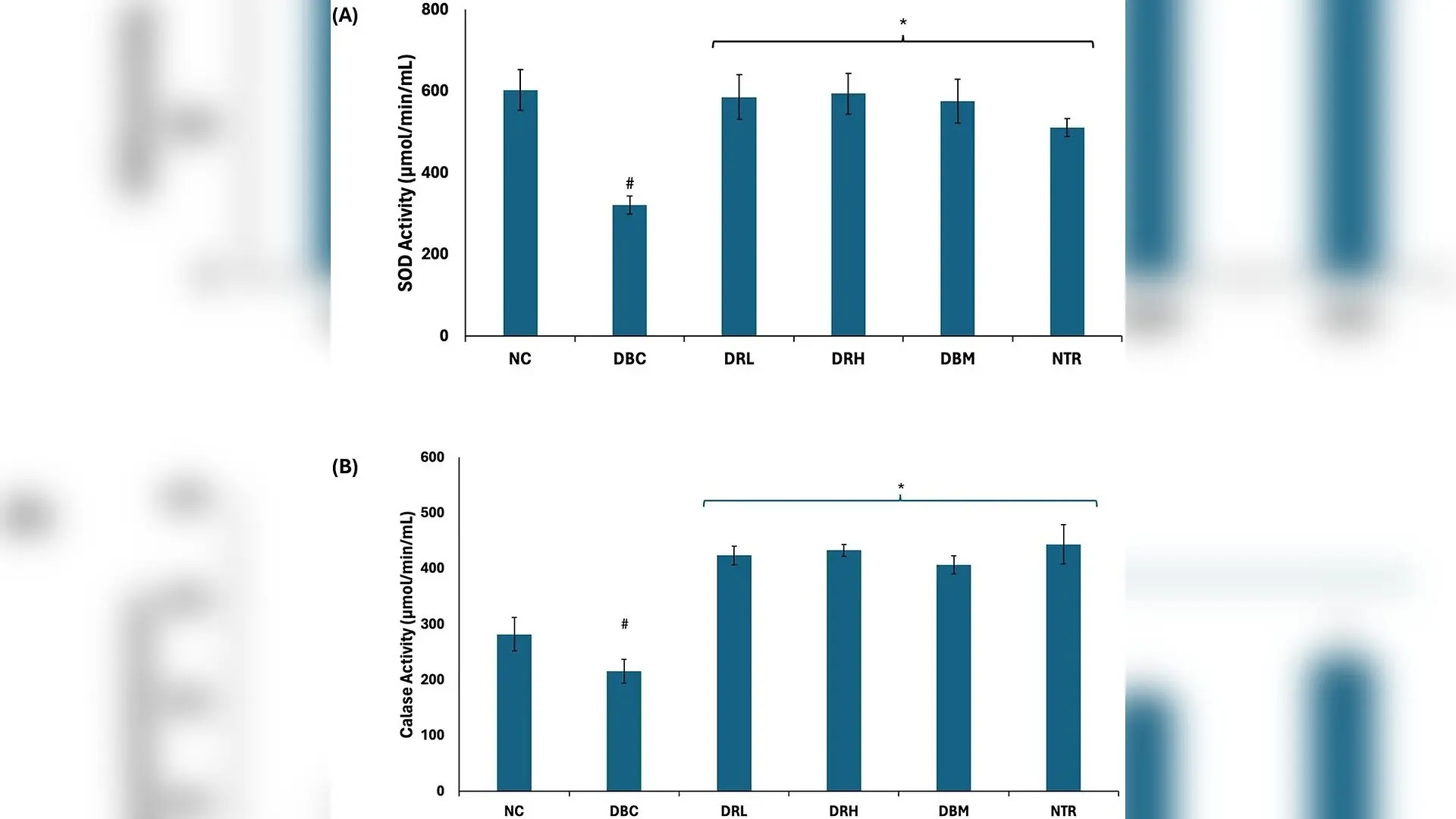
Red seaweed compounds can reverse severe liver damage in rats with Type 2 diabetes by fixing broken metabolic pathways and oxidative stress, according to a study published in Food Science & Nutrition. The research investigates sulfated polysaccharides, which are complex sugar molecules extracted from the red seaweed Gracilaria gracilis, testing whether oral treatments can protect liver tissues from the damaging effects of chronic high blood sugar.
How Type 2 Diabetes Damages the Liver
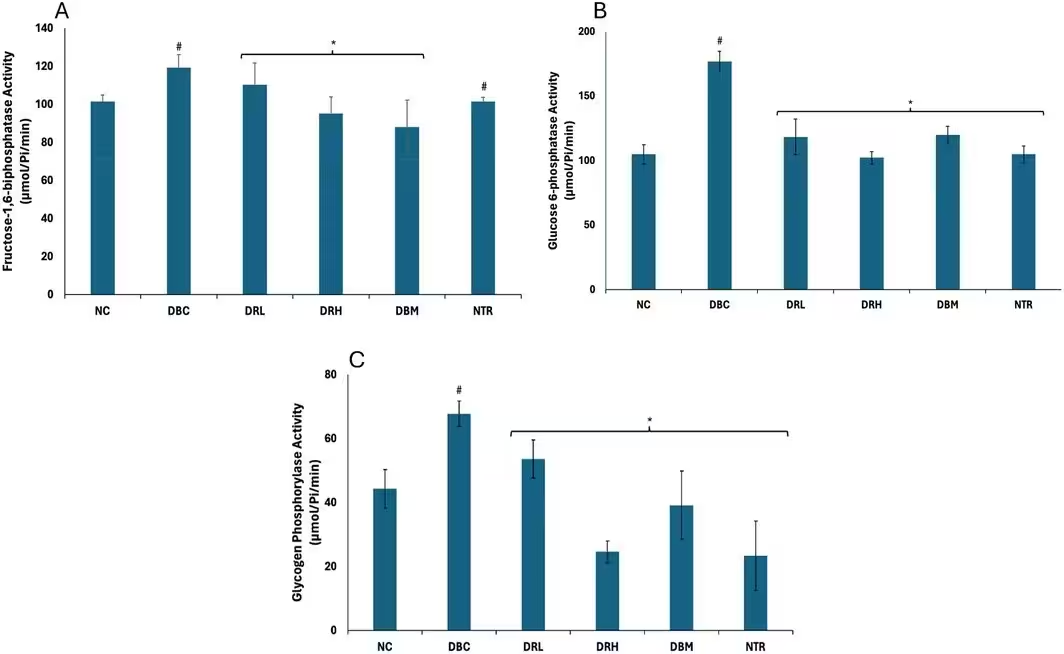
Type 2 diabetes often leads to a dangerous liver condition known as diabetic hepatopathy, which involves fat accumulation, inflammation, and scarring. When the body stops responding properly to insulin, the liver starts producing and releasing excess glucose into the bloodstream, driving blood sugar levels even higher. In this new study, untreated diabetic control rats showed a sharp increase in three key enzymes that drive glucose production, namely fructose-1,6-bisphosphatase, glucose-6-phosphatase, and glycogen phosphorylase. This abnormal surge forces the liver to break down stored glycogen and manufacture new sugar continuously.
At the same time, the researchers observed that diabetes disrupted vital energy pathways like the citric acid cycle and the Warburg effect, reducing the liver’s ability to produce adenosine triphosphate, which is the main energy currency of cells. The animals also suffered from severe oxidative stress, meaning harmful reactive oxygen molecules overwhelmed their natural antioxidant defenses. Key protective enzymes such as superoxide dismutase and catalase dropped significantly in the untreated diabetic group, while markers of lipid peroxidation, including malondialdehyde, spiked as fats in cell membranes broke down under oxidative attack.
Restoring Metabolic Balance With Seaweed Extracts
To test potential remedies, the investigators administered sulfated polysaccharides from Gracilaria gracilis at doses of 150 and 300 milligrams per kilogram of body weight to groups of diabetic rats over a four-week period. Treatment successfully suppressed the overactive enzymes responsible for glucose production, lowering fructose-1,6-bisphosphatase, glucose-6-phosphatase, and glycogen phosphorylase activities back toward normal levels. This suppression effectively halted unnecessary glucose output from the liver and helped restore balanced carbohydrate metabolism.
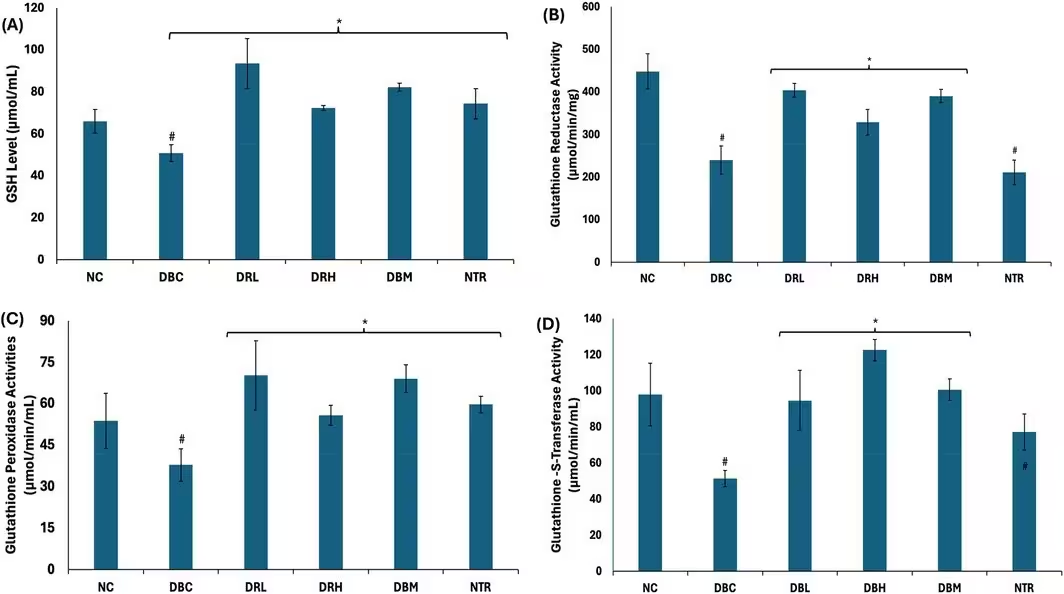
The seaweed extracts also boosted antioxidant defenses in the liver tissue. Rats receiving the treatment showed restored levels of reduced glutathione alongside higher activities of glutathione reductase, glutathione peroxidase, and glutathione-S-transferase. Furthermore, malondialdehyde levels dropped significantly, indicating that the seaweed compounds protected cellular membranes from destructive lipid peroxidation. Blood tests revealed that elevated serum liver enzymes, including aspartate transaminase and alanine transaminase, decreased significantly following the intervention, pointing to reduced cellular injury in the liver.
Metabolite Profiling and Future Outlook
Using gas chromatography-mass spectrometry, the team profiled liver metabolites and found that diabetes drastically altered lipid and amino acid pathways. Untreated diabetic rats showed disrupted fatty acid profiles, impaired branched-chain fatty acid oxidation, and altered amino acid metabolism, which corresponds to elevated transaminase release. Administering the seaweed extracts reversed many of these abnormalities, upregulating beneficial metabolic pathways and helping normalize amino acid processing.
While these laboratory findings highlight the therapeutic potential of marine-derived polysaccharides, the authors emphasize that the work was conducted in a rodent model. Differences in physiology and genetics mean that further preclinical safety evaluations, dosage optimization, and human clinical trials are necessary to confirm whether these natural compounds can effectively treat liver complications in patients with Type 2 diabetes.
The research was published in Food science & nutrition on October 1, 2026.
This article has been fact checked for accuracy, with information verified against reputable sources. Learn more about us and our editorial process.
Last reviewed on .
Article history
- Latest version
Reference(s)
- Mpungose, Lethiwe., et al. “Metabolite Profiling, Modulation of Glucose Metabolism and Antioxidant Activity Reveals the Protective Effect of Sulfated Polysaccharides From Gracilaria gracilis in Hepatic Tissues of Type 2 Diabetic Rats.” Food Science & Nutrition, vol. 14, no. 10, October 24, 2026 Wiley, doi: 10.1002/fsn3.72425. <https://doi.org/10.1002/fsn3.72425>.
Cite this page:
- Posted by Priya Sharma