Why Vikings Didn’t View Their Underworld as a Place of Punishment
Explore the reality of Helheim in Norse mythology, the afterlife destination for those who died of natural causes rather than in battle.
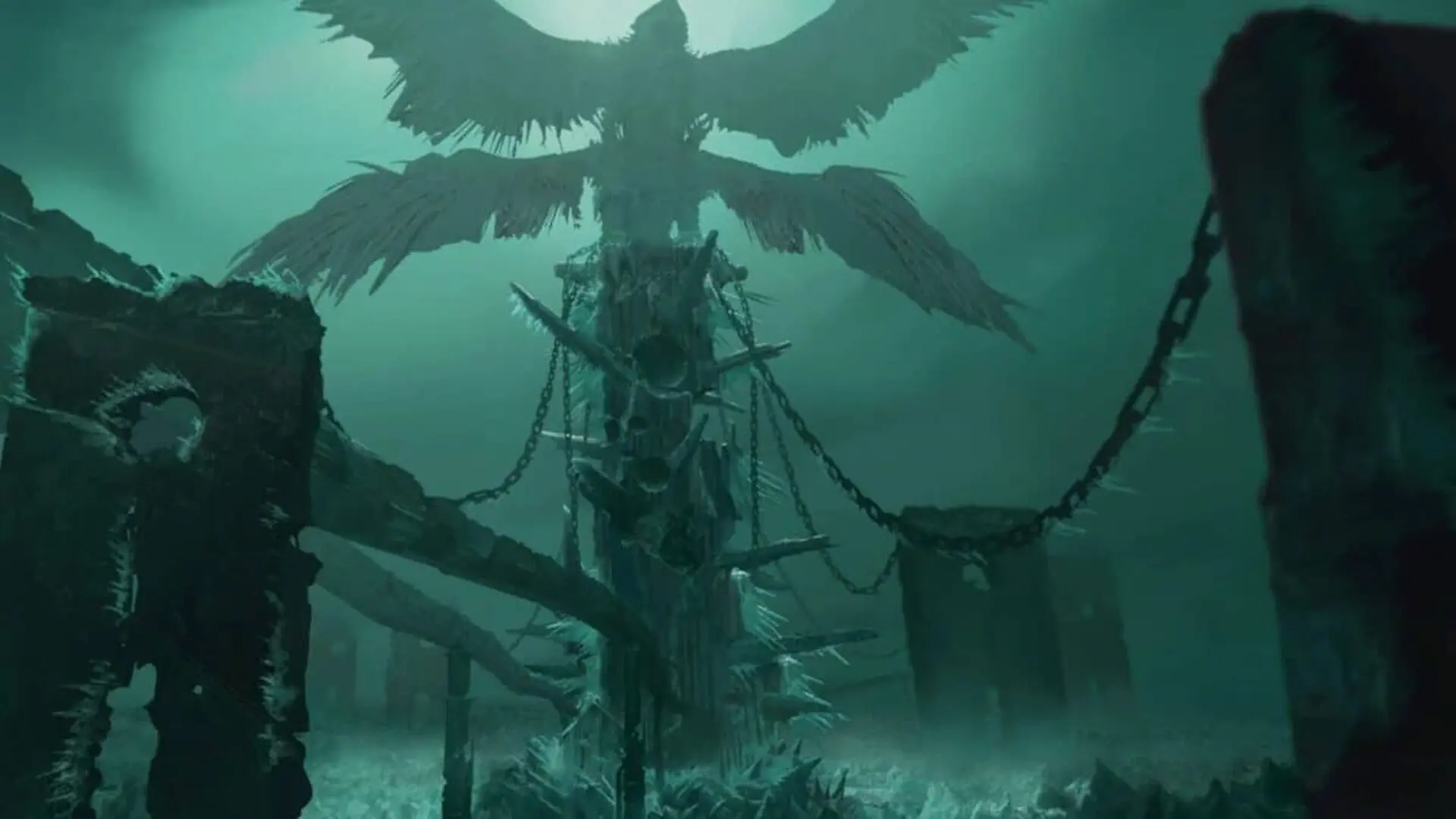
In the complex tapestry of Norse mythology, the afterlife known as Helheim stands in stark contrast to the fire and brimstone imagery often associated with Christian concepts of Hell. Rather than a place of moral retribution or eternal suffering for the wicked, medieval Icelandic texts characterize this underworld as a muted continuation of existence, where the deceased persist in activities mirroring their mortal lives.
Our primary understanding of this realm comes from the Prose Edda and the Poetic Edda, written records that delineate the structure of the Norse cosmos. Within these manuscripts, Helheim is depicted not as a prison of punishment, but as a destination for those who passed away from illness or old age, distinct from the battle-hardened halls of Valhalla reserved for fallen warriors.
The Sovereign of the Shadowed Realm
The domain is presided over by the goddess Hel, daughter of the trickster deity Loki and the giantess Angrboda. Her lineage is as formidable as her realm, as she is the sister of the world-devouring wolf Fenrir and the great serpent Jörmungandr. According to the Prose Edda, penned by 13th-century scholar Snorri Sturluson, Odin granted Hel authority over the dead in the misty, frigid expanse of Niflheim.
Hel herself is described with a striking, dual-toned appearance—one side of her body retaining a flesh-like hue while the other is marked by a deep, deathly blue. Her fortress, named Éljudnir, meaning “Sleet-Cold,” is fortified by imposing walls and formidable gates. While the atmospheric conditions of the underworld were undoubtedly bleak and cold, the historical record suggests its occupants were not tortured, but rather lived out an existence of sleeping, eating, and interacting within the mist-filled halls.
It is important to note that the boundaries between Niflheim, the primordial realm of ice, and Helheim, the specific dwelling of the departed, can be porous in ancient texts. Furthermore, scholars suggest that the later introduction of Christian theology into these regions likely colored some descriptions, leading to variations in how “punishment” or “misery” were interpreted in medieval accounts.
Navigating the Perilous Threshold
While life within Helheim may have been mundane, the journey to arrive there was anything but. Norse narratives frame the transit as a treacherous ordeal, characterized by subterranean darkness and guarded by supernatural entities. In the Poetic Edda, Odin himself rides his legendary eight-legged steed, Sleipnir, into the depths to investigate prophecies regarding his son, Baldr. Along the way, he is confronted by the ferocious, blood-smeared hound Garmr, the legendary guardian of the underworld’s entrance.
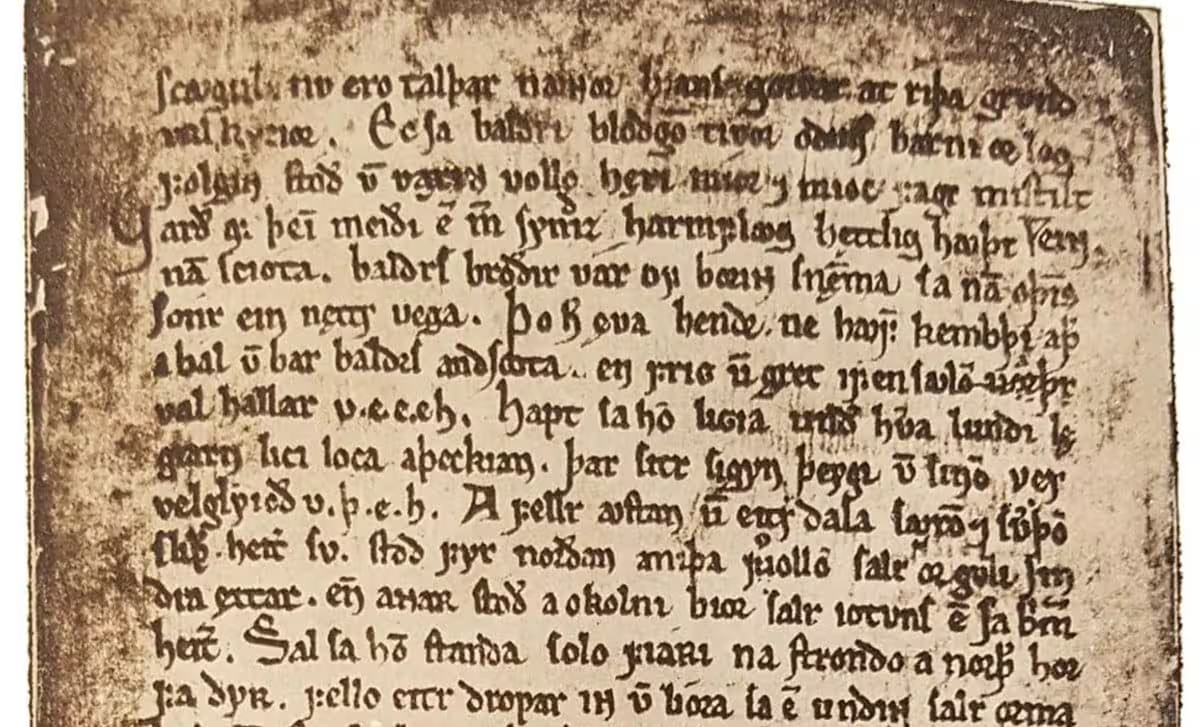
The tragedy of Baldr further highlights the finality of this realm. Following the god’s death, the messenger Hermod braved the nine-night journey through dark valleys to plead for his return. Upon reaching the bridge managed by the giantess Modgud, he was eventually granted an audience with Hel. She proposed a near-impossible condition for Baldr’s release: every living and dead thing must mourn him. Despite a near-universal outpouring of grief, a single giantess named Thok refused to shed a tear, sealing Baldr’s fate within the cold grip of the underworld.
These stories, coupled with accounts like the journey of King Hadingus—who famously crossed a river of blades to view the realm—underscore that Helheim was a place of fixed boundaries. For the Norse, it was not merely a destination, but a fundamental part of the cosmic order that even the gods themselves could not easily navigate or circumvent.
This article has been fact checked for accuracy, with information verified against reputable sources. Learn more about us and our editorial process.
Last reviewed on .
Article history
- Latest version
Reference(s)
- (1885–1939), Henry. “The poetic Edda.” <https://www.gutenberg.org/cache/epub/73533/pg73533-images.html>.
Cite this page:
- Posted by Hassan Raza