Ancient Alaska Campsite Discovery Reveals Oldest Known North American Shelter
Archaeologists in Alaska have unearthed 80,000 artifacts from a 13,800-year-old site, revealing new insights into how early North Americans lived and thrived.
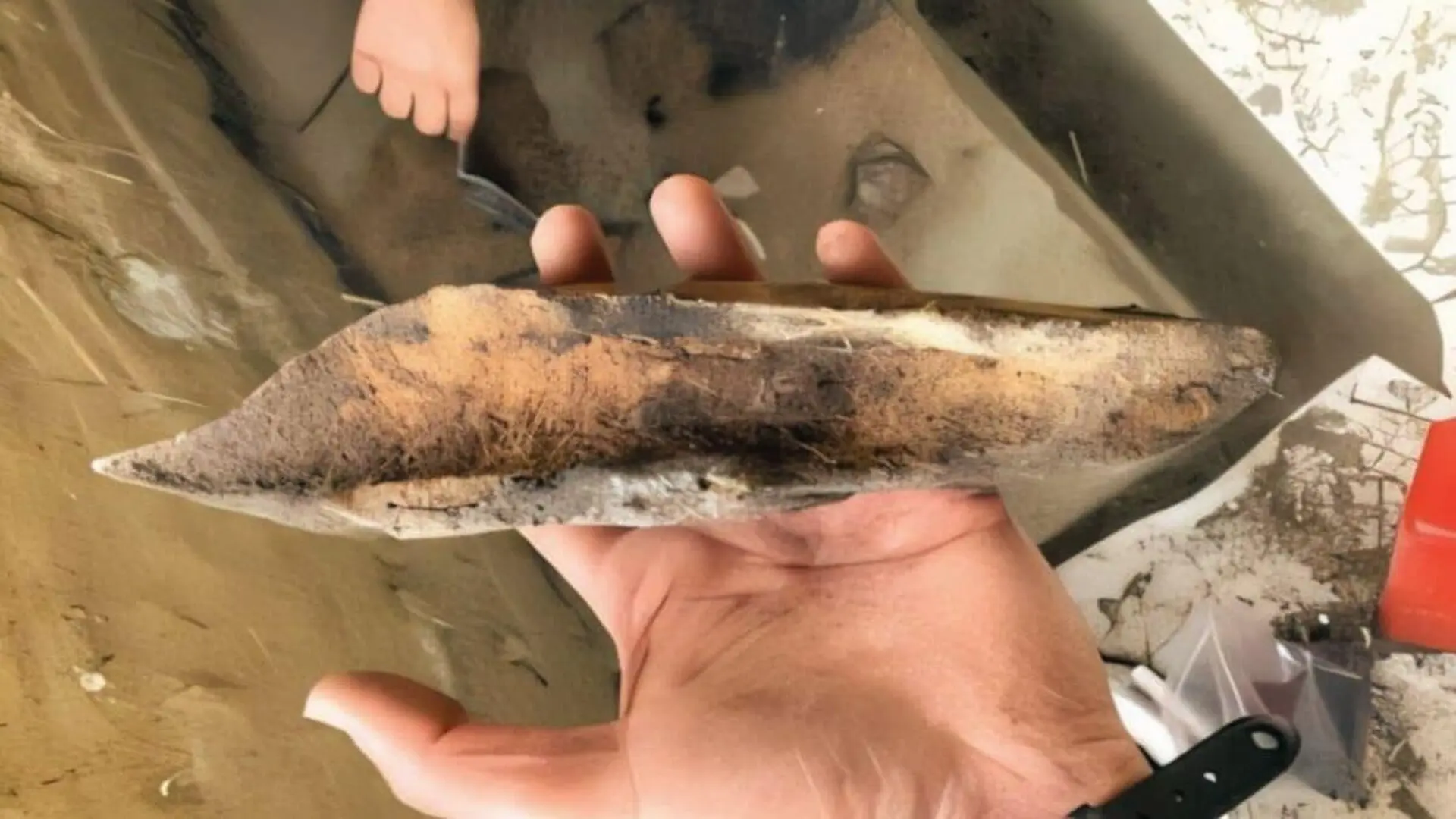
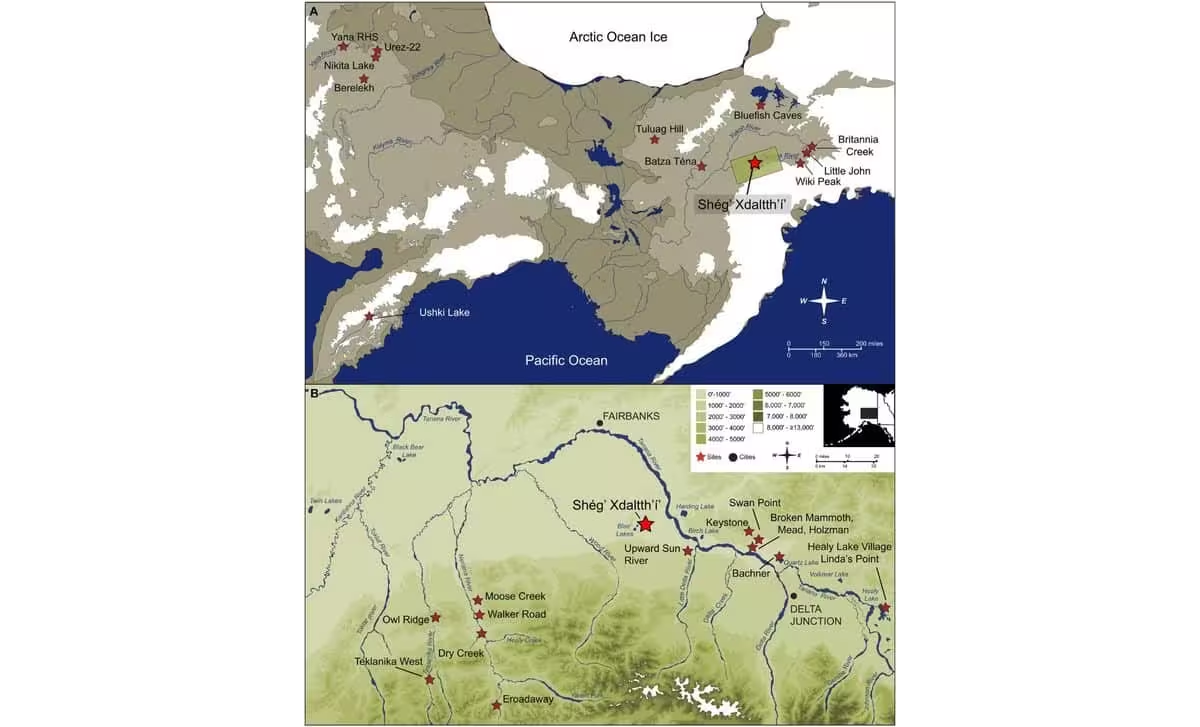
Archaeologists working in a remote region southeast of Fairbanks, Alaska, have uncovered a remarkably well-preserved glimpse into the lives of the earliest people to inhabit the North American continent. The site, known as Shég’ Xdaltth’í’—an Alaska Native Athabascan term meaning “They were there”—offers a rare look at how human populations adapted to the harsh environment of the Late Pleistocene, shortly after the region served as a gateway from Asia via the Bering Land Bridge.
Evidence of Sophisticated Early Habitation
Since excavations began in 2016, researchers have identified several layers of occupation, with the most ancient dating back approximately 13,800 years. Subsequent visits to the site occurred around 13,000 and 12,700 years ago, according to a study published October 14, 2026, in the journal Science Advances.
Within a compact 25-square-meter area, the team documented eight distinct features that reveal a complex, multi-functional base camp. Among the findings are hearths, a refuse pit, and evidence of a substantial structure. One charcoal-laden area, featuring a central hearth and a potential post mold, may represent the remains of a semi-covered lean-to shelter. If the interpretation holds, it would stand as the oldest known dwelling of its kind found in North America.
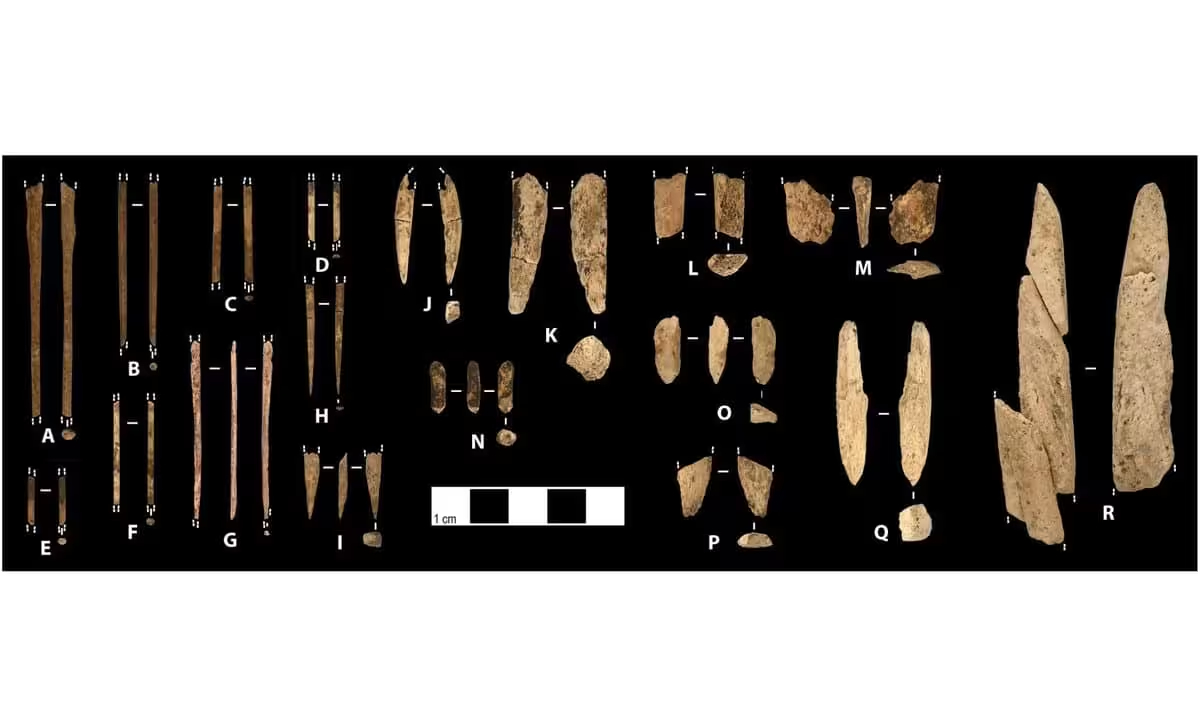
The site also contained an earth oven, where inhabitants likely slow-cooked meat—a testament to long-term residency rather than a transient hunting stop. This base-camp functionality is further supported by the discovery of eight bone needles, some still retaining their eyes, indicating that the occupants possessed the specialized skills required to manufacture and maintain cold-weather clothing.
Transcontinental Ties and Biological Mysteries
The material culture recovered from the site provides a bridge to the past, linking Alaska to Siberian populations. Excavators recovered distinctive diamond-shaped stone tools that closely mirror those found in ancient Siberian sites, suggesting a shared cultural technological tradition across the Beringian landscape. The tool kit was remarkably diverse, utilizing rhyolite, basalt, chert, quartz, and obsidian. Chemical testing of the obsidian artifacts pointed to the Batza Téna source, located roughly 370 kilometers away, demonstrating that these ancient people maintained expansive trade or travel networks.
Beyond the tools, the faunal remains provide a snapshot of the diverse ecosystem these people navigated, including bison, caribou, mammoth, horse, foxes, wolves, and various waterfowl like swans and geese. Among these bones, a unique wolf-like jawbone has emerged as a subject of intense interest. Its distinct morphology, which does not match known dire wolves or modern gray wolves, hints at a separate population or potentially the presence of early domesticated dogs.
While the exact genetic identity of the people who occupied Shég’ Xdaltth’í’ remains unknown, researchers emphasize that this site acts as a critical anchor for understanding the timeline of human arrival in the Americas. Future genomic analysis of the remains will be essential to clarifying the connection between these early Alaskans and the broader migration patterns that eventually populated the Western Hemisphere.
This article has been fact checked for accuracy, with information verified against reputable sources. Learn more about us and our editorial process.
Last reviewed on .
Article history
- Latest version
Cite this page:
- Posted by Hassan Raza