Why Hunger Might Be Secretly Driving Your Alcohol Cravings According to New Research
Scientists have uncovered a molecular link between hunger and reward-based memories, shedding new light on the mechanisms driving alcohol addiction.
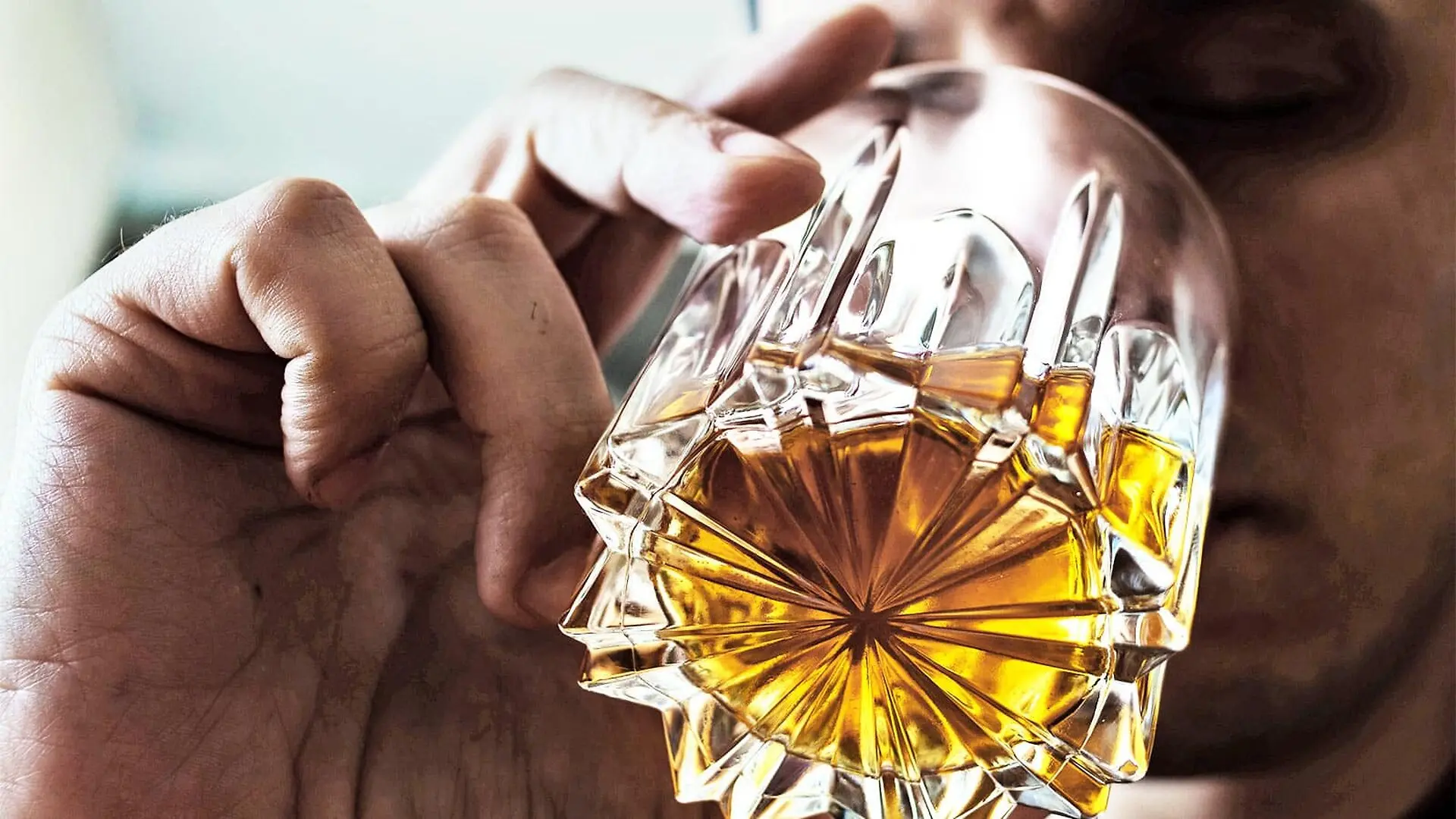
A team of neuroscientists at Brown University has uncovered a critical biological connection between hunger and the neural mechanisms that encode alcohol as a rewarding experience. By analyzing the brains of fruit flies, researchers identified how internal physical states, such as hunger, hijack memory pathways to amplify the allure of addictive substances.
The study, published in Current Biology, suggests that the physiological stress of being hungry alters how the brain processes environmental cues, potentially increasing the risk of relapse or the development of addiction.
Mapping the Neural Circuitry of Craving
Scientists have long understood that dopamine is a primary player in reward-based learning. However, this new research highlights the influence of octopamine, a neurotransmitter in insects that serves as the functional equivalent to norepinephrine in humans. Octopamine is known to manage fight-or-flight responses, but the study reveals it also bridges the gap between hunger and the formation of alcohol-related memories.
By using fruit flies—a model organism prized for its complex, yet decipherable, brain architecture—the researchers focused on a specific neuron known as VUMa3. When the team genetically silenced or stimulated these octopamine-releasing cells, they observed a significant shift in behavior: hungry flies developed a stronger, faster preference for alcohol compared to their well-fed counterparts.
Environmental Cues and Internal States
Karla Kaun, an associate professor of neuroscience at Brown’s Carney Institute for Brain Science, explains that hunger acts as a catalyst, recruiting additional neurons to communicate with existing brain circuits. This process effectively rewires how an individual interprets their surroundings.
“If you are heading home from work and pass a bar you enjoy, you might usually walk right by,” Kaun noted. “However, if you skipped lunch and are feeling hungry, that same environment takes on new meaning. A visual cue that you normally ignore suddenly becomes a powerful trigger for a craving.”
This suggests that the brain’s reward system is not static, but is instead highly sensitive to an organism’s immediate physical state. According to study co-author and postdoctoral researcher Lewis Sherer, the findings imply that the conditions a person faces—such as chronic food insecurity or high levels of stress—could fundamentally change their biological vulnerability to alcohol dependency.
Future Directions for Addiction Treatment
The researchers hope these findings will pave the way for more nuanced approaches to addiction treatment and prevention. By understanding the specific molecular pathways that link physiological stress to reward-seeking behavior, clinicians may eventually develop strategies to mitigate cravings at the neurological level.
The study underscores a growing consensus in neuroscience that addiction is not merely a failure of willpower, but a complex interaction between external environmental stimuli and internal biological signals. As researchers continue to map these pathways, the hope is to identify new targets for therapies that can help individuals decouple the association between daily stressors and addictive behaviors.
The research was supported by funding from the National Institute on Alcohol Abuse and Alcoholism, the National Institute of Neurological Disorders and Stroke, the National Institute of General Medical Sciences, the National Institute on Aging, the National Institute on Deafness and Other Communication Disorders, the Hubert & Richard Hanlon Trust, the Howard Hughes Medical Institute, and the Carney Institute.
This article has been fact checked for accuracy, with information verified against reputable sources. Learn more about us and our editorial process.
Last reviewed on .
Article history
- Latest version
Reference(s)
- Nuñez, Kavin M.., et al. “Hunger recruits a parallel circuit encoding alcohol reward.” Current Biology, October 1, 2026 Elsevier BV, doi: 10.1016/j.cub.2026.09.057. <https://doi.org/10.1016/j.cub.2026.09.057>.
Cite this page:
- Posted by Hassan Raza