Hidden Staircase Under Ancient Church Reveals Layers of Burials Dating Back 1,500 Years
Archaeologists have discovered six mysterious stone coffins hidden beneath a medieval church, shedding new light on centuries of silent burials.
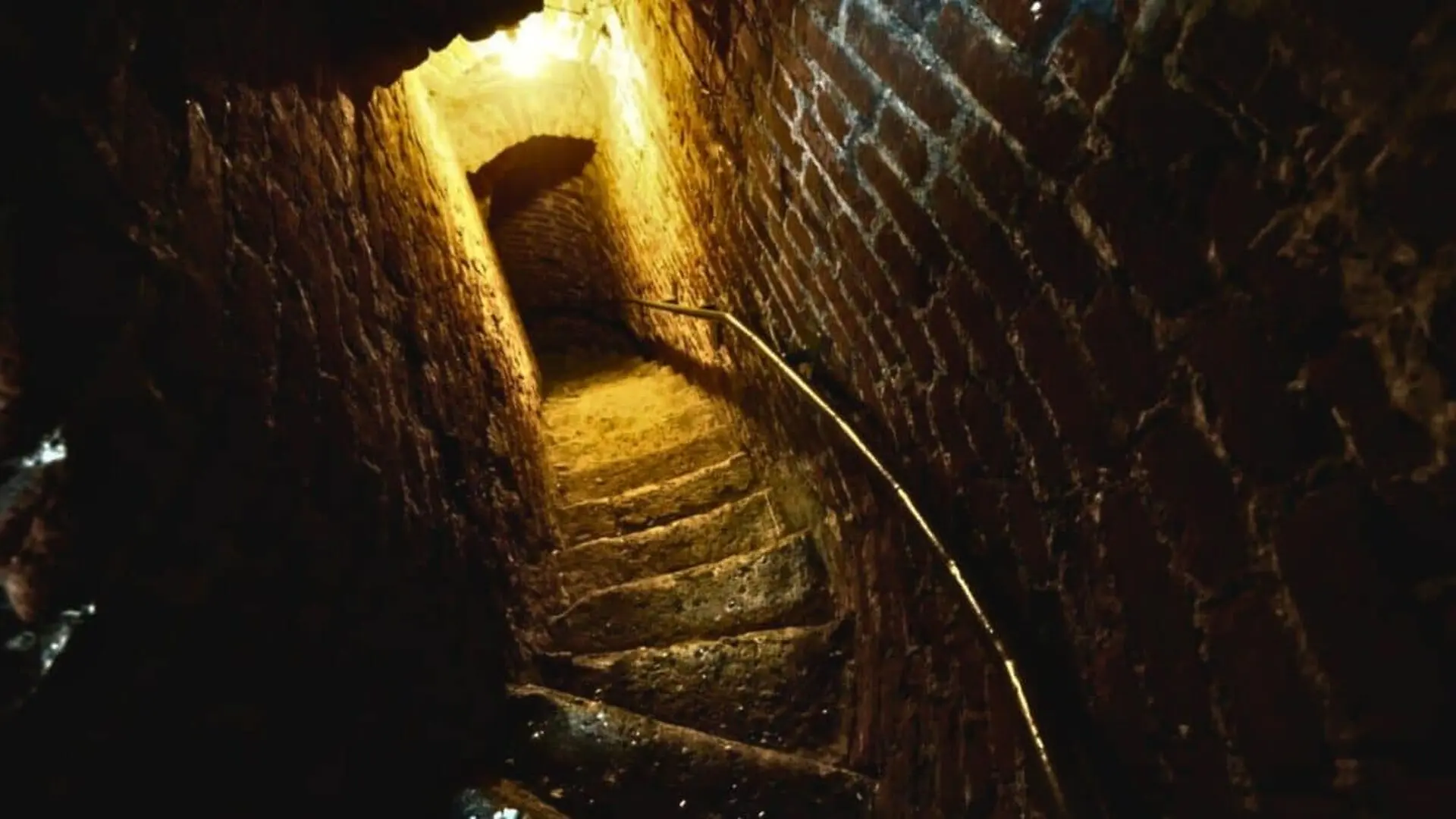
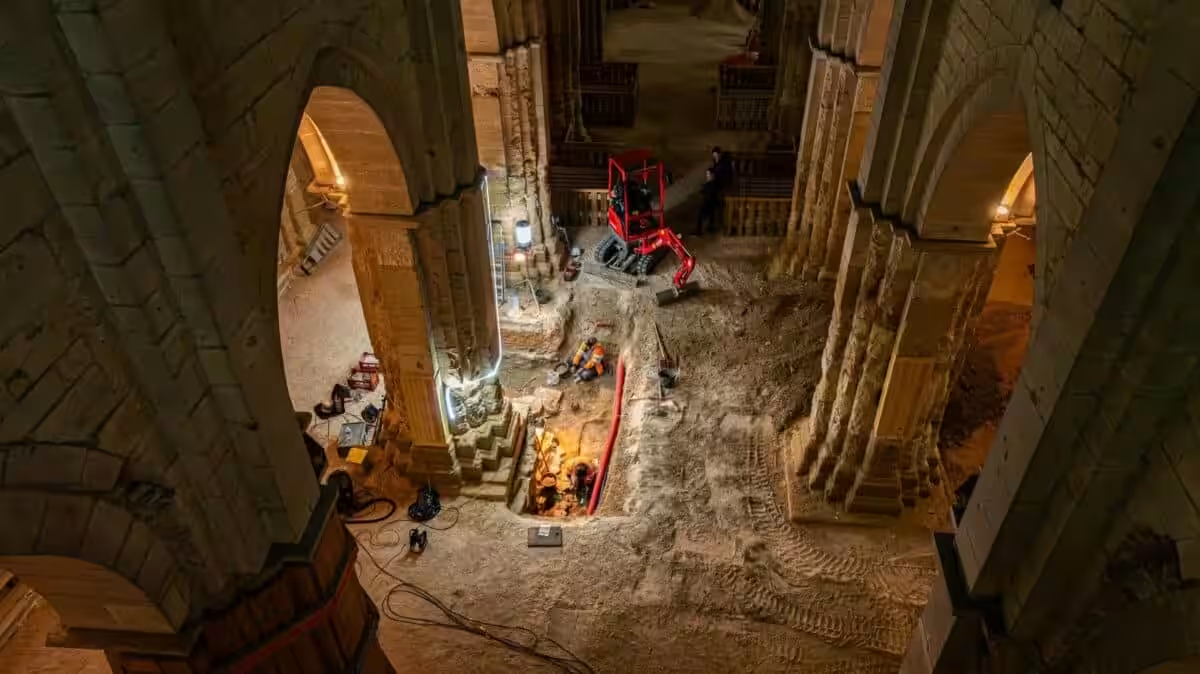
Restoration efforts at the historic Church of Saint-Philibert in Dijon, France, have unearthed a hidden timeline of human activity stretching back over 1,500 years. What began as a structural assessment to save the crumbling Romanesque building evolved into an extensive archaeological project, revealing a subterranean landscape of burial vaults, medieval stone tombs, and ancient sarcophagi buried directly beneath the church floor.
The discovery occurred when contractors lifting the floor tiles stumbled upon a previously unmapped staircase leading to a long-sealed burial vault. Specialists from France’s National Institute for Preventive Archaeological Research (INRAP) were summoned to document the find, only to discover that the vault was merely the top layer of a much deeper necropolis.
Engineering Blunders Reveal Hidden History
The Saint-Philibert church, the last remaining Romanesque site in central Dijon, has endured centuries of repurposing, including a stint as a salt warehouse during the post-revolutionary era. This history eventually compromised the structure. In the 1970s, a heated concrete floor was installed, causing salt-laden ground to expand and contract. This cycle cracked the building’s foundations, necessitating the recent floor removal and subsequent excavation to stabilize the primary pillars.
Centuries of Interments
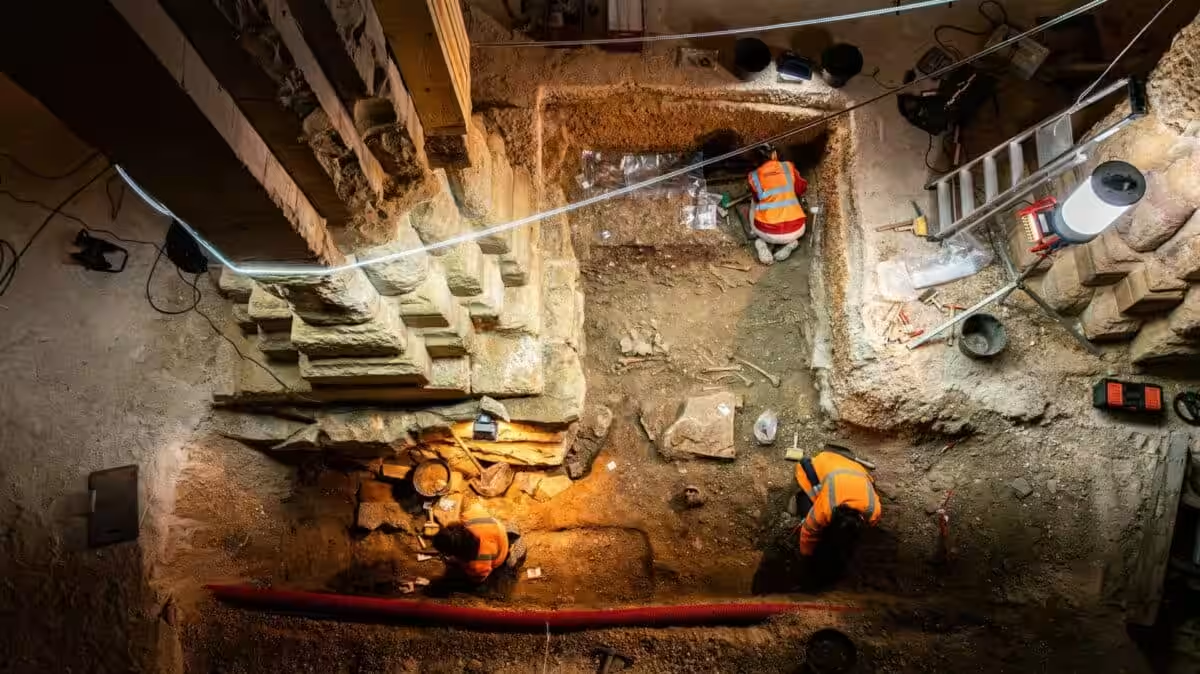
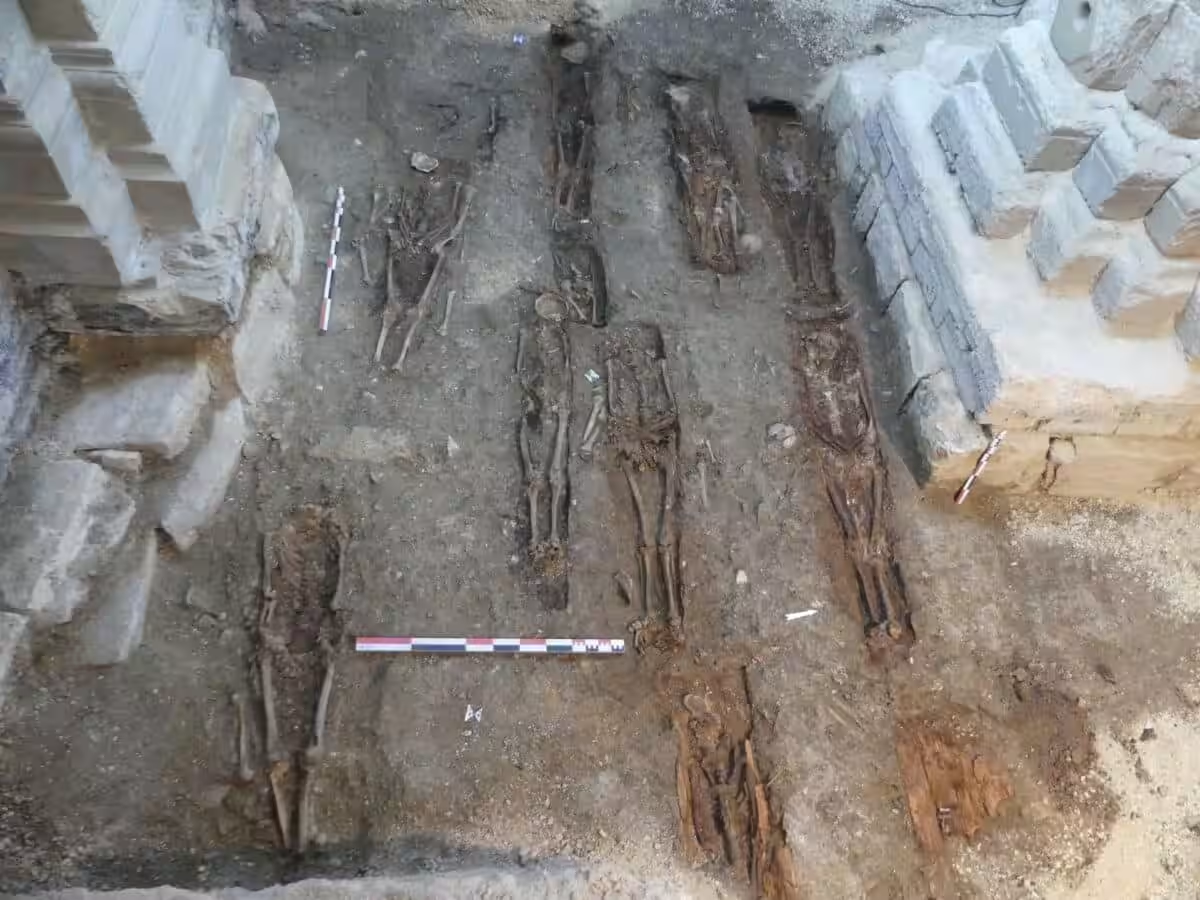
The transept vault, dating back to the 15th or 16th century, contained the remains of numerous adults and children. Archaeological evidence suggests this chamber was used iteratively, with earlier remains pushed aside to accommodate new burials. Beyond a few coins and two rosaries, the graves were sparse, suggesting a focus on simplicity. Beneath this vault, the team encountered older slab-covered tombs from the 11th to 13th centuries, predating the current church structure.
Layers of Antiquity
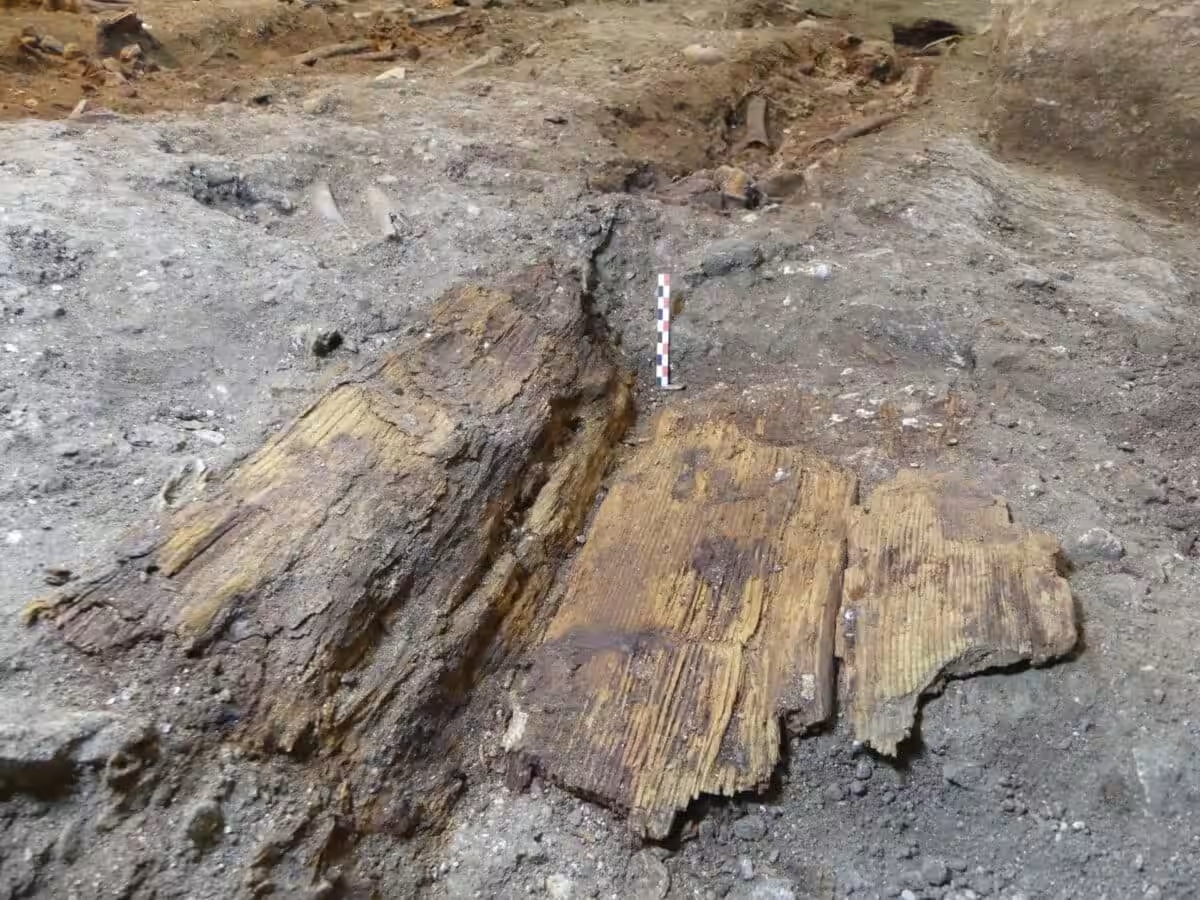
Further excavation revealed the structural footprint of an even earlier 10th-century church, identified by opus spicatum—or herringbone-patterned—masonry. This confirms that the 12th-century builders constructed their edifice atop an existing religious site. The deepest strata yielded six stone sarcophagi from the transition between the Roman era and the Merovingian period. One coffin, adorned with a carved lid, is believed to have belonged to a member of the local elite, indicating the site’s historical importance as a funerary center spanning over a millennium.
As the restoration proceeds, the church remains a focal point for both preservationists and historians. Future work will continue to stabilize the bell tower and spire, while the site remains accessible to the public during select cultural heritage events.
This article has been fact checked for accuracy, with information verified against reputable sources. Learn more about us and our editorial process.
Last reviewed on .
Article history
- Latest version
Cite this page:
- Posted by Zara Tariq