Deep Underground Fungi and Microscopic Animals Discovered in 350‑Million‑Year‑Old Shale
Scientists uncover a hidden deep‑earth ecosystem of fungi, worms and tardigrades thriving in the gas‑rich Antrim Shale formation.
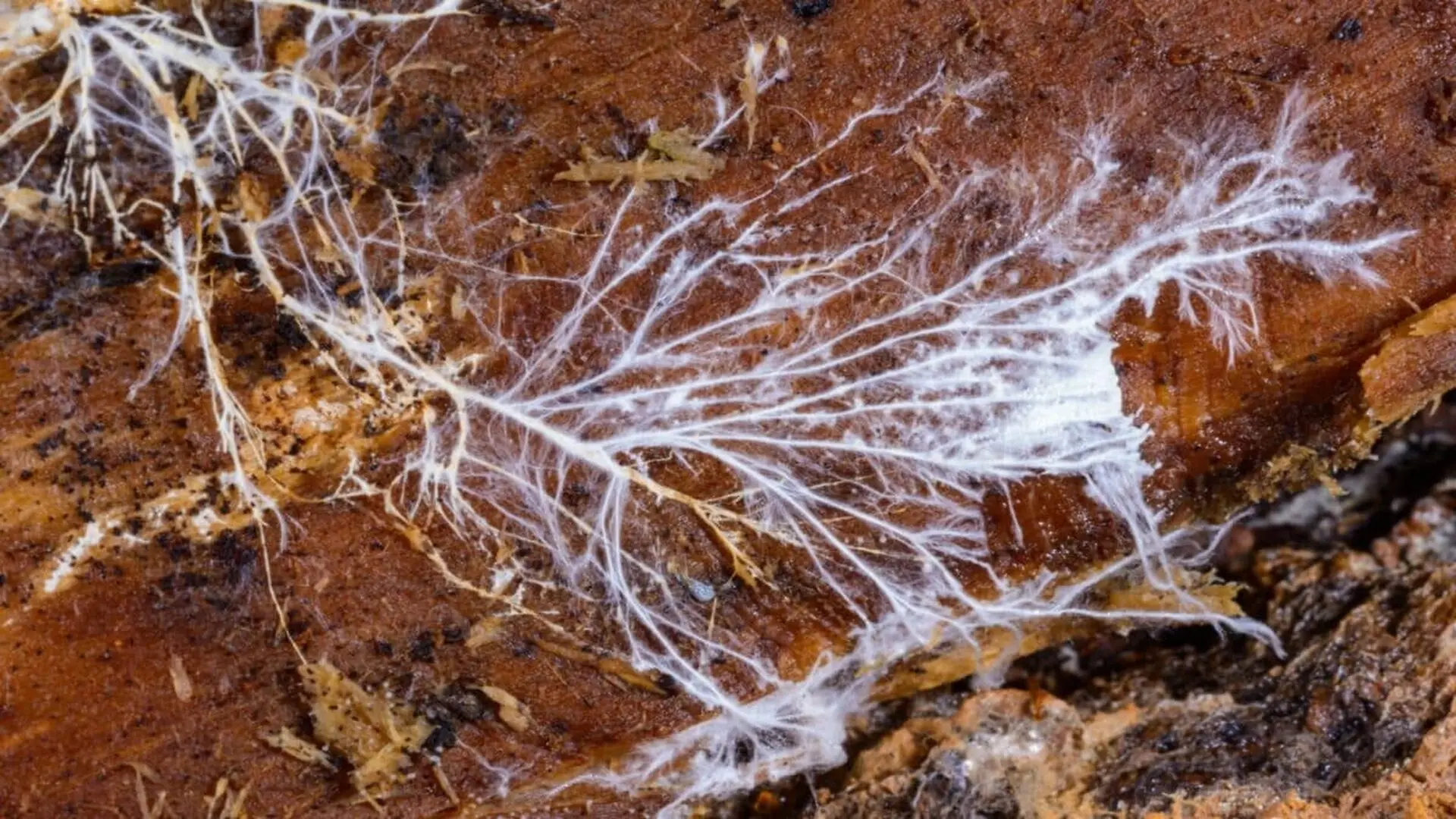
Researchers have revealed that the deep subsurface of the Antrim Shale harbors a surprisingly diverse community of fungi and microscopic animals, challenging the notion that such environments are biologically barren.
Hidden fungal diversity revealed in deep‑well water
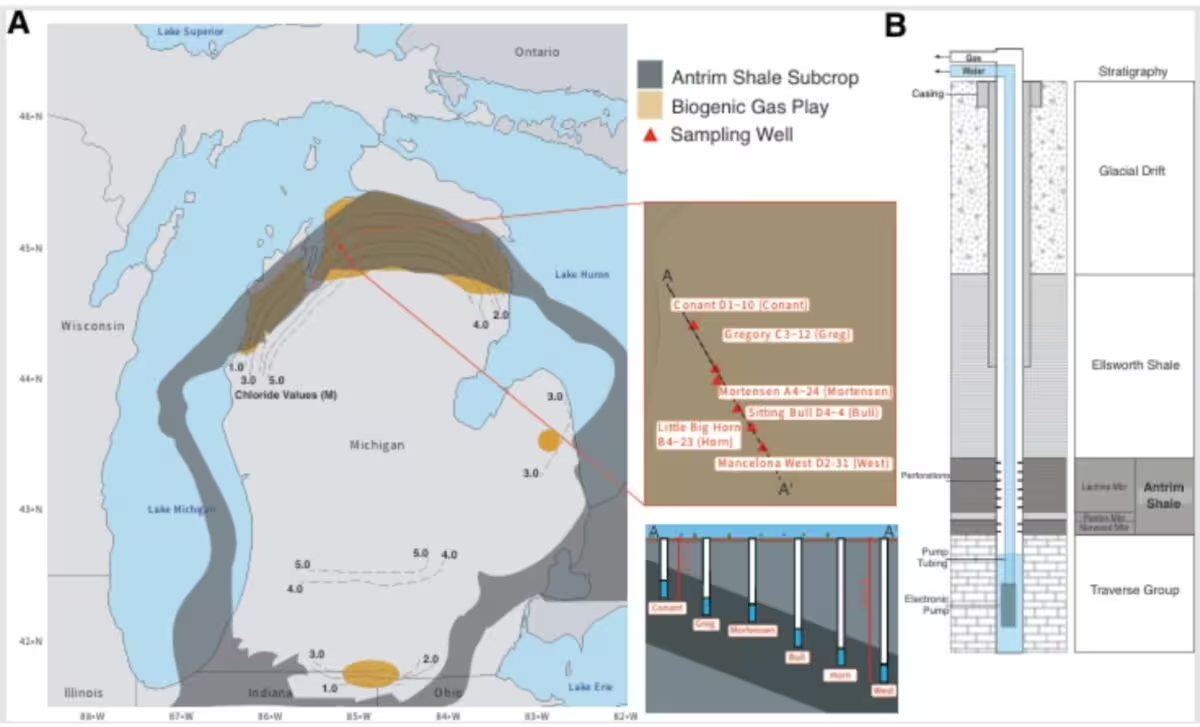
Water was drawn from gas wells drilled to depths ranging from 247 to 556 meters within the Antrim Shale formation. Large‑volume filtrations allowed scientists to extract DNA, while parallel culturing attempts produced living fungal isolates for laboratory analysis.
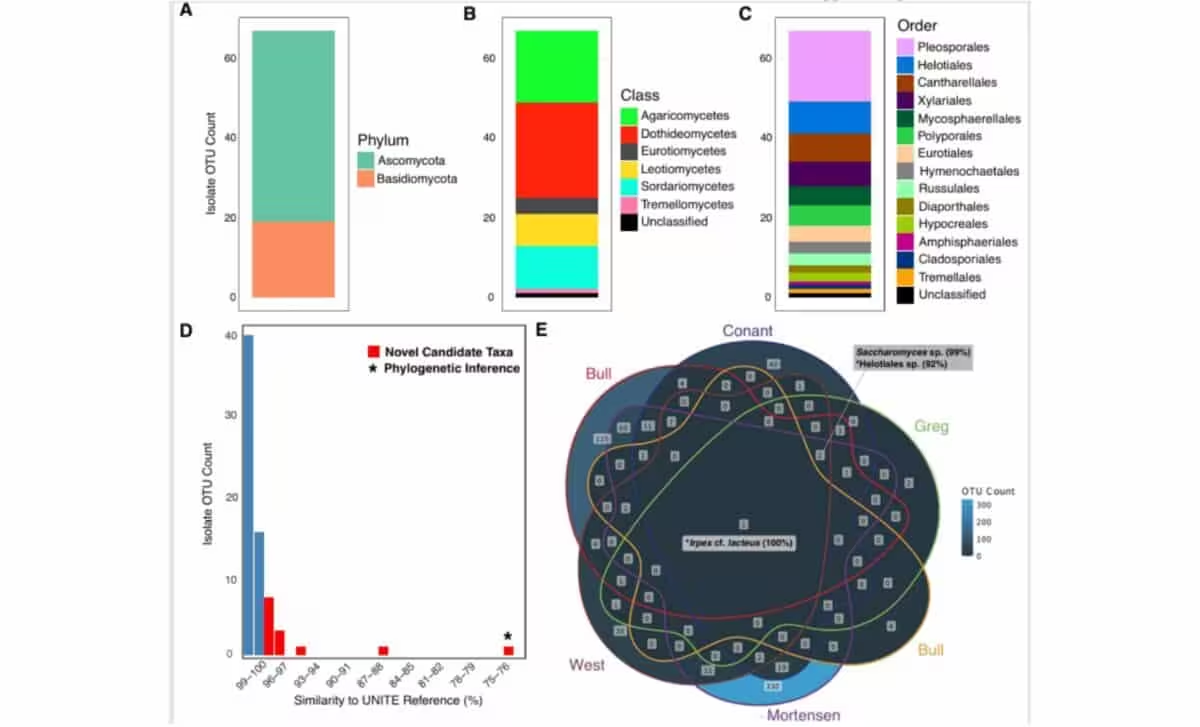
Genetic sequencing indicated the presence of 689 distinct fungal taxa, and 205 strains were successfully grown in culture. Thirteen of the cultured strains appear to represent species new to science.
The most abundant groups belonged to the Agaricomycetes and Dothideomycetes classes. While Agaricomycetes are typically associated with mushroom‑forming fungi, both groups are known for their ability to decompose complex polymers such as lignin and cellulose at the surface.
Quinn Moon, an ecologist at the University of Michigan and lead author of the study, explained that these fungi likely persist underground by metabolizing carbon compounds that are refractory to many other organisms. “These fungi make a living by eating some of the carbon forms most difficult to break down,” Moon told ScienceAlert.
Beyond fungi, DNA fragments from rotifers, segmented worms, tardigrades, and nematodes were also detected, alongside signatures of microscopic parasites such as Ichthyosporea (animal parasites) and Rozellomycota (fungal parasites).
Estimations suggest that fungi account for roughly one‑sixth of the total biomass in the sampled water, with approximately 250 fungal cells per microliter—a density comparable to that found in many surface habitats.
Ancient shale environment and its role in carbon dynamics
The Antrim Shale, deposited about 350 million years ago, is rich in organic material. Isotopic analysis of oxygen and hydrogen, together with salinity gradients among the wells, points to relatively stable geochemical conditions persisting since the Late Pleistocene. Many of the sampled waters have likely remained sealed away from the surface for close to 11,000 years.
Researchers propose that the original occupants entered the shale when melting glaciers allowed water to infiltrate fractures and pores during the Late Pleistocene, establishing a long‑term subterranean ecosystem.
Because water must be pumped to the surface for sampling, the exact oxygen concentration in the native environment remains uncertain; introduced oxygen could alter the original redox balance.
Earlier investigations have identified methane‑producing archaea within the Antrim Shale, implying that portions of the formation are extremely low in oxygen. Some hypotheses even suggest that certain microbes might generate oxygen independent of sunlight.
Because roughly 90 percent of Earth’s organic carbon resides in deep subsurface reservoirs, the presence of active fungal and bacterial populations could mean that a portion of this carbon is being processed rather than remaining inert, revising current models of carbon sequestration.
Human activities, particularly gas extraction, have introduced numerous wells into the shale and occasionally employ biocidal chemicals. The discovery of previously unknown microbial diversity raises questions about how industrial practices might impact these hidden ecosystems.
The study, published in The ISME Journal, adds to growing evidence that life can thrive in environments once thought too isolated to support complex communities. Ongoing work will explore how these fungi interact with refractory substrates such as shale, coal, and oil.
This article has been fact checked for accuracy, with information verified against reputable sources. Learn more about us and our editorial process.
Last reviewed on .
Article history
- Latest version
Cite this page:
- Posted by Hassan Raza