Archaeologists Discover 22 Ancient Shipwrecks With Never Before Seen Cargo Off Greek Coast
Archaeologists have discovered mysterious ancient shipwrecks in a remote location, uncovering unique cargoes never before seen in the historical record.
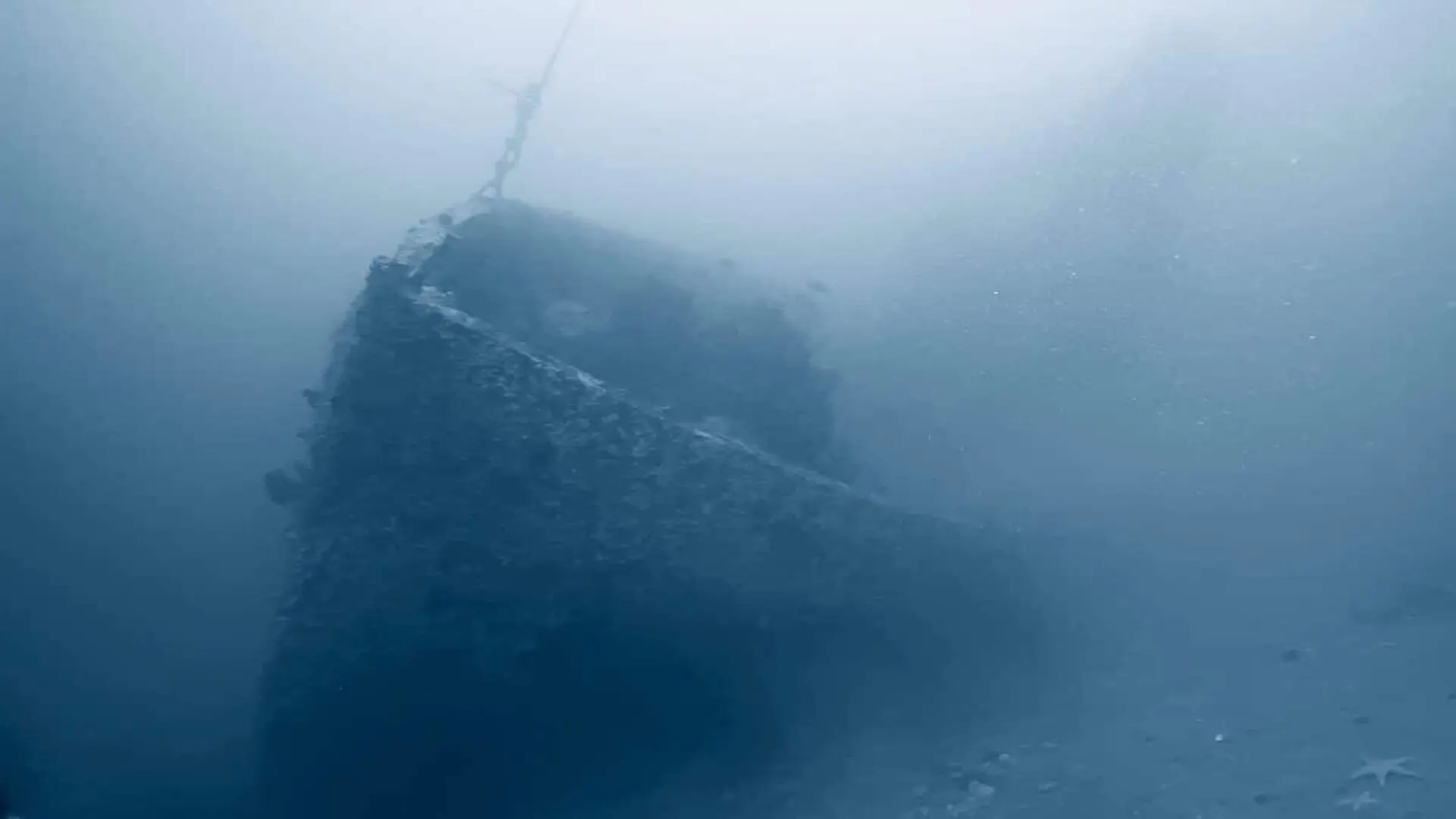
An extraordinary archaeological survey conducted around the Fourni archipelago in the eastern Aegean Sea has uncovered 22 previously undocumented shipwrecks in just 13 days. The discovery, which sheds new light on ancient maritime history, reveals a concentration of vessels that has stunned the research community.
For generations, the rocky cluster of islands near the Turkish coast remained an overlooked site in historical accounts, save for the oral histories passed down by local sponge divers and fishermen who reported strange mounds of ancient pottery submerged on the seafloor. In 2015, these anecdotal reports prompted a collaborative mission between the Greek Ephorate of Underwater Antiquities and the U.S.-based RPM Nautical Foundation. Led by George Koutsouflakis and Peter Campbell, the team’s findings far exceeded their initial projections.
A Historic Maritime Hub
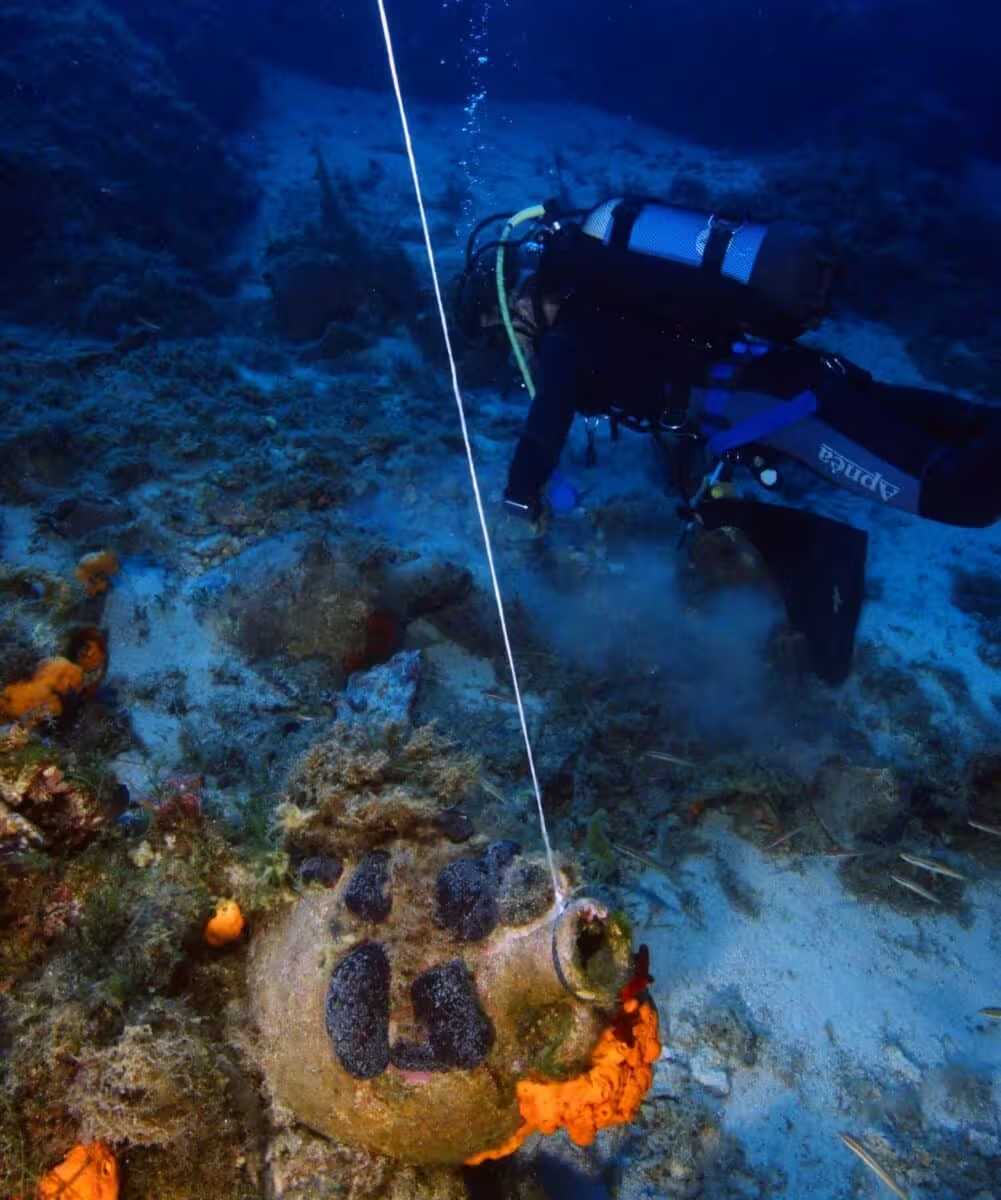
The expedition identified 22 wrecks spanning from the Archaic period, roughly 700 to 480 B.C., through to the 16th century. These vessels were found at depths ranging from 10 to 180 feet. Prior to this survey, Greece had officially documented approximately 180 ancient shipwrecks over decades of research; this single discovery increased that count by roughly 12 percent, even though the team has surveyed only five percent of the coastline.
“I think we were all shocked. We were expecting three or four wrecks, and we would have been very happy,” said Peter Campbell, the project’s co-director.
Rewriting the Historical Record
As detailed in the official press release from the University of Southampton, Fourni served as a vital maritime crossroads, linking east-west and north-south trade routes. Researchers were particularly intrigued by the discovery that nearly half of the wrecks originated from the late Roman period, an era for which historical documentation of the island is notably sparse.
“By the late Roman period, we don’t really know anything about the island,” Koutsouflakis noted. “The shipwrecks tell a more nuanced story. The island must have maintained importance as a harbor site.”
Unique Cargoes Found Intact
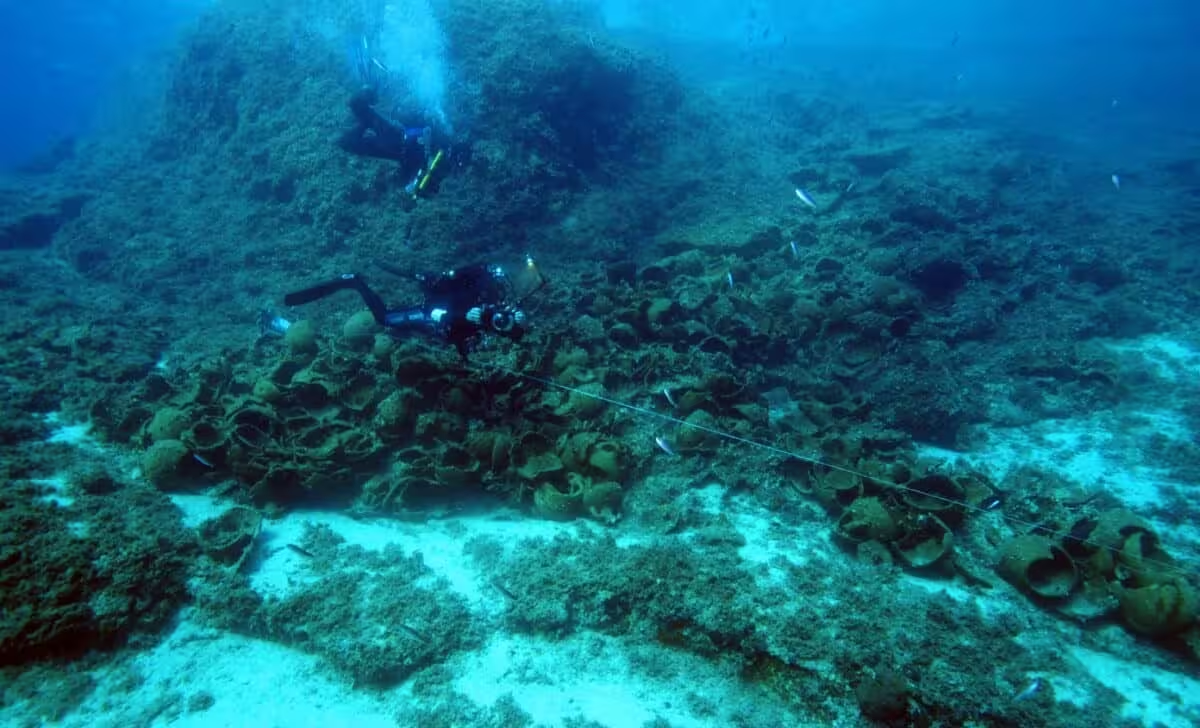
While the wooden hulls of the vessels have largely decayed, the ships left behind their durable contents, primarily amphoras—large ceramic jars used for transporting wine, oil, and fish sauce. The debris patterns suggest sudden collisions near the rocky shoreline, creating a chaotic distribution of pottery distinct from the organized piles often found in deep-sea wrecks.
“What is astonishing is not only the number of the shipwrecks, but also the diversity of the cargos,” Koutsouflakis said, adding that at least three sites contain cargo types never before recorded on a shipwreck.
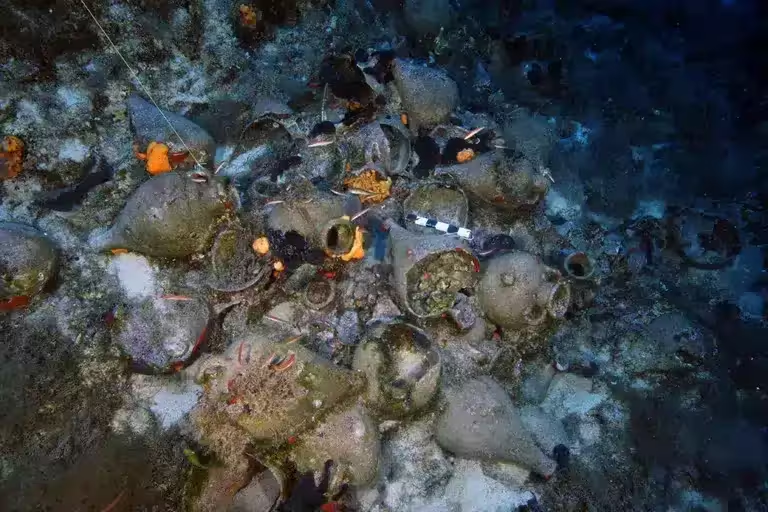
Significant findings include Archaic-era ceramics from Samos, massive amphoras from the second century A.D. originating in the Black Sea, and distinct carrot-shaped vessels from the Turkish town of Sinop. Researchers have now transferred samples from these sites to an Athens laboratory, where they are conducting rigorous analysis to pinpoint the precise origins and contents of these ancient shipments.
This article has been fact checked for accuracy, with information verified against reputable sources. Learn more about us and our editorial process.
Last reviewed on .
Article history
- Latest version
Reference(s)
- <https://independent.academia.edu/GeorgeKoutsouflakis>.
- “Southampton Marine and Maritime Institute | University of Southampton.” University of Southampton <https://cdn.southampton.ac.uk/smmi/about/our_students/peter_campbell.page?>.
- “22 Ancient Shipwrecks Discovered in Small Greek archipelago | Archaeology | University of Southampton.” <https://www.southampton.ac.uk/archaeology/news/2015/11/12-22-ancient-shipwrecks-discovered-greece.page>.
Cite this page:
- Posted by Zara Tariq