Archaeologists Discover 3,200 Year Old Peace Treaty Fragment Detailing Ancient Refugee Rules
A tiny clay shard from an ancient palace reveals a long-lost treaty detailing complex rules on refugees, war reparations, and the pursuit of lasting peace.
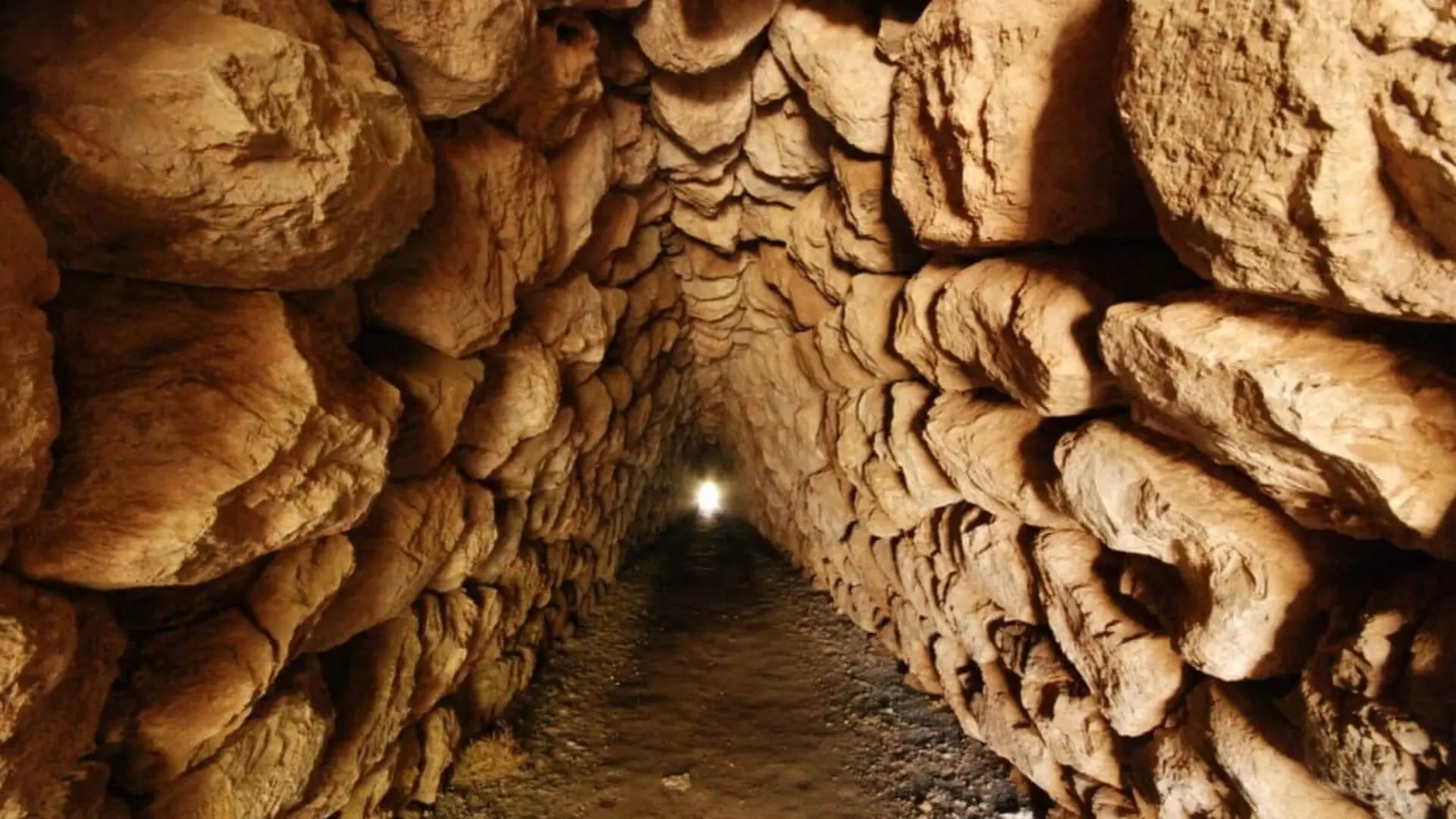
Archaeologists working at the site of Hattusha, the former capital of the Hittite Empire in north-central Turkey, have recovered a significant new fragment of the Treaty of Kadesh. Widely recognized as the oldest known peace treaty in history, the artifact offers a rare look at the diplomatic protocols established between two ancient superpowers more than three millennia ago. The discovery was confirmed by Turkey’s Ministry of Culture and Tourism on September 21, in coordination with the International Day of Peace.
The agreement was originally forged around 1269 B.C. following the fallout of the Battle of Kadesh, ending years of intense Mediterranean territorial conflict. The signatories, Pharaoh Ramesses II of Egypt and the Hittite monarch Hattusili III, drafted the document to ensure long-term stability between their empires. This newly unearthed piece of clay specifically details Articles 12 through 20, which govern the treatment of refugees crossing between the two kingdoms.
Humanitarian Clauses in Ancient Diplomacy
The text recovered from the Büyükkale royal palace site highlights the specific legal obligations regarding individuals fleeing their home territories. Under these provisions, both Egypt and the Hittite Empire agreed to the mandatory repatriation of refugees. However, the treaty also introduced distinct humanitarian protections that prohibited excessive brutality against those returned.
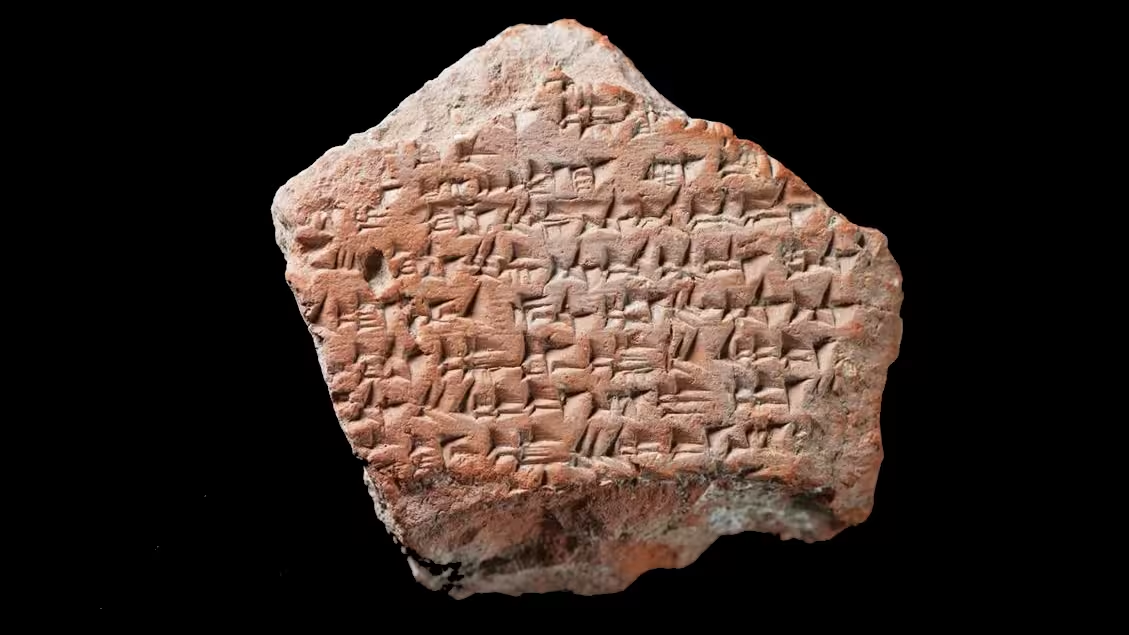
According to translations provided by the Turkish Ministry of Culture and Tourism, the treaty explicitly forbade physical mutilation or the destruction of personal property. The document states that refugees should not have their tongues or eyes pulled out, nor should their ears or feet be amputated. Furthermore, the agreement insisted that the homes, wives, and children of those returned must remain unharmed, signaling a sophisticated, albeit stern, approach to international law during the Late Bronze Age.
A Document of Enduring Significance
The history of the Treaty of Kadesh is told through two primary mediums. Early 19th-century Egyptologists first encountered the text in hieroglyphic form on the walls of a temple in Thebes, now part of Luxor. Later excavations in the early 20th century at Hattusha revealed the Akkadian version, written in the era’s diplomatic lingua franca. These Akkadian tablets, now held by the Archaeological Museum in Istanbul, include provisions for military mutual defense and royal succession, effectively framing the accord as an “Eternal Treaty.”
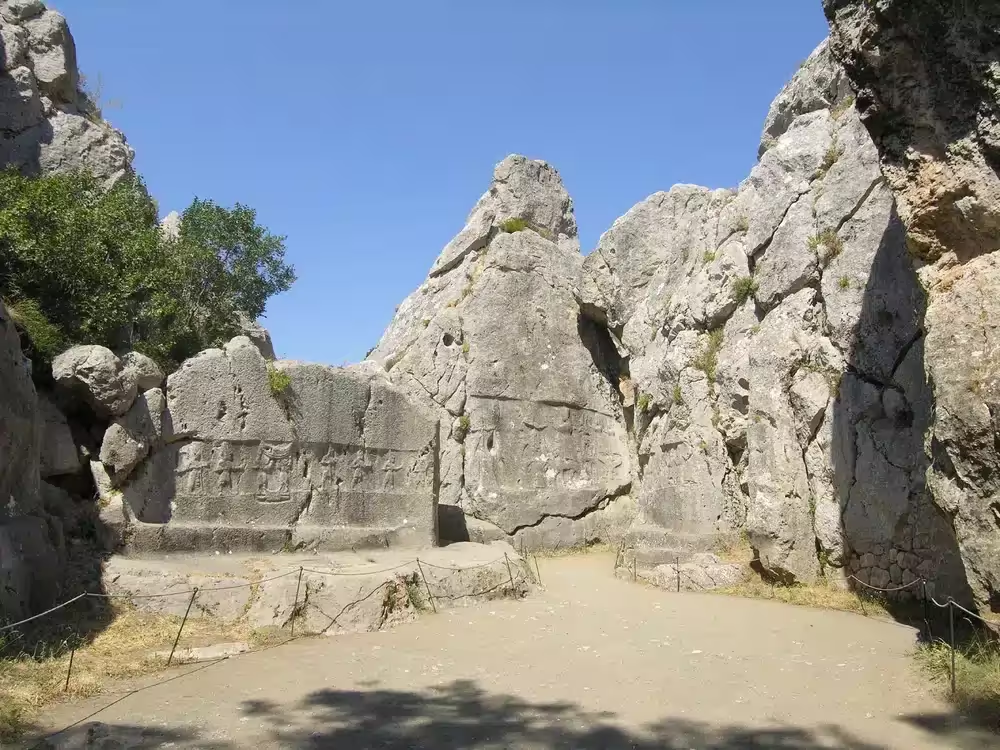
The document’s legacy remains a symbol of global diplomacy. In 2001, UNESCO included the treaty in its Memory of the World Register. A copper reproduction, gifted by Turkey to the United Nations in 1970, is currently displayed at the UN Conference Building in New York, positioned as a testament to historical conflict resolution.
Ongoing Research at Hattusha
Hattusha served as the seat of Hittite power from approximately 1650 to 1200 B.C., and its archives have provided scholars with a wealth of cuneiform diplomatic records. While the original agreement was famously inscribed on silver tablets—none of which have survived to the present day—the recovery of these clay duplicates continues to fill gaps in our understanding of the text.
Researchers expect that continued excavations at the site may yield additional fragments, potentially providing a more complete transcription of the treaty’s nuanced legal framework.
This article has been fact checked for accuracy, with information verified against reputable sources. Learn more about us and our editorial process.
Last reviewed on .
Article history
- Latest version
Reference(s)
- “Minister.” <https://www.ktb.gov.tr/EN-113297/minister.html>.
- “Kadesh War and Peace Treaty.”, October 11, 2024 <https://corum.ktb.gov.tr/EN-61494/kadesh-war-and-peace-treaty.html>.
- <https://whc.unesco.org/en/list/377/>.
- “Replica of Peace Treaty between Hattusilis and Ramses II | United Nations Gifts.” <https://www.un.org/ungifts/replica-peace-treaty-between-hattusilis-and-ramses-ii>.
Cite this page:
- Posted by Zara Tariq