Archaeologists Just Rediscovered a Lost Cold War Bunker Beneath a Medieval Castle
Archaeologists have discovered a hidden Cold War relic beneath a historic British landmark, revealing a fascinating, long-forgotten piece of history.
Archaeologists have uncovered a forgotten relic of the nuclear age buried beneath the historic grounds of Scarborough Castle. The subterranean structure, a former Royal Observer Corps monitoring post, had been sealed off and effectively lost to time for more than half a century.
The discovery adds a stark, industrial chapter to a site known for its deep historical roots, which trace back to Iron Age settlements, Roman signal stations, and medieval fortifications. While the castle is celebrated for its ancient past, this latest find reveals how the same strategic headland was repurposed during the height of the Cold War to watch for nuclear threats.
A Subterranean Sentinel Unearthed
Commissioned in 1963, the bunker was part of a clandestine network of roughly 1,500 monitoring posts established across the United Kingdom. These facilities were designed to detect atomic explosions and track radioactive fallout should the threat of nuclear conflict escalate. However, the Scarborough post was remarkably short-lived; it was officially decommissioned and sealed in 1968, leaving its exact location to fade from public record.
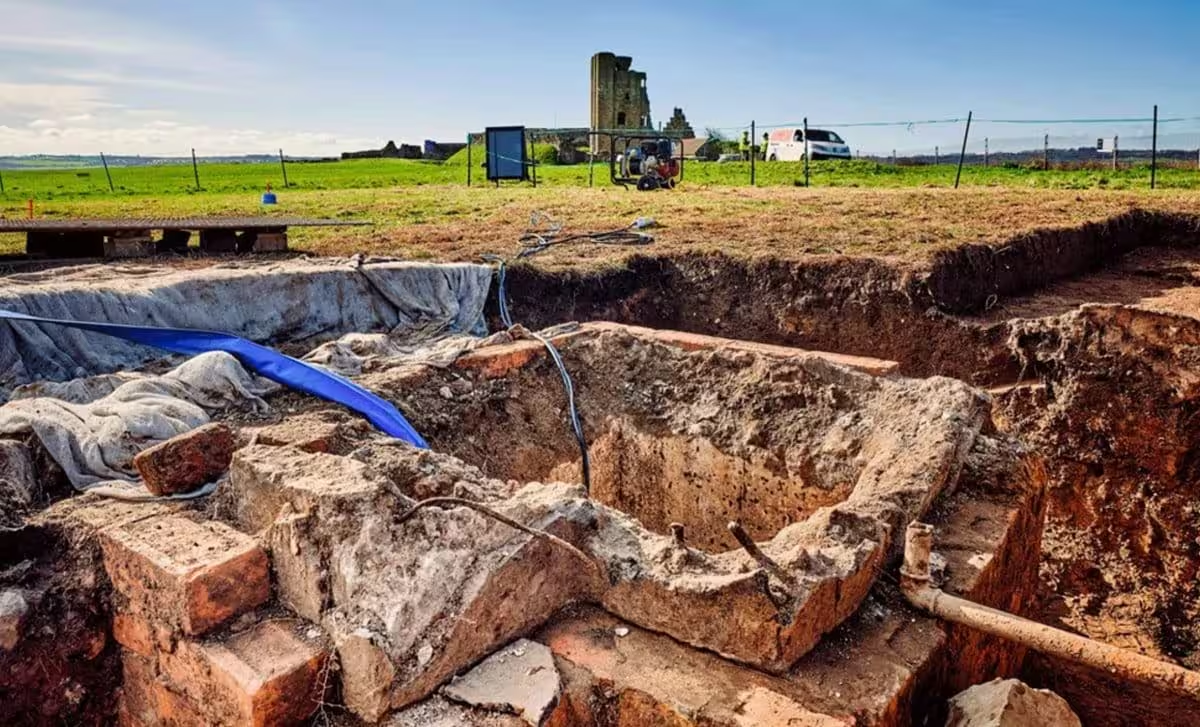
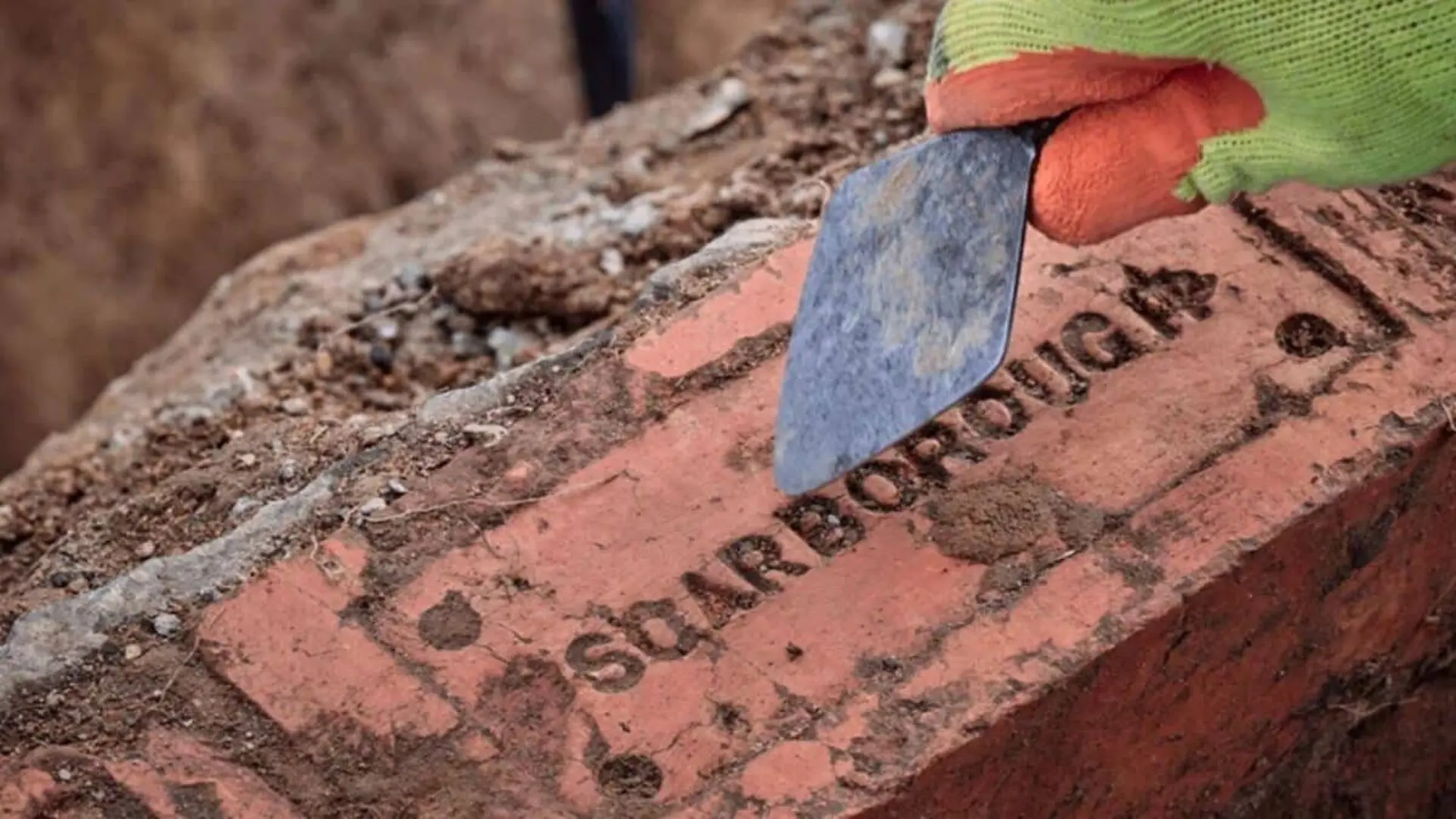
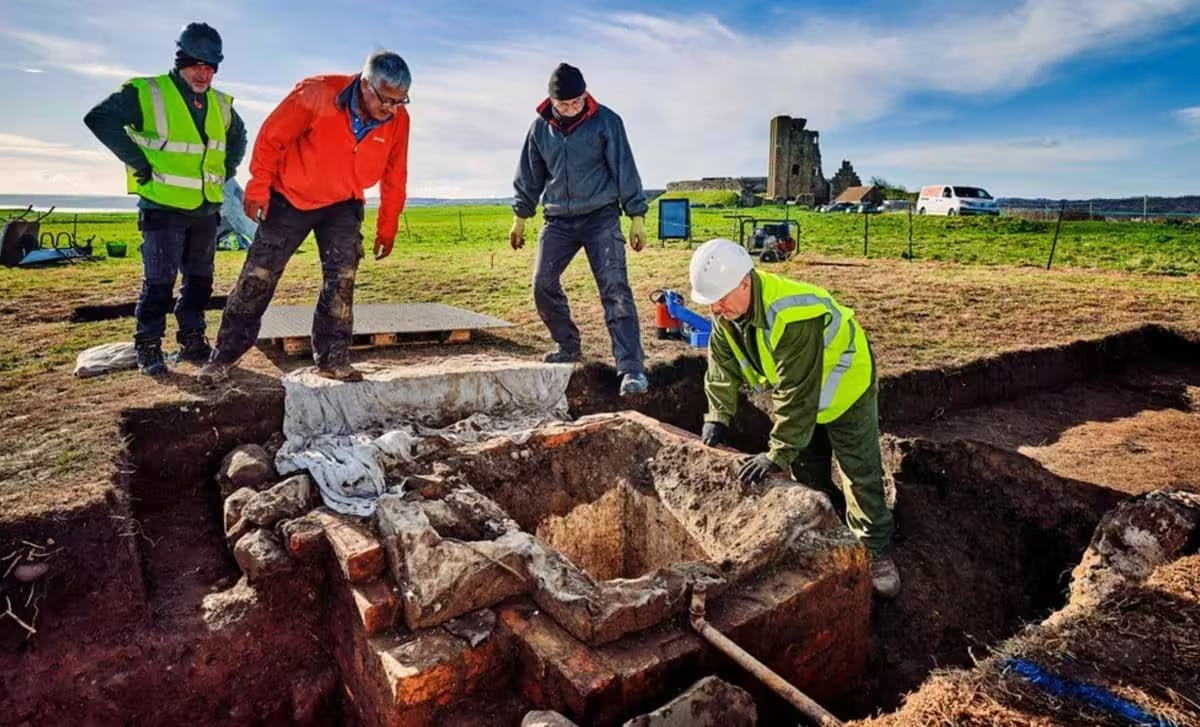
To locate the buried structure, English Heritage utilized ground-penetrating radar. Once the site was identified, excavation revealed a construction method involving brickwork encased in reinforced concrete, with some individual bricks still bearing the marks of their original manufacturers.
Waterlogged Time Capsule
Although the primary entrance had been capped with concrete, the chamber was found flooded almost to the ceiling. Rather than causing total decay, the submerged environment appears to have acted as a preservative. Experts were able to clear the debris from a damaged ventilation shaft, allowing them to lower a CCTV camera into the dark space. The footage confirmed that internal features, including wooden fittings and patches of original paint, remain remarkably intact.
Life inside the bunker was notoriously austere. Designed for survival rather than comfort, the small space was equipped with basic bunk beds, communication gear, and a 30-day water reserve. Former Royal Observer Corps volunteer Tony Metcalf described the conditions as unforgiving: “There was no heating at the posts, it was just a concrete shed that you’re sat in, and after five or six hours, it got pretty cold in there.”
A Legacy of Strategic Vigilance
The ubiquity of these posts meant that during the mid-20th century, most British citizens were likely living only a few miles from a secret monitoring station. Kevin Booth, head of collections at English Heritage, noted that the location is uniquely fitting for such a structure.
“It seems strange to have a Cold War bunker built inside Scarborough Castle, but in many ways, it is a perfect location: this headland has been an observation post for thousands of years, from a Bronze Age settlement to a Roman signal station, medieval castle, World War I gun battery and, here, a 1960s concrete bunker watching for Armageddon.”
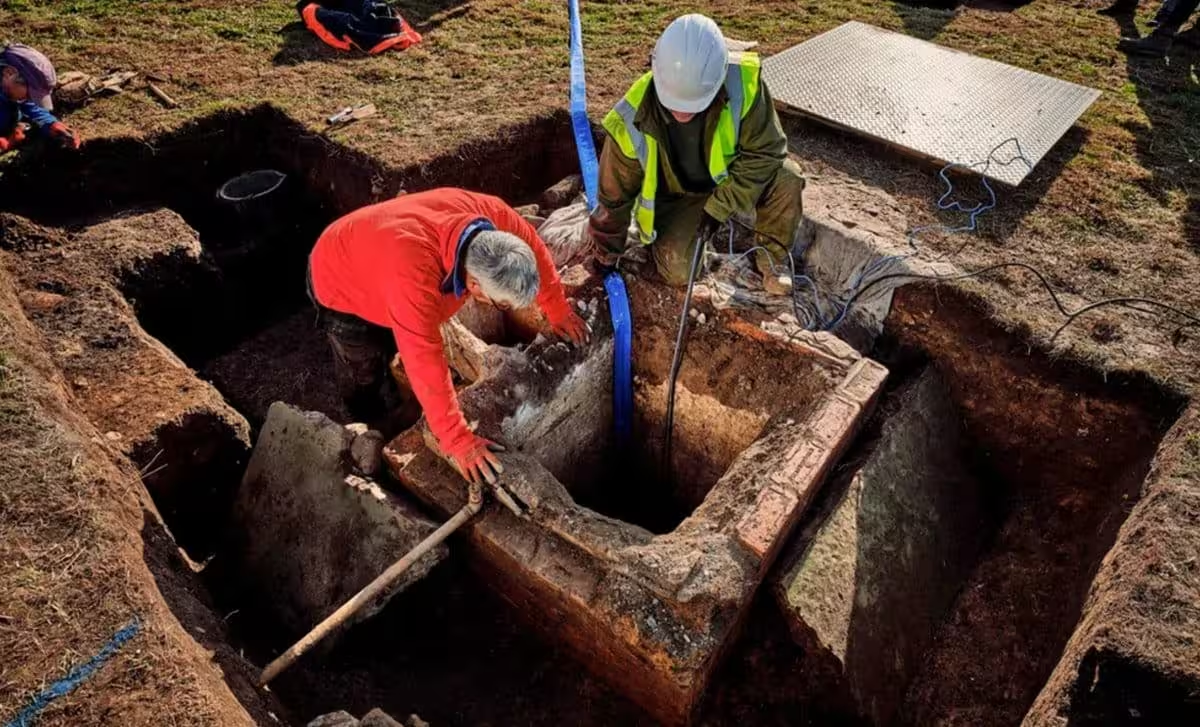
While the challenges of draining and conserving the water-filled site mean it is not currently accessible to the public, the bunker stands as a poignant addition to the site’s extensive history. By bridging the gap between ancient defense and modern nuclear anxiety, the discovery highlights how the Scarborough headland has remained a constant point of observation throughout the ages.
This article has been fact checked for accuracy, with information verified against reputable sources. Learn more about us and our editorial process.
Last reviewed on .
Article history
- Latest version
Reference(s)
- “Scarborough Castle.” English Heritage <https://www.english-heritage.org.uk/visit/places/scarborough-castle/>.
Cite this page:
- Posted by Zara Tariq