Ancient Tooth Damage Reveals Humans Used Psychoactive Betel Nuts 25,000 Years Ago
Ancient teeth found in an Indonesian cave provide evidence of one of the earliest known human uses of a psychoactive substance.
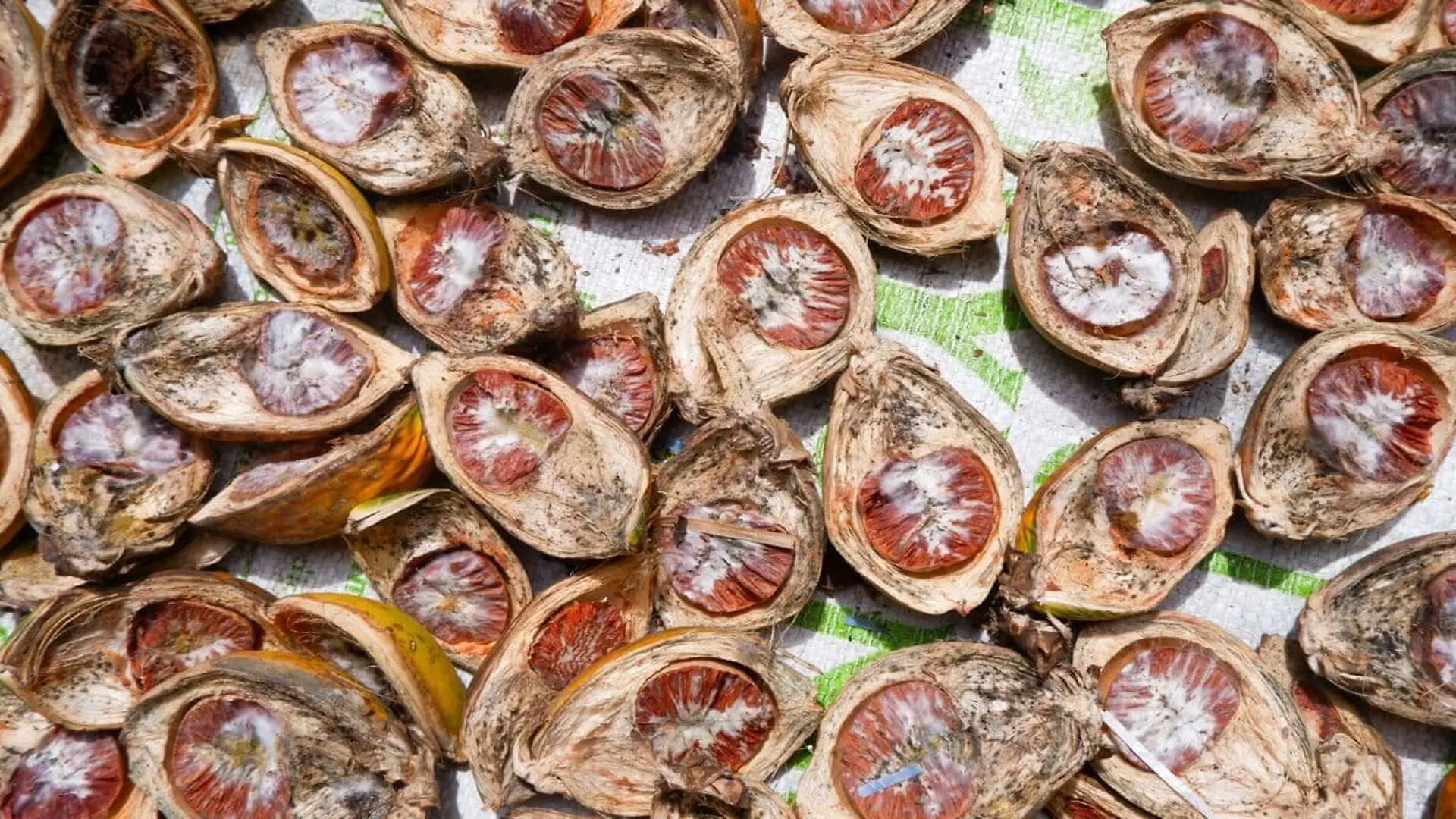
Human history is deeply intertwined with the consumption of mind-altering substances. While archaeological records have long pointed to the production of fermented barley beer in Israel some 13,000 years ago, the cultural use of other psychoactive flora—such as psilocybin mushrooms, coca leaves, and the San Pedro cactus—emerged globally in the millennia that followed. Among these stimulants, the betel nut, or areca, has maintained a significant role across Oceania and Asia for thousands of years. New research now suggests that the practice of using this nut predates the modern preparation methods involving betel leaf and lime, reaching back into the deep prehistoric past.
Dental Evidence Unveils Ancient Stimulant Use
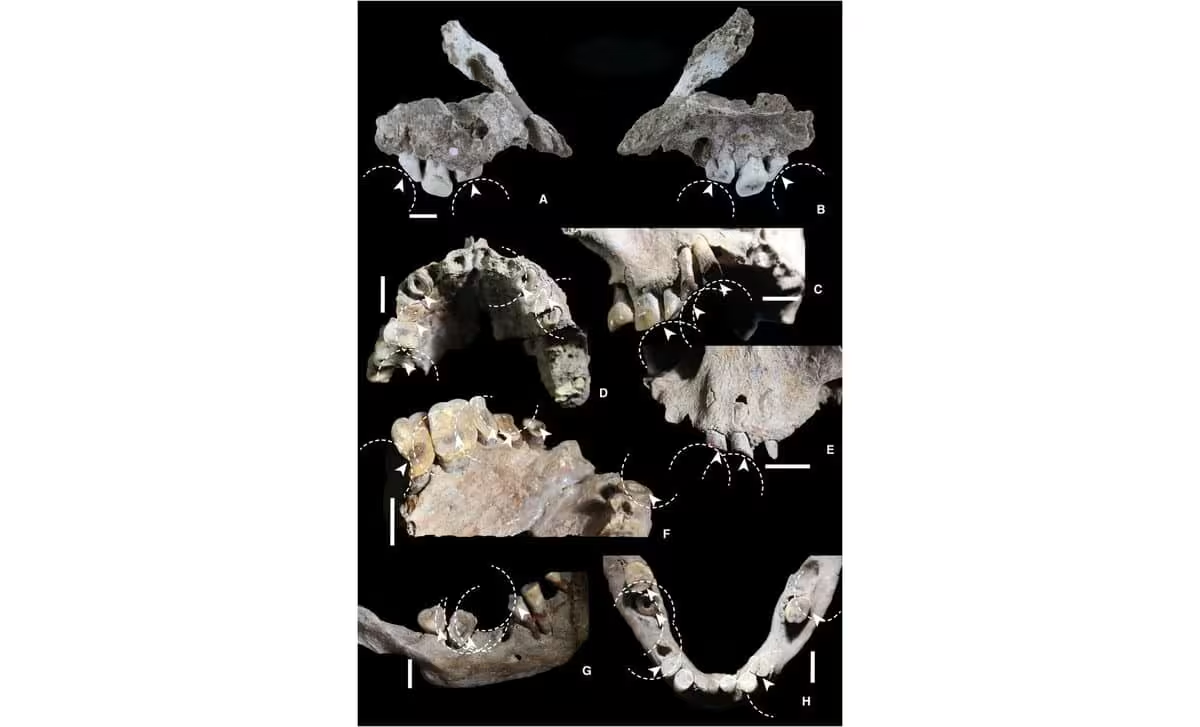
A study published in Science Advances details the analysis of two foragers from preagricultural Sulawesi whose skeletal remains reveal a previously unidentified form of dental degradation. The researchers identified these markers as rounded, hollowed-out grooves in the teeth, a pattern that had not been documented in scientific literature until now.
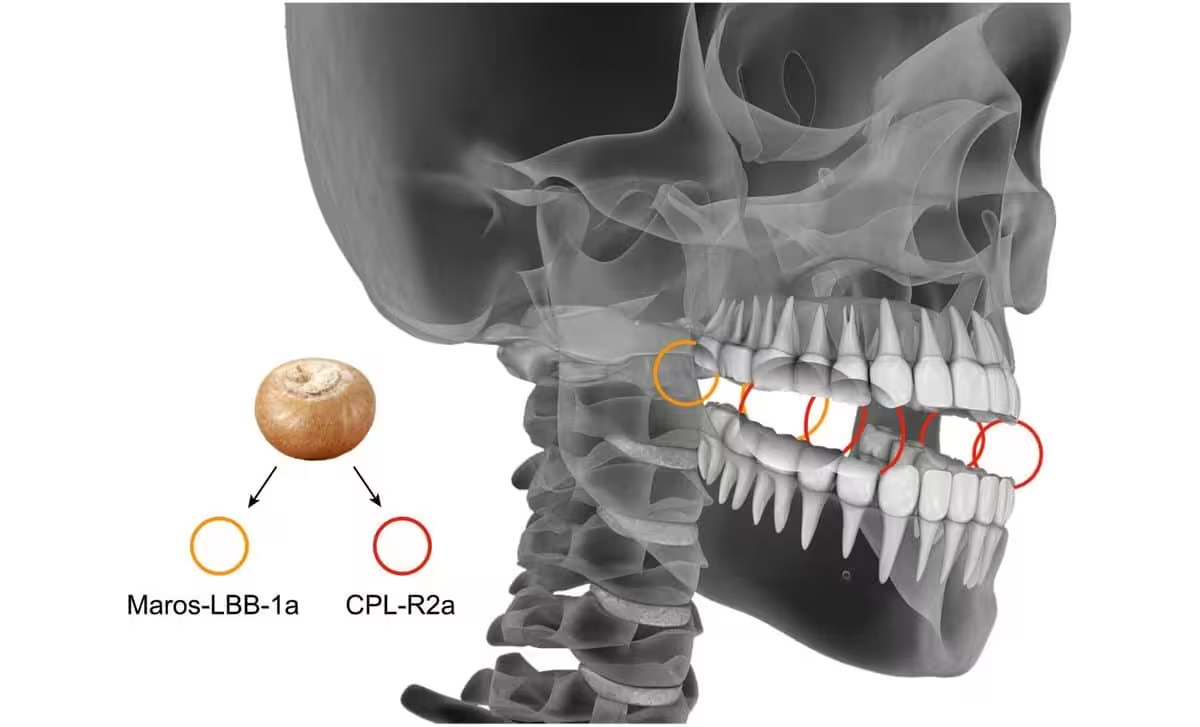
The oldest specimen, a hunter-gatherer from the Late Pleistocene era, was at least 35 years old at the time of death. Examination of the individual’s right maxilla and molars revealed signs of periodontal disease alongside specialized wear. This pattern indicates the consistent placement of a hard, spherical object at the back of the mouth, which was then manipulated repeatedly from one side to the other. The dimensions of these grooves align closely with the physical properties of a betel nut. A second individual, dating to the middle Holocene between 6,300 and 7,600 years ago, exhibited similar patterns of tooth wear and poor oral health, reinforcing the theory that these practices were established traditions.

Chemical Signatures of the Areca Palm
The observed dental trauma is consistent with the consumption of nuts from the wild areca palm, Areca catechu. Because these nuts lack nutritional value, researchers posit that their consumption was driven by the physiological response they triggered. The researchers conducted laboratory tests to determine how these nuts deliver active compounds, comparing whole nuts soaked in saline to crushed variants. Even when used whole, the nuts released sufficient quantities of arecoline, a psychoactive alkaloid, to exert a measurable effect.
Arecoline interacts with the brain’s nicotinic and muscarinic acetylcholine receptors, which regulate essential functions including memory, attention, arousal, and involuntary motor control. Scientists confirmed the presence of these psychoactive compounds by testing the ancient dental remains, which returned positive results for arecoline and other markers of the Areca catechu plant. Furthermore, tests on human acetylcholine receptors expressed in frog eggs demonstrated that water infused with whole betel nuts was sufficient to trigger neurological activity.
Managing Pain and Habituation in the Deep Past
The study suggests a cyclical relationship between the use of the nut and oral health. It is possible that prehistoric users initially turned to the areca nut to alleviate dental discomfort, but the subsequent damage caused by the practice—which includes enamel fractures, root decay, and periodontal disease—likely created a feedback loop of pain and continued consumption.
While the researchers could not definitively confirm if the tooth discoloration observed in the specimens was a direct result of betel use or environmental factors, the pattern of wear is consistent with modern clinical observations of chronic betel nut users. Ultimately, the findings offer a window into the human experience, suggesting that the struggles of substance dependence and the health consequences of long-term consumption have been present since long before the widespread adoption of other psychoactive substances like alcohol.
This article has been fact checked for accuracy, with information verified against reputable sources. Learn more about us and our editorial process.
Last reviewed on .
Article history
- Latest version
Reference(s)
- Brumm, Adam., et al. “Betel nut sucking is the earliest recorded evidence for the habitual use of a neuroactive plant drug.” Science Advances, vol. 12, no. 37, September 11, 2026 American Association for the Advancement of Science (AAAS), doi: 10.1126/sciadv.aei1901. <https://www.science.org/doi/10.1126/sciadv.aei1901>.
Cite this page:
- Posted by Zara Tariq