Archaeologists Discover 4300 Year Old Tomb Containing Mysterious Bronze Medical Tools
A royal tomb reveals more than just power; discover the mysterious artifacts buried alongside a ruler that challenge everything we knew about his life.
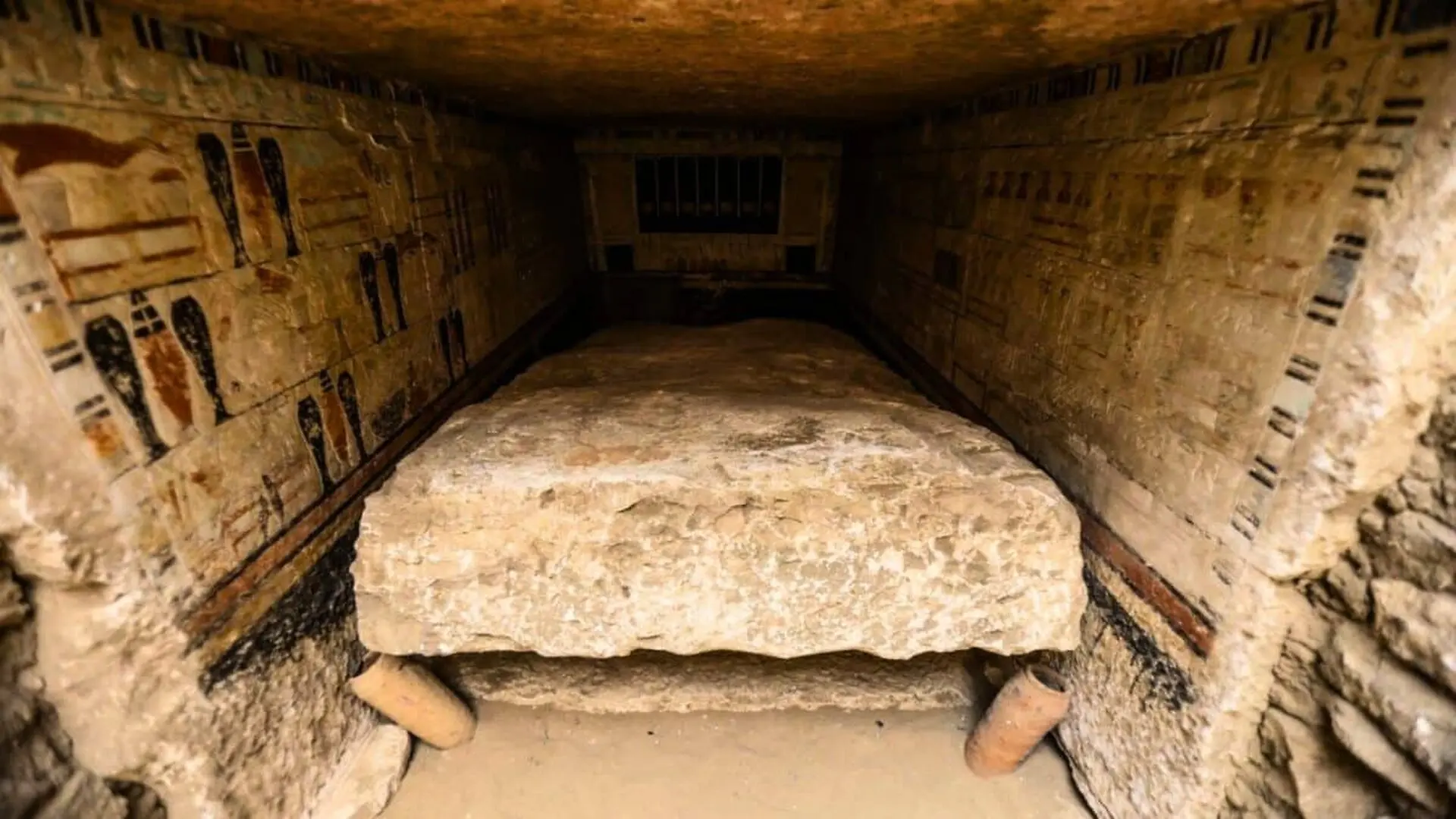
Archaeologists working in the southern reaches of Saqqara have uncovered the 4,000-year-old burial chamber of a high-ranking Old Kingdom official named Weni. The discovery, which sheds new light on the administrative and religious hierarchy of the Sixth Dynasty, includes a collection of bronze instruments that experts believe may have been used for medical purposes, despite the absence of any medical titles in the official’s extensive list of honors.
The excavation, led by Amr el-Tibi, director-general of the Saqqara antiquities area, took place within a mastaba, a traditional flat-roofed mud-brick tomb structure. During an inspection of the site on October 26, Minister of Tourism and Antiquities Sherif Fathy descended into the burial shaft to examine the findings, which were situated northwest of the pyramid of King Merenre.
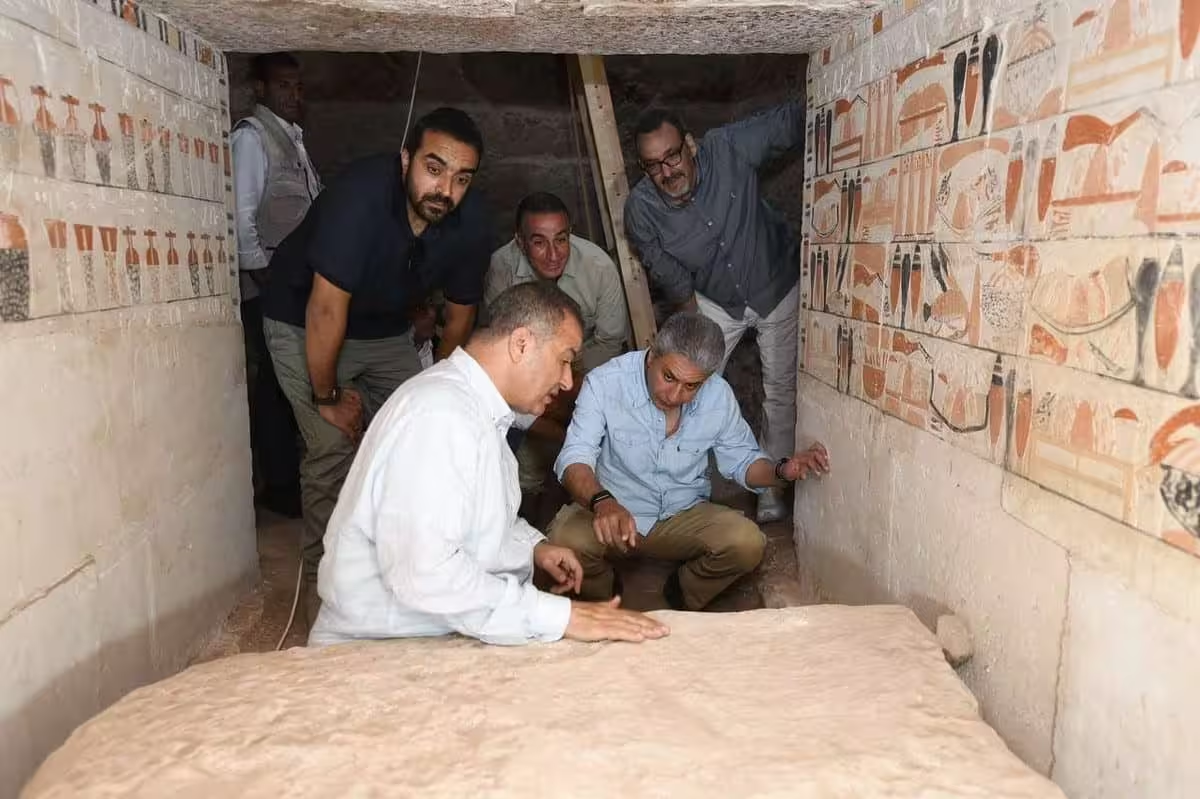
High-Ranking Titles and Cryptic Inscriptions
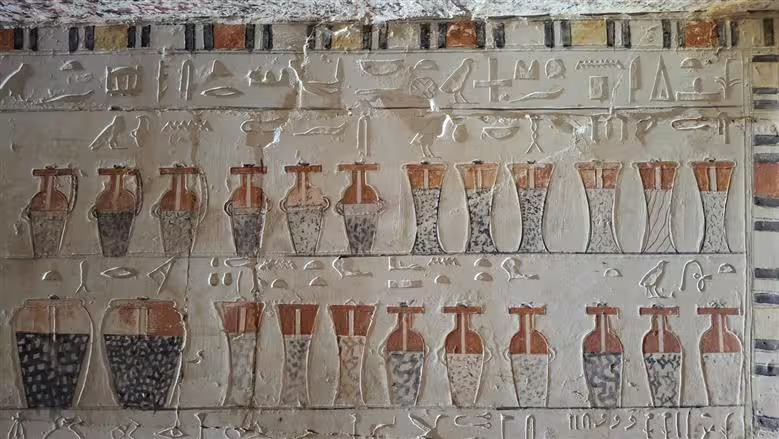
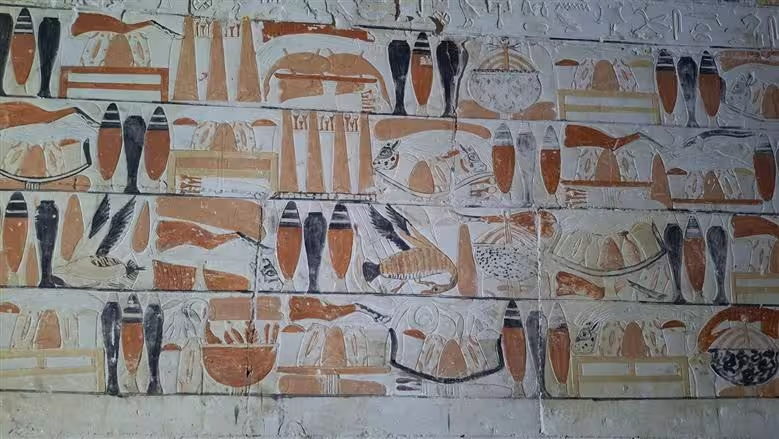
Hisham el-Leithy, secretary-general of the Supreme Council of Antiquities, noted that the burial chamber’s walls remain in remarkably good condition, allowing researchers to catalog Weni’s various roles. His inscriptions define him as a man of significant influence, holding titles such as mayor, treasurer of the king of Lower Egypt, and sole companion—a rank that afforded him direct access to the pharaoh.
Among his more distinct roles was that of a sem priest, an official responsible for funerary rituals intended to restore the senses to the deceased in the afterlife. The inscriptions also include the title “director of every kilt,” an honorific common among the elite of the Old Kingdom. These findings add to a growing corpus of discoveries near Merenre’s pyramid, which has yielded several other tombs belonging to royal officials in recent years.
An Enigmatic Cache of Instruments
The discovery of bronze implements within the burial shaft has sparked debate among archaeologists. Mohamed Abdel-Badei, head of the Egyptian antiquities sector, suggests the tools appear to be medical in nature, a rare find for a funerary context. Because Weni’s recorded titles do not explicitly mention the practice of medicine, the team is conducting further analysis to understand the significance of these items in relation to the deceased.
In addition to the tools, the team uncovered a vaulted room positioned above the burial chamber, which contained two rare wooden statues in a posture of worship. Alongside these, a stone false door was found bearing the name of a woman named Sekhet-neferti, a priestess of the goddess Hathor, further enriching the site’s historical context.
Physical Tolls of an Elite Life
Osteological analysis of Weni’s remains offers a sobering look at the physical realities of life for a high official 4,000 years ago. Weni lived past the age of 50, but his skeleton shows signs of advanced dental disease—a common ailment caused by the inclusion of sand and grit from grinding stones in the ancient Egyptian diet. Furthermore, the presence of significant skeletal strain suggests that his daily duties involved considerable physical exertion, contradicting the notion that his high status exempted him from manual labor.
Researchers have confirmed that this Weni is not to be confused with the famous “Weni the Elder,” whose extensive autobiographical inscriptions provide a detailed account of the reign of King Merenre. Weni the Elder was interred at Abydos, a site discovered by Janet Richards in 1999. The current mission at Saqqara continues to study the architectural and linguistic features of this new tomb to better understand how the mastaba was utilized and maintained throughout its history.
This article has been fact checked for accuracy, with information verified against reputable sources. Learn more about us and our editorial process.
Last reviewed on .
Article history
- Latest version
Cite this page:
- Posted by Zara Tariq