For 31 Years Kodak Kept a Secret Nuclear Device Hidden in a Basement Laboratory
Hidden beneath Kodak’s labs, a secret Cold War-era nuclear reactor used neutron radiography to see what X-rays couldn’t. Discover its strange history.
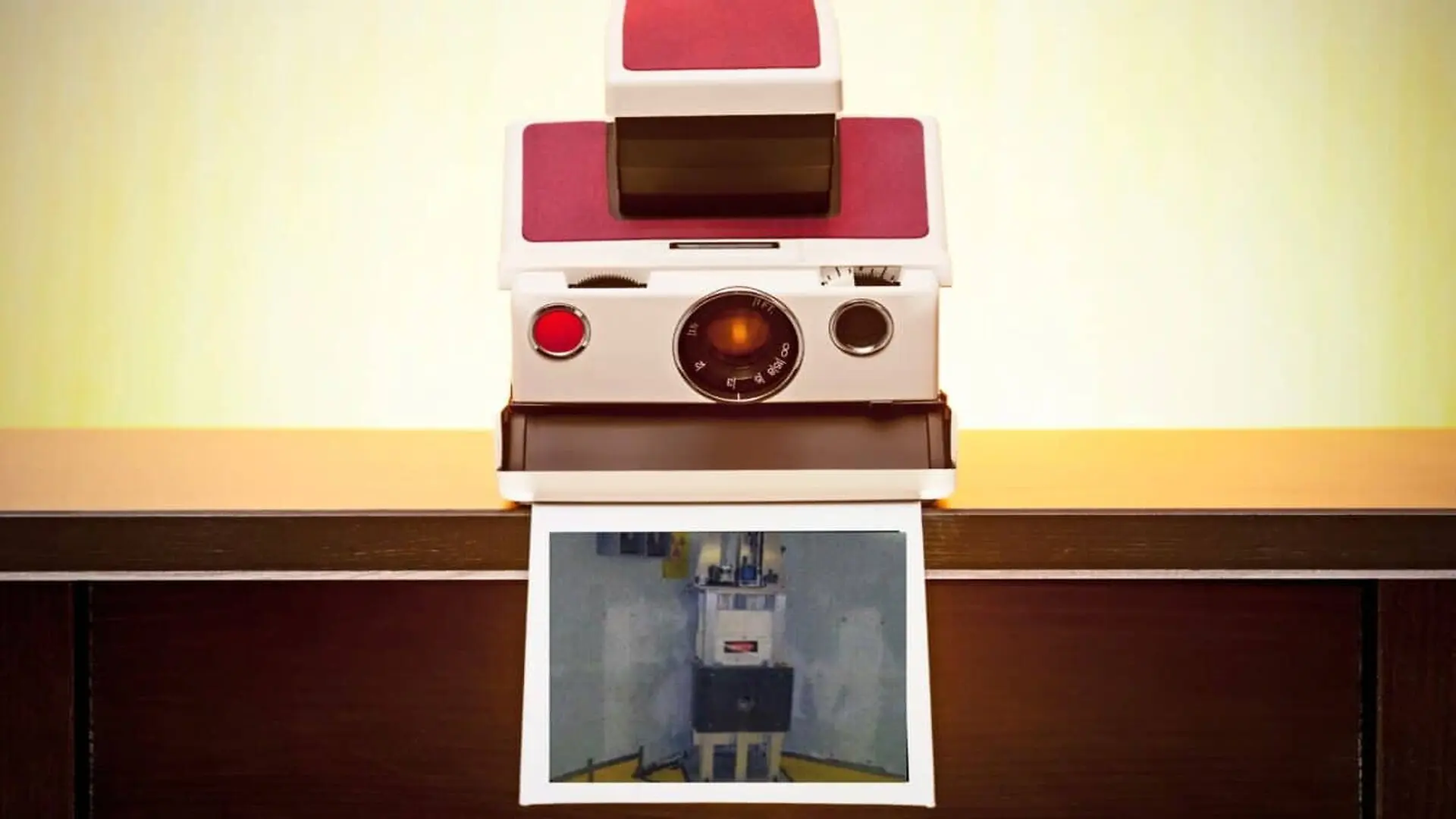
For more than three decades, a specialized piece of nuclear research equipment sat quietly within the confines of a Kodak research facility in Rochester, New York. Known as a californium neutron flux multiplier (CFX), the device functioned as a sophisticated laboratory tool, using a blend of radioactive isotopes and highly enriched uranium to produce a stable neutron beam for industrial imaging and material analysis. While its presence was legally permitted and subject to federal oversight, the machine remained virtually unknown to the public until long after its decommissioning.
Advanced Imaging Behind Thick Concrete Walls
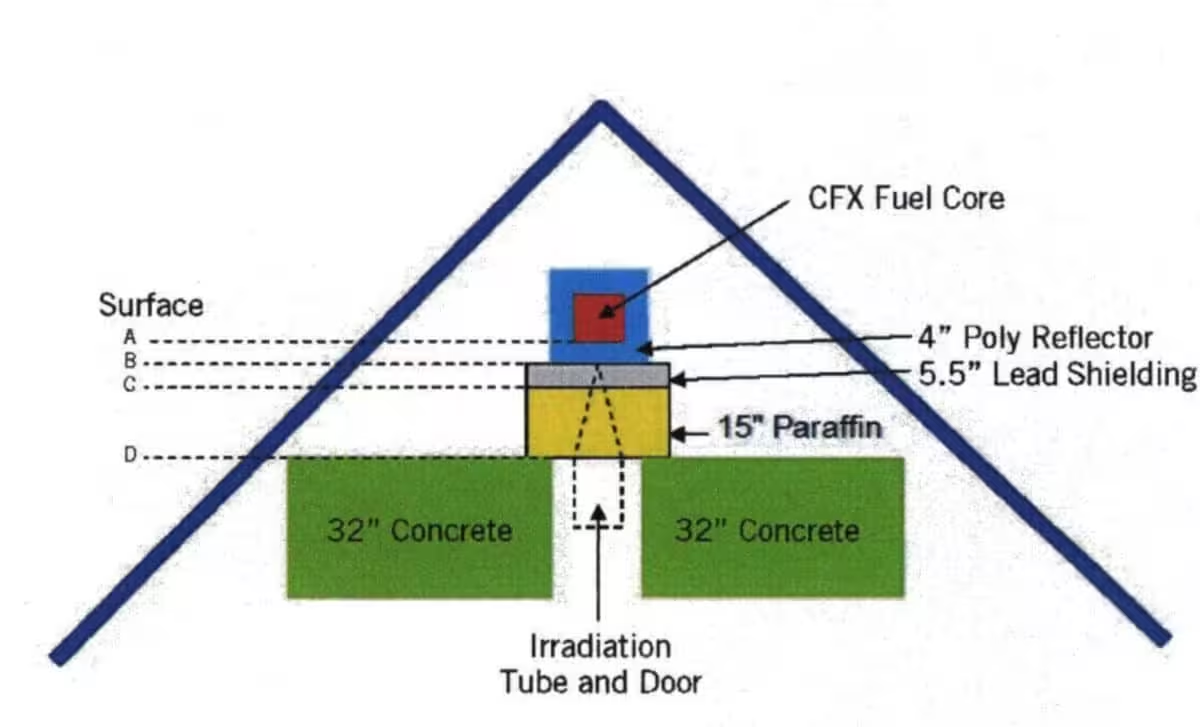
Installed in 1975, the CFX was housed in a reinforced basement laboratory protected by two-foot-thick walls. Despite its modest size—roughly comparable to a standard refrigerator—the machine served as a critical asset for Kodak’s research into chemical compounds and photographic materials. As detailed by Popular Mechanics, the device facilitated two primary investigative techniques: neutron activation analysis and neutron radiography.
Neutron activation analysis allowed researchers to determine the precise chemical composition of materials by exposing samples to a neutron stream. This process turned specific atoms into radioactive isotopes, which then emitted gamma rays that could be measured to identify the elements present. Complementing this, neutron radiography provided a unique form of internal imaging. While traditional X-rays interact with electrons to highlight dense structures, neutrons interact with atomic nuclei, allowing researchers to visualize lighter substances such as water or delicate film components that would otherwise remain obscured in standard X-ray imaging.
The Physics of the Flux Multiplier
The operational core of the system relied on the spontaneous fission of roughly 3.1 milligrams of californium-252. Because this isotope is prohibitively expensive, designers surrounded it with 52 plates of highly enriched uranium. This configuration acted as a multiplier, where neutrons emitted by the californium would strike the uranium plates, triggering additional fission events and significantly boosting the total neutron output—sometimes by as much as 30 times—without ever reaching the point of a self-sustaining chain reaction.
Unlike a conventional nuclear power plant, the CFX was inherently subcritical. If the primary californium source were removed, the fission process would immediately cease. To maintain its effectiveness, Kodak replaced the radioactive californium source approximately every seven years, ensuring the system functioned safely as a specialized research instrument under strict regulatory guidelines.
A Post-Cold War Security Revelation
The machine remained in service until 2006. Its removal in 2007 brought the facility under renewed scrutiny, primarily due to the approximately 3.5 pounds of highly enriched uranium contained within the fuel plates. While this amount was far below the quantity required for a nuclear device, the presence of weapons-grade material at a private corporate site became a focal point of public concern when reports emerged years later.
The Department of Energy managed the delicate process of dismantling the system and transporting the uranium to a secure federal location. Beyond the fuel itself, crews had to address the surrounding laboratory environment, as decades of neutron exposure had caused some concrete structures to become activated with radioactive isotopes. Once the room was cleared and declared safe, the building was eventually sold.
By the time the story reached national news outlets in 2012, the cultural context of nuclear research had shifted significantly. During the era of the machine’s installation, it was not uncommon for major industrial firms and universities to operate nuclear-based research equipment. The Kodak CFX stands as a reminder of a period in which private entities played an active, regulated role in the exploration of nuclear physics for industrial innovation.
This article has been fact checked for accuracy, with information verified against reputable sources. Learn more about us and our editorial process.
Last reviewed on .
Article history
- Latest version
Reference(s)
- Allyn, Matt. “Kodak Ran a Secret Nuclear Device in Its Basement for Decades. It Was a Scientific Marvel..”, October 16, 2026 Popular Mechanics <https://www.popularmechanics.com/science/energy/a74163543/kodak-secret-nuclear-reactor/>.
- <https://www.nrc.gov/docs/ML0715/ML071570340.pdf>.
- Staff, Life's. “Kodak had a 'Secret' Nuclear Reactor.”, May 14, 2012 NBC News, doi: PropertyValue. <https://www.nbcnews.com/id/wbna47417980>.
Cite this page:
- Posted by Zara Tariq