Rare Bronze Age Discovery In Scotland Reveals Long Lost Metalworking Secrets
A routine metal detecting discovery in Scotland is fueling a mystery, suggesting two famous ancient treasures may be linked by a single, shared history.
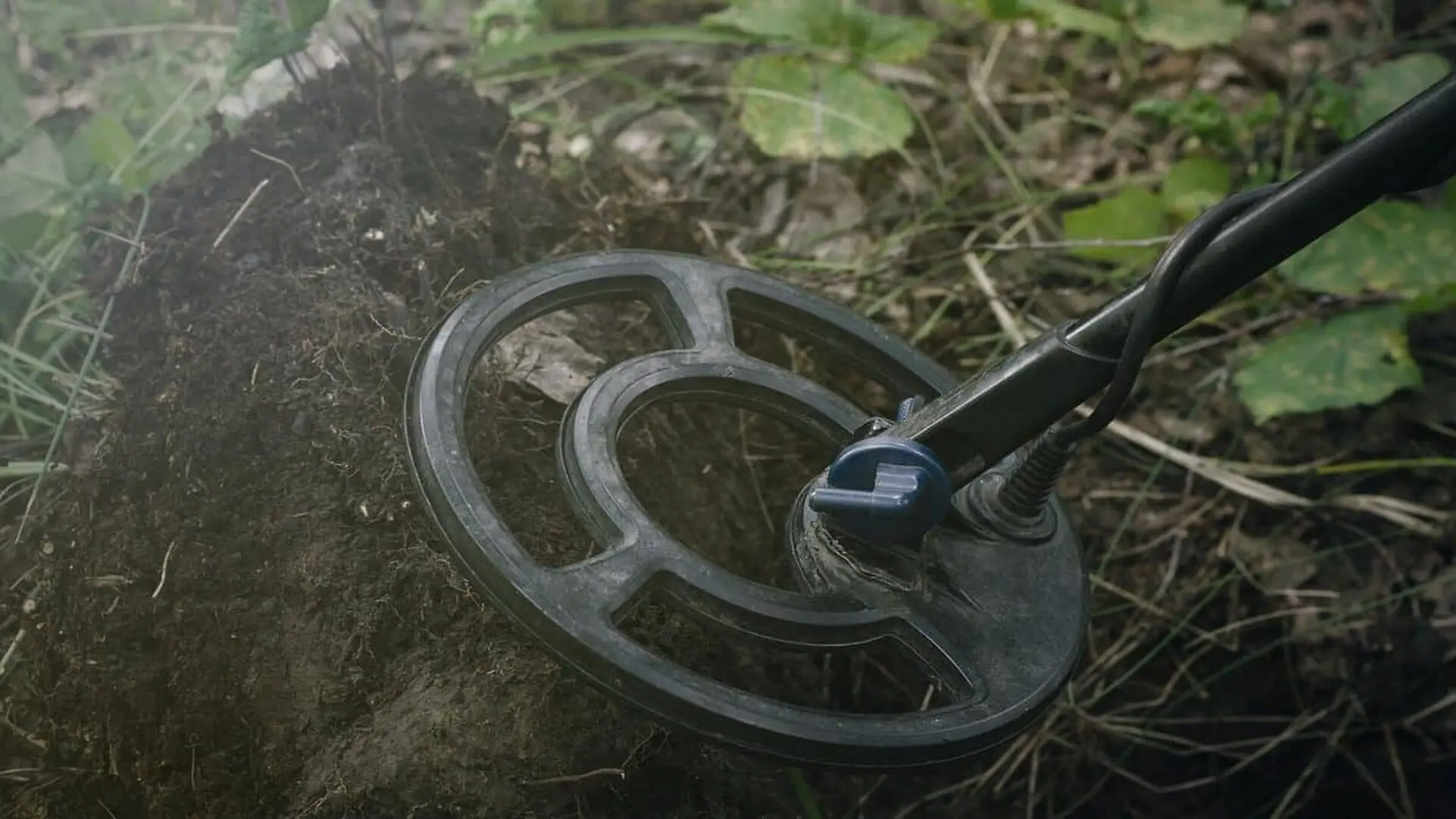
An amateur metal detectorist’s routine search in the Scottish Borders has unearthed a cache of 3,000-year-old relics that could rewrite our understanding of Bronze Age craftsmanship. The discovery, made in 2022 near the village of Blyth Bridge, centers on a collection of bronze axes and, more significantly, rare clay casting molds that appear to solve a long-standing archaeological mystery.
Mariusz Stepien, the detectorist who located the cache, initially flagged a signal indicating a bronze axe head beneath a stone cairn. Upon notification, the Treasure Trove Unit and experts from National Museums Scotland excavated the site, recovering a suite of artifacts dating back to between 1150 and 800 BCE.
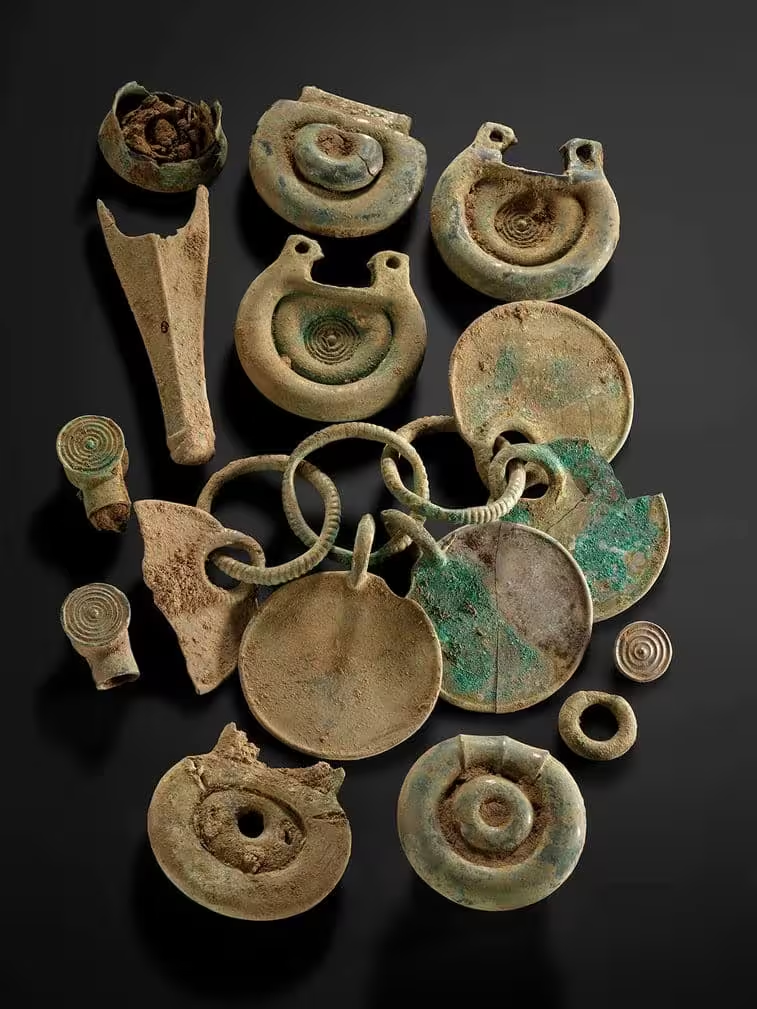
The findings take on added importance due to a previous discovery made by Stepien just two years earlier. In 2020, he unearthed the Peebles Hoard, a massive collection of Bronze Age items located only seven miles away. That collection contained a series of enigmatic bronze fittings that had baffled researchers until now. Preliminary analysis suggests the newly found clay molds may be the missing link, potentially serving as the very tools used to manufacture the mysterious Peebles artifacts.
Unveiling Lost Manufacturing Techniques
While bronze axes and copper ingots are traditional staples of Bronze Age site finds, the inclusion of clay casting molds is exceptionally rare. These fragile materials rarely survive the passage of millennia in the soil. According to National Museums Scotland, the structural dimensions of these molds align with the peculiar fittings discovered in the Peebles Hoard.
Dr. Matthew Knight, curator of prehistory and Bronze Age collections at the museum, noted that while the artifacts might appear modest to the untrained eye, their implications are profound. The geographic proximity and technical correlation suggest that a single, highly skilled metalworker or workshop may have been responsible for the production of both hoards.
Evidence of Sophisticated Trade Networks
The discovery also includes a complete copper ingot, a significant find as it represents the first of its kind identified in Scotland. Previously, such raw metal ingots had only been documented in southern Britain. The presence of this ingot indicates that communities in the Scottish Borders 3,000 years ago were not solely reliant on recycling old scrap metal, but had access to a steady supply of fresh, raw material from trade networks.
Further analysis of the artifacts reveals a advanced metallurgical understanding. Several bronze pieces exhibit a silvery sheen, a deliberate aesthetic effect achieved by modern researchers’ hypothesis of a surface-enrichment process involving high tin concentrations.
The Ritual or Practical Cache
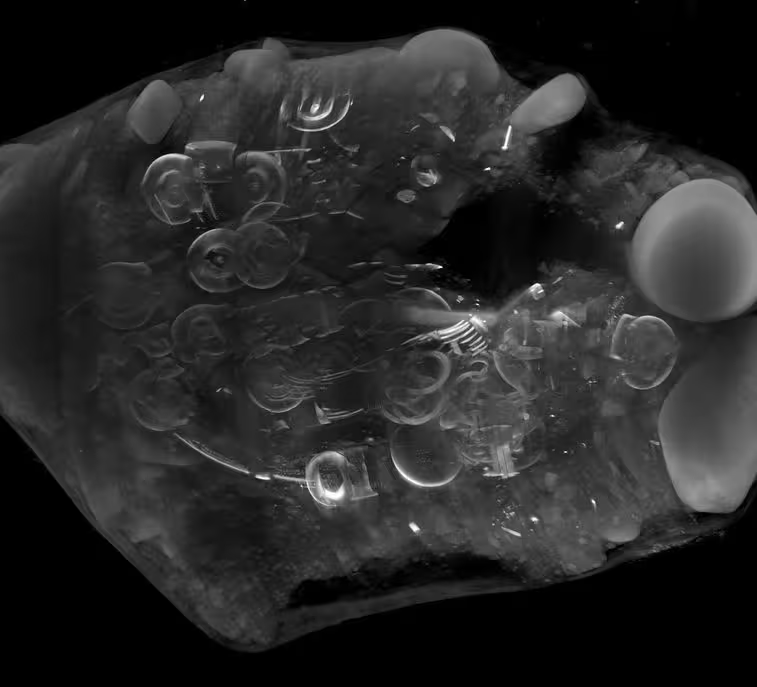
The intentional placement of these items within a stone cairn, accompanied by traces of burnt material, suggests the site served as a workspace or a ritual repository for a Bronze Age smith. The mixture of raw copper, tools, and casting equipment provides a rare, tangible snapshot of a prehistoric workshop.
Reflecting on the discovery, Stepien expressed astonishment at the potential connection between his two major finds. As conservation efforts continue, museum staff hope that more detailed imaging and material study will confirm whether these molds were indeed the instruments behind the ornate fittings that continue to intrigue historians.
This article has been fact checked for accuracy, with information verified against reputable sources. Learn more about us and our editorial process.
Last reviewed on .
Article history
- Latest version
Reference(s)
- “'Extraordinary' Bronze Age find in the Scottish Borders | National Museums Scotland News.”, October 7, 2026 National Museums Scotland News <https://media.nms.ac.uk/news/extraordinary-bronze-age-find-in-the-scottish-borders>.
Cite this page:
- Posted by Zara Tariq