Lost Roman Sculpture Found Beneath Ancient House Identifies Forgotten Woman of Influence
A marble head found in Crimea has been identified as the influential Laodice, a woman who likely helped her city navigate Roman rule centuries ago.
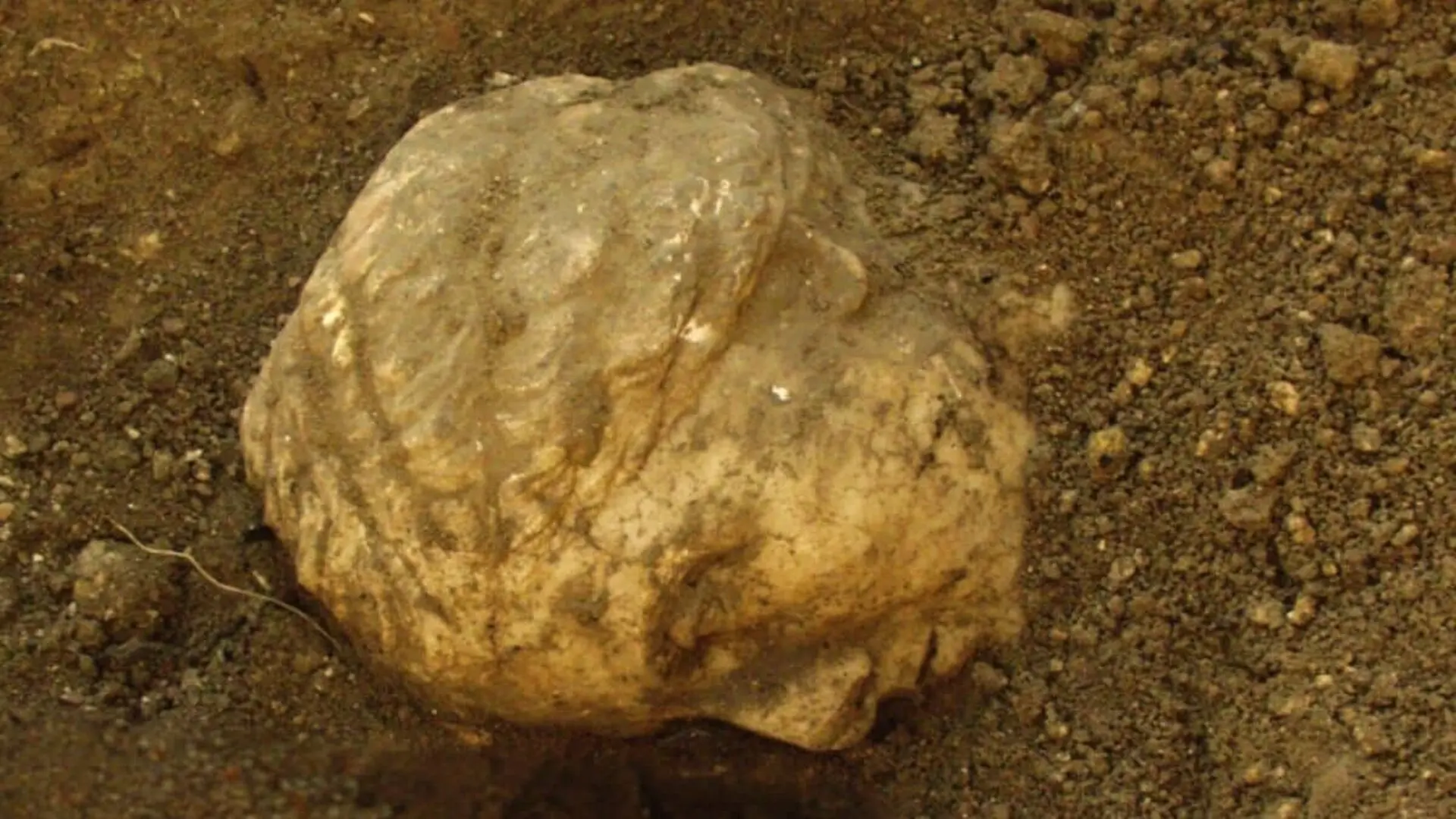
A marble portrait unearthed more than two decades ago at the ancient Greek site of Chersonesos Taurica, near present-day Sevastopol, has finally been linked to a prominent noblewoman from the second century A.D. By synthesizing archaeological data, chemical analysis, and historical epigraphy, researchers have identified the bust as a likeness of Laodice, a woman of significant social standing in a city navigating the complex political landscape of the Roman Empire.
The findings, detailed in a study published in npj Heritage Science, suggest that the sculpture was once part of a larger, two-meter-tall monument erected to celebrate local elite influence during a period of intense diplomatic maneuvering with Rome.
Uncovering a Forgotten Aristocrat
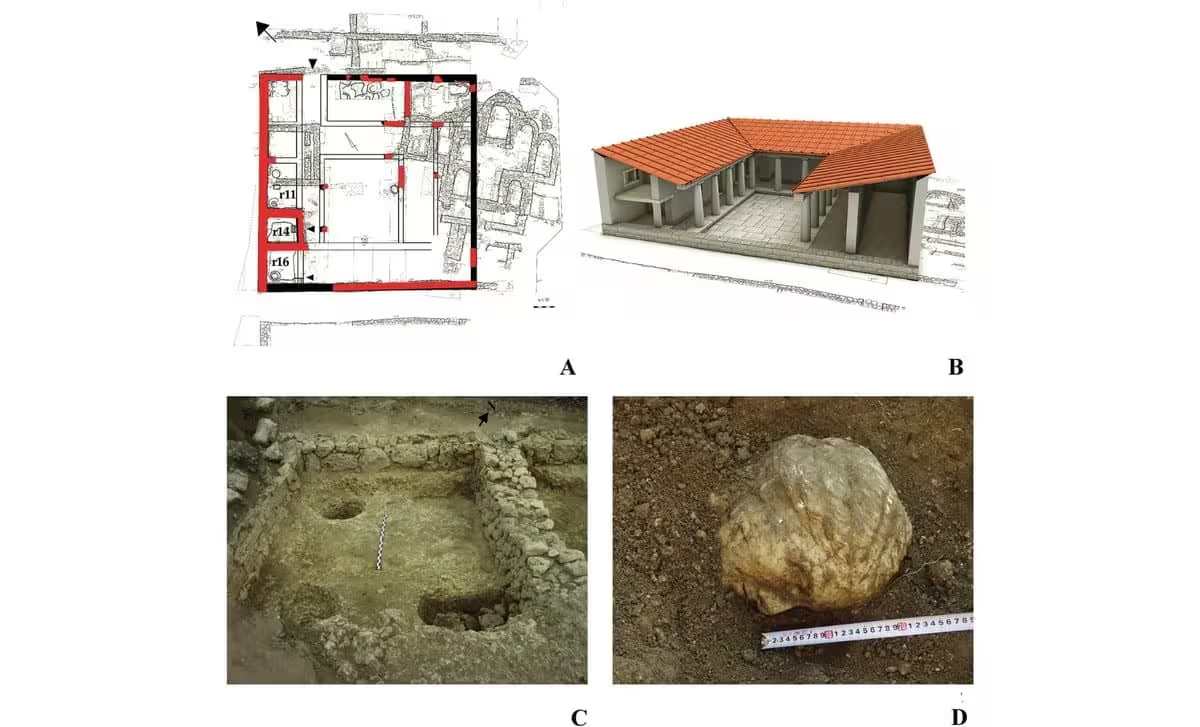
The discovery began in 2003 during a joint Ukrainian-Polish archaeological expedition led by Elena Klenina and Andrzej B. Biernacki. Excavating a large, 718-square-meter residential structure located near the city’s civic center and agora, the team recovered the marble head from a semi-subterranean room that had been deliberately filled during structural renovations in the second century A.D.
Radiocarbon dating of organic material within the residence established that the building underwent significant modifications between 60 and 240 A.D. The portrait was found alongside pottery and a ceramic altar depicting the deities Apollo and Artemis, confirming its context within the Roman-era history of the site.
Material and Artistic Craftsmanship
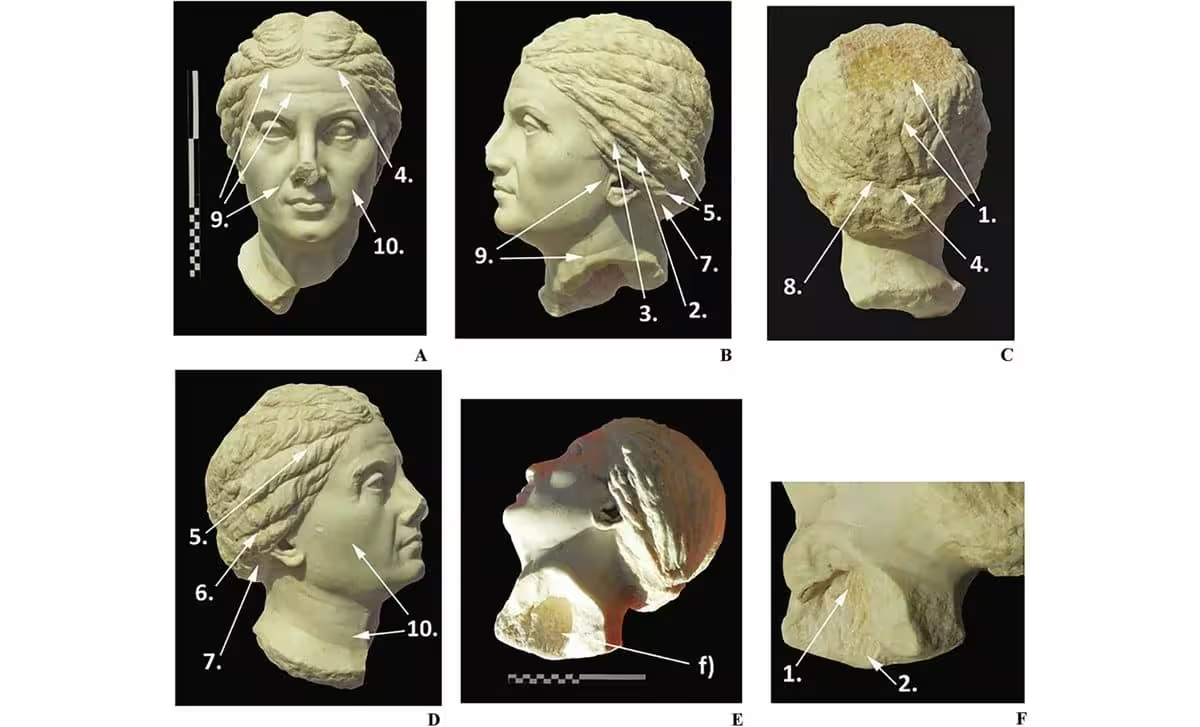
Scientific testing confirmed the sculpture was carved from high-quality lychnite marble sourced from the Greek island of Paros, a material prized in antiquity for its luminous quality. Measuring 385 millimeters in height, the head shows signs of intentional damage to the nose and eyes, likely sustained before its burial. Analysis of the carving techniques revealed the use of eleven distinct tools, while traces of iron compounds and red pigment suggest the sculpture was originally painted, consistent with classical artistic conventions.
The portrait itself reflects a sophisticated blend of styles. While it maintains the idealized realism common in Roman portraiture, the subject’s hairstyle mimics fashion trends prevalent among the elite during the Antonine period, firmly dating the piece to the middle of the second century A.D.
Connecting the Portrait to Civic Power
The breakthrough in identifying the subject arrived through an inscribed pedestal housed at the Archaeological Museum in Odessa. The text identifies a woman named Laodice, daughter of Heroxenos and wife of Titus Flavius Parthenokles—a man of significant local standing whose family attained Roman citizenship under Emperor Vespasian. Given that her husband held prestigious titles, including first archon and member of the city council, researchers believe the statue was a public tribute to her status.
The statue’s placement and scale suggest it occupied a niche in a public space, possibly serving as a monument to Chersonesos’ political aspirations. During this era, the city was actively lobbying Rome for eleutheria, or autonomous freedom. Following an unsuccessful diplomatic mission in the late 130s A.D., the city eventually secured the status under Emperor Antoninus Pius, as evidenced by coinage minted in the 140s A.D. bearing the title of a free city.
While the exact nature of Laodice’s contribution to these political milestones remains undocumented, her commemoration suggests she was a figure of considerable influence. The discovery serves as a vital record of how elite women were integrated into the public and political fabric of Roman-associated settlements, bridging the gap between cold stone and the complex history of ancient civic life.
This article has been fact checked for accuracy, with information verified against reputable sources. Learn more about us and our editorial process.
Last reviewed on .
Article history
- Latest version
Reference(s)
- Klenina, Elena. “An interdisciplinary study of an unknown Roman matron’s sculpture portrait from Chersonesos Taurica - npj Heritage Science.”, vol. 13, no. 1, August 14, 2025, pp. 400 Nature, doi: 10.1038/s40494-025-01975-6. <https://www.nature.com/articles/s40494-025-01975-6>.
- “Elena Klenina - Search Results - PubMed.” PubMed <https://www.ncbi.nlm.nih.gov/entrez/query.fcgi?cmd=search&term=Elena%20Klenina>.
Cite this page:
- Posted by Zara Tariq