Divers Recover Rare Artifacts From The Sunken Wreck Of Titanic’s Sister Ship
A mysterious ship and a collection of rare objects are finally emerging from secrecy. Discover the strange and unexpected story behind these hidden artifacts.
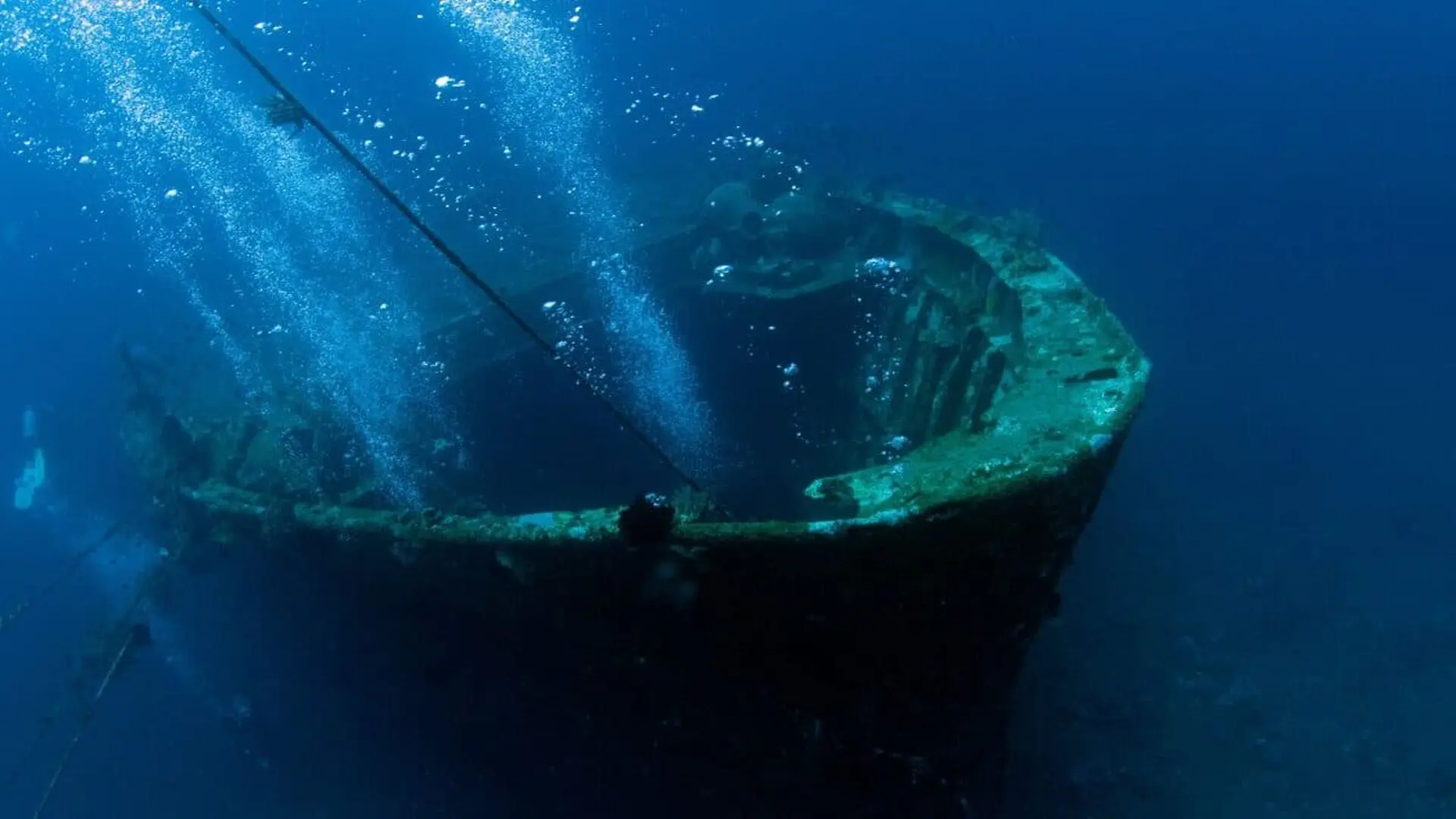
A specialized team of divers has successfully retrieved a collection of historical artifacts from the wreck of the Britannic, the ill-fated sister ship to the Titanic. Resting approximately 400 feet below the surface near the Greek island of Kea, the wreckage has long served as a challenging site for underwater exploration due to its extreme depth and hazardous currents.
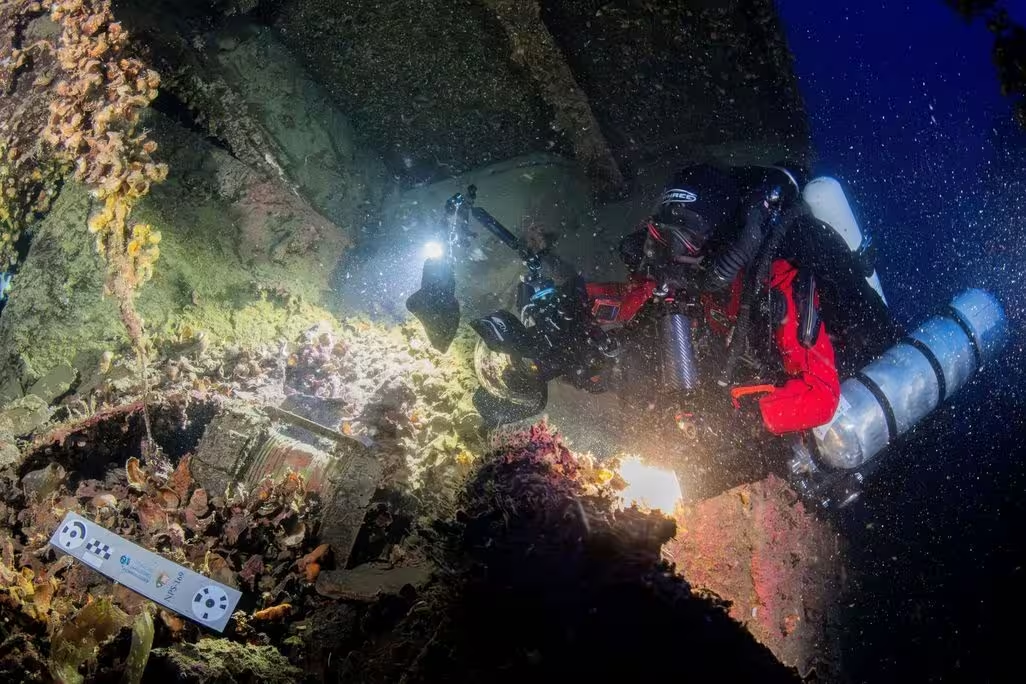
The week-long recovery operation, which received formal authorization from the Greek Ministry of Culture, brought several significant pieces to the surface, including the vessel’s lookout bell, port navigation lamp, and distinctive tiles from the ship’s Turkish bath facilities. These items, along with personal effects such as a porcelain sink and a pair of binoculars discovered in second-class quarters, offer a poignant window into the final days of the massive hospital ship.
Navigating the Depths of a Maritime Grave
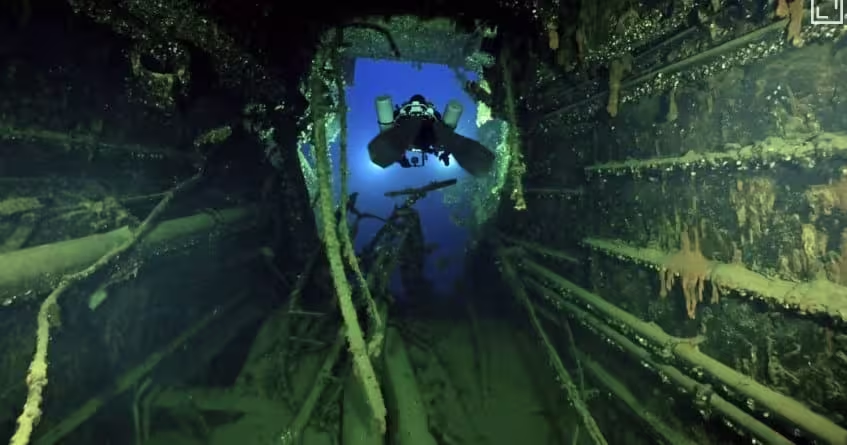
Located roughly 45 miles southeast of Athens, the Britannic remains a formidable destination for even the most experienced technical divers. An 11-member team navigated the site this past spring, contending with limited visibility and unstable interior conditions. Utilizing closed-circuit rebreathers, the team carefully documented and recovered the items, though they noted that the advanced state of decay in certain areas of the hull made some potential artifacts impossible to retrieve safely.
Following their retrieval, the artifacts were transported to Athens for immediate conservation at the Department of Underwater Antiquities. According to reporting from Kathimerini, these objects are currently being stabilized and prepared for permanent public exhibition at the upcoming National Museum of Underwater Antiquities in Piraeus.
From Luxury Liner to War-Time Casualty
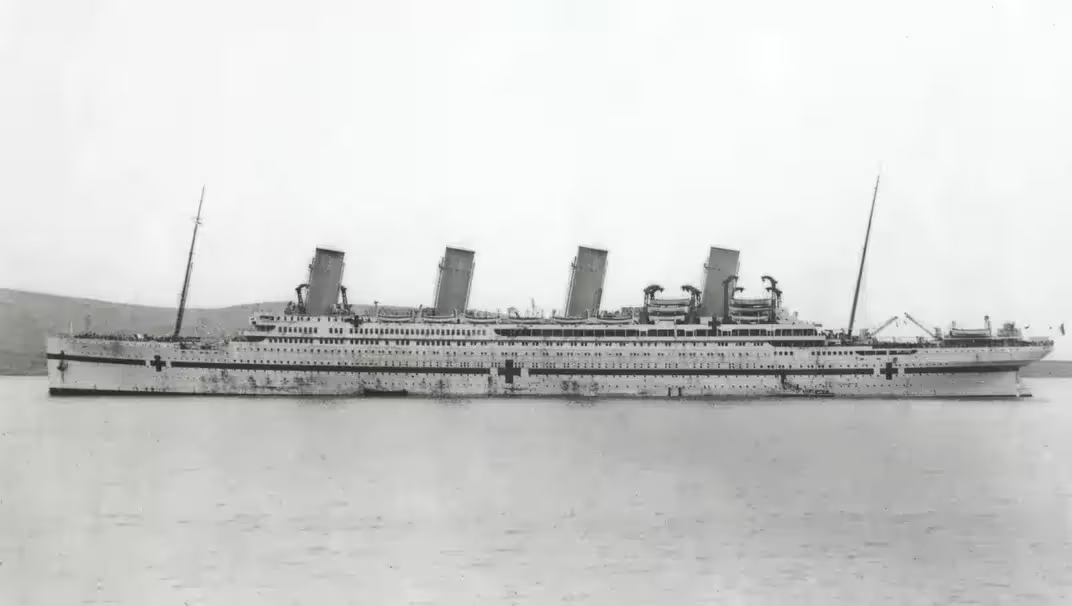
The Britannic was originally constructed as an Olympic-class liner for the White Star Line, intended to represent the height of early 20th-century luxury. However, the onset of World War I saw the vessel repurposed as a hospital ship for the British Royal Navy. Its service was cut tragically short in November 1916, when it struck a German naval mine while traversing the Aegean Sea.
The ship sank in under an hour, a disaster that claimed 30 lives among the 1,065 people on board, many of whom perished when lifeboats were drawn into the rotation of the ship’s propellers during the descent. As noted by Popular Mechanics, the vessel’s rapid destruction left behind a haunting time capsule on the seafloor. The items now slated for display—ranging from everyday porcelain to navigation equipment—provide a tangible connection to the history of the vessel and the lives lost in its final hour.
This article has been fact checked for accuracy, with information verified against reputable sources. Learn more about us and our editorial process.
Last reviewed on .
Article history
- Latest version
Reference(s)
- Newsroom, “«Βρετανικός»: Τι ανέσυραν ερευνητές 109 χρόνια από το ιστορικό ναυάγιο.”, September 15, 2025 Η Καθημερινή <https://www.kathimerini.gr/society/563813677/vretanikos-ti-anesyran-ereynites-109-chronia-apo-to-istoriko-nayagio/?ic_source=internal&ic_medium=recommendations&ic_campaign=recommendations_category_most_recent>.
- Newcomb, Tim. “Divers Explored the Titanic’s Sunken Sister Ship—and It’s Incredible.”, September 29, 2025 Popular Mechanics <https://www.popularmechanics.com/science/archaeology/a68040716/titanics-sunken-sister-ship/>.
Cite this page:
- Posted by Vikram Desai