Archaeologists Discover Massive Ancient Mint That Produced More Than Just Bronze Coins
Archaeologists have uncovered evidence of large-scale minting at Corent, revealing new details about Arvernian coin production before the Roman conquest.
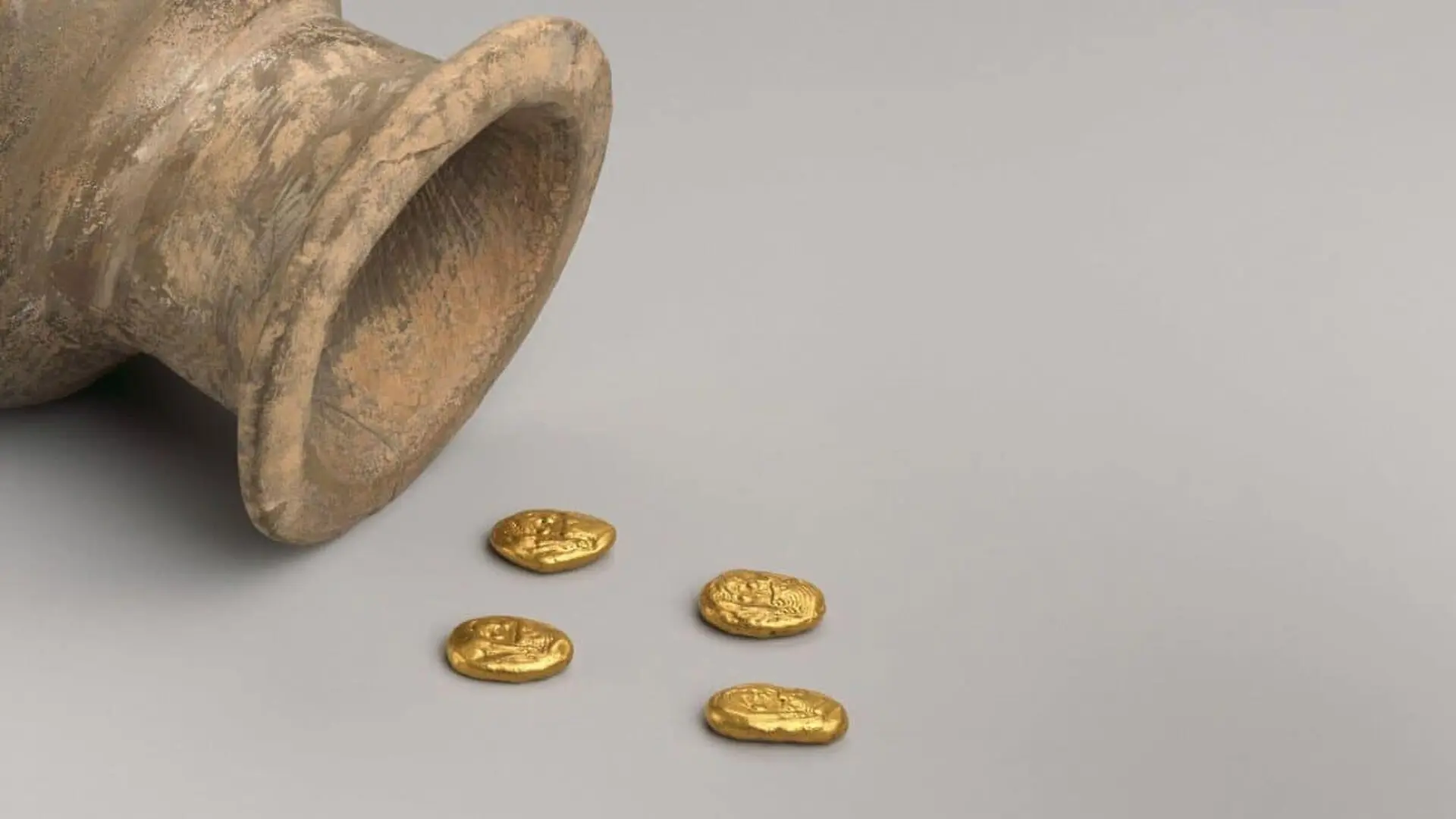
Archaeologists working at the Corent site in France have uncovered evidence of a massive, sophisticated minting operation that could redefine our understanding of economic power in Celtic Europe. After two decades of systematic excavation at the 5,000-square-foot site, researchers have shifted their perspective from viewing Corent as a location for modest bronze coin production to identifying it as a major industrial hub capable of striking gold and silver currency.
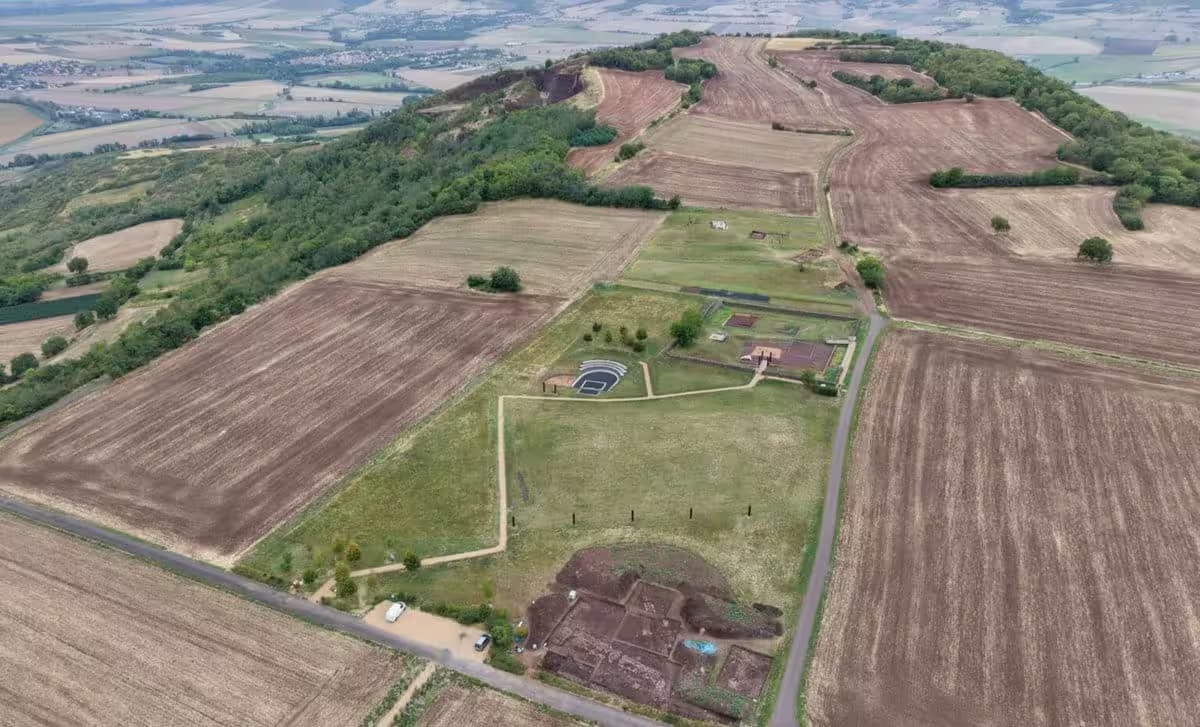
An Industrial Scale Beyond Previous Estimates
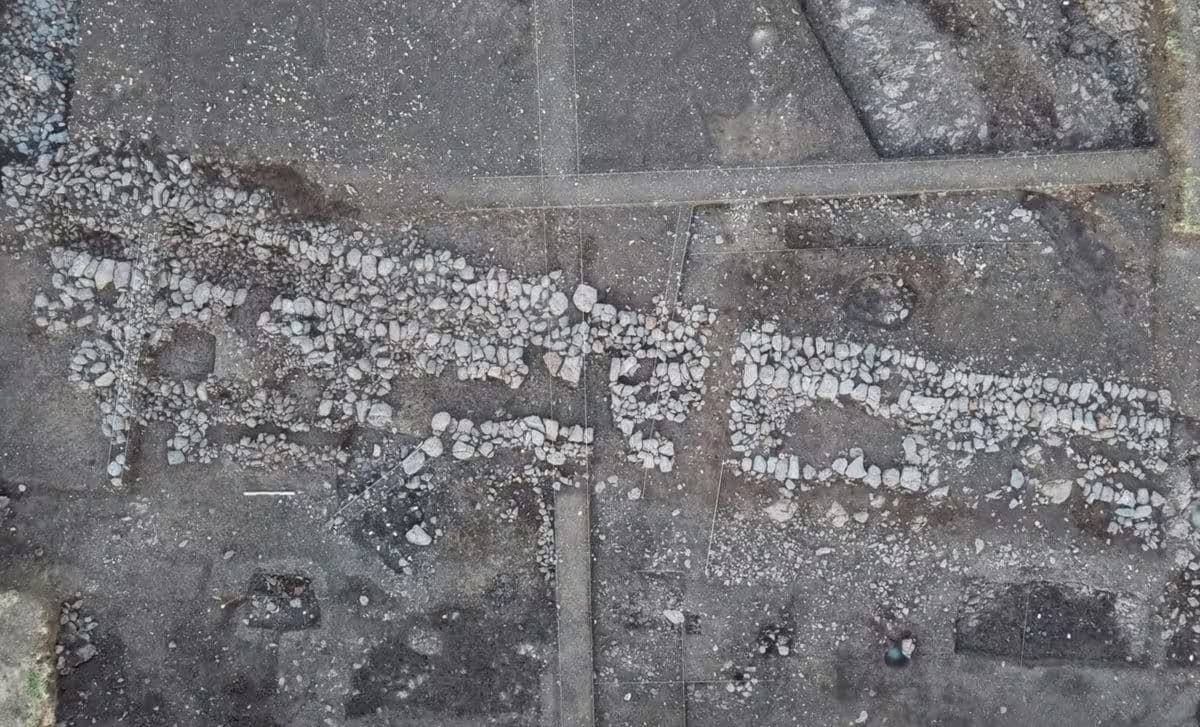
The site, already known for its sanctuary, assembly halls, and workshops, yielded significant breakthroughs during the 2024 and 2026 field seasons. Excavators discovered coin blanks, fragments of coin dies, and metalworking waste near a stone wall nearly two feet thick. While early findings suggested limited bronze production, the most recent evidence confirms the site was actively processing precious metals.
Matthieu Poux, lead researcher from Lumière University Lyon 2, stated that the scale of the facility likely makes it the most significant coin-producing workshop discovered in the ancient world, including all of Celtic Europe. This massive minting infrastructure appears to have been in full operation in the years leading up to the Gallic Wars, which began in 58 B.C.E.
Evidence of High-Value Coinage
A key piece of evidence is a lead disc recovered in 2026, which features clear impressions from coin punches. These markings depict a horse, a rider, a wheel, and a human head—iconography that directly matches known Arvernian staters, the high-value gold and silver coins utilized in ancient Celtic trade. Experts believe this lead disc functioned as a test piece, allowing minters to verify the aesthetic quality of their designs before applying them to expensive gold or silver blanks.
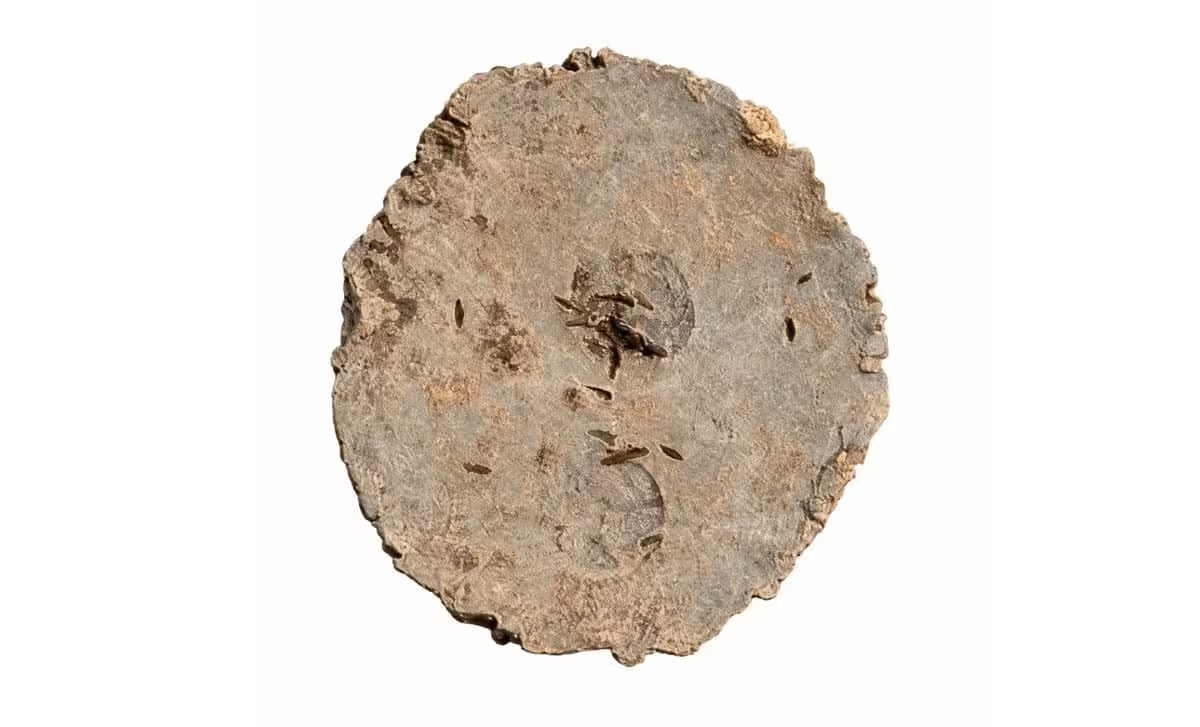 1200w, https://indiandefencereview.com/wp-content/uploads/2026/10/lead-testing-disc-found-at-corent-in-2026-bearing-impressions-from-coin-punches-associated-with-an-arvernian-stater-420x255-1.jpg 420w, https://indiandefencereview.com/wp-content/uploads/2026/10/lead-testing-disc-found-at-corent-in-2026-bearing-impressions-from-coin-punches-associated-with-an-arvernian-stater-520x315-1.jpg 520w“ sizes=”(max-width: 1200px) 100vw, 1200px">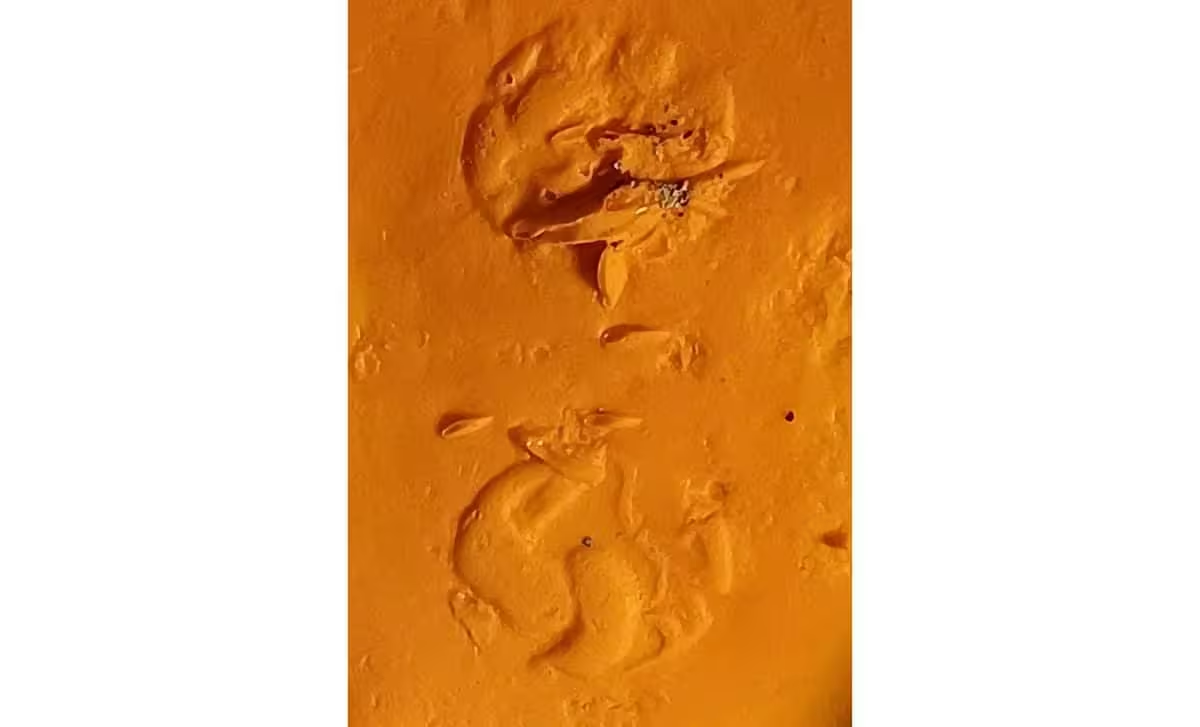
Refining the Narrative of Pre-Roman Gaul
The discovery of furnaces, significant water access, and large piles of flint near the workspace suggests an integrated production line. Flint and salt were essential components in the chemical processing of raw materials for metal refinement. Researchers hypothesize that the mint did not just strike coins but actively refined the precious metals on-site.
Establishing Corent as a major metallurgical and economic center challenges traditional views of Gallic society. If confirmed, this site would signify that the Arverni tribe maintained a massive, central hub of economic power, potentially serving as the political or financial capital of the region before the Roman conquest. As studies continue, the team remains focused on uncovering further proof of this large-scale production, which promises to reshape the history of the ancient Celtic economy.
This article has been fact checked for accuracy, with information verified against reputable sources. Learn more about us and our editorial process.
Last reviewed on .
Article history
- Latest version
Reference(s)
- 2, Webmestre. “Université Lumière Lyon 2.” Université Lumière Lyon 2 <https://www.univ-lyon2.fr/>.
- “Plateau de Corent - Clermont Auvergne Volcans.”, October 18, 2026 Clermont Auvergne Volcans <https://www.clermontauvergnevolcans.com/en/pages/plateau-de-corent/>.
Cite this page:
- Posted by Vikram Desai