Ancient Greek Elites Wore Jewelry Forged From Extraterrestrial Metal 3000 Years Ago
Ancient Greek elite burials hid a 3,000-year-old secret. Scientists used portable scanners and chemical analysis to reveal what was buried with the dead.
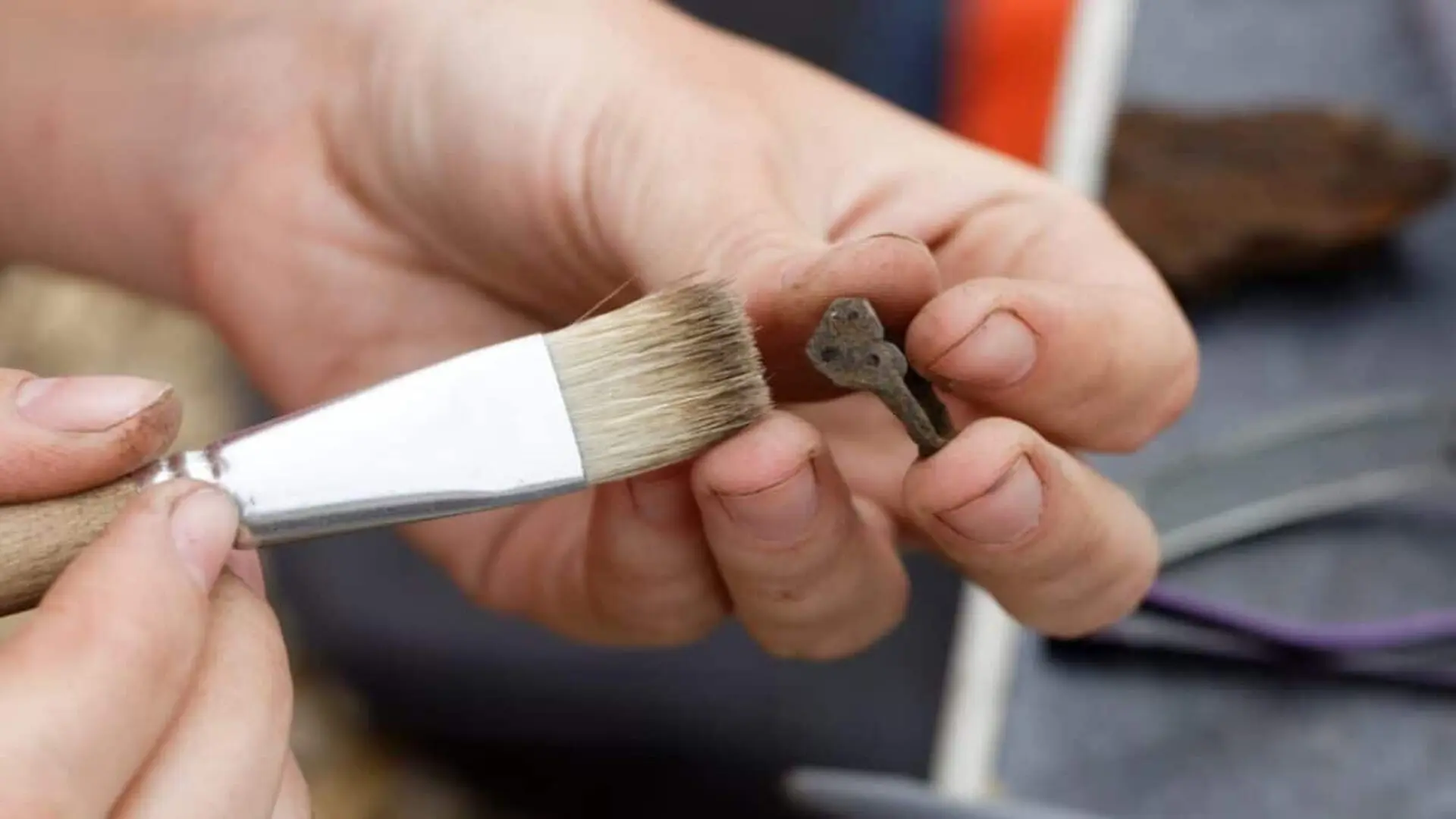
Archaeologists examining ancient burial sites across Greece and Crete have made a striking discovery: roughly one-third of the iron jewelry recovered from these elite tombs was forged from metal that originated in space. This revelation, published in the Journal of Archaeological Science, sheds new light on the symbolic and material value of extraterrestrial iron in the Mediterranean during the Bronze Age.
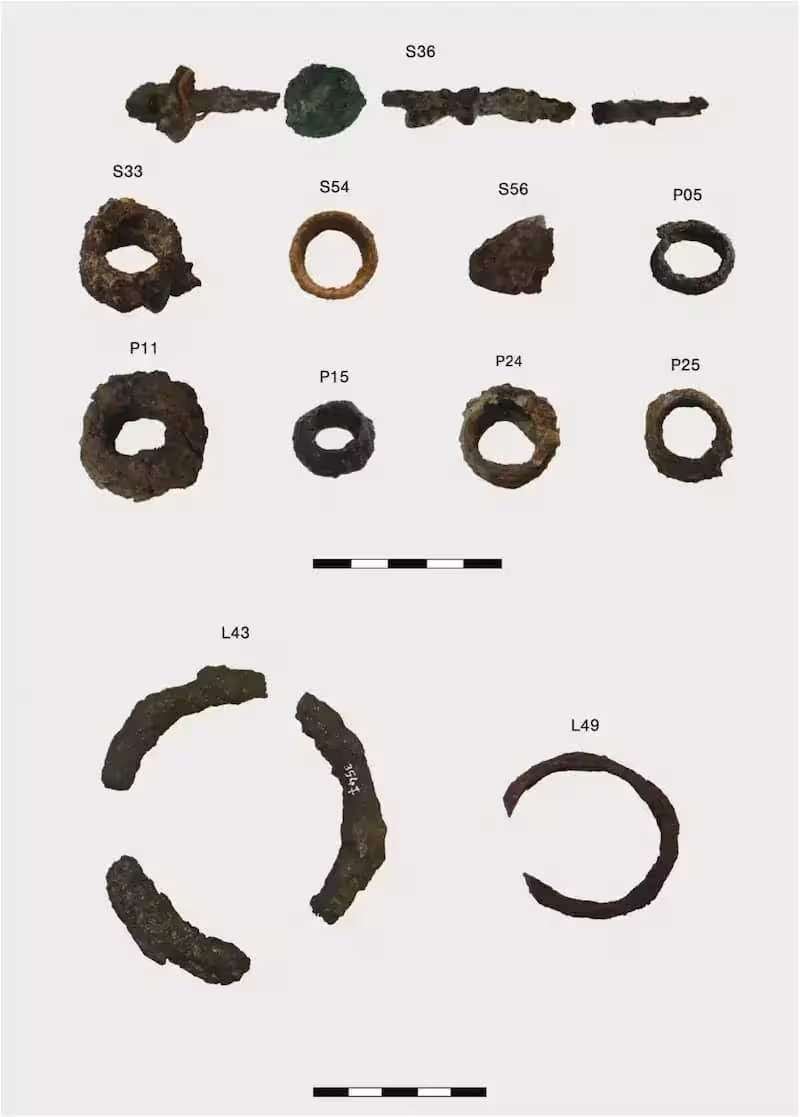
The research team, led by Matthieu Gounelle and Eleni Mantzourani, conducted a large-scale analysis of more than ninety iron objects retrieved from thirty-three distinct archaeological sites. By utilizing non-destructive portable X-ray fluorescence, the scientists were able to identify the elemental composition of these artifacts without the need for physical sampling. The key indicator was nickel content; meteoritic iron naturally contains significantly higher levels of the element than iron smelted from terrestrial ore, providing an unmistakable chemical fingerprint.
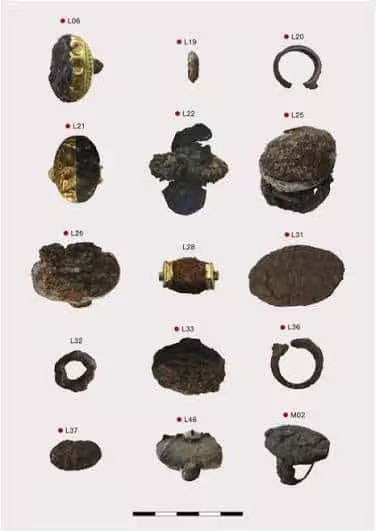
Crafted for the Elite
The study reveals a consistent pattern in how this rare material was utilized. All the identified meteoritic iron artifacts were either signet rings or seals, frequently integrated with gold, silver, or bronze. These items were not common ornaments but served as potent indicators of social status, authority, and power among the Bronze Age elite. “This shows that meteoritic iron was considered a very precious metal used for producing objects of special value and for a high-status group of people,” Mantzourani noted.
The practice of crafting jewelry from celestial metal was not unique to the Greek world. Similar findings have been documented in Poland, where artisans utilized the material for knives and ornaments, and in Egypt, where tubular beads dating back 5,000 years have been confirmed as extraterrestrial in origin.
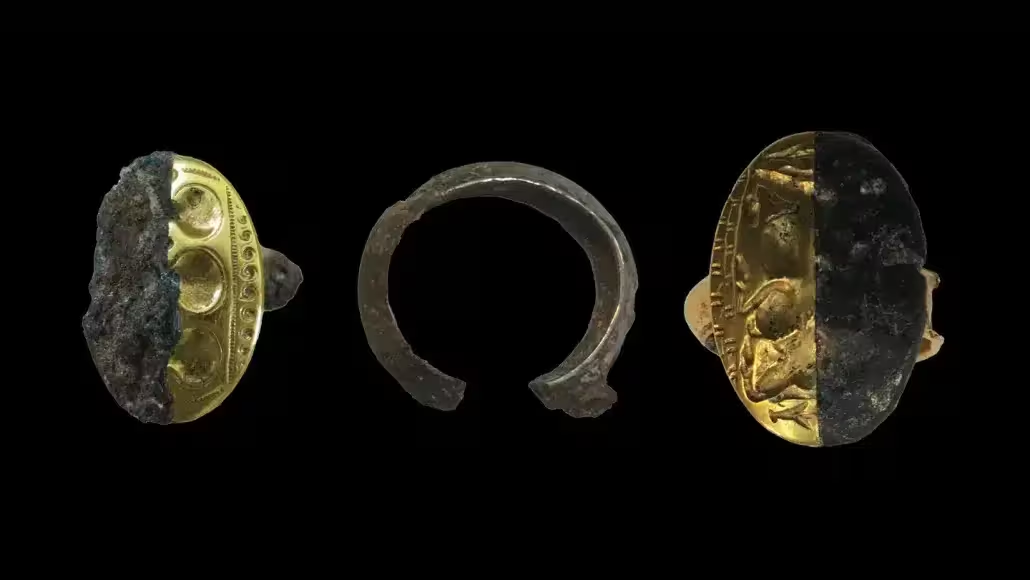
Tracing the Source of Celestial Iron
Given the scarcity of meteorites in the Greek landscape, researchers hypothesize that the raw material was imported, likely from Egypt. The vast, arid stretches of the Egyptian desert are ideal for the preservation and identification of fallen meteorites. This theory aligns with other notable historical finds, such as the famous dagger recovered from the tomb of Tutankhamun, which is also fashioned from meteoritic iron. If this exchange network existed, these rings would have held immense value for two reasons: they were crafted from a mysterious substance from the sky, and they were constructed from materials traded across vast distances.
During this period, the technology to smelt terrestrial iron ore had not yet been developed in the Mediterranean. Consequently, meteoritic iron was the only available source of the metal. Because the material arrived in its native state, it required specialized hammering techniques to shape, adding to the inherent prestige and technological mystique surrounding these objects.
This article has been fact checked for accuracy, with information verified against reputable sources. Learn more about us and our editorial process.
Last reviewed on .
Article history
- Latest version
Cite this page:
- Posted by Vikram Desai