5000-Year-Old Photo Reanalyzed to Reveal Secrets of Egypt’s Possible First Female Pharaoh
A single haunting photograph may be the key to identifying a lost female ruler after thirteen ancient sealings mysteriously vanished from history.
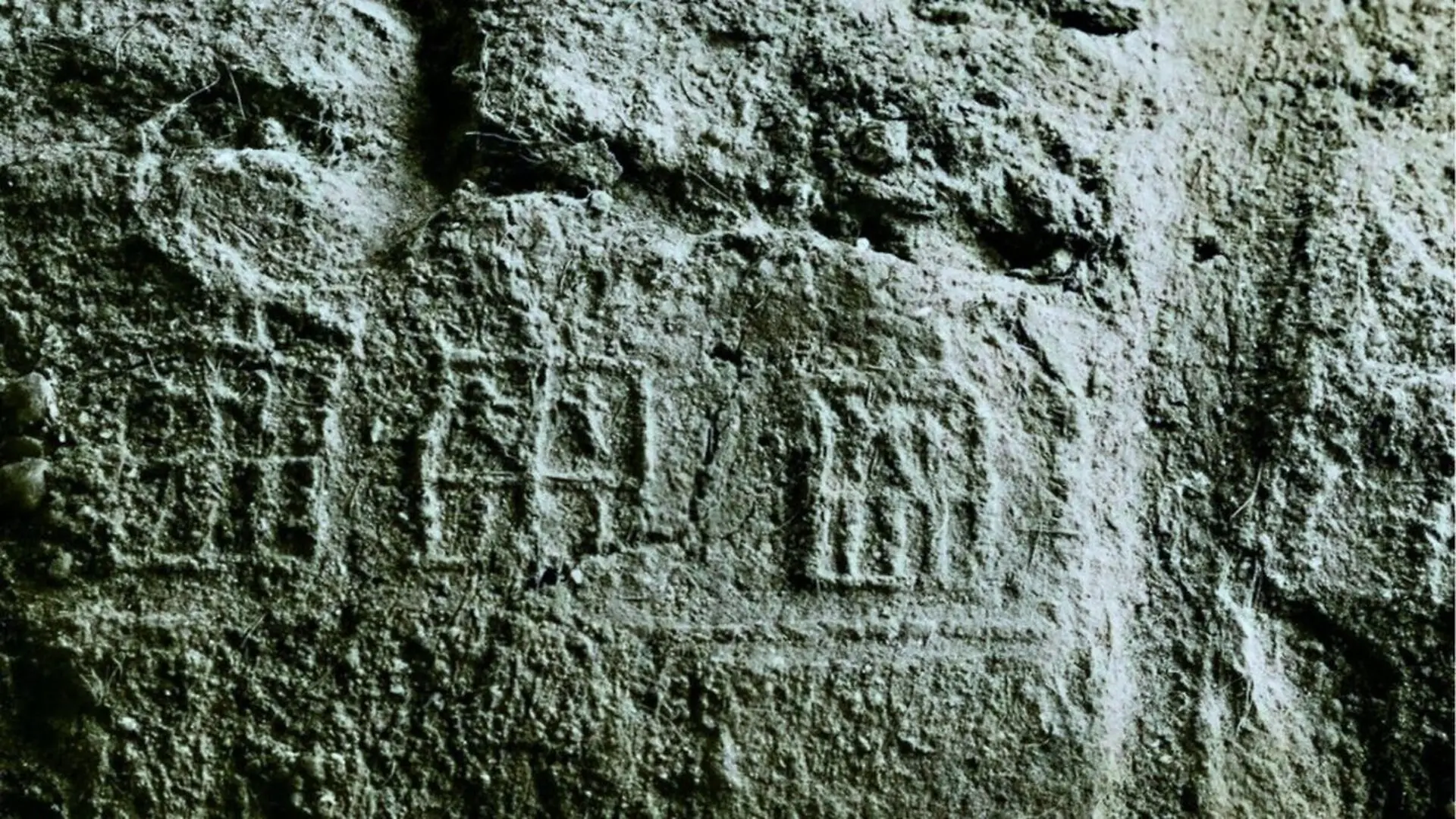
In 1946, British archaeologist Walter B. Emery uncovered a series of mud jar stoppers near a tomb shaft at the Saqqara necropolis. Each bore an identical seal impression featuring a sequence of four royal emblems. Today, those original physical artifacts are missing, as is the primary photographic plate documenting them. Researchers are now revisiting the mystery of these symbols using nothing more than a decades-old archival photograph and a 1954 line drawing, potentially shedding new light on the life of Meretneith, a powerful figure from Egypt’s First Dynasty.
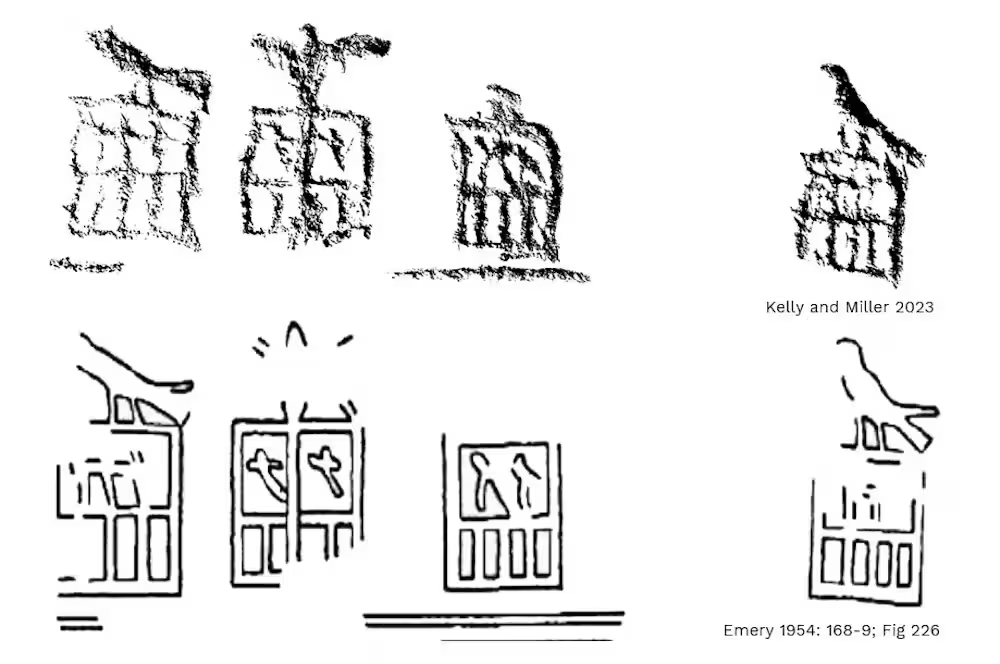
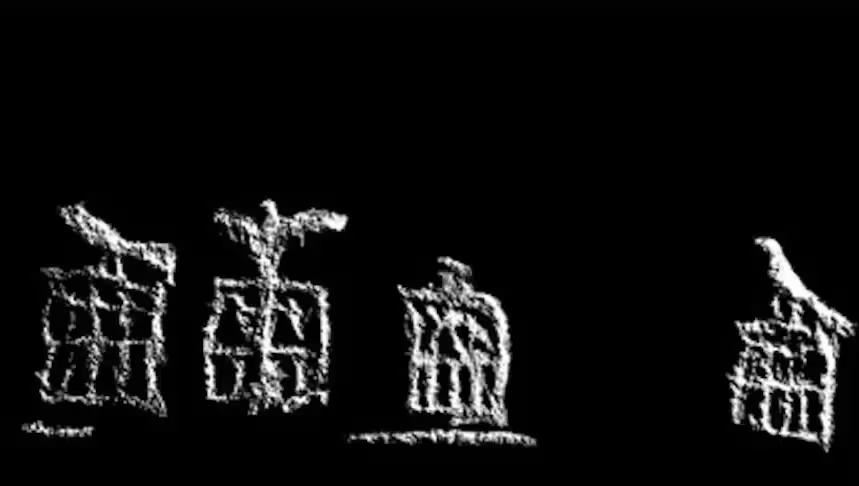
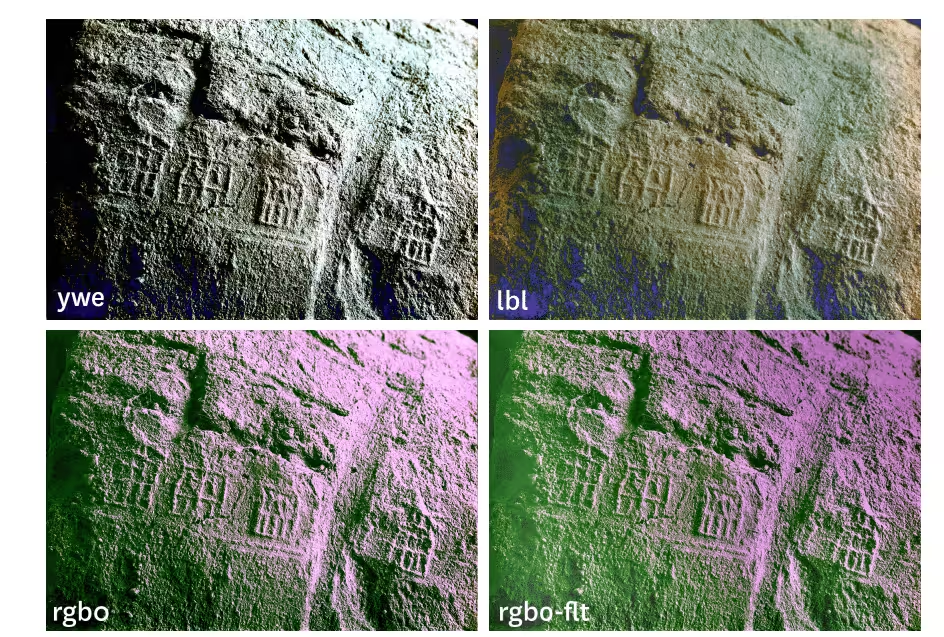
The symbols in question are serekhs, ancient heraldic devices that served as the primary means of identifying rulers during the early Pharaonic period. Writing in Prague Egyptological Studies, Egyptologist Sue Kelly of Charles University in Prague and researcher Crystal Miller have employed modern digital processing to re-examine these markings. By scanning a high-resolution print of the archival photo and applying contrast-enhancement tools in Adobe Photoshop, the duo transformed the faint impressions into clear, vector-based images, essentially creating a high-tech “rubbing” of the ancient clay.
Deciphering the Royal Seal
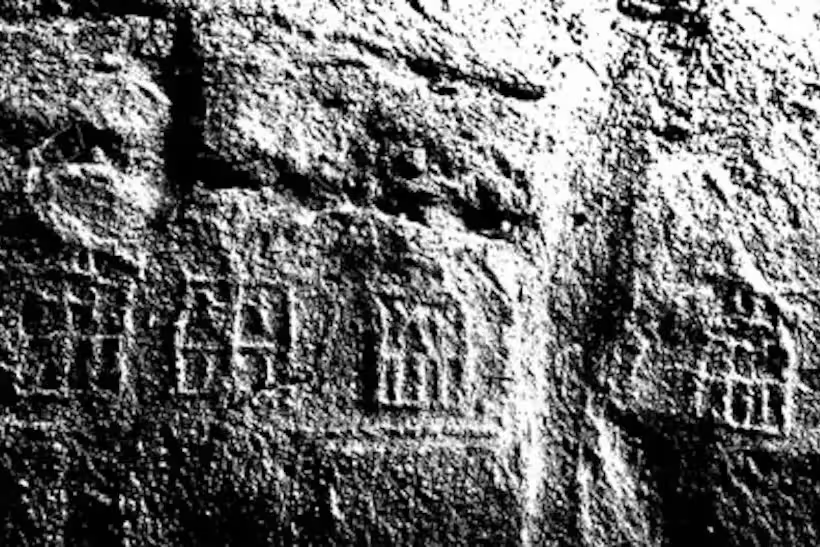
Emery’s initial analysis correctly identified the first and fourth emblems as the serekh of King Djer. However, the middle two symbols lacked the traditional Horus falcon atop the frame, leading to decades of debate regarding their significance. Kelly and Miller’s digital analysis reveals that these middle serekhs contain a repeated “hoe” sign within the name field—a character consistently associated with the name Meretneith in other archaeological contexts.
The researchers also believe the third serekh may feature a stylized falcon, an observation previously suggested by scholar Silke Roth in 1997. If confirmed, this would mark the first known instance of a woman using a falcon-topped serekh, a symbol traditionally reserved for male monarchs. While the authors remain cautious about definitively labeling her a pharaoh, they argue that the presence of the serekh suggests a political status equivalent to that of a male king.
Historical Context and Academic Debate
Meretneith has long been a subject of fascination for Egyptologists. Excavations at Abydos revealed a substantial tomb for her, surrounded by 49 satellite graves, and seal impressions from the tomb of her son, King Den, list her under the title “king’s mother.” Kelly and Miller propose that the Saqqara seal represents a co-regency, suggesting Meretneith shared power with Djer—likely her father—before serving as a regent for her son and potentially ruling in her own right.
Not all scholars are convinced by the new imagery. Eva-Maria Engel, a historian at Humboldt University of Berlin, maintains that the seal impressions do not explicitly name Meretneith. In statements provided to Live Science, Engel argued that the markings might simply be distorted versions of Djer’s name, although she acknowledges that Meretneith undeniably held significant authority during the First Dynasty.
The debate highlights the difficulty of interpreting ephemeral evidence from 5,000 years ago. While Kelly and Miller emphasize that royal name spellings were notoriously inconsistent during this era, the absence of a serekh on Meretneith’s surviving funerary stela remains a point of contention. Nevertheless, the study provides a compelling example of how digital forensic techniques can breathe new life into archival records, allowing historians to re-examine the roles of women in the foundational era of the Egyptian state.
This article has been fact checked for accuracy, with information verified against reputable sources. Learn more about us and our editorial process.
Last reviewed on .
Article history
- Latest version
Reference(s)
- Kelly, Sue. “New technology illuminating ancient evidence: re‑evaluating Meretneith’s serekhs and political position.” <https://dspace.cuni.cz/handle/20.500.11956/212321>.
Cite this page:
- Posted by Vikram Desai