Plant-Derived Molecule Emerges As Sustainable Chemical Platform
Researchers highlight how a renewable furanic building block can revolutionize green polymers, coatings, and pharmaceuticals.
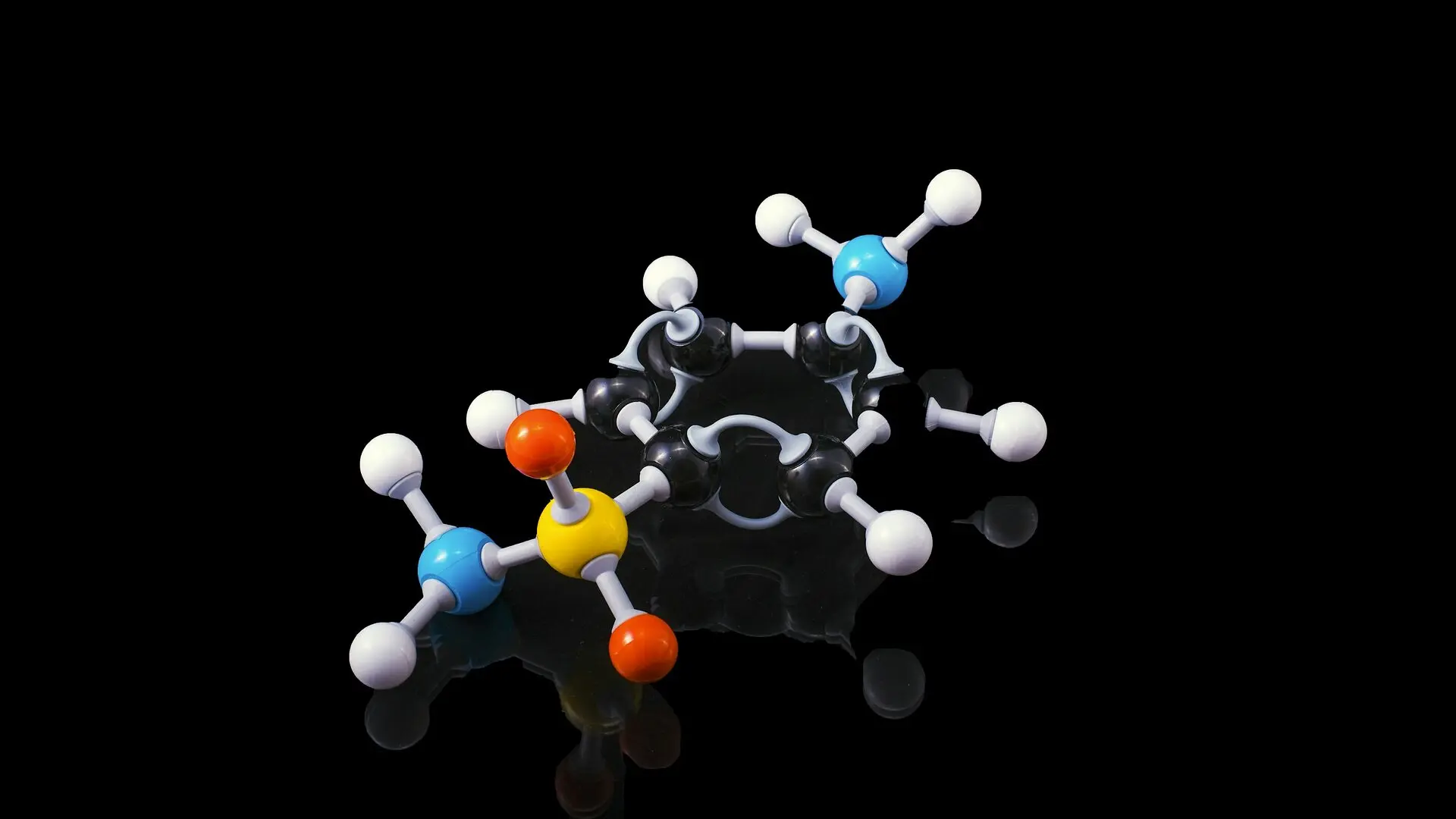
A plant-derived compound known as 5-hydroxy-2(5H)-furanone, or HFO for short, could soon transform how industries manufacture green chemicals and advanced materials without relying on fossil fuels. Despite growing demand for sustainable alternatives in the chemical sector, integrating bio-based substitutes into the real world remains slow because most renewable molecules struggle to match the structural diversity of petrochemicals. Now, a comprehensive review published in Chemical Society Reviews highlights this chiral building block as a promising foundation for pharmaceuticals, specialty coatings, and polymers.
How a Renewable Plant Metabolite Bridges the Chemical Gap
Traditional chemical manufacturing relies heavily on five petroleum-based building blocks known as BTX and simple olefins, which drive the production of more than 400 million metric tons of plastics annually. These petrochemical systems suffer from severe environmental limitations, including high carbon dioxide emissions, toxicity, and long-term accumulation of persistent pollutants. In contrast, researchers are turning toward a bottom-up approach that utilizes naturally occurring plant metabolites to build entirely new classes of functional materials. HFO stands out among these alternatives because it acts as a versatile chemical hub containing a lactone ring, an olefinic bond, and a hemiacetal group.
The molecule is accessible from bio-based furanic compounds such as furfural, which is derived from agricultural waste streams and non-food biomass through acid-mediated dehydration. Because HFO possesses an inherent molecular complexity and a stereogenic center, it enables chemists to synthesize specialized molecules with fewer steps than conventional petroleum processing requires. Its ability to be converted into both R- and S-configured chiral derivatives gives it exceptional utility in asymmetric synthesis and sustainable chemical design.
Scaling Up Production Through Innovative Flow Technologies
Producing HFO efficiently has historically faced technical hurdles, but recent engineering advances are closing the gap toward commercial viability. The primary synthesis method involves the photocatalytic photooxidation of furfural using singlet oxygen in alcoholic or aqueous solvents. While traditional batch reactors suffer from poor light penetration and restricted mass transfer, modern continuous-flow systems have dramatically improved productivity. Researchers recently developed Taylor vortex flow reactors that achieve kilogram-per-day photochemical production yields of approximately 85 percent.
Alternative pathways, such as electrocatalytic oxidation using water as an oxygen source and heterogeneous catalytic oxidation with titanium silicate catalysts, offer additional routes to HFO without requiring hazardous stoichiometric reagents. These catalytic systems operate under much milder conditions than traditional petrochemical processing, aligning closely with the principles of green chemistry.
Transforming Downstream Sectors from Surfactants to Coatings
Once synthesized, HFO serves as a versatile precursor for a wide range of industrial C4 chemicals, including maleic anhydride, gamma-butyrolactone, and 1,4-butanediol. In materials science, alkoxy- and acyloxy-substituted butenolides have been successfully incorporated into copolymers for advanced coatings and resins. Studies demonstrate that these bio-based polymers can achieve solvent resistance, hardness, and thermal properties comparable to conventional petrochemical acrylate systems while introducing hydrolysable acetal linkages that enable acid-triggered degradability.
Furthermore, HFO-derived molecules have been used to synthesize biodegradable anionic surfactants that exhibit detergency performance matching petroleum-based analogues while achieving up to 78 percent biodegradation within 28 days. In medicinal chemistry, HFO serves as a reliable chiral building block for synthesizing complex natural products and pharmaceutical intermediates, including anticancer agents and neuroprotective compounds.
Current Limitations and Future Research Directions
Despite significant progress, several challenges remain before HFO can replace conventional petrochemicals on a global scale. Process economics heavily depend on catalyst selectivity and stability, as overoxidation to maleic acid can reduce yields during synthesis. Additionally, comprehensive life cycle assessments and systematic toxicological profiles for non-halogenated butenolides are still lacking, requiring careful evaluation before large-scale commercial deployment. Continued advancements in continuous-flow reactor engineering and scalable green catalysis will be essential to establish HFO as a cornerstone of the sustainable chemical industry.
The research was published in Chemical Society reviews on November 16, 2026.
This article has been fact checked for accuracy, with information verified against reputable sources. Learn more about us and our editorial process.
Last reviewed on .
Article history
- Latest version
Reference(s)
- Meijer, Jelmer T.., et al. “5-Hydroxy-2(5 H )-furanone (HFO) – a versatile and bio-based platform chemical.” Chemical Society Reviews, vol. 55, no. 22, January 1, 2026, pp. 11855-11913. Royal Society of Chemistry (RSC), doi: 10.1039/d6cs00842a. <https://doi.org/10.1039/d6cs00842a>.
Cite this page:
- Posted by Rohan Kumar