147 Clinical Studies Reveal New Wave of Treatments for Rare Lung and Liver Disease
A comprehensive review of global registries highlights how gene editing, RNA interference, and new delivery methods are reshaping therapy for alpha-1 antitrypsin deficiency.

Nearly forty years after doctors first received approval for a replacement protein to treat lung damage caused by alpha-1 antitrypsin deficiency, scientists are racing to evaluate 147 different clinical studies aimed at overhauling how the genetic condition is managed. Patients with the rare disorder lack a protective liver-made protein that shields delicate lung tissues, setting the stage for early-onset emphysema and severe liver disease. Researchers are now testing advanced gene editing, inhaled replacement proteins, and RNA-targeting drugs to finally tackle both pulmonary and extrapulmonary manifestations of the illness.
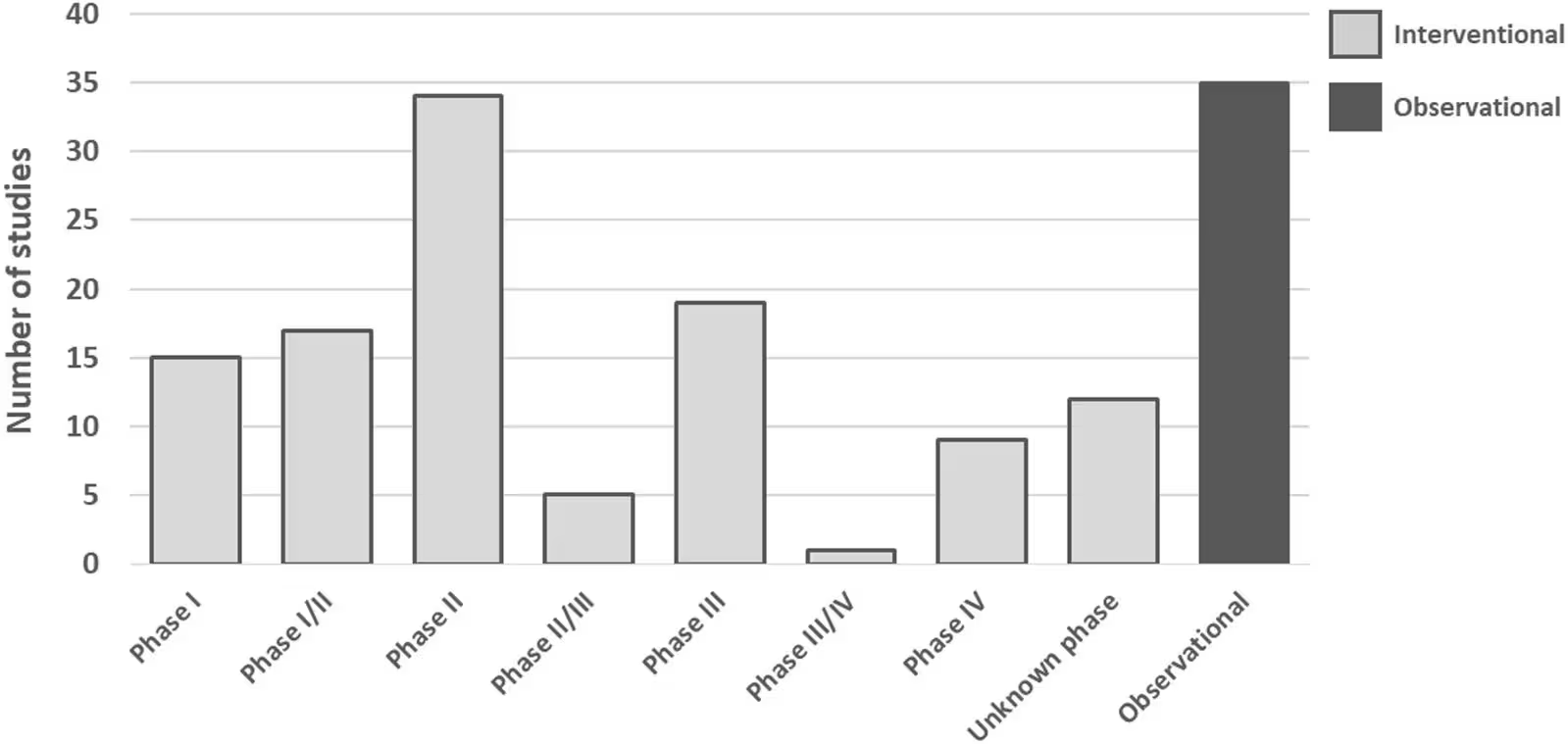
To uncover the breadth of current clinical development, researchers conducted a comprehensive cross-sectional evaluation of global registries, including ClinicalTrials.gov, Clinical Trials Register Europe, and the World Health Organization International Clinical Trials Registry Platform. As detailed published in the Orphanet Journal of Rare Diseases, the team identified 147 registered studies up to March 25, 2025. Out of these identified projects, 112 were interventional clinical trials and 35 were observational studies tracking patient outcomes over time.
What Does the Clinical Pipeline Reveal About Modern Treatment Approaches?
The analysis showed that roughly 57 percent of the registered trials received financial backing from the pharmaceutical industry, while academic institutions sponsored around 38 percent. Geographically, more than half of the investigations took place in North America, with European nations hosting close to 43 percent of the studies. Because the patient population is inherently small due to the rarity of the condition, interventional trials enrolled a median of just 33 participants, highlighting the logistical hurdles of gathering robust clinical data in rare diseases.
Protein replacement therapy and gene-based strategies emerged as the dominant areas of clinical focus, accounting for 34 percent and 25 percent of the trials, respectively. Traditional intravenous augmentation therapy has remained the sole disease-specific option since 1987, requiring patients to visit medical facilities weekly. To reduce this treatment burden, newer studies are exploring subcutaneous injections and inhaled formulations that would allow people to administer therapies independently at home.
How Are Gene Editing and RNA Interventions Changing the Strategy?
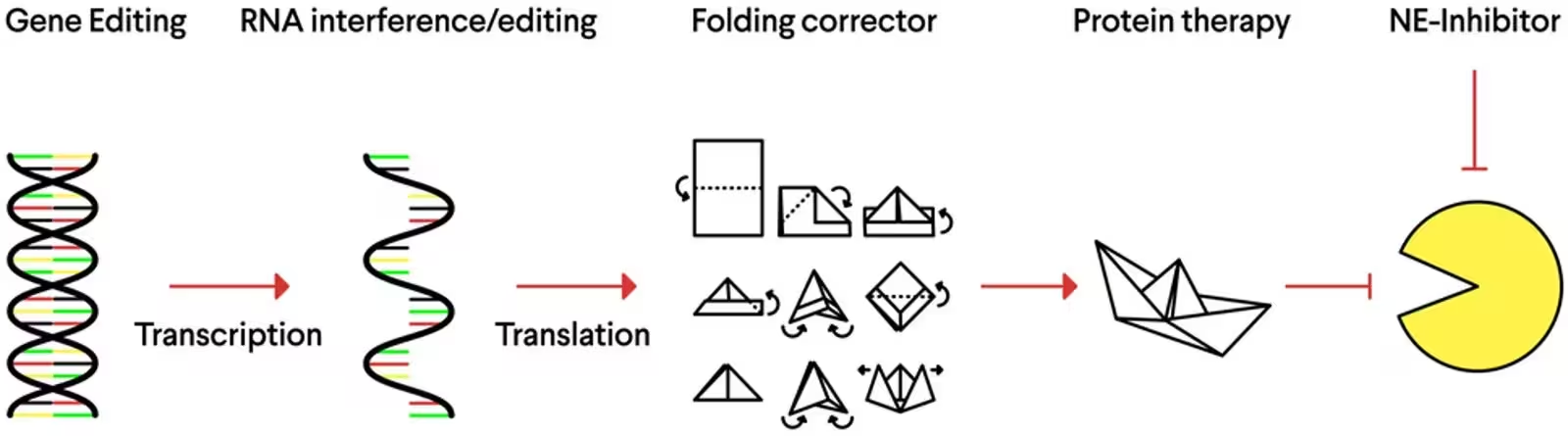
Beyond simple protein replacement, investigators are targeting the root genetic and molecular causes of alpha-1 antitrypsin deficiency. Mutant forms of the protein misfold and clump together inside liver cells, triggering toxic stress that can cause cirrhosis while simultaneously starving the lungs of necessary protection. RNA interference therapeutics, which promote the degradation of specific target messenger RNA molecules to stop the production of misfolded proteins, have advanced the furthest into Phase 3 clinical trials.
Other cutting-edge approaches include DNA-level gene editing, base-editing therapies designed to correct the specific PiZ mutation, and RNA-editing oligonucleotides that attempt to fix genetic instructions without altering the permanent genome. Additionally, researchers are examining AAT protein folding correctors and small-molecule neutrophil elastase inhibitors to block tissue destruction in the lungs. Patient registries, such as the European Alpha-1 Research Collaboration, are also tracking long-term outcomes to understand why individuals with identical genetic mutations experience such vastly different disease progressions.
What Are the Limitations and Future Challenges?
Despite the massive surge in experimental designs, the review authors noted several important constraints in the current literature. The search was restricted to three major registries, meaning smaller regional studies listed elsewhere might have been missed. Furthermore, roughly ten percent of the trials did not specify their clinical phase, making it harder to gauge their exact developmental maturity.
Experts emphasize that while RNA-directed therapies successfully lower pathogenic protein levels, they can sometimes reduce serum protein activity further, potentially elevating emphysema risks if used alone. Looking ahead, scientists suggest that combining RNA interference with established augmentation therapy could theoretically address both lung and liver complications simultaneously. However, researchers caution that such combination strategies remain entirely hypothetical and require rigorous clinical validation before reaching patients.
The research was published in Orphanet journal of rare diseases on November 12, 2026.
This article has been fact checked for accuracy, with information verified against reputable sources. Learn more about us and our editorial process.
Last reviewed on .
Article history
- Latest version
Reference(s)
- Höger, Philipp., et al. “Exploring the landscape of clinical research in AATD: a cross-sectional review of registered studies in clinicaltrials.gov, clinicaltrialsregister.eu, and WHO ICTRP.” Orphanet Journal of Rare Diseases, vol. 21, no. 1, November 12, 2026 Springer Science and Business Media LLC, doi: 10.1186/s13023-026-04708-5. <https://doi.org/10.1186/s13023-026-04708-5>.
Cite this page:
- Posted by Rohan Kumar