Hidden Struggles of Living with Multiple Chronic Diseases in Malawi
An intersectional study reveals how gender norms, age, and traditional remedies shape the daily reality of patients managing multiple chronic illnesses.
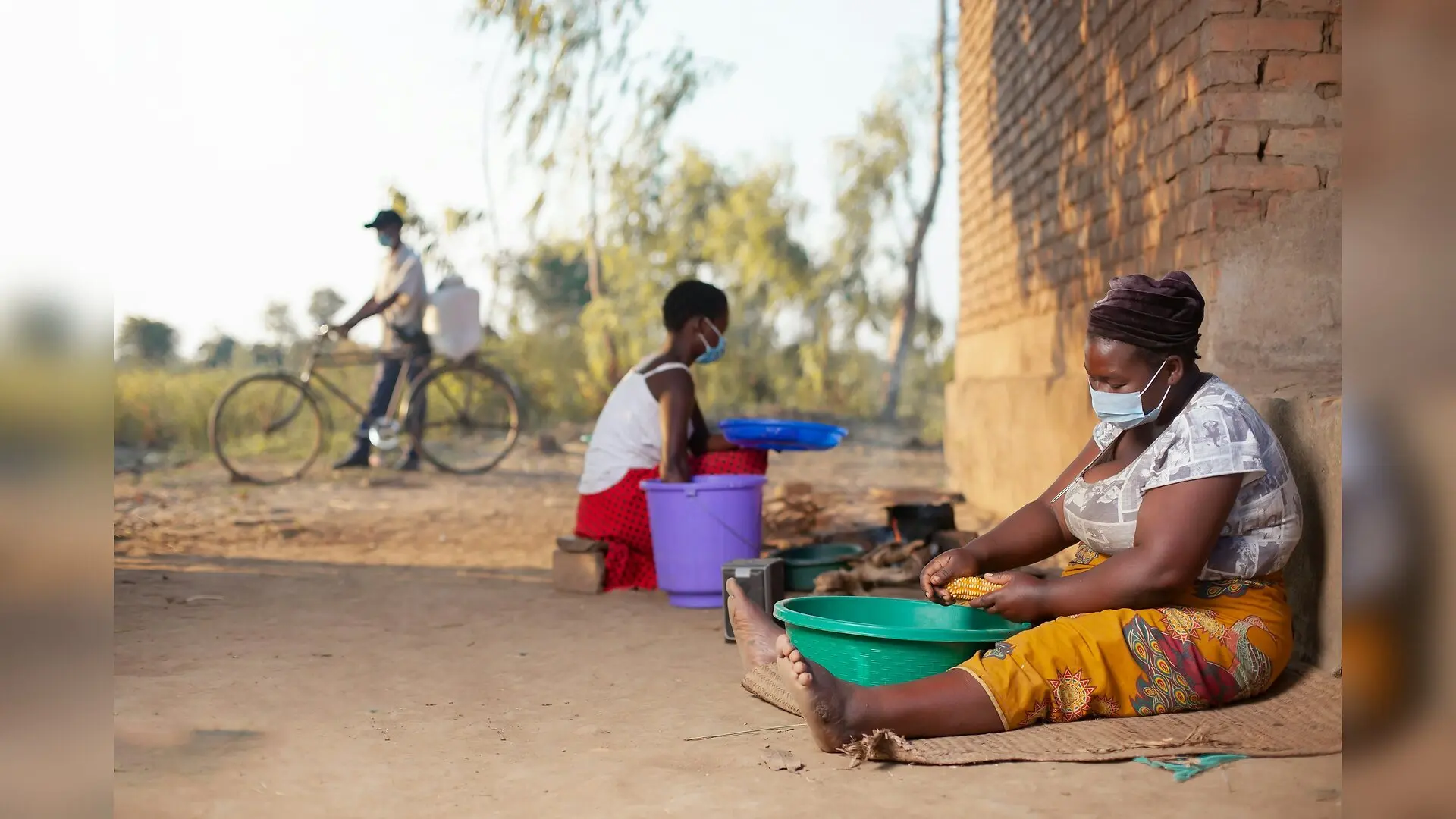
Adults grappling with multiple chronic illnesses in Malawi experience daily life through a complex lens where gender, age, and household roles dictate everything from symptom management to silent emotional distress. When living with two or more conditions such as HIV, hypertension, diabetes, or chronic kidney disease, individuals face an exhausting juggling act that affects men and women in starkly different ways.
How Intersecting Social Roles Shape Daily Illness Management
Researchers examined these lived realities through an intersectional framework, revealing how overlapping social positions create unique burdens for patients and their carers. Women frequently found themselves balancing their own deteriorating physical health with relentless caregiving duties, domestic chores, and income-generating business activities. This constant juggling act often led them to deprioritize their personal well-being, resulting in delayed care-seeking and intermittent treatment interruptions. The study, published in PLOS Global Public Health, highlights that these pressures are compounded by economic constraints and limited bargaining power within the household.
For men, particularly younger adults, the psychological toll often centered around a perceived failure to fulfill traditional provider and partner roles. Physical limitations such as breathlessness and fatigue directly interfered with their ability to work and sustain their families. Furthermore, younger men expressed deep anxieties regarding conditions like diabetes damaging their sexual health and intimate relationships, creating fears of social embarrassment and isolation.
Why Patients Turn to Medical Pluralism and Herbal Remedies
Navigating chronic illness often drove participants to engage with medical pluralism, meaning they combined biomedical treatments with traditional herbal remedies. Both male and female patients recognized the challenges of managing complex conditions like diabetes and frequently experimented with herbs when their disease remained uncontrolled. However, the underlying motivations for using traditional therapies diverged significantly between demographics.
Female participants often relied on herbal preparations as a pragmatic fallback during periods of financial destitution, transport shortages, or prolonged drug stock-outs at formal clinics. Older women occasionally concealed their use of traditional remedies from healthcare workers out of fear of reprimand or scolding. Conversely, younger men experimented with specific plants or aphrodisiacs to combat physical exhaustion or sexual dysfunction, while simultaneously displaying strong skepticism toward unverified traditional treatments.
Treatment discontinuation was another widespread issue, particularly concerning hypertension. Because high blood pressure frequently presents without obvious symptoms, many participants deprioritized it compared to more painful or visible diseases. Younger patients often stopped taking blood pressure medications out of a strong aversion to lifelong pill burdens and the daunting prospect of permanent medical dependency.
Unspoken Psychological Distress and the Search for Support
Emotional suffering emerged as a pervasive challenge, though patients rarely used formal clinical labels such as depression. Instead, psychological strain manifested as chronic fatigue, overwhelming uncertainty, and quiet despair. Women tended to verbalize their emotional exhaustion more openly, drawing strength from peer support groups and community networks that offered shared learning and emotional reassurance.
In contrast, men largely internalized their emotional distress. Prevailing masculine norms discouraged them from displaying vulnerability or seeking psychological help, leaving them to navigate their illness-related anxiety in isolation. Peer support structures were notably more accessible at district hospitals compared to large tertiary facilities, demonstrating how institutional availability shapes patient resilience.
What Comes Next for Multimorbidity Care in Resource-Limited Settings
The findings emphasize an urgent need for healthcare systems in sub-Saharan Africa to move away from single-disease approaches and adopt patient-centered models that account for gender dynamics. Strengthening frontline provider communication is crucial to help patients understand the lifelong nature of conditions like hypertension while creating safe spaces to discuss the integration of traditional remedies. Ultimately, incorporating basic mental health support, targeted peer networks, and gender-responsive care policies will be essential to improving outcomes for people living with multimorbidity.
The research was published in PLOS Global Public Health on November 16, 2026.
This article has been fact checked for accuracy, with information verified against reputable sources. Learn more about us and our editorial process.
Last reviewed on .
Article history
- Latest version
Reference(s)
- Salimu, Sangwani Nkhana., et al. “Gendered experiences of living with multimorbidity in Malawi.” PLOS Global Public Health, vol. 6, no. 11, November 16, 2026, pp. e0004613 Public Library of Science (PLoS), doi: 10.1371/journal.pgph.0004613. <https://doi.org/10.1371/journal.pgph.0004613>.
Cite this page:
- Posted by Priya Sharma