Scientists Discover Massive Deep Sea Nursery On An Active Volcano Thought To Be Extinct
Scientists have discovered a deep-sea volcano off the Pacific coast teeming with giant eggs and signs of active hydrothermal activity.
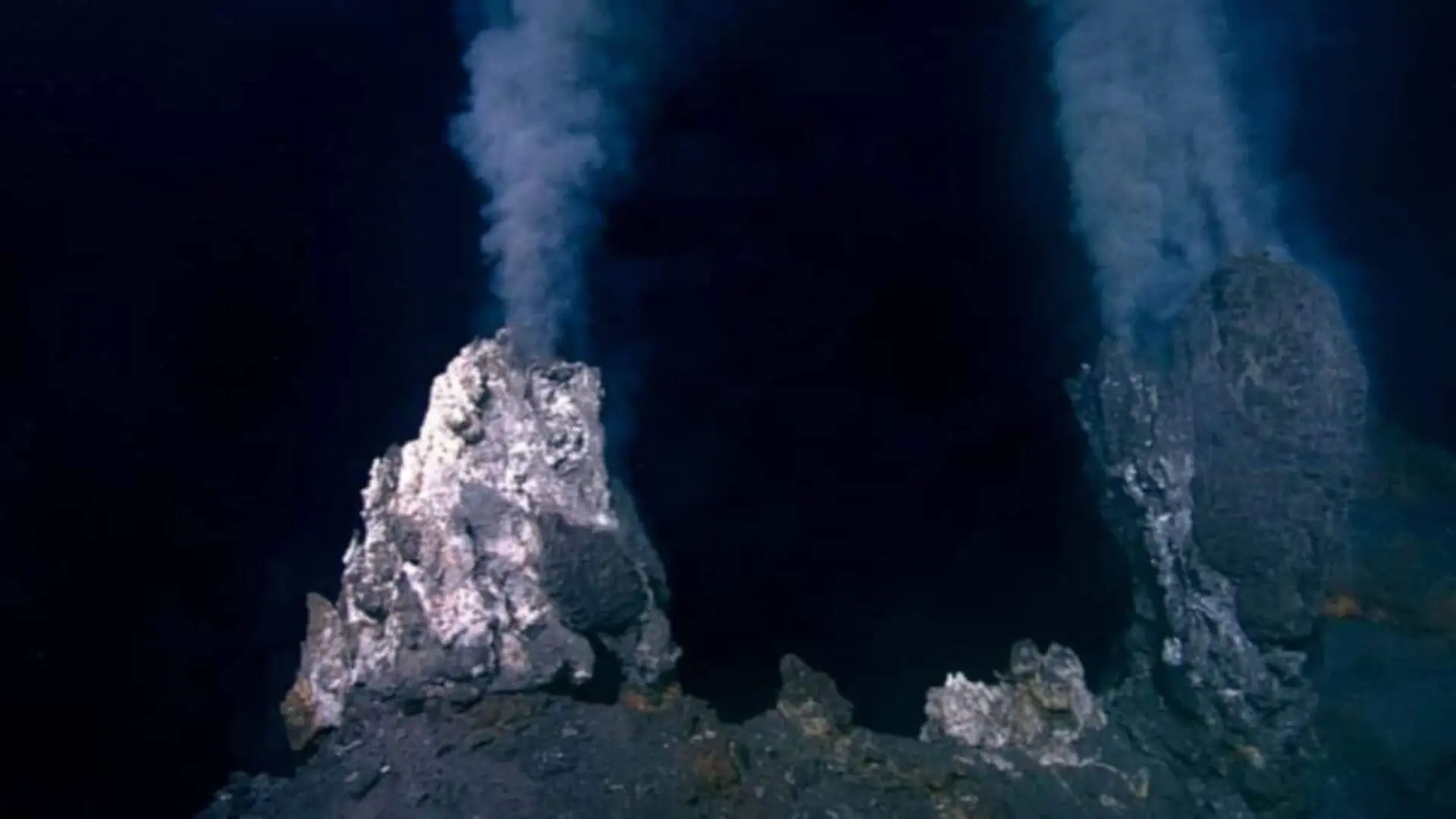
Marine researchers exploring the depths off the coast of Canada have stumbled upon a biological marvel: an underwater volcano previously thought to be dormant is not only geologically active but serves as a massive nursery for deep-sea life. The discovery occurred nearly 1.5 kilometers below the ocean surface, where a seamount rising 3,600 feet (1,100 meters) from the seafloor was found teeming with warm, mineral-rich fluids and thousands of large, leathery eggs.
A Bustling Nursery in the Abyss
The expedition, led by Fisheries and Oceans Canada biologist Cherisse Du Preez, initially expected to survey a cold, barren volcanic remnant. Instead, the team encountered a thriving ecosystem. The summit of the mountain has become a sprawling incubator for Pacific white skates (Bathyraja spinosissima), a species that typically dwells in the crushing pressures of the deep sea. The volcanic heat appears to act as a natural catalyst for the development of the skate offspring.
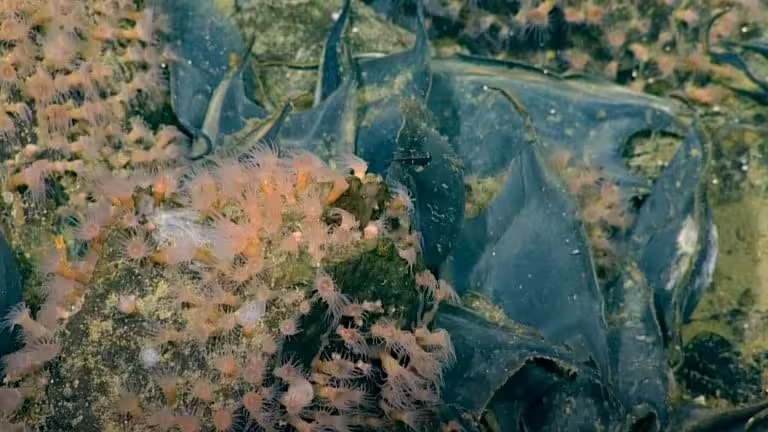
The scale of the nursery is unprecedented. While previous observations of this species near hydrothermal vents in the Galápagos Islands recorded only a few dozen eggs, this Canadian site hosts a staggering concentration. According to Cherisse Du Preez, the summit could harbor between 100,000 and one million eggs. Each of these cases—often referred to as “mermaid purses”—measures approximately 1.5 feet (0.5 meters) in size.
Thermal Advantage for Development
The expedition yielded the first-ever footage of a female skate depositing her eggs, offering scientists a rare glimpse into the life cycle of these elusive creatures. Pacific white skates typically take roughly four years to develop. Researchers hypothesize that the ambient warmth provided by the volcanic activity accelerates the gestation period, thereby increasing the survival rates of the juveniles before they eventually migrate to the deeper, colder parts of the ocean.
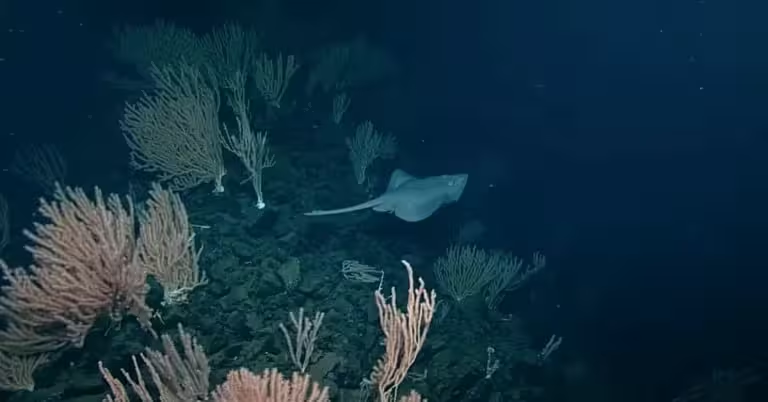
“The warm water likely speeds up the gestation period of the eggs, resulting in more successful juveniles,” Du Preez noted. “The shallow summit of the seamount is almost a coral garden and a safe nursery for juveniles to grow before they descend to the deep. It’s a win-win.”
Conservation Implications
While the discovery illuminates the hidden complexities of deep-sea biology, it also highlights an immediate conservation challenge. The seamount is currently unprotected, leaving this massive concentration of reproductive activity vulnerable to human interference, particularly commercial fishing. As researchers continue to monitor the site, the findings underscore how little is understood about the deep ocean and the critical role that geological features play in sustaining marine biodiversity.
This article has been fact checked for accuracy, with information verified against reputable sources. Learn more about us and our editorial process.
Last reviewed on .
Article history
- Latest version
Reference(s)
- Pare, Sascha. “Scientists discover ancient, underwater volcano is still active — and covered in up to a million giant eggs.”, July 18, 2023 Live Science <https://www.livescience.com/planet-earth/volcanos/scientists-discover-ancient-underwater-volcano-is-still-active-and-covered-in-up-to-a-million-giant-eggs>.
Cite this page:
- Posted by Hassan Raza