Exquisitely Preserved 36,000 Year Old Saber Toothed Cub Discovered in Siberian Permafrost
A remarkably preserved 36,000-year-old saber-toothed cub has been discovered with its whiskers and claws intact, revealing features never seen in fossils.
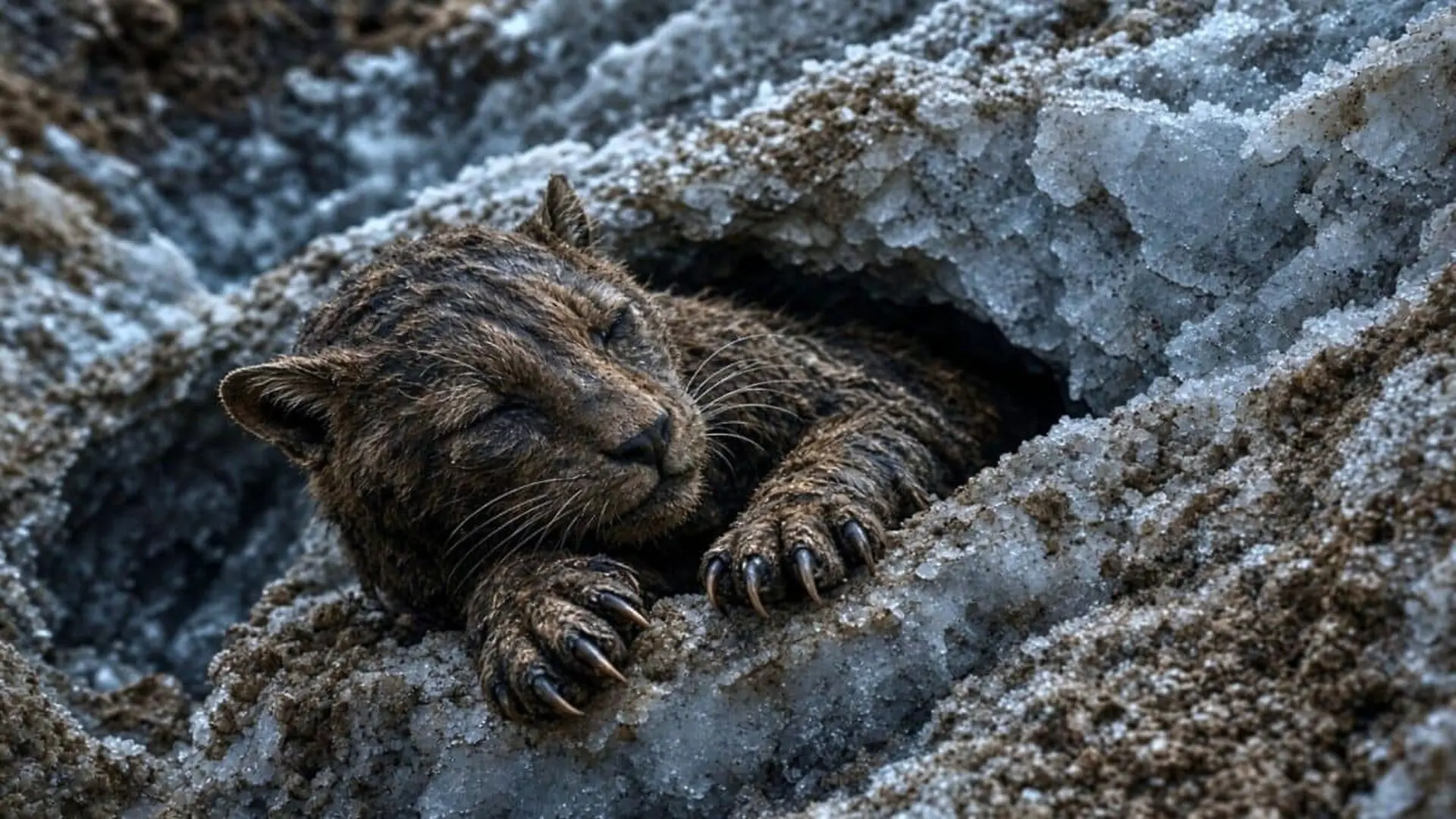
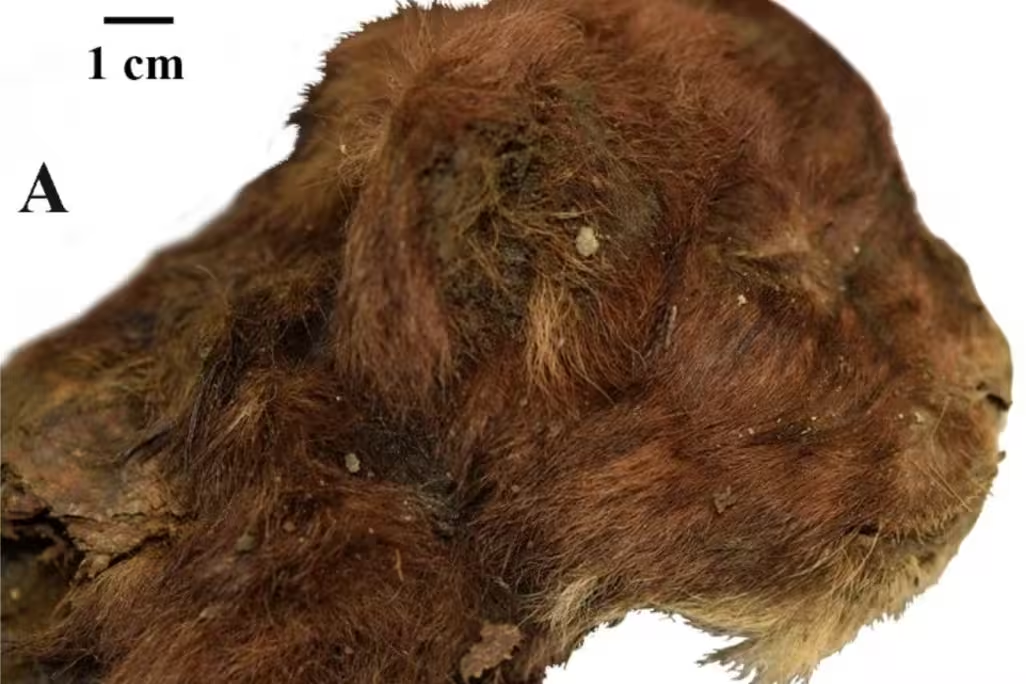
A remarkable discovery in Siberia’s permafrost has unveiled the remains of a saber-toothed cat cub, preserved in such exquisite detail that it retains its whiskers, dark brown fur, and sharp, curved claws. The specimen, found near the Badyarikha River in Yakutia, provides a rare window into the biology of the extinct species Homotherium latidens, which roamed the Earth tens of thousands of years ago.
Radiocarbon dating of the cub’s fur indicates the animal lived approximately 35,471 to 37,019 years ago. According to research published in Scientific Reports, the cub was only about three weeks old when it perished. While paleontologists frequently recover bones and teeth from the region, the preservation of soft tissue in a predator is an extraordinary find.
Paleontologist Ashley Reynolds, who was not involved in the study, noted that while mammoth remains are common in this environment, finding a preserved carnivore of this age is a significant event for the scientific community.
Anatomical Revelations from the Frozen Past
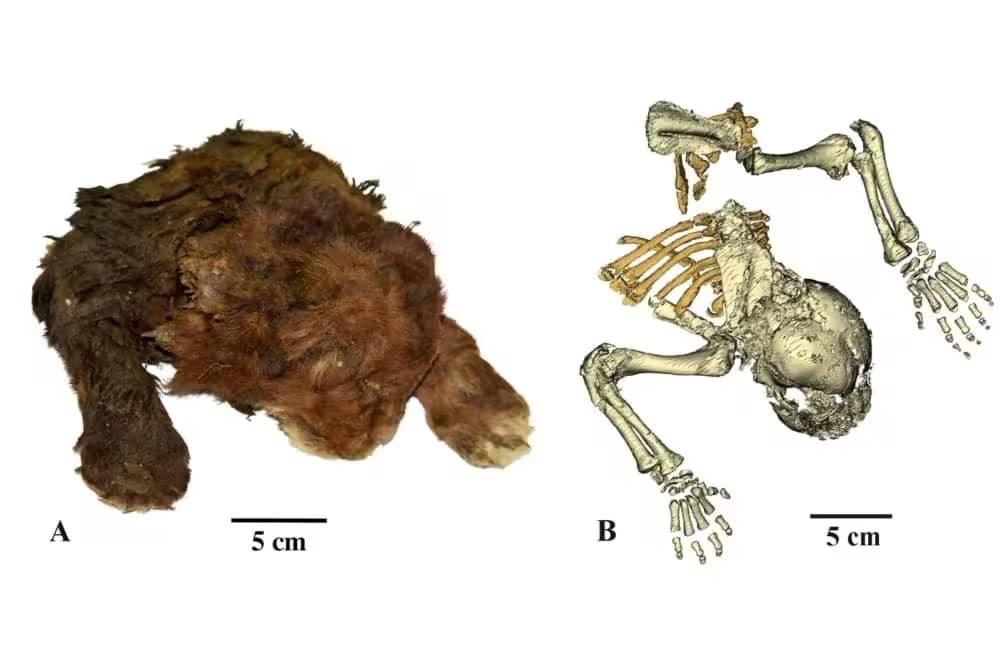
To better understand the development of the species, researchers utilized CT scans to compare the Homotherium cub with a modern lion cub of a similar age. The findings revealed that these ancient cats were distinct from modern big cats even at birth. The Homotherium specimen possessed smaller ears positioned lower on the skull and a notably longer upper lip, an anatomical feature likely adapted to accommodate the massive canine teeth that characterized the adults of the species.
The cub also exhibited physical traits that foreshadowed its adult form, including long, muscular forelimbs and a robust neck. “The cub had the enlarged neck muscles thought to occur in adults, and also had long, muscular forelimbs seen in adult Homotherium,” remarked paleontologist Margaret Lewis.
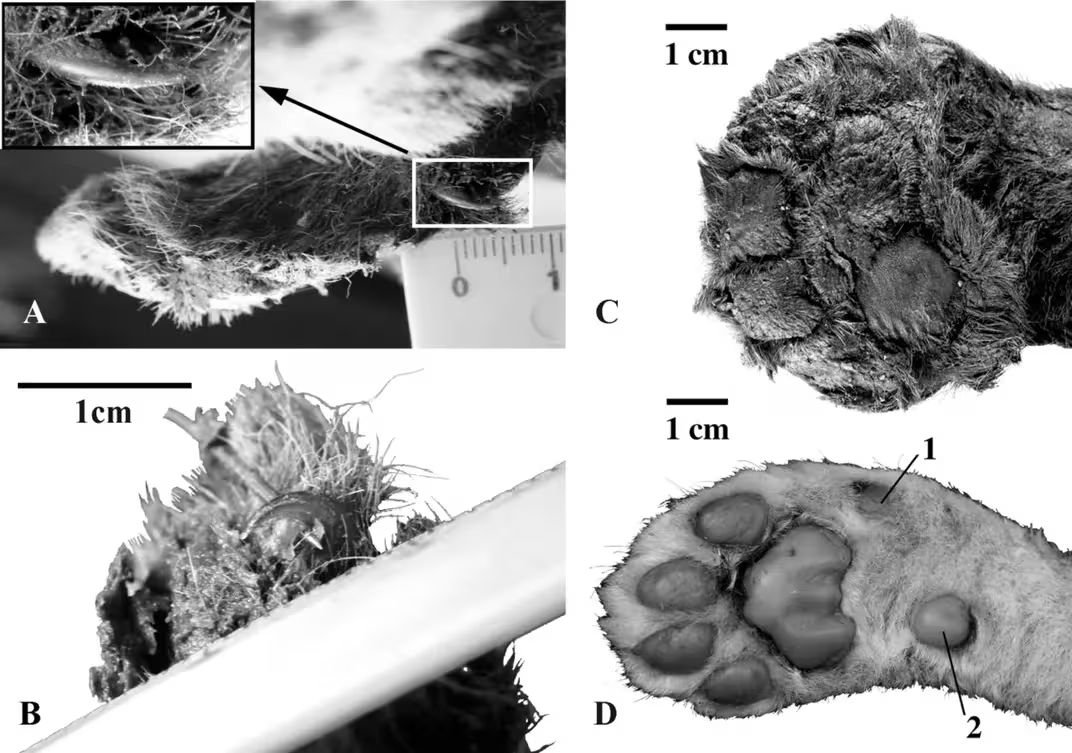
The specimen’s paws, which were broad and rounded, lacked the carpal pads found on the limbs of modern cats. These differences, along with the cub’s overall build, suggest the species may have been well-adapted to navigating harsh, snowy terrains. Although the cub’s fur appears dark brown today, experts caution that post-mortem changes in frozen remains can alter original coloration, meaning the animal’s true appearance in life remains a subject of interpretation.
Future Research and Lingering Questions
While the mummy provides a wealth of morphological data, it also raises new questions. Because the cub was too young to have developed its iconic “saber” teeth, scientists still cannot confirm if those teeth would have been visible when the adult animal’s mouth was closed.
The next phase of investigation aims to look beyond the surface. Researchers are preparing to analyze the specimen for genetic information. “DNA can be extracted, and this is one of the next stages of our research,” said lead researcher Alexey V. Lopatin. As genetic studies progress, this 36,000-year-old traveler from the Pleistocene may continue to rewrite our understanding of one of history’s most fascinating predators.
This article has been fact checked for accuracy, with information verified against reputable sources. Learn more about us and our editorial process.
Last reviewed on .
Article history
- Latest version
Reference(s)
- Lopatin, A.. “Mummy of a juvenile sabre-toothed cat Homotherium latidens from the Upper Pleistocene of Siberia - Scientific Reports.”, vol. 14, no. 1, November 14, 2024, pp. 28016 Nature, doi: 10.1038/s41598-024-79546-1. <https://www.nature.com/articles/s41598-024-79546-1>.
- <https://ashleyreynolds.ca/>.
Cite this page:
- Posted by Hassan Raza