Prosthetists Reveal the Hidden Challenges of Fitting Children With Artificial Limbs
A new study in Cambodia highlights severe component shortages and rapid bone growth as major hurdles in pediatric prosthetic care.
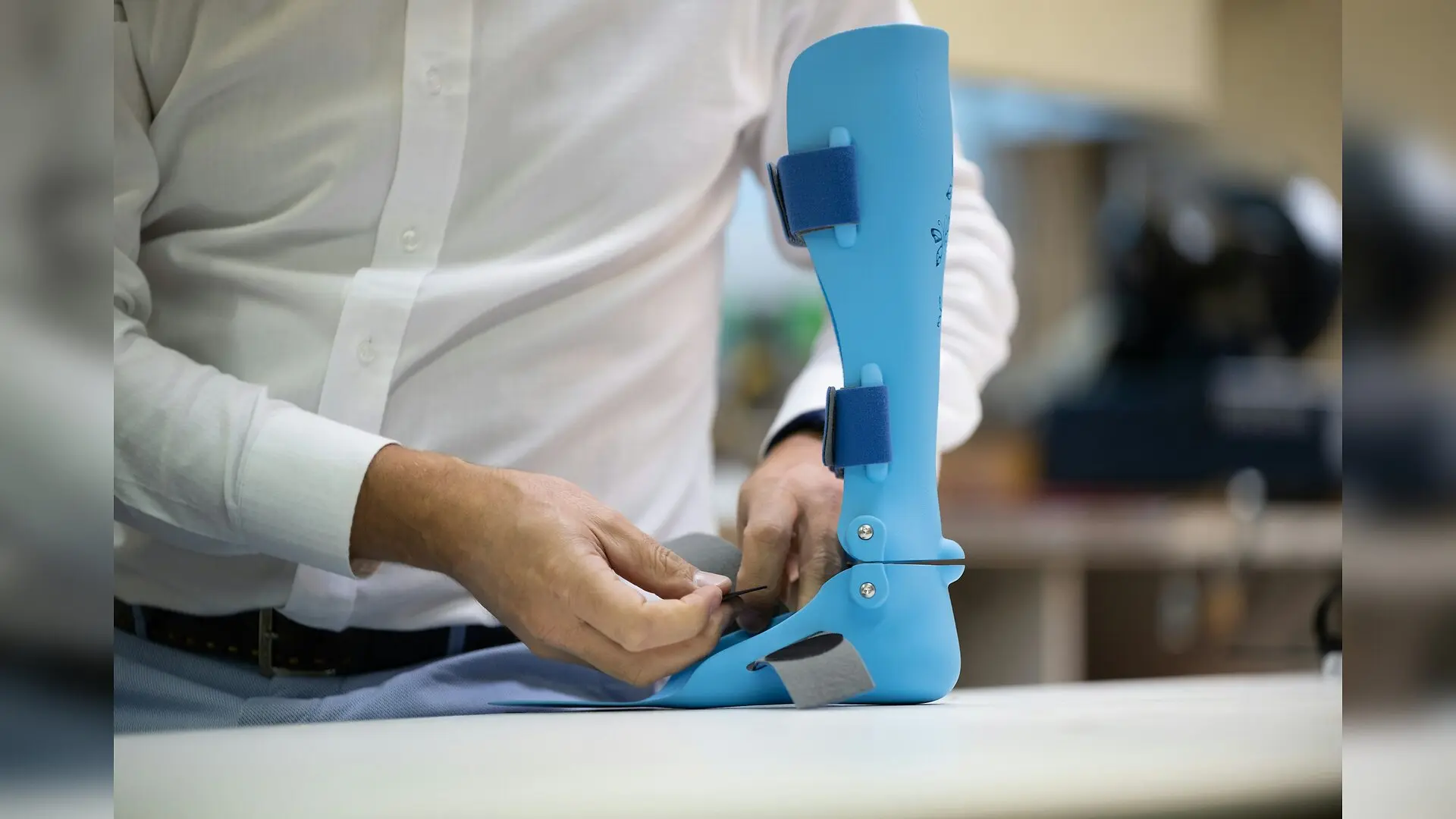
When young children lose a limb, fitting them with a functional artificial leg is a formidable challenge that goes far beyond simply scaling down adult equipment. A new study examining the firsthand experiences of prosthetists working in Cambodia reveals the intricate hurdles these specialists face, from managing rapid bone growth to overcoming a severe lack of appropriately sized child-friendly components. The findings highlight how resource constraints and developmental changes collide in clinical practice, pointing to an urgent need for pediatric-specific prosthetic design.
Listening to Experts on Pediatric Prosthetic Care
To understand the clinical realities of outfitting young patients in resource-constrained environments, researchers interviewed six experienced prosthetists across four specialized rehabilitation centers in Cambodia. The qualitative study, published in PLOS One, captured detailed insights through in-depth interviews averaging 83 minutes each. The participants shared their day-to-day strategies for guiding children from their initial fittings through years of growth and physical rehabilitation.
Cambodia serves as a representative lower-middle-income country where polypropylene technology, designed by the International Committee of the Red Cross, and donated modular components form the backbone of local care. The clinicians interviewed handle a diverse patient cohort, with most children presenting with unilateral below-knee or above-knee limb absence primarily caused by road traffic accidents, alongside congenital differences and cancer. Because many families travel long distances from rural areas, centers often provide on-site dormitories and work rapidly to complete fittings before families must return home.
The Staggering Shortage of Child-Sized Components
The primary hurdle identified by the prosthetists is the scarcity of suitably sized equipment for young children, particularly those under 10 years old. Commercial prosthetic feet, knees, and silicone liners are routinely manufactured too large for smaller bodies. For instance, the smallest standard solid ankle cushion heel foot available to the clinics measured 16 centimeters, making it usable only for children around five years of age and older.
To bridge this gap, clinicians reported resorting to creative manual fabrication. Prosthetists frequently handmake smaller foot sizes out of ethylene-vinyl acetate foam, carve custom pylons to keep artificial limbs thin and lightweight, and repurpose smaller pediatric hip joints for knee mechanisms. Furthermore, the weight of standard components often overwhelms young users. Heavy rubber feet and bulky knees create control issues and excessive fatigue, especially for children with bilateral limb absence who require maximum agility to keep up with peers.
Navigating Communication and Residual Limb Health
Treating young children introduces unique interpersonal and physiological complications. Communicating with toddlers under five years old is exceptionally difficult, as they often cannot articulate exact locations of pain or discomfort. Prosthetists must rely heavily on visual cues, such as skin discoloration, pinching marks, and subtle changes in facial expressions during examinations.
Bone overgrowth emerged as a major residual limb health issue, particularly in the lower leg bones of children under 10 years old. As bones grow through the skin, the resulting sharp pain frequently frightens children and makes them reluctant to wear their prostheses until surgical revision can be performed. Additionally, the study noted that while silicone liners are considered an industry standard for comfort, active children in hot climates find them overly sweaty and itchy, preferring simpler foam liners that are easier to clean and maintain.
Next Steps for Global Rehabilitation Frameworks
The authors acknowledge several limitations in their work, including a small sample size of six clinicians from a single country, which may limit how broadly these conclusions apply to other geopolitical settings or active conflict zones. Additionally, the data relies on second-hand accounts from clinicians rather than direct reports from the children themselves.
Despite these caveats, the study emphasizes that pediatric prosthetic care cannot be treated as a mere subset of adult rehabilitation. The findings advocate for greater multidisciplinary teamwork, integrating physical therapists, social workers, and community development workers to support lifelong care. Ultimately, the prosthetic industry must prioritize the development of lightweight, appropriately scaled components and flexible socket designs to improve mobility and reduce physical strain for young patients worldwide.
The research was published in PLOS One on November 16, 2026.
This article has been fact checked for accuracy, with information verified against reputable sources. Learn more about us and our editorial process.
Last reviewed on .
Article history
- Latest version
Reference(s)
- Edgar, Caitlin. “Prosthetist perspectives for the rehabilitation of children with lower limb loss: A qualitative exploration in Cambodia.” PLOS ONE, vol. 21, no. 11, pp. e0362489, doi: 10.1371/journal.pone.0362489. <https://doi.org/10.1371/journal.pone.0362489>.
Cite this page:
- Posted by Robert Brown