NASA Is Sending a Rover to Explore Mysterious Underground Caves on the Moon
NASA’s GIMLI mission will explore the Marius Hills pit to determine if the lunar opening leads into a vast, hidden underground lava tube.
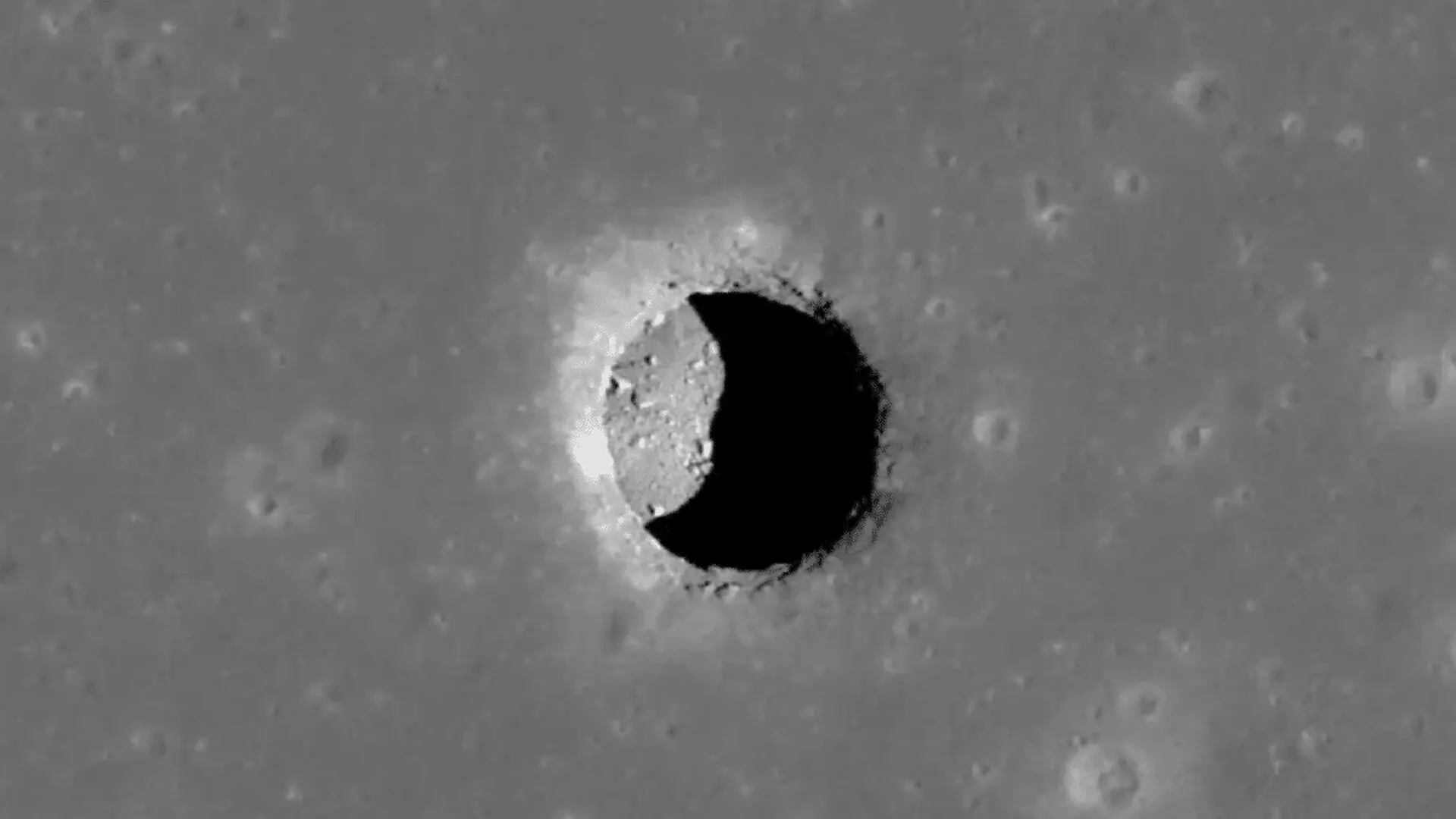
NASA has greenlit an ambitious mission concept aimed at probing the lunar subsurface to confirm the existence of extensive underground lava tubes. By focusing on the mysterious Marius Hills pit, researchers hope to determine if these geological voids could provide natural protection for future lunar explorers while unlocking secrets of the moon’s ancient volcanic history.
Probing the Depths of the Marius Hills
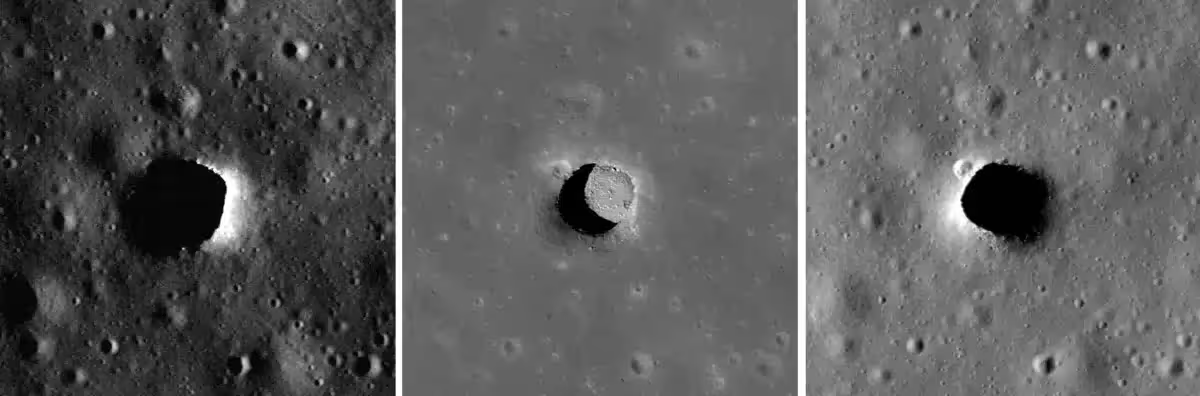
The mission, dubbed Geophysical Instruments for Marius Lunar pit Investigation (GIMLI), is designed to move beyond the limitations of orbital observation. While high-resolution imagery has long hinted that lunar pits act as skylights into collapsed volcanic tunnels, direct proof of the size and extent of these cavities remains elusive. Led by the Planetary Science Institute (PSI), the GIMLI team plans to deploy specialized instrumentation directly to the lunar surface to characterize the terrain surrounding the pit.
The project is a collaborative effort involving the Norwegian Space Agency, Honeybee Robotics, and a consortium of academic partners. Delivery of the necessary equipment is slated for the near future under NASA’s Commercial Lunar Payload Services initiative.
Multimodal Geophysical Investigation
GIMLI will employ three distinct, complementary sensing techniques to create a comprehensive, three-dimensional profile of the subsurface. Ground-penetrating radar will scan for void signatures, while sensitive gravimeters will detect density anomalies that suggest the presence of hollow structures. Most notably, the mission will reintroduce active-source seismic surveys to lunar exploration, a method that has remained largely untouched since the Apollo era.
“It’s long been a desire of mine to reintroduce intentional active-source seismic methods to planetary science, as it has essentially not been done since the Apollo astronauts conducted the first seismic surveys on the moon,” said PSI associate director and principal investigator Than Putzig. “Combining that method with ground-penetrating radar and gravity measurements makes it all the more exciting, as these methods together will allow us to get a much better understanding of subsurface properties.”
“GIMLI represents the type of ambitious planetary science that PSI was built to pursue,” said PSI director and CEO Amanda Hendrix. “Than and his team are taking a scientific question we’ve been studying from orbit and have developed a way to investigate it directly on the moon. We’re excited to have PSI leading this effort and to be partnering with NASA and Honeybee Robotics to learn more about the moon and its volcanic past.”
Honeybee Robotics, a Blue Origin company, is tasked with the development of the seismic system, gravimeter, and imaging hardware necessary to support the mission’s ground operations.
Decoding the Moon’s Volcanic History
Even if the sensors fail to locate a cavern, the mission remains high-value. The Marius Hills region is a treasure trove of volcanic features, including ancient lava flows and domes. By examining the vertical stratigraphy exposed in the pit walls, researchers can gain a clearer timeline of how the lunar surface was shaped by eruptions billions of years ago. This data could reveal critical details regarding lava viscosity, flow rates, and the thermal evolution of the moon’s cooling interior.
“Confirming a substantial lava tube would give us an insight into how volcanism operated on the moon,” noted Gareth Morgan, a senior scientist at PSI and the program’s deputy principal investigator. “Lava tubes are a common feature of basaltic volcanism on Earth, so identifying them on the moon means we could use knowledge of such terrestrial caves to better understand lunar history.”
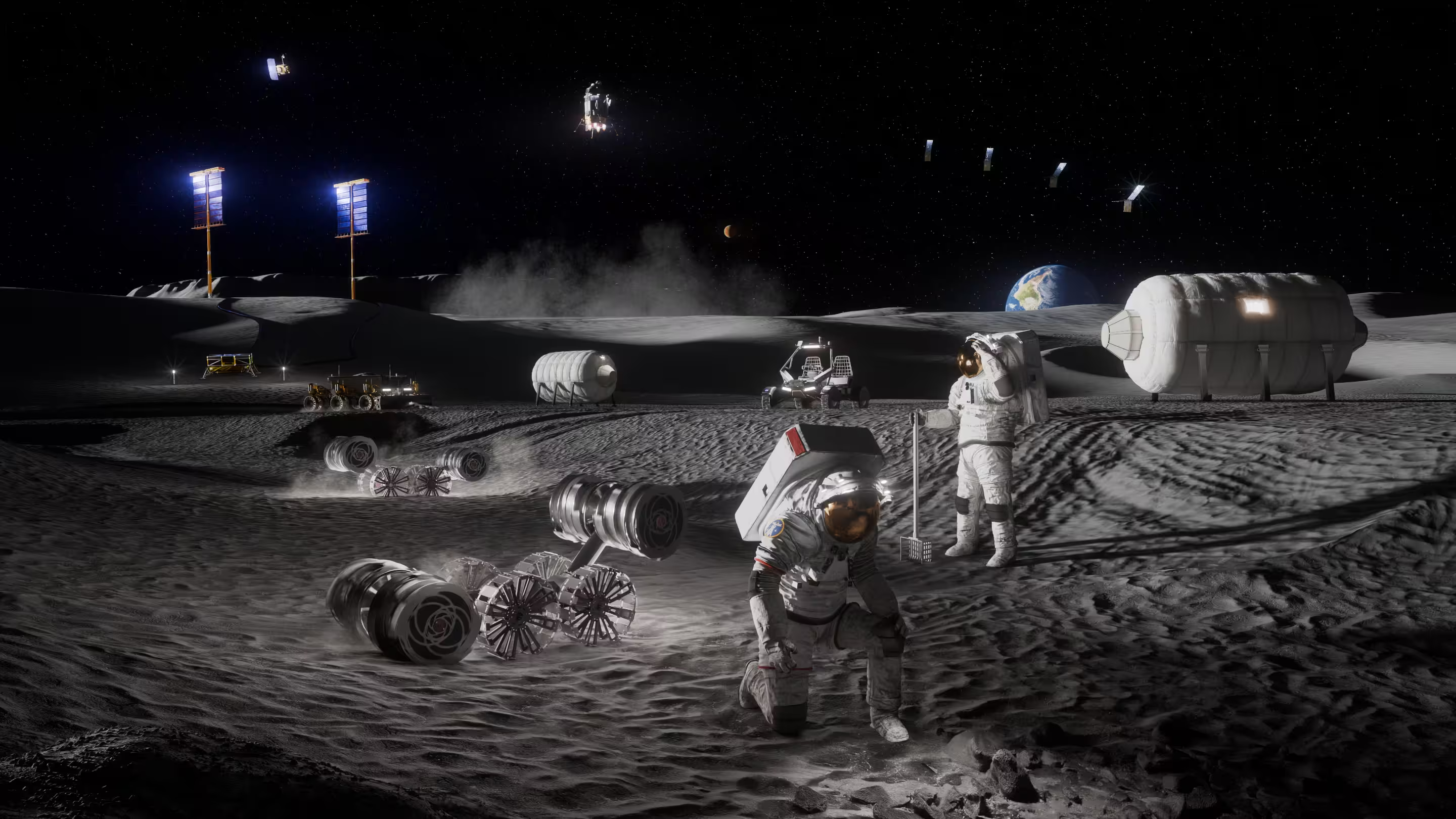
Because the moon lacks the erosive forces of wind, water, and plate tectonics, these protected environments offer a near-pristine record of the past. Beyond the scientific value, these structures represent a vital resource for future exploration, potentially shielding equipment and personnel from the harsh radiation and micrometeoroid bombardment that characterize the lunar environment.
This article has been fact checked for accuracy, with information verified against reputable sources. Learn more about us and our editorial process.
Last reviewed on .
Article history
- Latest version
Cite this page:
- Posted by Vikram Desai