Scientists Discover 160 Million Year Old Fossilized Vomit From Ancient Sea Monsters
A 160-million-year-old predator fossil discovered beneath the North Sea has revealed an unexpected surprise, defying previous scientific expectations.
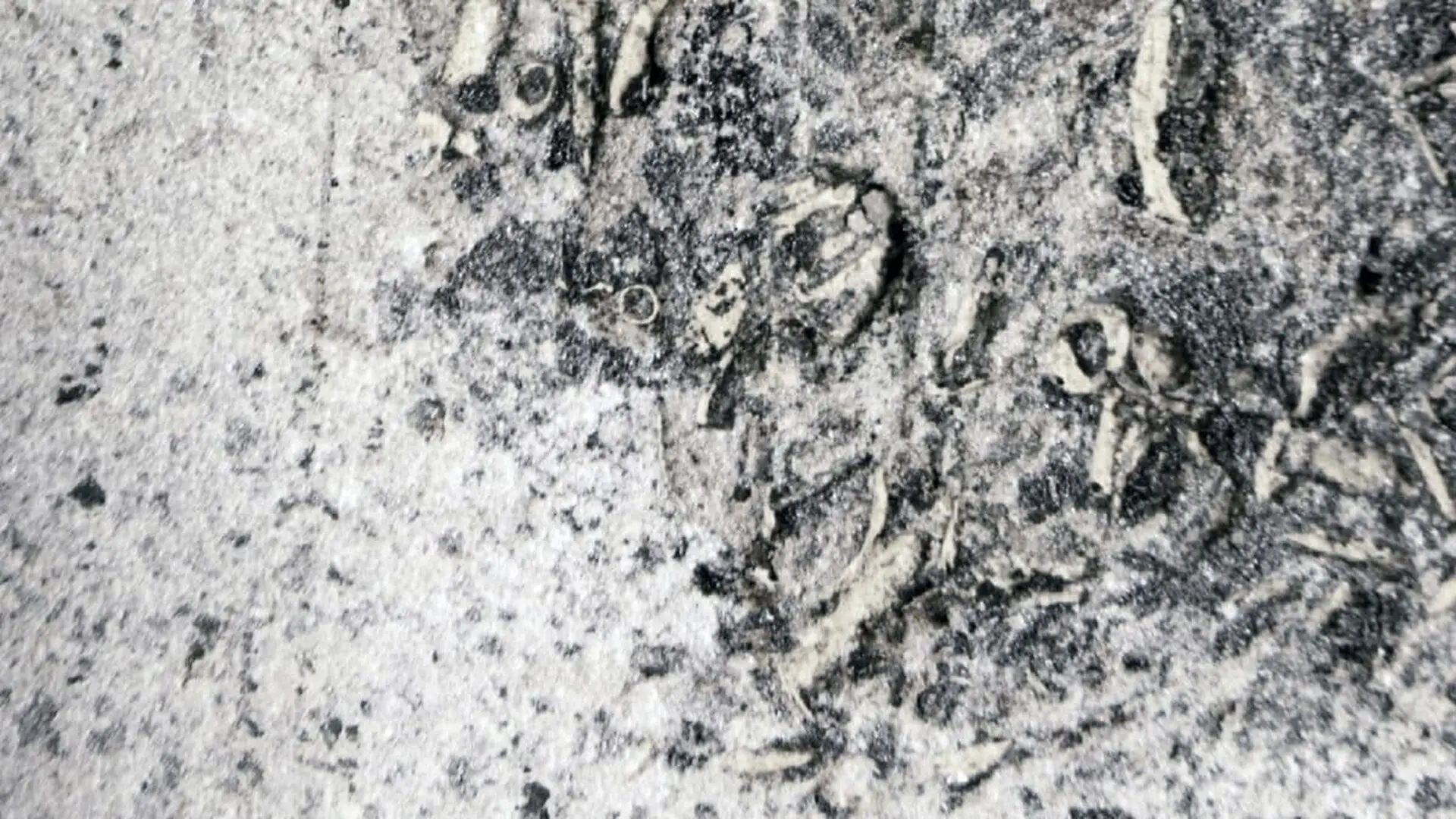
Paleontologists have uncovered an unusual 160-million-year-old biological artifact from deep beneath the North Sea: fossilized vomit. These clusters of shell fragments and marine debris provide a rare, intimate look at the dietary habits of Jurassic marine predators, specifically the long-necked plesiosaurs that once dominated these ancient coastal waters.
The discovery emerged not from a traditional excavation, but through decades of routine industrial drilling. Dirk Knaust, a paleontologist with the energy company Equinor, spent thirty years analyzing thousands of meters of rock cores recovered from the seabed. While examining samples from an era when the North Sea was a complex network of deltas and shallow lagoons, Knaust repeatedly encountered small, oddly structured clusters of fossilized material that defied standard geological classification.
Decoding the Mystery of the Sediment Clusters
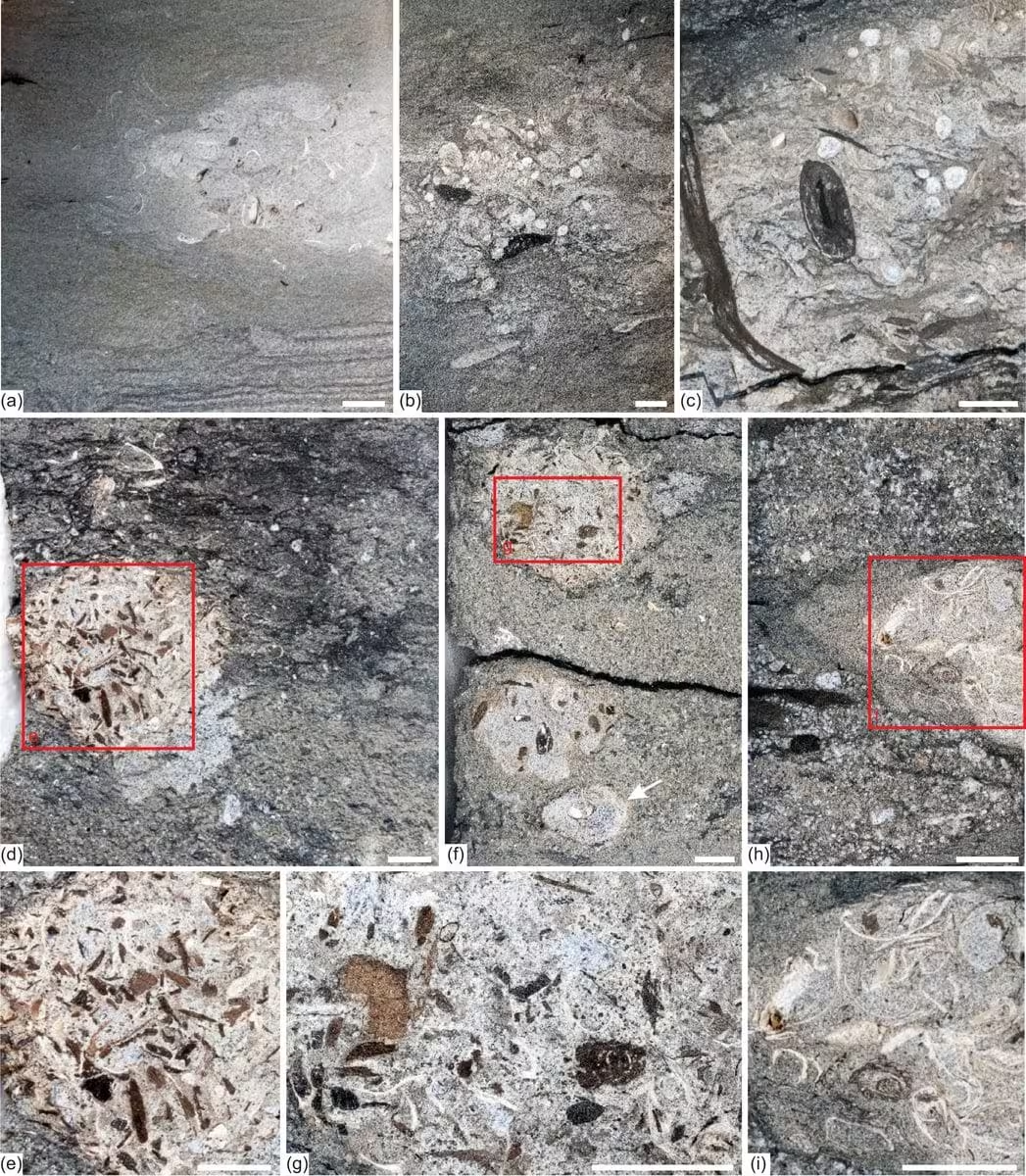
These specimens, typically measuring only a few centimeters, displayed a chaotic composition. Some were packed with broken bivalve shells, while others contained dense collections of tube-dwelling marine worms, crinoids, and occasional bits of ancient vegetation. According to a report on the findings, the arrangement of these materials could not be explained by natural environmental accumulation.
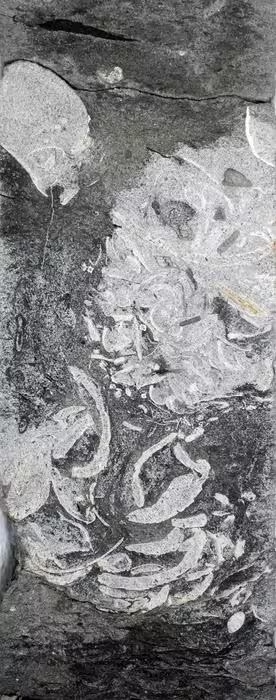
Natural processes like storm surges typically sort sediment by size and density, whereas burrowing organisms would disperse such debris rather than concentrating it into tight masses. Knaust noted that the fragments within these clusters showed signs of chemical corrosion consistent with exposure to digestive acids. Furthermore, their distinct chemical and physical signature clearly differentiated them from fossilized feces, leading to the conclusion that these were “regurgitalites.”
An Underwater Equivalent to Owl Pellets
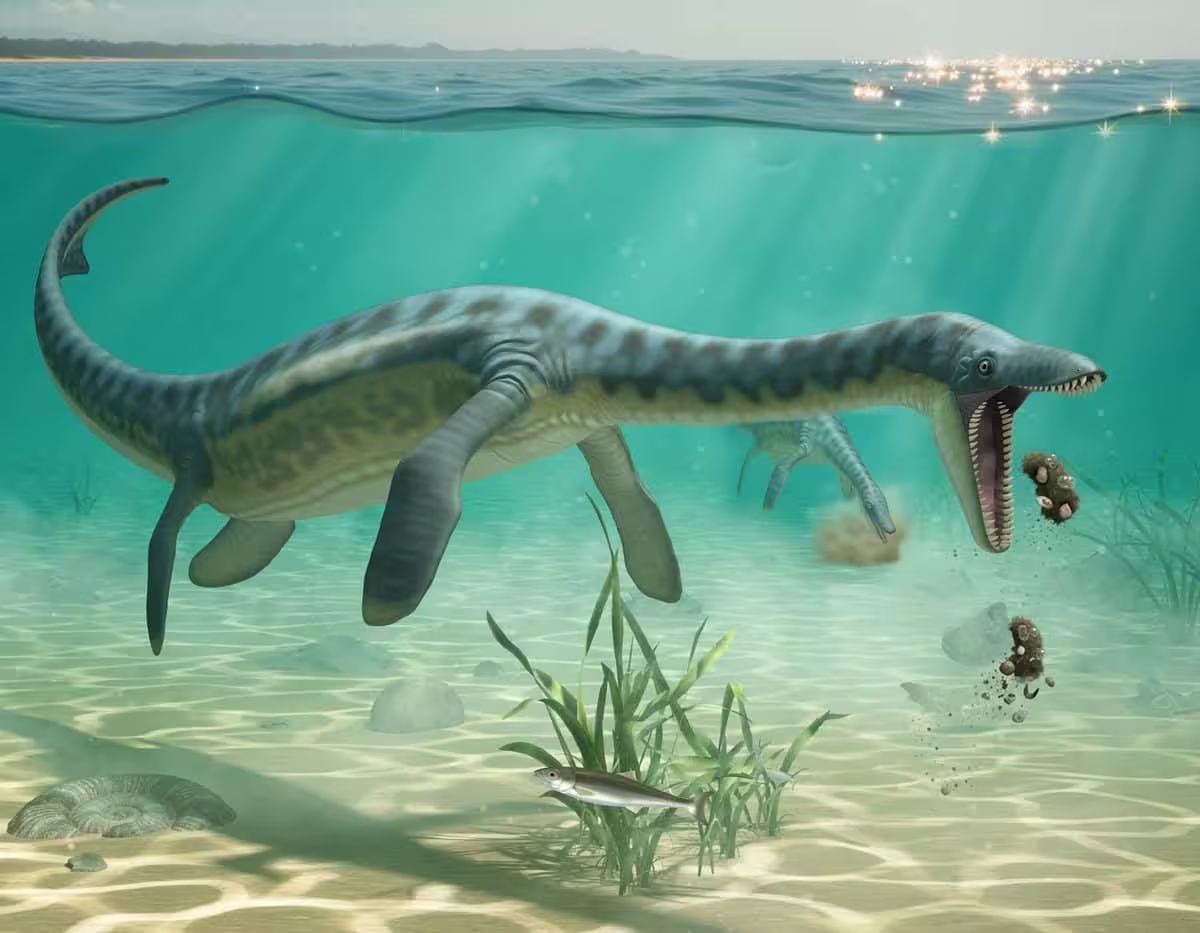
Knaust drew a parallel to the behavior of modern birds of prey. Just as owls produce pellets composed of indigestible bones and fur after swallowing prey whole, these ancient marine reptiles appear to have regurgitated the hard, undigested remains of their meals. The study suggests that the predator gathered this material in saltier, open-sea environments before migrating toward coastal deltas, where the remnants were eventually deposited.
Identifying the Prehistoric Predator
While the absence of teeth or diagnostic bite marks makes pinpointing the exact animal difficult, Knaust identifies cryptoclidids—a family of plesiosaurs—as the primary candidates. Measuring between four and eight meters in length, these reptiles possessed specialized anatomy designed for foraging on the seafloor rather than mechanical crushing. Their small heads and slender necks allowed them to pluck prey from the substrate, often consuming them whole.
This biological behavior, while rare to find in the fossil record, is mirrored by modern marine mammals like dolphins and fur seals, which routinely purge indigestible materials. Knaust suggests that these regurgitalites may be far more common in existing geological collections than previously realized, often overlooked and misidentified as mundane shell debris.
This article has been fact checked for accuracy, with information verified against reputable sources. Learn more about us and our editorial process.
Last reviewed on .
Article history
- Latest version
Cite this page:
- Posted by Hassan Raza