Why Culture Is Replacing Genes As The Primary Driver Of Human Evolution
Researchers are investigating whether a mysterious, hidden shift is already fundamentally altering how humans adapt to the forces shaping our future.
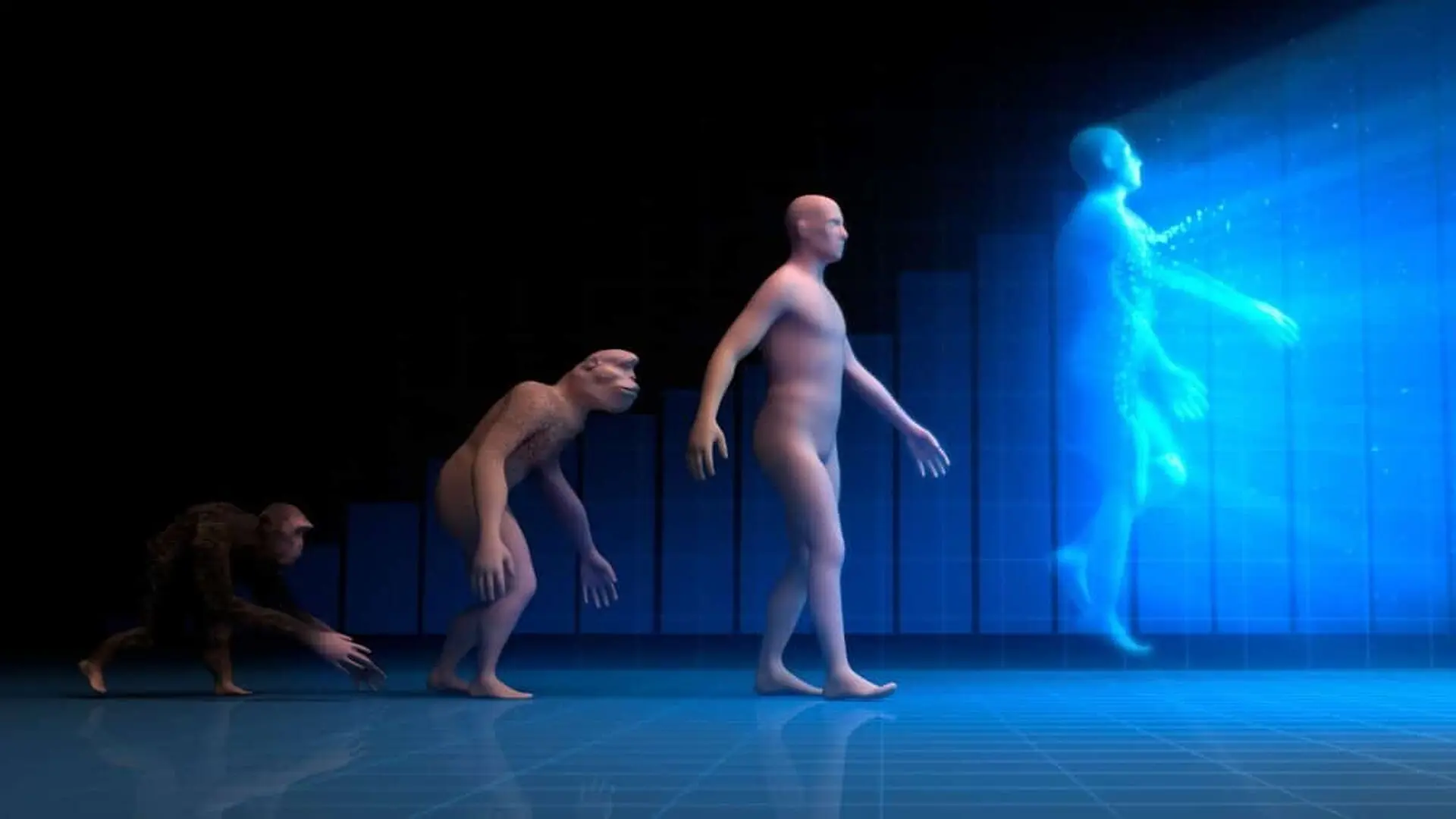
Human evolution may be entering a new, unprecedented phase where cultural inheritance supersedes biological adaptation as the primary driver of our species’ development. A proposal published in 2025 in the journal BioScience suggests that the collective systems we build—ranging from complex legal and medical frameworks to agricultural technologies—are becoming the dominant mechanism through which humans solve survival challenges.
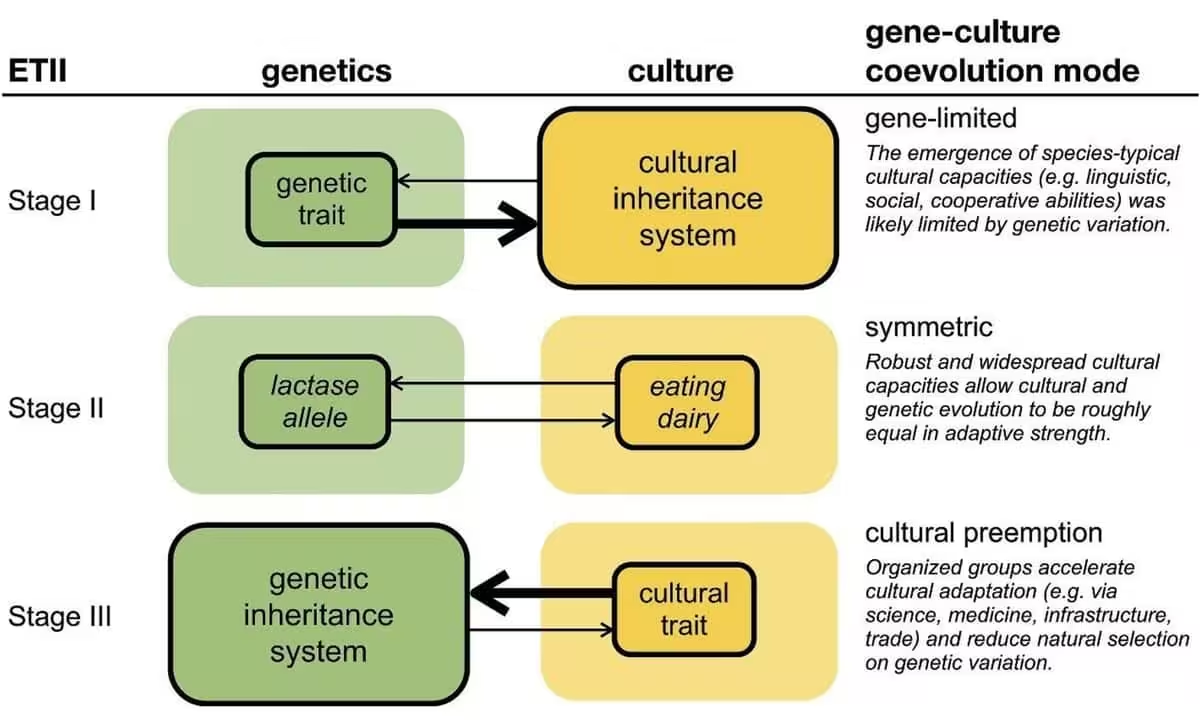
The core of the argument, put forward by researchers Waring and Wood, is that cultural solutions propagate through populations at a velocity that genetic mutations simply cannot match. By modifying our environments, we effectively bypass the sluggish pace of natural selection. Practical advancements such as the use of corrective eyewear or the life-saving capabilities of modern surgery serve as prime examples, demonstrating how cultural interventions provide immediate adaptive advantages that decouple human survival from slow-moving biological variation.
Beyond Biology: The Rise of Cultural Systems
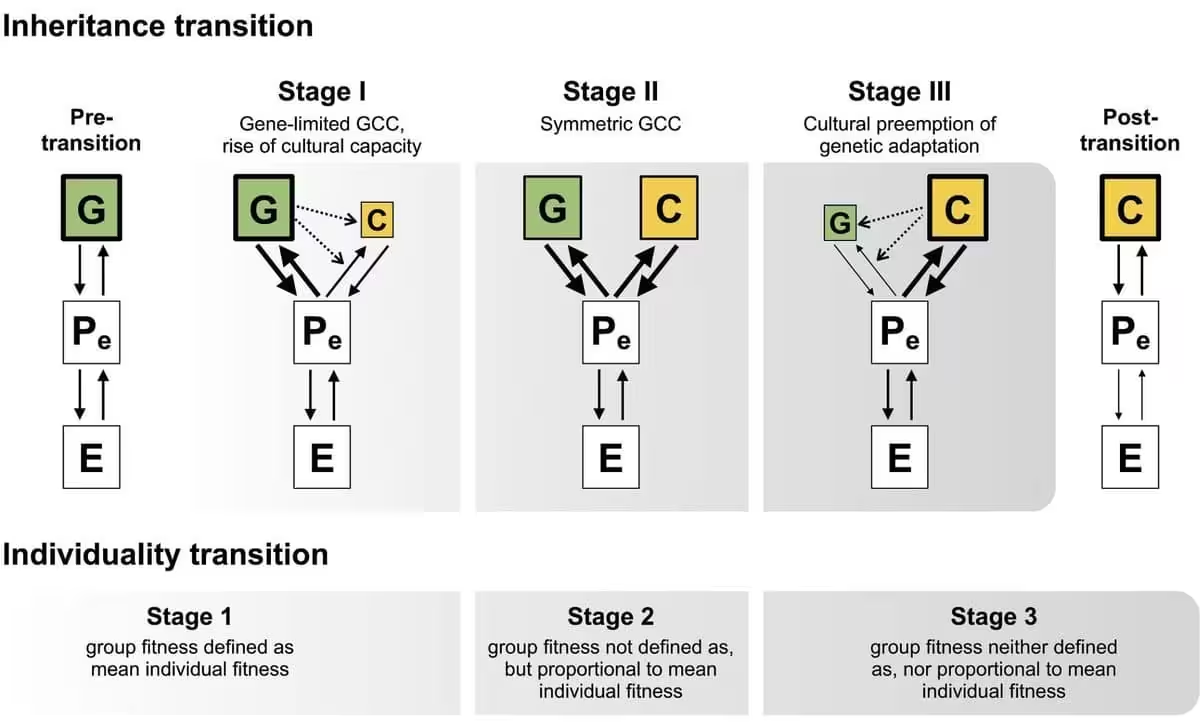
The researchers contend that culture is increasingly performing the heavy lifting previously handled by natural selection. As our species accumulates shared knowledge, we are essentially changing the direction of our own evolutionary path. Through the development of sophisticated institutions, humans have created a buffer between themselves and the harsh pressures of the environment, a process that has unfolded over thousands of years rather than in a sudden, discrete event.
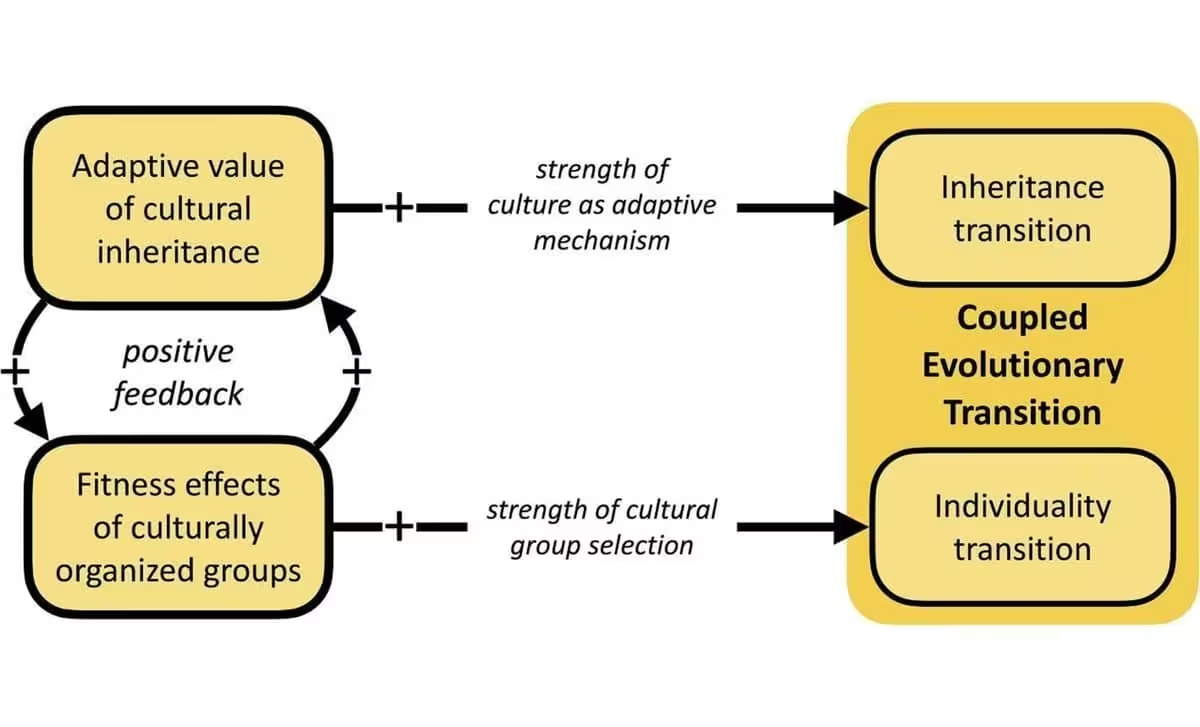
This shift has significant implications for healthcare and medical science. By mitigating the impact of specific biological disparities, cultural responses can effectively silence certain evolutionary pressures that would have otherwise shaped our genetic makeup over successive generations.
The Superorganism Hypothesis and Its Critics
Perhaps the most provocative aspect of the researchers’ work is the suggestion that humanity is transitioning toward a “cultural superorganism.” The authors draw parallels to major transitions in biological history, such as the emergence of multicellular life or the highly structured social behavior of insect colonies. They argue that our reliance on intense cooperation, rigid divisions of labor, and shared infrastructure suggests that we are becoming part of a larger, integrated entity capable of transmitting adaptive information through culture.
However, this theoretical framework is not without its detractors. In a 2025 peer-reviewed critique, researcher Nejad Kourki highlighted a fundamental flaw in this comparison. Kourki argues that while modern institutions may exhibit organism-like traits, they lack the hallmark of true evolutionary individuality: the ability to act as independent units that reproduce and undergo natural selection at the group level.
Quantifying the Future of Human Adaptation
To move beyond speculation, the authors are developing rigorous metrics to evaluate their hypothesis. During a 2026 fellowship at the Konrad Lorenz Institute, the researchers focused on constructing formal models that weigh the influence of cultural versus genetic inheritance on individual success. They acknowledge that empirical evidence in this emerging field remains sparse and that their proposal is a starting point for discussion rather than a definitive roadmap.
Importantly, the authors caution against viewing this transition as an inevitable march toward progress or a signal that technologically advanced societies are biologically “superior.” Culture, they note, is a neutral force that can drive outcomes in both constructive and destructive directions. Whether the “superorganism” label is a scientifically robust classification or merely a useful metaphor for the increasing complexity of human life remains a subject of intense scientific debate.
This article has been fact checked for accuracy, with information verified against reputable sources. Learn more about us and our editorial process.
Last reviewed on .
Article history
- Latest version
Reference(s)
- <https://academic.oup.com/bioscience/article/75/10/803/8230384?login=false>.
- “Research | All Projects | Discover The KLI.” <https://kli.ac.at/content/research/all_projects/view/863>.
Cite this page:
- Posted by Hassan Raza