Frequent Cannabis Use May Be Secretly Escalating Seizures In Epilepsy Patients
New research reveals that near-daily cannabis use is linked to a more than two-fold increase in convulsive seizures for patients with drug-resistant epilepsy.
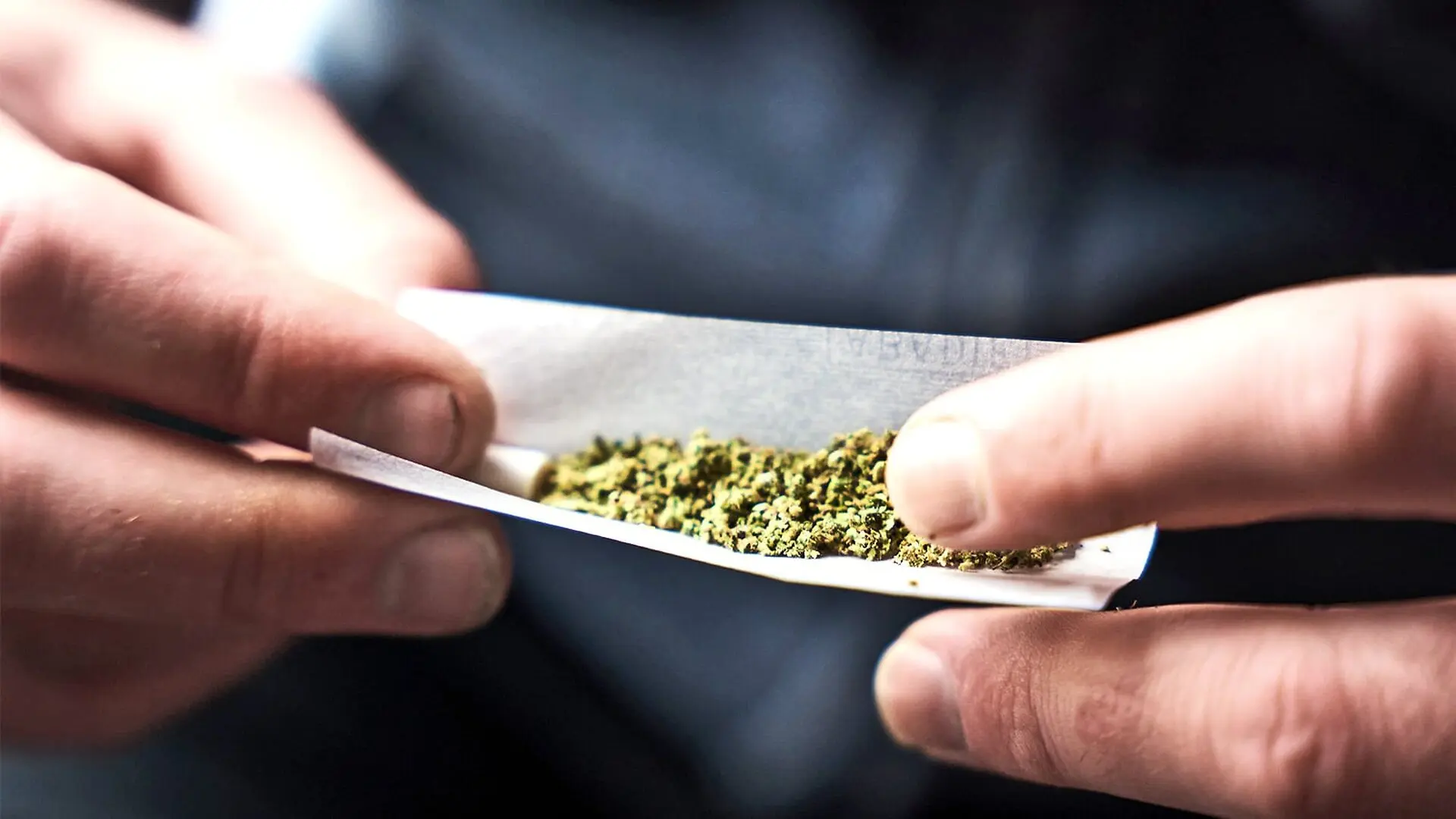
New research suggests a troubling correlation between frequent recreational cannabis use and the severity of drug-resistant epilepsy. A study published in the journal Epilepsia found that adults who used cannabis on most days experienced more than double the annual rate of convulsive seizures compared to nonusers, alongside a faster progression toward medication resistance.
The investigation focused on 64 patients treated at a specialized epilepsy monitoring unit between 2019 and 2024. Among the cohort, researchers identified 22 individuals who reported using cannabis at least 20 days per month. When comparing this group to 42 nonusers, the team discovered that frequent users required an escalation in treatment much sooner, reaching a state of drug-resistant care an average of five years after their initial diagnosis, compared to 18 years for those who did not use cannabis.
Notably, 90% of the frequent cannabis users suffered from generalized tonic-clonic seizures—often known as grand mal seizures—which are linked to a higher risk of injury and sudden unexpected death in epilepsy (SUDEP). In contrast, only half of the nonusers experienced these severe events.
“I was seeing patients with horrible seizures, really severe epilepsy, who didn’t have any of the expected risk factors,” said senior author Aaron F. Struck, an associate professor of neurology at Washington University School of Medicine in St. Louis. “The one thing they had in common was frequent, high-potency cannabis use. It’s an uncontrolled variable that was appearing more and more in my practice, and nobody had really studied it.”
While the study does not definitively prove that cannabis causes the worsening of epilepsy, the data provides a compelling reason for clinicians to initiate discussions with patients. Researchers highlighted that in the 15 cases where timelines were clearly documented, patients began using cannabis before their first seizure occurred, suggesting that they were not using the drug as a form of self-medication for their condition.
The biological mechanisms behind these findings may relate to the interaction between THC and the brain. While the FDA has approved a purified form of CBD—a non-psychoactive compound—to treat specific forms of epilepsy, recreational cannabis products are increasingly dominated by high levels of THC. Unlike CBD, which may help suppress seizures, THC acts on receptors located in regions of the brain where seizures frequently originate, potentially disrupting standard neural circuitry.
This disruption might explain why, despite the severity of their seizures, frequent cannabis users often showed normal brain scans. Typically, severe epilepsy results in visible scarring on the hippocampus, but these patients lacked that traditional pathology, leading researchers to hypothesize that their seizures stem from dysfunctional signaling rather than physical brain damage.
“There isn’t definitive data that cannabis use worsens epilepsy,” Struck said. “But if someone is using cannabis to help with anxiety or sleep, I’d prefer to treat those problems with drugs we understand rather than something largely unregulated whose impact on the brain we don’t really know.”
To move beyond these initial observations, the research team is currently developing a larger, multi-center study. They intend to incorporate more objective measures of consumption and examine a more diverse patient population to clarify the relationship between usage patterns and seizure outcomes.
“Right now, the honest answer when a patient asks whether their cannabis use is affecting their seizures is that we’re not sure,” said lead author Santiago Philibert-Rosas. “Larger studies will help us give them a real answer—how much matters and whether stopping helps—so they can make an informed decision.”
This article has been fact checked for accuracy, with information verified against reputable sources. Learn more about us and our editorial process.
Last reviewed on .
Article history
- Latest version
Reference(s)
- Philibert‐Rosas, Santiago., et al. “Frequent cannabis use and the association with seizure burden in drug‐resistant epilepsy.” Epilepsia, September 28, 2026 Wiley, doi: 10.1002/epi.70456. <https://doi.org/10.1002/epi.70456>.
Cite this page:
- Posted by Hassan Raza