Why Experts Fear a Rising Global Fungal Pandemic Is Closer Than We Think
Fungal infections are devastating wildlife globally, and scientists are now uncovering why our own natural immune defenses may be losing their edge.
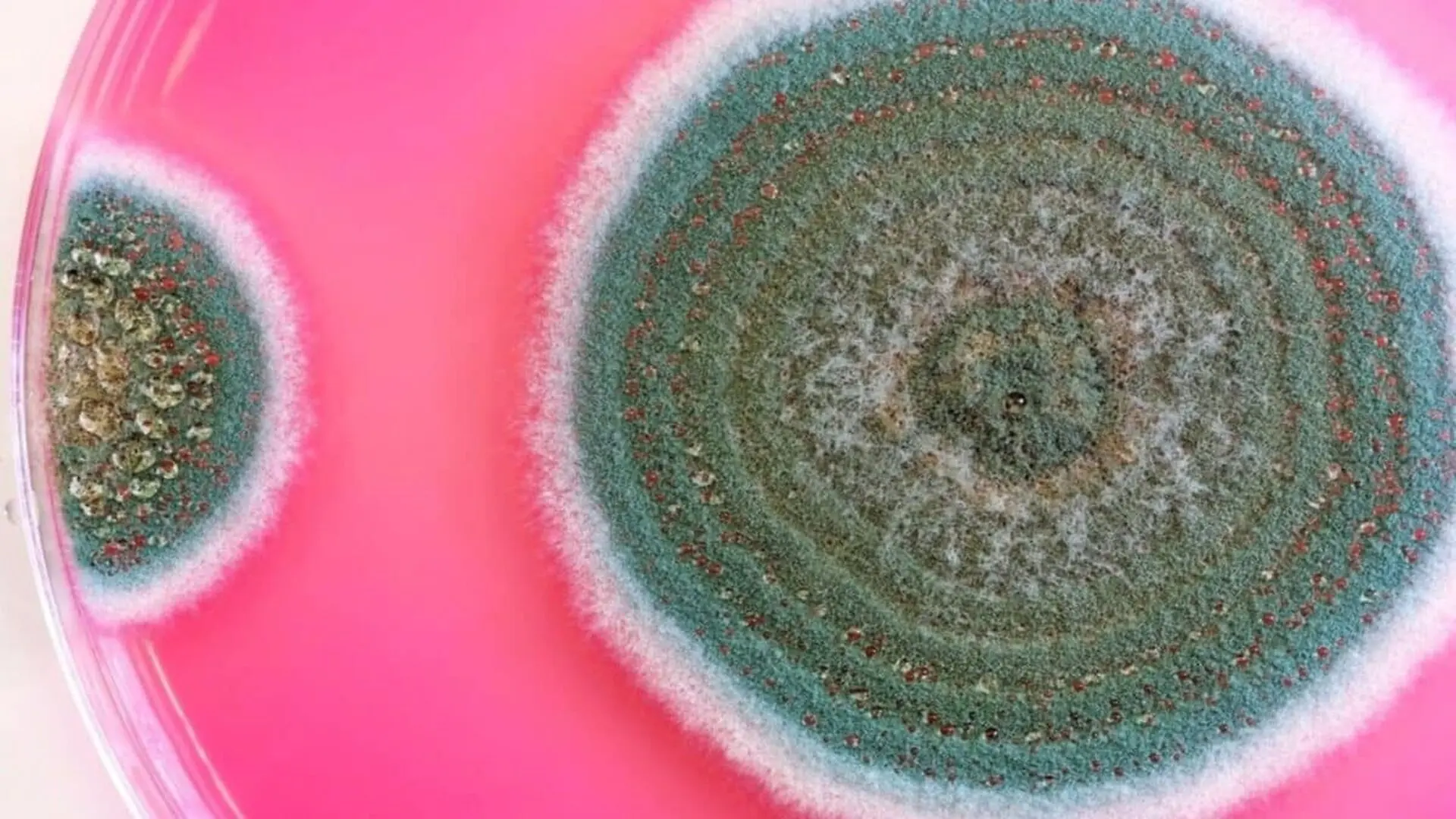
For nearly two decades, Arturo Casadevall, chair of molecular microbiology and immunology at Johns Hopkins University, has investigated the shifting ecological balance between fungi and mammals. His long-standing research has taken on new urgency with the rise of Candida auris, a drug-resistant yeast that has emerged independently across multiple continents. The pathogen is now classified as an urgent threat by the US Centers for Disease Control and Prevention (CDC), highlighting a broader vulnerability in human health security.
The Shrinking Thermal Barrier
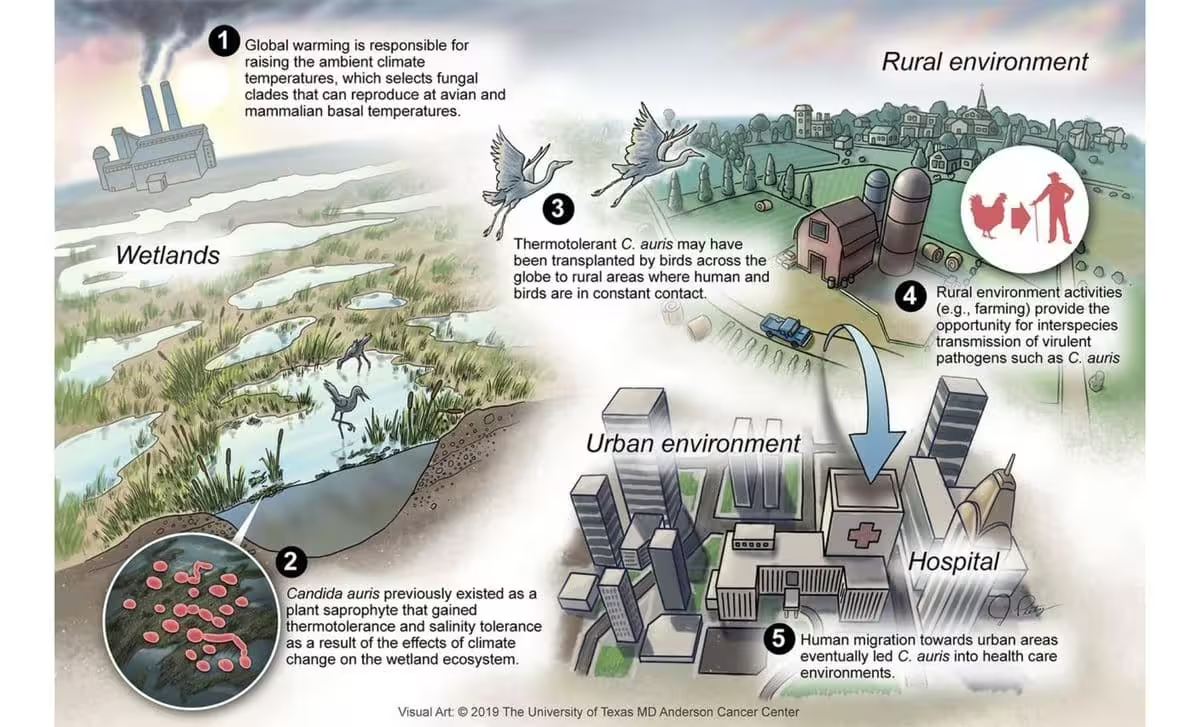
For millennia, the mammalian body temperature has acted as a critical, hard-wired defense against fungal pathogens. Most fungi thrive in cooler environments, making the warmth of the human body a natural inhospitable zone for their reproduction. However, this evolutionary shield is currently being tested by two converging trends.
According to Casadevall, as global ambient temperatures climb, environmental fungi are under selective pressure to adapt to higher thermal thresholds. This environmental shift, combined with a documented decline in average human body temperature over the last century, is effectively narrowing the gap that has long served as our primary protection against invasive fungal colonization.
A Persistent Medical Menace
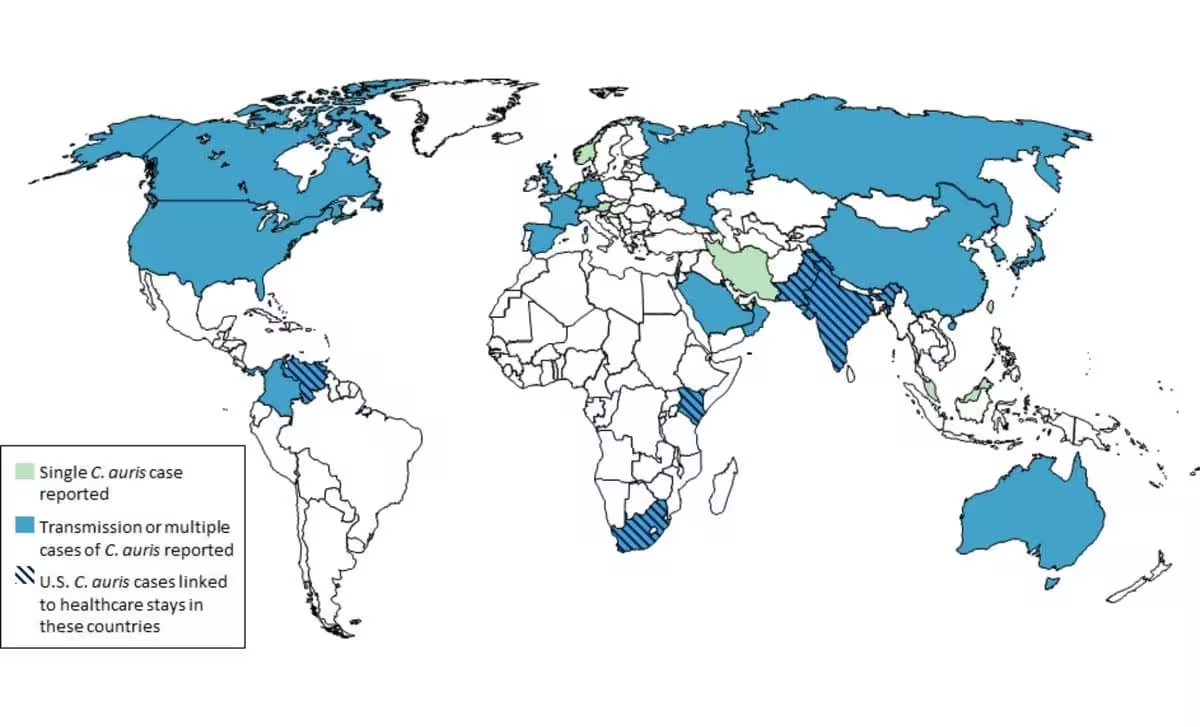
The case of Candida auris, which was first identified in 2009 within a patient’s ear canal in Japan, illustrates the speed at which these pathogens can spread. What baffled researchers was the pathogen’s near-simultaneous appearance of genetically distinct, unrelated strains in South America, South Africa, and the Indian subcontinent, followed by lineages appearing in Russia, Iran, and Singapore.
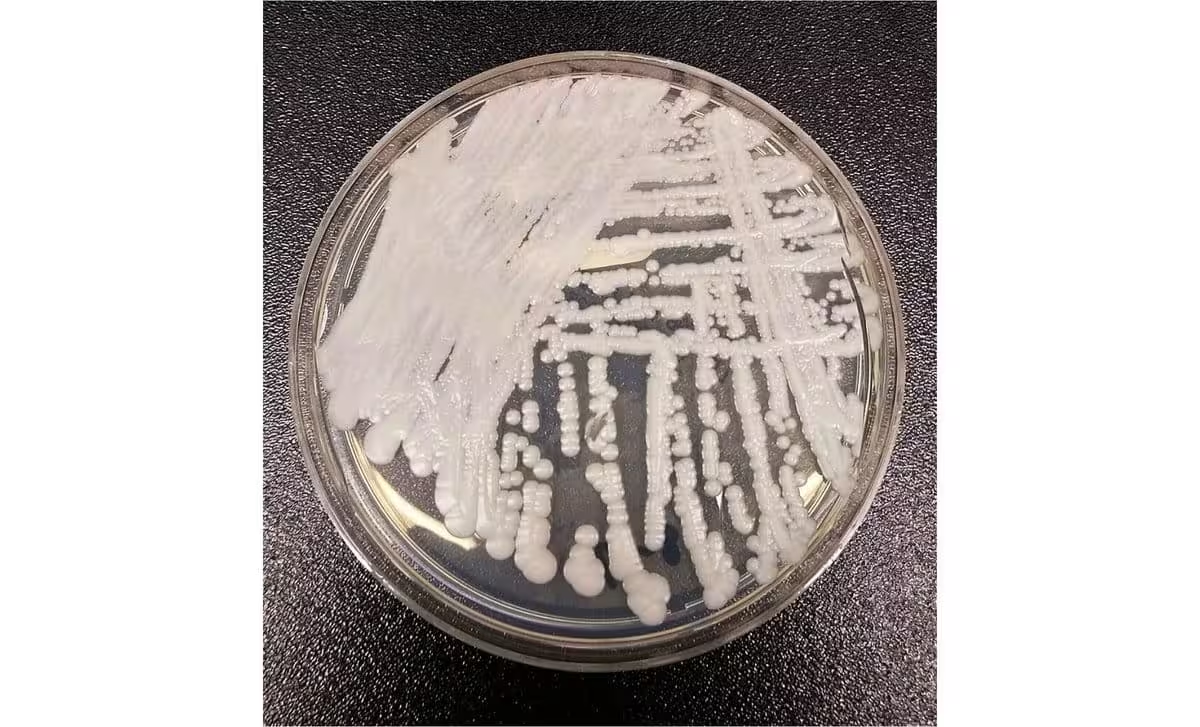
“Nobody thinks anything of it at first, because you report new fungal diseases every year,” Casadevall remarked in an interview with Popular Mechanics. The threat is compounded by the yeast’s persistence in clinical environments, where it can survive on surfaces for weeks and enter the bloodstream through medical hardware like catheters. In cases of invasive infection, mortality rates have reportedly hit 60 percent among the most vulnerable patient populations.
The Narrowing Scope of Antifungal Defense
Physicians are currently limited to only three major classes of antifungal drugs, a constraint that complicates treatment as resistance grows. Ana Traven, a professor of medical mycology at Monash University, points to a critical systemic issue: the widespread agricultural use of triazole fungicides. Because these chemicals belong to the same class as essential medical treatments, their extensive use in farming is accelerating the evolution of resistant fungi.
“Overspraying crops is 100% the problem,” Traven told Popular Mechanics. “We are spraying crops and using the same classes of drugs that we use in the clinic on these crops.”
Developing new treatments is inherently difficult because fungi are eukaryotes, meaning their cellular biology closely mirrors our own. Unlike antibiotics, which can target bacterial cells without harming human tissue, antifungal drugs often struggle to strike a balance between efficacy and toxicity. Traven’s team is now focusing on immunomodulation—specifically, preventing fungi from triggering the rupture of macrophages, the immune cells that normally engulf and destroy pathogens.
By administering alanine, researchers have shown they can block the NINJ1-driven mechanism that allows fungi to escape from immune cells and disseminate throughout the body. While promising, this is just one step in a much larger, underfunded field of medicine.
Ecological Warnings and Future Risks
The natural world offers a sobering preview of what happens when fungi bypass immune barriers. Casadevall notes that the mass loss of amphibian species—with roughly 100 species lost to fungal outbreaks—and ongoing threats to bat and salamander populations demonstrate the lethal potential of these pathogens.
While Candida auris is currently transmitted through direct contact rather than through the air, Casadevall warns against complacency. He notes that if a fungal pathogen were to adapt for respiratory transmission—perhaps by sporulating within the lungs—the landscape of public health could change drastically.
“Humanity is not prepared for a fungal pandemic,” Casadevall warned. His message serves as a stark reminder that while we have focused heavily on viral and bacterial threats, the kingdom of fungi remains a significant, evolving risk that demands immediate scientific and public health attention.
This article has been fact checked for accuracy, with information verified against reputable sources. Learn more about us and our editorial process.
Last reviewed on .
Article history
- Latest version
Reference(s)
- <https://www.cdc.gov/antimicrobial-resistance/media/pdfs/candida-auris-508.pdf>.
- <https://elifesciences.org/articles/49555>.
- <https://pubmed.ncbi.nlm.nih.gov/19161556/>.
- Kazamia, Elena. “These Tiny Creatures Are Wiping Out Species Across the Globe. They’re Coming for Humans Next..”, October 21, 2026 Popular Mechanics <https://www.popularmechanics.com/science/health/a74193358/human-fungi-at-deadly-crossroads/>.
- B., Egger,. “The rise of Candida auris: from unique traits to co-infection potential.” Microbial Cell, doi: https://microbialcell.com/researcharticles/2022a-egger-microbial-cell/. <https://microbialcell.com/researcharticles/2022a-egger-microbial-cell/>.
- Weerasinghe, Harshini. “Infection-induced glucose starvation triggers NINJ1-dependent macrophage lysis and Candida escape - Nature Communications.”, vol. 17, no. 1, June 10, 2026, pp. 7387 Nature, doi: 10.1038/s41467-026-74195-6. <https://www.nature.com/articles/s41467-026-74195-6>.
Cite this page:
- Posted by Hassan Raza