Virtual Dance Classes Deliver Moderate Workouts for Parkinson’s Patients
A novel AI and heart rate tracking pipeline reveals that home-based dance routines provide steady physical exertion for older adults.
When 15 adults living with Parkinson’s disease strapped on wireless heart rate monitors and tuned into a 60-minute online dance class from their living rooms, researchers discovered that virtual choreography could deliver a solid moderate-intensity workout. While dance has long been celebrated for helping individuals maintain balance and mobility, tracking the exact physical exertion levels of remote classes has remained a guessing game until now.
By combining asynchronous heart rate tracking with computer vision technology, scientists published in Sensors (Basel, Switzerland) have successfully mapped out the physical demands of remote dance instruction. The investigation revealed that participants spent an average of 58 percent of the virtual session working out at a moderate intensity, meeting roughly 22 percent of the minimum weekly physical activity volume recommended for adults with the neurodegenerative condition.
How Researchers Tracked Virtual Dancing Remotely
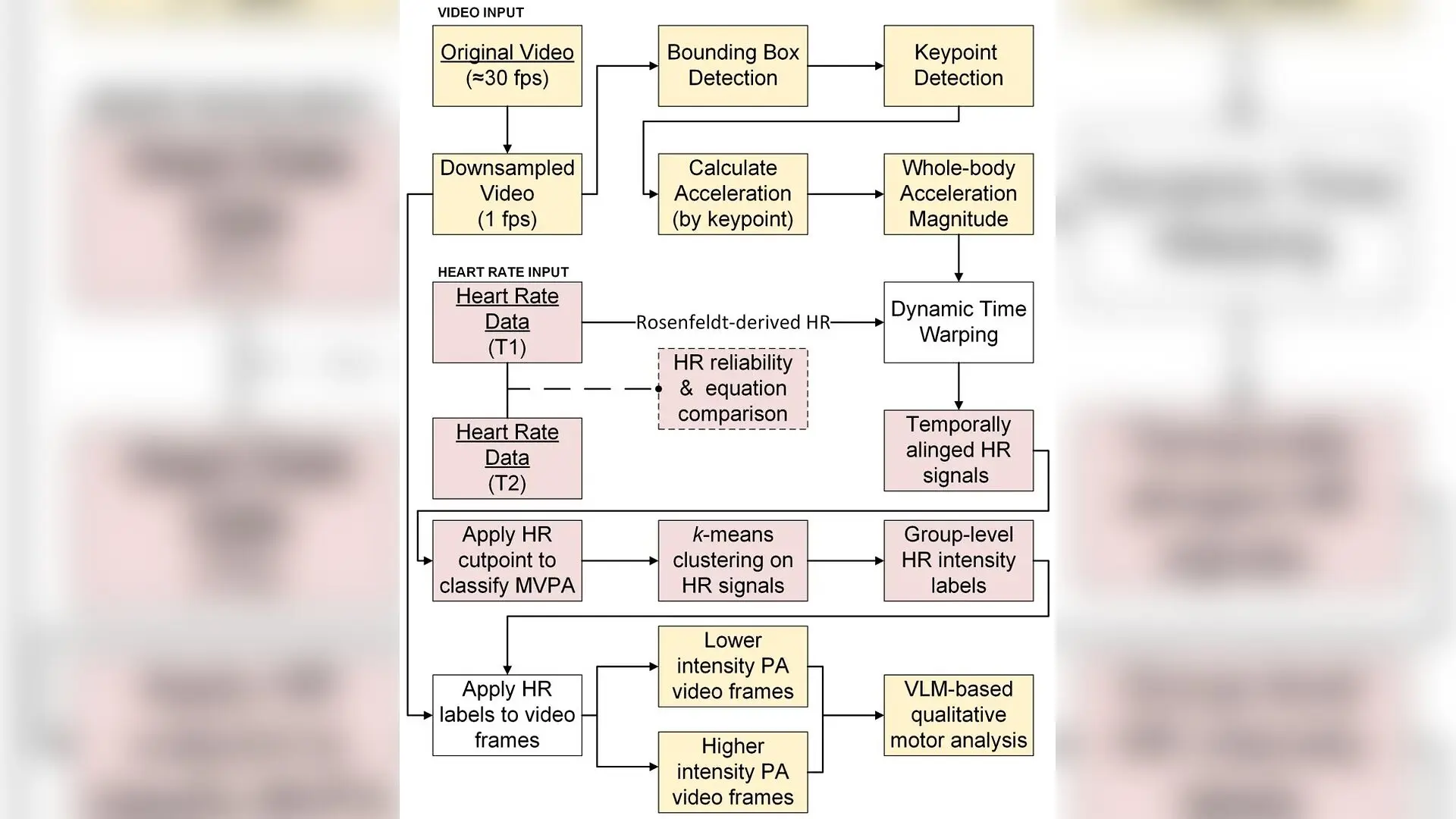
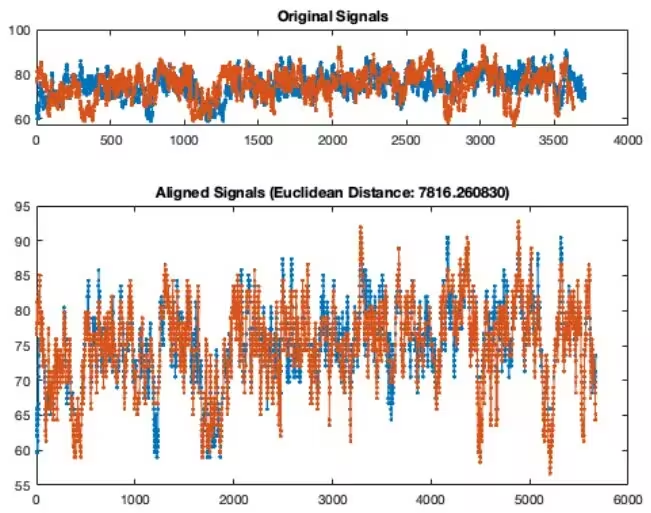
The study involved 15 participants ranging in age from 46 to 84 years old, with women making up roughly 93 percent of the group. Each participant wore a wireless chest-strap heart rate monitor during two separate home-based exposures to the exact same pre-recorded Dance for PD session, a codified program created by the Mark Morris Dance Group. Because participants recorded their biological signals independently at home, the data collection times varied slightly, requiring a mathematical method known as dynamic time warping to sync the heart rate records with the instructor’s video movements.
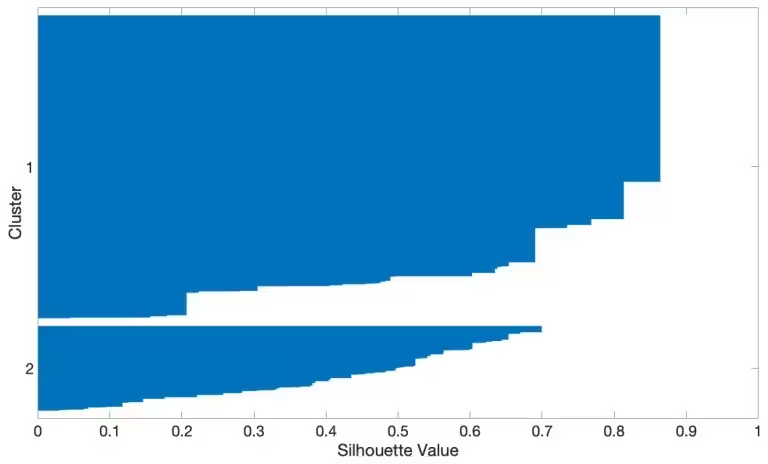
To break down the workout, the study’s lead authors, Aston K. McCullough and colleagues, implemented a two-step analytical pipeline. First, they used an unsupervised machine learning algorithm to cluster heart rate responses into lower- and higher-intensity intervals. Second, they deployed a specialized vision-language model named Telara to analyze extracted video frames of the instructor, allowing the team to categorize the exact physical behaviors driving the participants’ physiological responses.
What Different Intensity Segments Look Like in Practice
The computational analysis showed that the heart rate responses were remarkably stable across different days, showing high intraclass correlation coefficients of 0.93 when using specific disease-tailored prediction formulas. The machine learning pipeline successfully isolated intervals where participants pushed into higher physical exertion brackets, registering heart rate averages that were about 5.5 percent higher than during baseline segments.
Qualitative video analysis demonstrated a stark contrast in movement patterns between the two exertion tiers. Lower-intensity sections typically featured seated postures on a stool, narrower bases of support, and expressive upper-body hand gestures. By contrast, higher-intensity segments required wider, staggered lunge stances, active weight transfers, significant trunk rotation, and pronounced side-to-side head movements.
Overcoming Technological Hurdles in Home-Based Health Studies
Despite the promising physiological outcomes, the study exposed notable accessibility hurdles for older adults adopting remote health technology. Some participants encountered challenges setting up tablets, connecting to Wi-Fi networks, and managing software updates on iOS applications. Upper-extremity tremors associated with Parkinson’s disease also made independently tightening chest straps difficult for certain individuals, while one participant experienced normal daytime drowsiness and fell asleep mid-class.
These real-world challenges emphasize that while decentralized digital health monitoring is viable, older cohorts often require extended orientation periods and occasional care partner assistance to ensure reliable data collection. Furthermore, the study sample consisted primarily of white, non-Latinx women without severe balance impairments, meaning future research must expand demographic diversity to determine whether these workout intensities translate universally across the broader Parkinson’s community.
The research was published in Sensors (Basel, Switzerland) on November 9, 2026.
This article has been fact checked for accuracy, with information verified against reputable sources. Learn more about us and our editorial process.
Last reviewed on .
Article history
- Latest version
Reference(s)
- McCullough, Aston K.., et al. “Asynchronous Assessment of the Relative Intensity of an Online Dance for Parkinson’s Class Using Heart Rate and Video Data.” Sensors, vol. 26, no. 21, November 9, 2026, pp. 7075 MDPI AG, doi: 10.3390/s26217075. <https://doi.org/10.3390/s26217075>.
Cite this page:
- Posted by Hassan Raza