Ancient Fingerprints on 8,000-Year-Old Pottery Reveal First Dedicated Workshop
Archaeologists find 8,000‑year‑old fingerprints on Turkish pottery, revealing hidden ancient individuals and offering new insight into prehistoric lives.
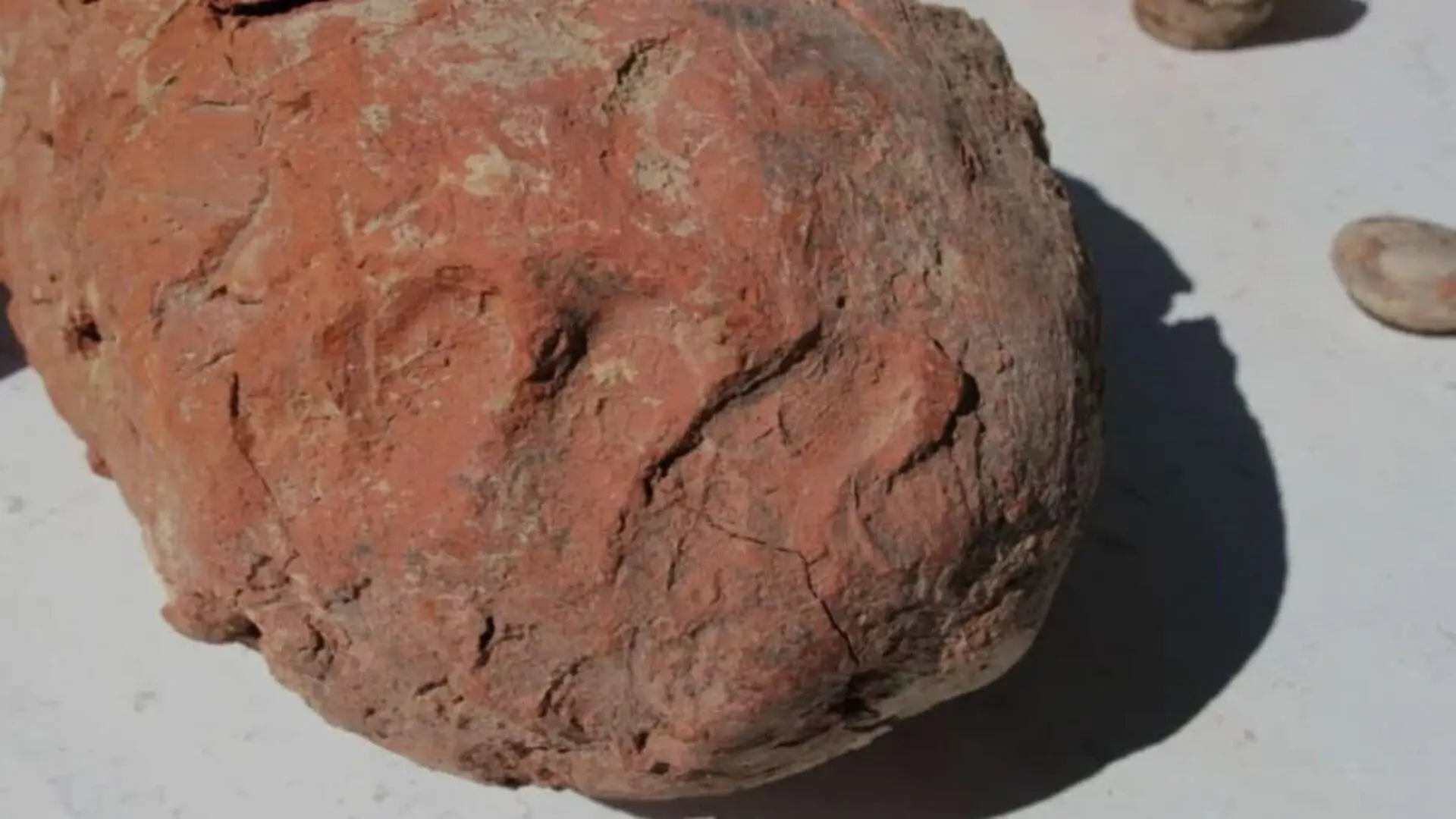
Archaeologists have recovered fingerprints that survived on ceramics and raw clay dating back roughly 8,000 years from the Ulucak Mound in western Turkey, offering a rare glimpse into how early societies began to organize pottery production.
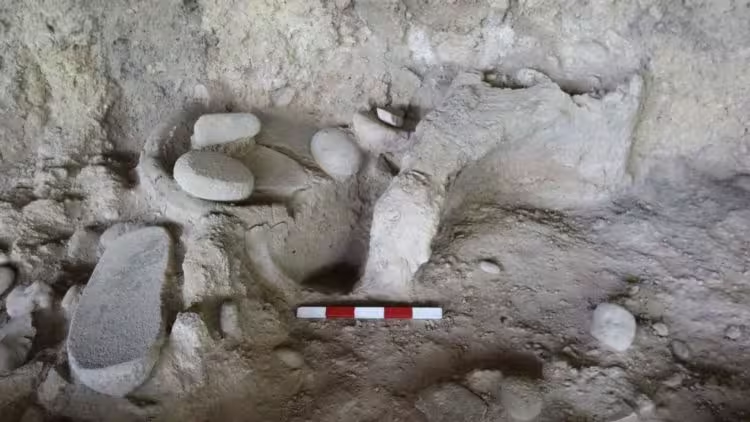
The workshop, dated to between 6000 and 5840 BC, was uncovered within a six‑room building that housed unfinished vessels, pigments, and a suite of tools. The site has been under investigation since 2009 by Professor Ozlem Cevik of Trakya University.
According to Professor Cevik, the preserved fingerprints constitute some of the earliest concrete evidence that pottery was crafted by skilled artisans operating in a dedicated workshop rather than solely within household contexts.
Ancient Fingerprints Reveal Early Ceramic Practices
Among the most striking finds are impressions left on clay slabs that were later shaped into ceramic vessels. Analysis shows prints from adult males, adult females, and children as young as eleven, suggesting that pottery preparation involved participants of varied ages and genders.
Studying such ancient fingerprints is complicated by millennia of environmental exposure, which can erode or fragment the original marks, making detailed interpretation a challenge. For further context on similar discoveries, see the study of ancient fingerprints elsewhere.
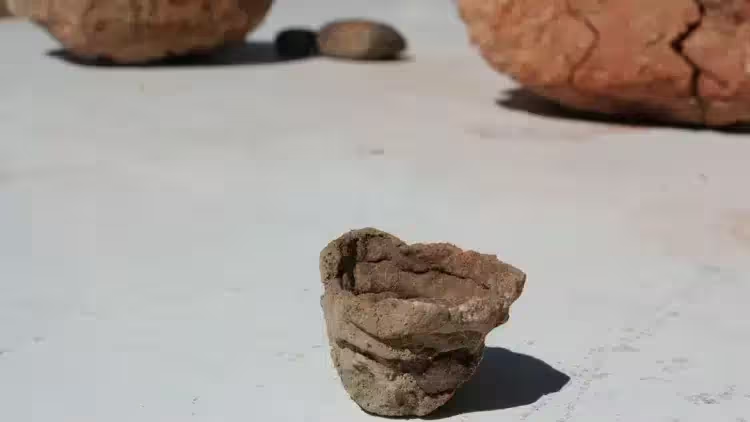
Modern imaging techniques allow researchers to capture clearer versions of the best‑preserved prints, helping to reconstruct the ridge patterns and identify individual contributors. The success of these methods depends heavily on how the original impression was made.
“The ability to image a fingerprint accurately hinges on its state of preservation. If the maker did not move the finger or press repeatedly on the same spot, the imprint can be captured with high precision using advanced cameras,” explained Cevik.
Dedicated Workshop Sheds Light on Neolithic Ceramic Production
The Ulucak Hoyuk discovery reshapes our understanding of how pottery manufacturing developed in western Anatolia. The six‑room complex contained not only raw and partially formed pottery but also the full complement of tools, pigments, and ancillary materials associated with ceramic craft.
“This workshop, dating to 6000‑5840 BC, offers the first clear indication that a group of specialized potters operated in a space separate from domestic dwellings,” Cevik said.
Reporting by Newsweek emphasizes that the presence of a purpose‑built workshop implies a level of technical knowledge concerning clay preparation, shaping, and decorative techniques that surpasses simple household production.
Tools and Materials Reveal Early Ceramic Techniques
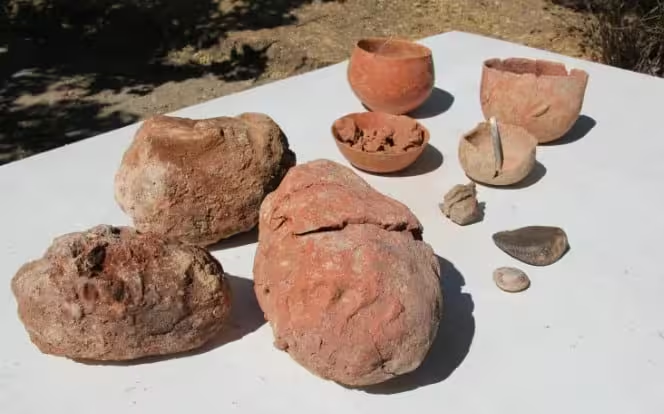
Artifacts recovered from the site include lumps of red pigment—likely hematite—grindstones for pigment processing, bone spatulas for smoothing, polishing stones, and partially formed coil‑built vessels. These items illustrate a multi‑stage manufacturing sequence that required considerable skill.
Before reaching their final form, clay needed to be conditioned, shaped, refined, and adorned using a combination of specialized implements, underscoring the sophistication of Neolithic craft practices.
Professor Cevik stresses that additional analyses are required to delineate the technological differences between household pottery making and workshop‑based production, including variations in clay preparation, forming methods, and artisan expertise.
“Further investigation will clarify whether the distinctions arise from fabric preparation, shaping techniques, skill levels, or a combination of these factors,” he added.
This article has been fact checked for accuracy, with information verified against reputable sources. Learn more about us and our editorial process.
Last reviewed on .
Article history
- Latest version
Cite this page:
- Posted by Vikram Desai