Why Austria Drivers Refuse Carpooling Despite €6.5 Billion Congestion Costs
A novel customer journey tracking protocol maps user drop-off points along a busy Austrian commuter corridor to boost shared mobility adoption.
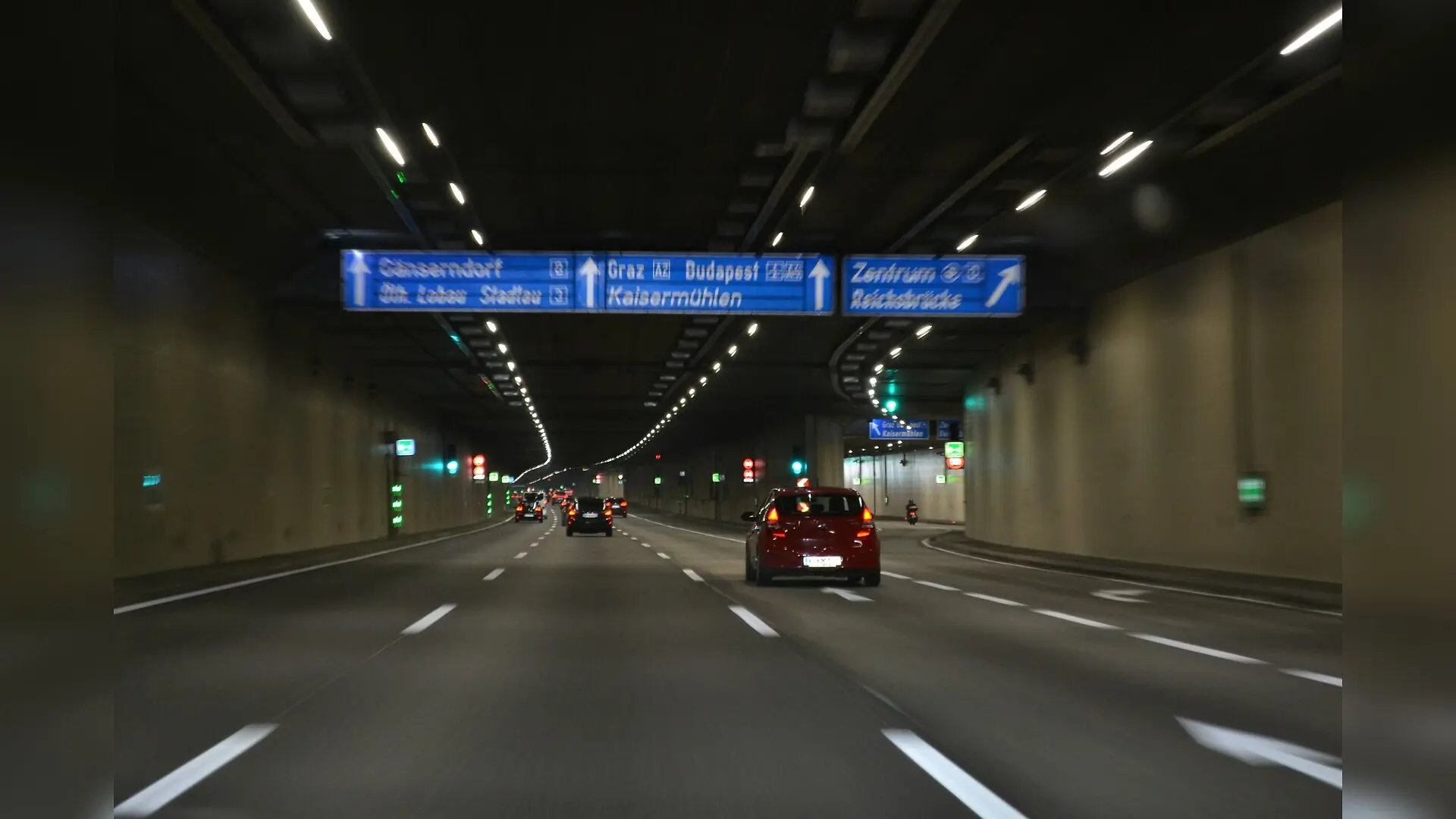
Urban traffic in Austria generates financial losses of €6.5B every year, with single-occupancy cars accounting for 82% of all highway journeys. Although peer-to-peer ridesharing has the potential to reduce vehicle kilometers traveled by 15% to 25%, adoption rates stubbornly remain below 5% despite the availability of instant matching applications. A research team initiated a detailed investigation within Austria’s MUST project, published in Re-Generation in Transport, to discover why potential users abandon shared mobility apps before completing a trip.
How Customer Journey Mapping Unlocks Hidden Adoption Barriers
Most existing research relies on standard surveys that capture static opinions rather than real-time behavioral shifts. To fix this, investigators introduced service design principles to track every phase of user engagement, from initial awareness to long-term loyalty. This protocol identifies drop-off points across twelve sequential touchpoints, a level of detail previously reserved for commercial mobility-as-a-service applications.
The study centers on Corridor 3, a 45-kilometer commuter route between Freistadt and Linz that carries approximately 28,000 daily commuters. Baseline metrics show an average vehicle occupancy of just 1.24 persons per car. Investigators established a multi-stage data collection framework spanning from 2025 to 2026, combining platform analytics from the DOMINO app, longitudinal surveys involving 300 participants, and real-time behavioral tracking.
Targeting Daily Commuters and Live Entertainment Audiences
The research separates transport demand into two distinct use cases to test tailored interventions. The first scenario examines routinized commuting traffic by integrating DOMINO carpools with peripheral park-and-ride facilities and redeemable public transport reward points. The second scenario investigates non-routinized leisure traffic by engaging hockey fan communities with event-specific push notifications.

Initial analytics from the active test community demonstrate steady growth in driver requests over a twelve-month observation window. Geospatial heatmaps illustrate high activity concentrations along the Freistadt-Linz corridor, with platform registers counting 188 active participants offering up to 1,400 potential rides.
What Limitations and Future Steps Shape the Project Timeline
Because the investigation is structured as an early-stage protocol, empirical impact results remain in development ahead of final presentations planned for 2028. Researchers note that focusing on a single geographical corridor limits immediate external validity, while self-reported survey responses carry risks of social desirability bias. Investigators plan to mitigate these distortions by cross-referencing survey data directly with objective platform activity logs.
The research was published in Re-Generation in Transport on January 1, 2027.
This article has been fact checked for accuracy, with information verified against reputable sources. Learn more about us and our editorial process.
Last reviewed on .
Article history
- Latest version
Reference(s)
- Juppe, Melanie., et al. “The Impact of Ridesharing on Urban Mobility: Shifting Transportation for Sustainable Reasons.” Lecture Notes in Mobility, October 29, 2026, pp. 966-972. Springer Nature Switzerland, doi: 10.1007/978-3-032-37192-8_116. <https://doi.org/10.1007/978-3-032-37192-8_116>.
Cite this page:
- Posted by Raj Joshi