Hospital Sedative Successfully Triggers Two-Day Metabolic Slump
A five-day laboratory trial reveals that continuous drug infusion safely lowers human calorie burn and oxygen use, but rapid cellular tolerance limits longer use.
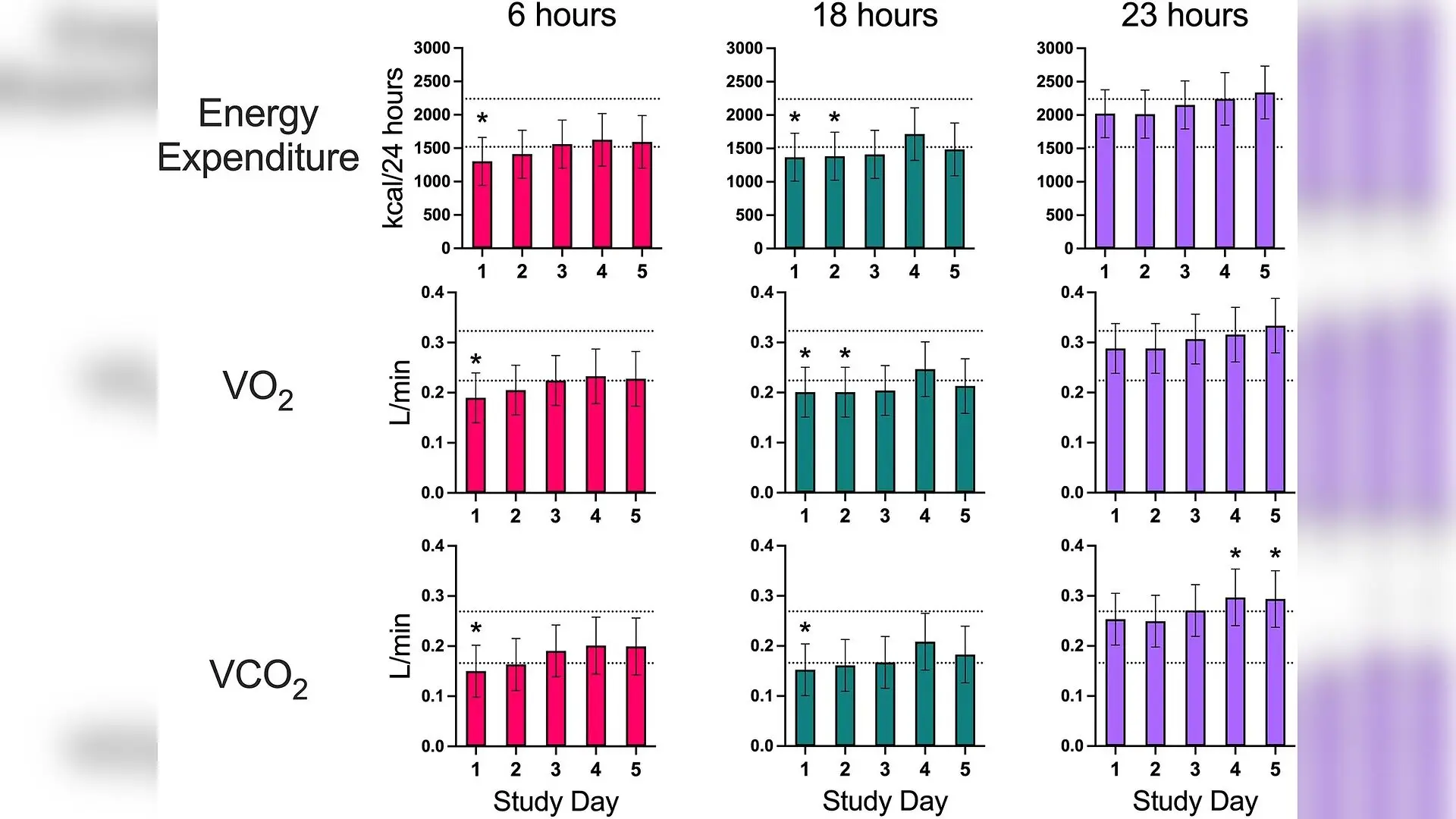
A sedative drug routinely used in hospitals can safely lower human energy use and metabolism for up to 48 hours, though the body quickly builds a tolerance that limits longer use. Researchers testing whether humans can mimic natural animal hibernation found that a five-day infusion protocol successfully drove down oxygen consumption and calorie burn, but the physiological benefits wore off after the second day.
The work, published in PLoS One by a team at the University of Pittsburgh, explores how to curb human metabolic demand during emergency situations. Such metabolic suppression could eventually help extend survival times during catastrophic life-support failures in spaceflight, or reduce oxygen consumption and carbon dioxide buildup during prolonged underground rescues in confined spaces like caves or disabled submarines.
How the Sedative Drug Alters Human Metabolism
The research team focused on dexmedetomidine, an alpha-2-adrenergic agonist, which is a class of medication that induces sleep-like sedation and drops core body temperature without shutting down the respiratory drive. Unlike other anesthetics that require mechanical ventilators to keep patients breathing, this compound allows spontaneous breathing while suppressing cold-induced thermogenesis, which is the body’s natural shivering response to maintain heat.
To test its practical limits, the investigators recruited healthy adult participants aged 18 to 55 for a controlled laboratory study. Five participants received subcutaneous infusions of the drug at a rate of 1 microgram per kilogram per hour for 18 hours each day over five consecutive days, followed by a six-hour daily window for meals, personal care, and supervised exercise. Five separate participants received a saline placebo for comparison under identical conditions.
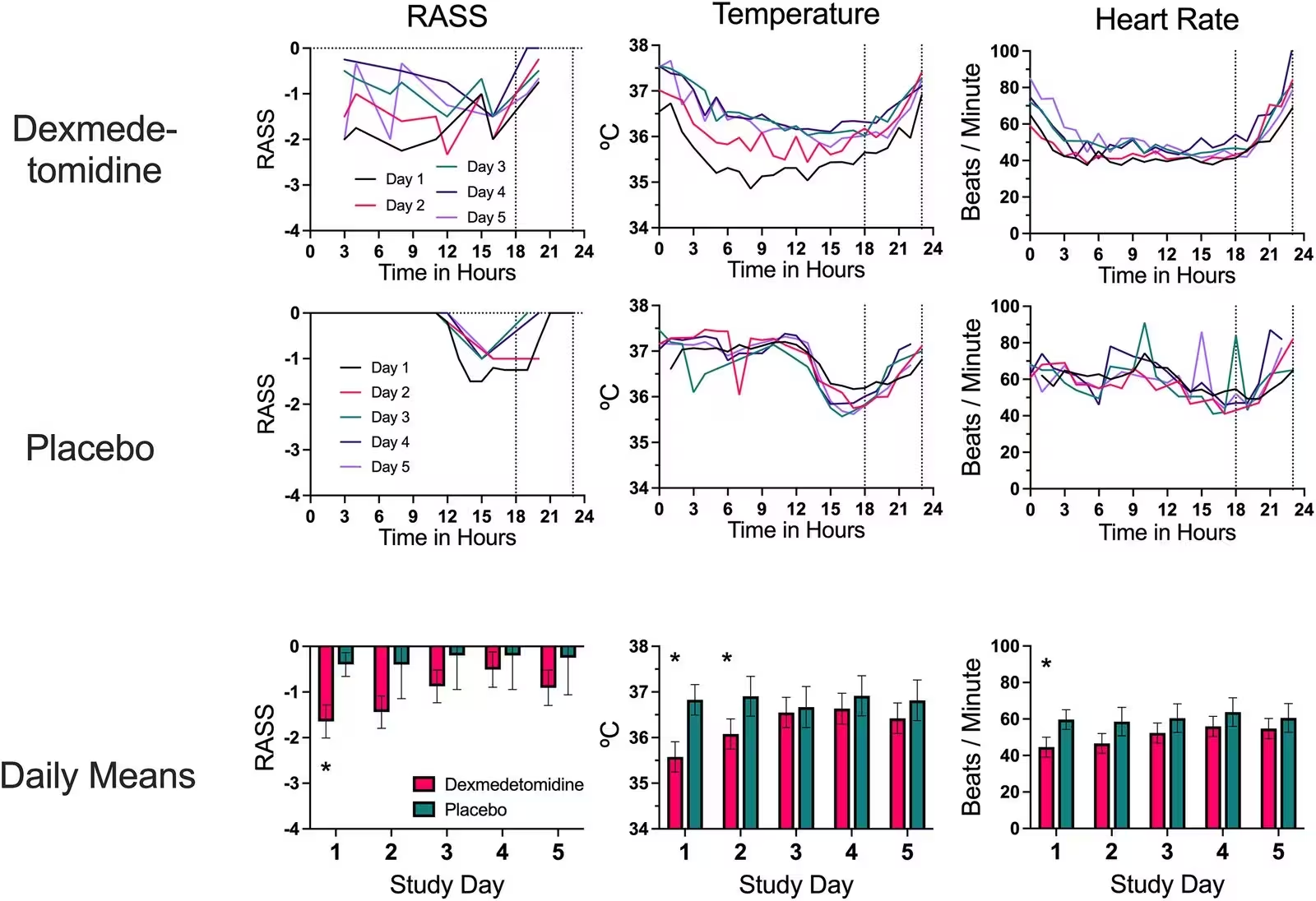
On the first day of drug delivery, the results showed dramatic drops in metabolic markers. Participants experienced a 30.3% reduction in energy expenditure and a 28.7% decrease in oxygen consumption during quiet rest compared to baseline measures, alongside a 37.2% reduction in carbon dioxide production. Overall energy expenditure plummeted by an average of 577 kilocalories per day during those initial infusion windows.
The Unexpected Barrier of Rapid Biological Tolerance
Despite the strong start, the metabolic suppression proved short-lived as the body adapted to the constant presence of the drug. Measurements confirmed that the drug-induced decreases in oxygen consumption and calorie burn steadily diminished after the second day of the protocol. By days three, four, and five, the metabolic rates of the participants no longer differed significantly from their baseline resting values.
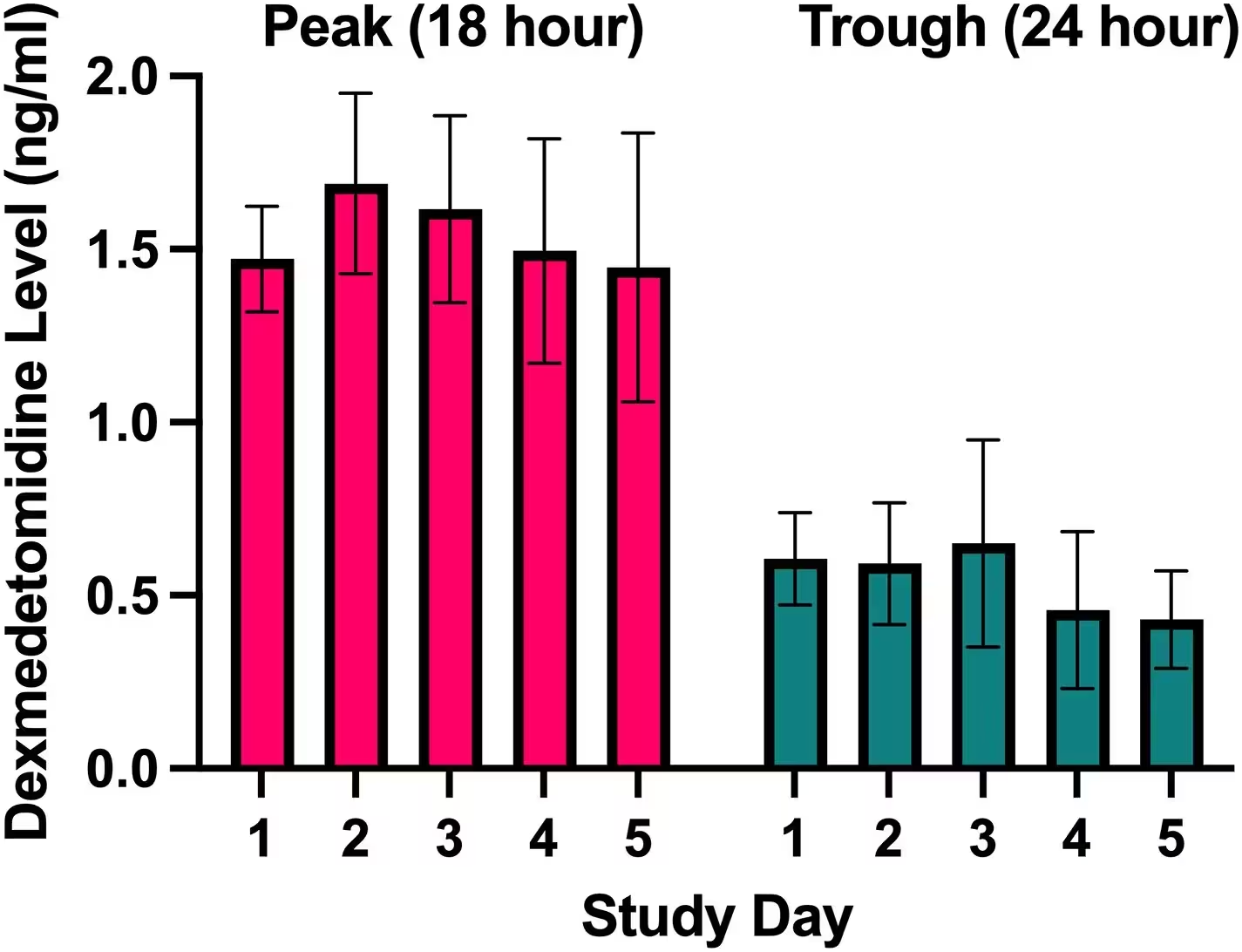
The investigators noted that this decline in effectiveness was not caused by changes in how the body cleared the medication, because blood plasma levels of the drug remained consistent across all five days. Instead, the team pointed to cellular receptor desensitization, a standard pharmacological process where cell receptors internalize or uncouple after continuous exposure to an agonist drug.
Furthermore, stopping the multi-day infusion triggered noticeable withdrawal effects. Participants reported experiencing rebound anxiety and trouble sleeping for one to three days after leaving the laboratory, requiring mild sedative interventions in some cases to manage the transition.
What These Findings Mean for Extreme Survival Scenarios
The study highlights both the promise and the current boundaries of drug-induced metabolic suppression in humans. While animals naturally achieve 70% to 95% reductions in energy expenditure during seasonal hibernation or torpor, achieving similar feats in humans will require overcoming rapid biological tolerance and finding more targeted pathways.
The authors concluded that while a two-day window of suppressed metabolism is currently feasible without respiratory support, extending this state for longer missions will require either higher doses, alternative drug combinations, or targeting neural and endocrine pathways directly involved in true mammalian hibernation.
The research was published in PloS one on January 1, 2026.
This article has been fact checked for accuracy, with information verified against reputable sources. Learn more about us and our editorial process.
Last reviewed on .
Article history
- Latest version
Reference(s)
- Callaway, Clifton W.., et al. “Dexmedetomidine effects on metabolic rate over 5 days in humans.” PLOS One, vol. 21, no. 10, October 27, 2026, pp. e0359711 Public Library of Science (PLoS), doi: 10.1371/journal.pone.0359711. <https://doi.org/10.1371/journal.pone.0359711>.
Cite this page:
- Posted by Raj Joshi