White Dwarfs Don’t Turn Asteroids Into Dust Instantly And Here Is Why
New research reveals that white dwarfs rip asteroids into large fragments instead of fine dust, shedding light on a hidden stage of planetary debris evolution.
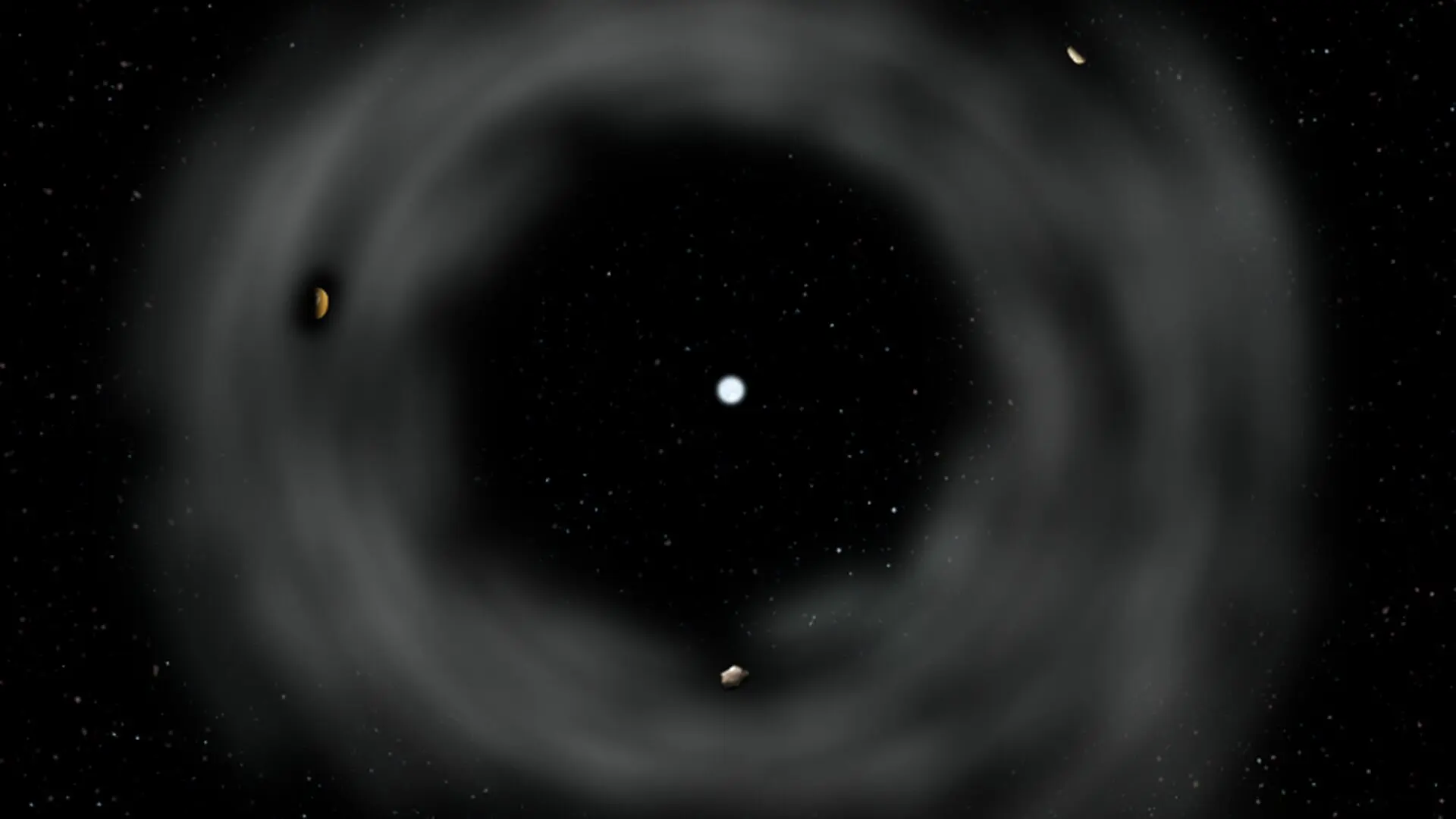
When asteroids venture too close to a white dwarf, the star’s immense gravitational pull is often expected to reduce them to fine, orbiting dust. However, new research suggests these planetary remnants do not disintegrate so easily. Instead, they may shatter into large, house-sized fragments, with the final transition to dust requiring an additional, secondary process.
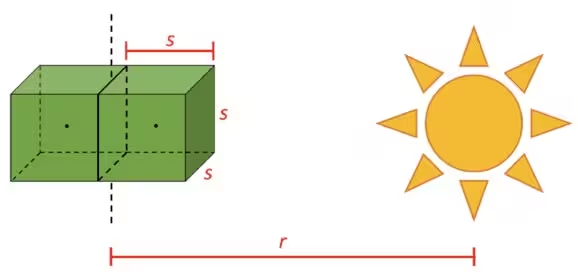
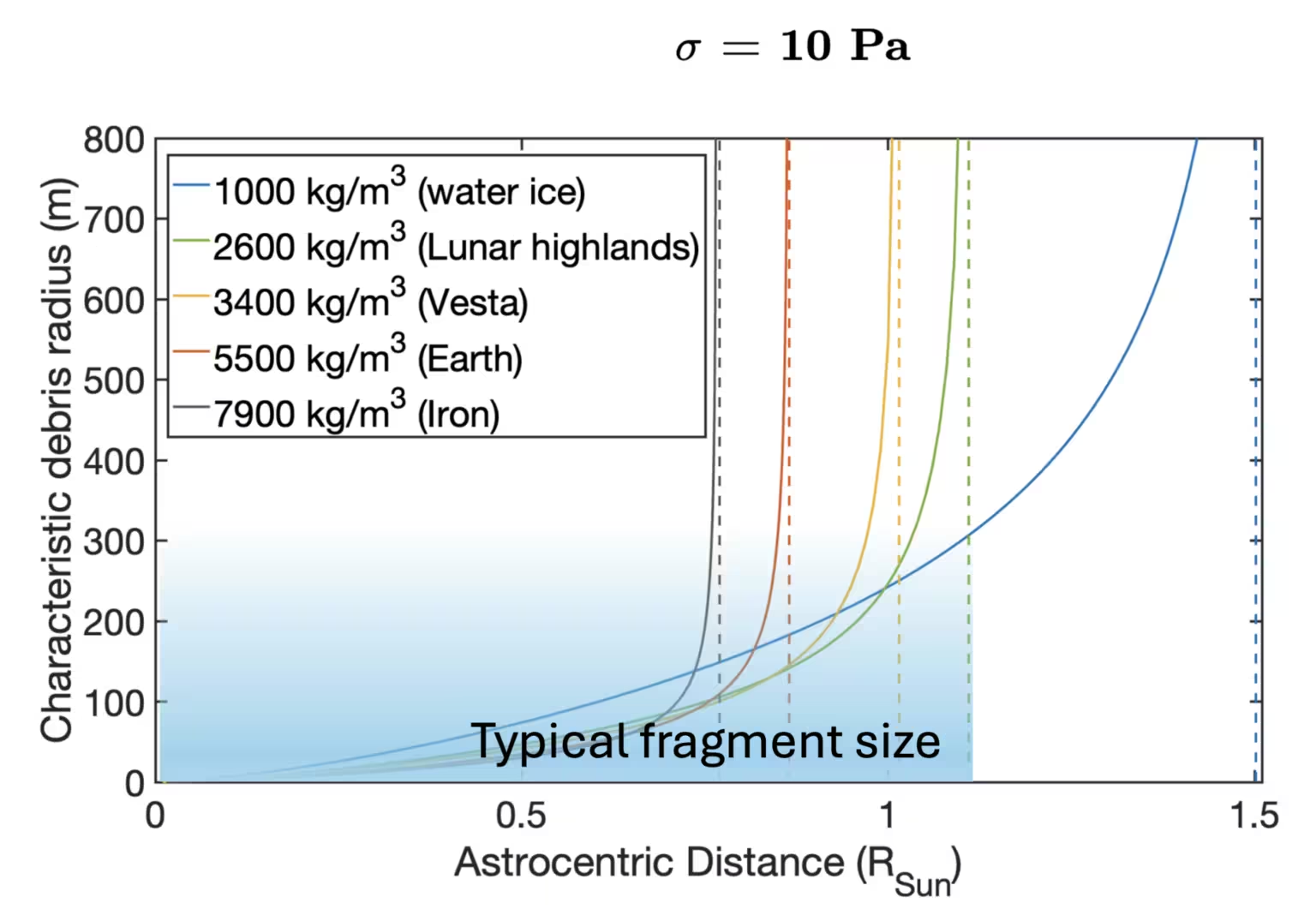
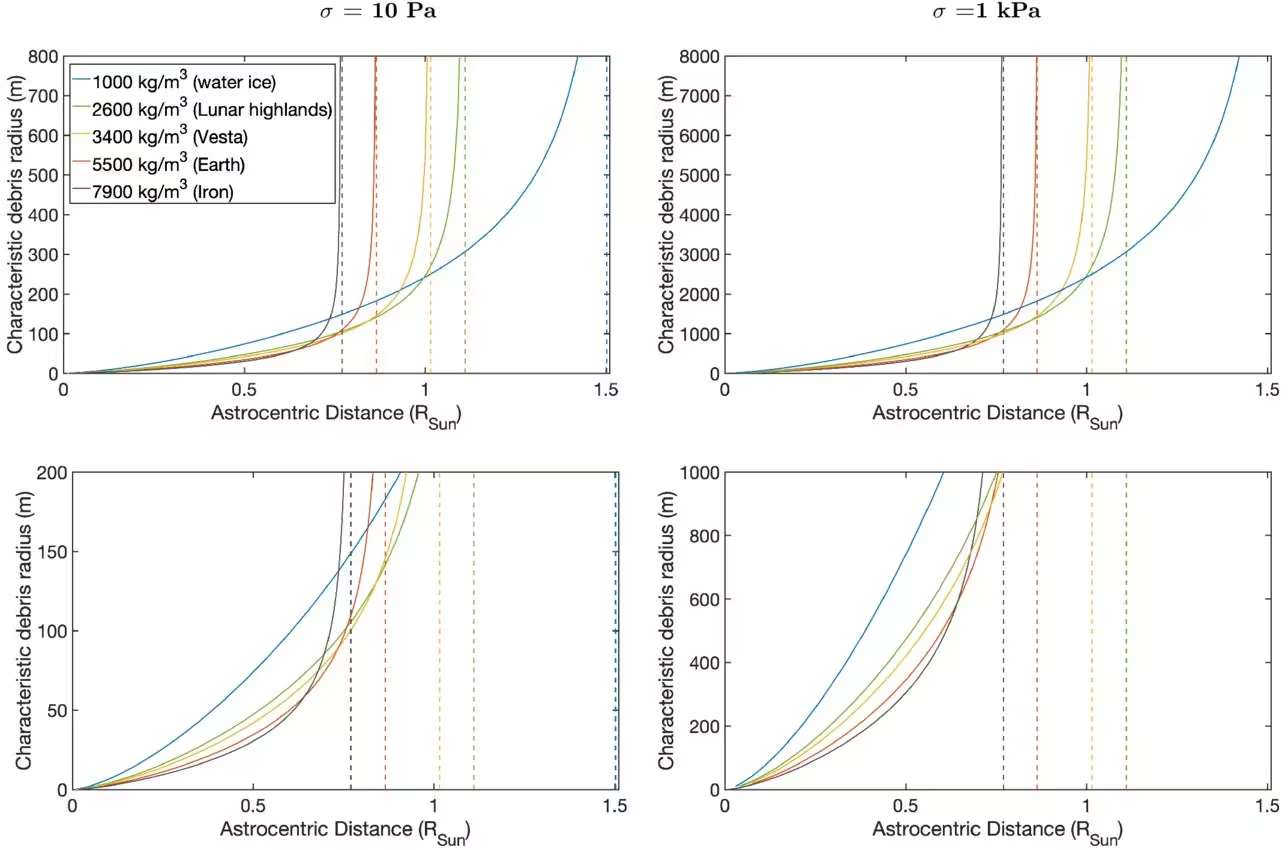
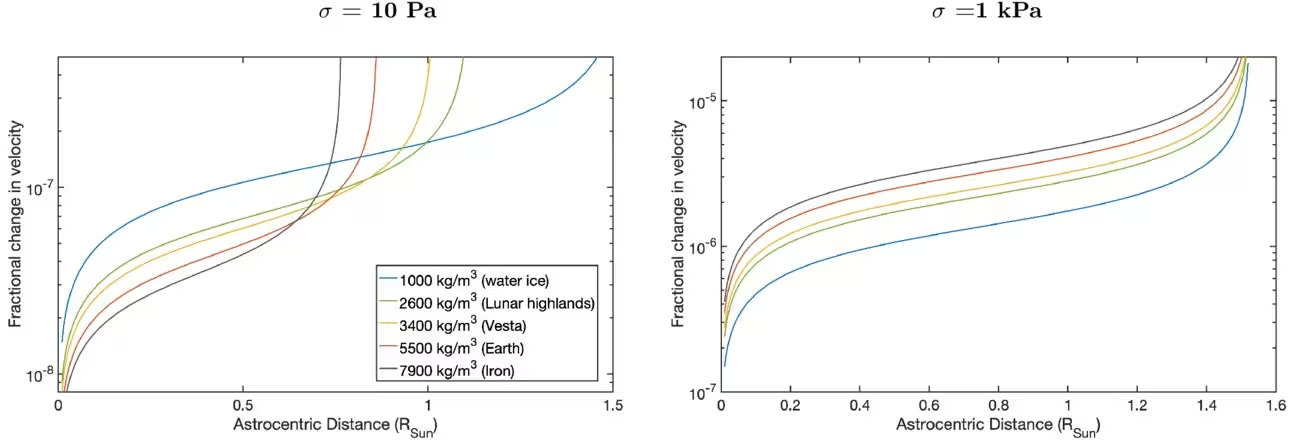
A study published in The Astrophysical Journal Letters identifies this phenomenon as a “kilometer-size barrier.” By modeling the physical properties of asteroids as they encounter intense tidal forces, a team led by Planetary Science Institute senior scientist Jordan Steckloff found that internal cohesion—even at extremely low levels—prevents the immediate total destruction of these bodies.
The Role of Hidden Cohesion
Historically, scientific models of asteroid destruction often characterized these objects as “rubble piles” lacking any significant internal strength, assuming they were held together solely by gravity. Under this assumption, tidal forces from a white dwarf should theoretically shred such bodies into microscopic particles during a single close pass.
However, the new model incorporates van der Waals forces—the weak electrostatic attractions between individual grains that prevent them from drifting apart. “Nothing is truly strengthless,” Steckloff explained. Even in materials as loose as snow, these forces provide enough structural integrity to hold chunks of an asteroid together even as tidal forces pull at the object’s extremities. This modest cohesion is sufficient to halt the fragmentation process long before the object is reduced to dust, typically leaving behind fragments ranging from 100 meters to one kilometer in diameter.
Bridging the Gap to Dust
This “barrier” has significant implications for how astronomers interpret the debris disks surrounding dying stars. Because large fragments and fine dust interact with starlight and gravity in fundamentally different ways, current models must account for an intermediate stage. Once the tidal forces have created these larger rubble chunks, further processing is required to generate the fine dust observed by telescopes.
Researchers suggest that secondary mechanisms, such as high-energy collisions between these surviving fragments or rotational fission—where an object spins so rapidly that it sheds mass—are likely responsible for the final breakdown. This evolution explains why dusty disks persist even around older, cooler white dwarfs where high-energy heat-driven processes are less effective.
Drawing Parallels to Our Solar System
The behavior observed in these theoretical models mirrors real-world events closer to home. In 1992, Comet Shoemaker-Levy 9 experienced a similar tidal fragmentation during a close encounter with Jupiter, breaking into a series of massive fragments before ultimately colliding with the planet two years later. This event provided a rare, high-resolution look at the mechanics of tidal disruption.
The research team, which includes collaborators from the University of Warwick and PSI, emphasizes that while their model simplifies the geometry of these encounters to make the physics tractable, it reveals a vital truth about planetary death. Co-author Kathryn Volk noted that this work is a crucial step in understanding the fate of planetary systems as their host stars reach the final stages of their lifecycles. By mapping how concentrated fragments collide and eventually feed the dust disks we see today, astronomers can better reconstruct the complex end-of-life evolution of distant star systems.
This article has been fact checked for accuracy, with information verified against reputable sources. Learn more about us and our editorial process.
Last reviewed on .
Article history
- Latest version
Reference(s)
- “University of Warwick - Study at a top 10 UK University.” <https://warwick.ac.uk/>.
Cite this page:
- Posted by Aisha Ahmed