US Military Releases Rare Photo of China’s Secretive Reusable Space Plane in Orbit
A new U.S. military image captures China’s secretive Shenlong space plane docking with an unknown craft, fueling speculation about its mission in orbit.
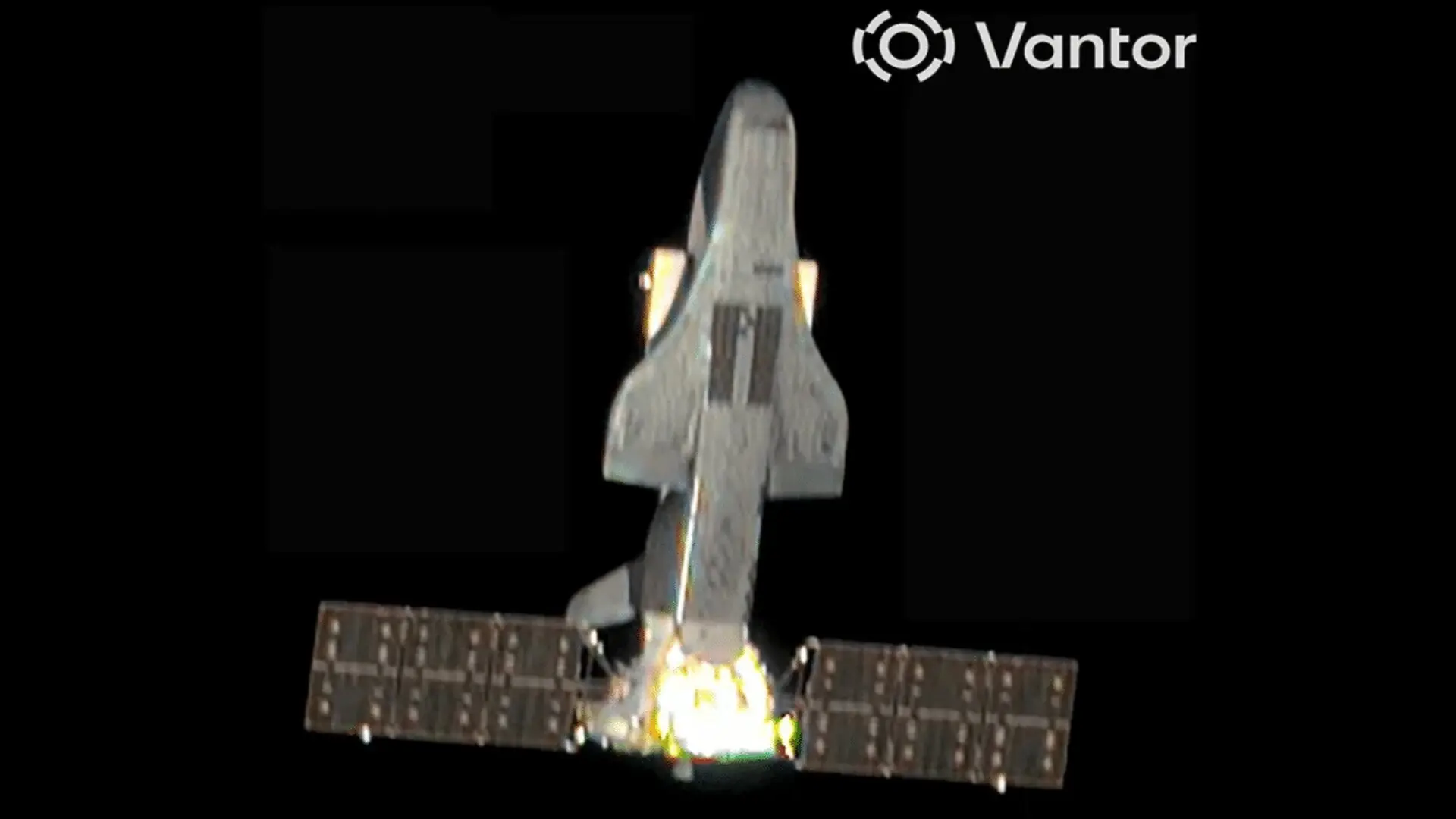
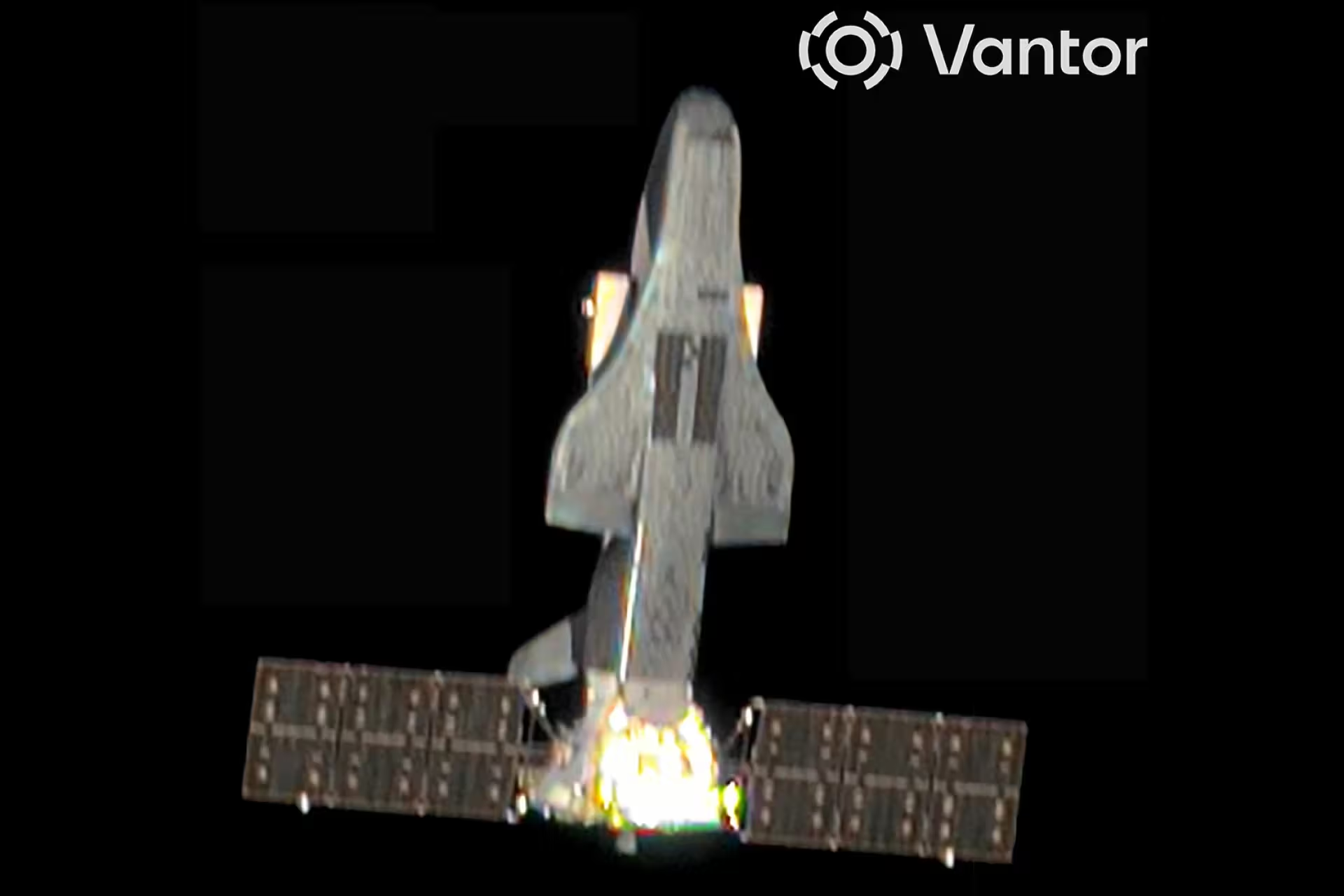
A fresh visual record released by the U.S. military has pulled back the curtain on one of China’s most guarded aerospace initiatives, providing a rare look at its secretive reusable space plane. The imagery marks a significant development in tracking a program that has historically remained shrouded in mystery, offering analysts a new reference point for a vehicle whose operations are usually hidden from public view.
New Imagery Sheds Light on Elusive Orbital Program
The photograph, as highlighted by Space.com, serves as a vital piece of evidence for researchers who have long relied on limited launch records and satellite-tracking data to monitor Beijing’s orbital activities. While China has confirmed it is testing reusable space technology, the technical specifications and ultimate strategic goals of the spacecraft remain tightly classified.
The emergence of this visual evidence is particularly noteworthy because the vehicle is central to China’s push toward sustainable, reusable orbital transport. By enabling multiple missions without the need for a new launch vehicle for every outing, this technology mirrors a broader global trend toward more efficient space logistics. However, the image alone does not resolve lingering questions regarding whether the mission is intended for scientific discovery, commercial development, or classified military maneuvers.
Deployment Mysteries and Sub-Satellite Activity
Beyond its physical form, the spacecraft has drawn scrutiny for its behavior in orbit. Independent monitoring firms, most notably LeoLabs, have previously identified instances where the craft appeared to release objects while in flight. By utilizing an extensive network of global tracking sensors, these organizations have been able to confirm, with high degrees of confidence, that such deployments are a recurring feature of the vehicle’s flight profile.
“Following additional observations across our global network and analysis via LeoLabs Delta, we have independently cataloged this object and assessed with high confidence that it was released from the Chinese space plane,” LeoLabs noted in a previous assessment. “This activity is consistent with sub-satellite deployments conducted by the space plane in previous missions.”
While tracking data confirms the spacecraft has the capacity to eject hardware into orbit, the nature of these payloads is still subject to debate. Whether these objects are designed for communication testing, sensor calibration, or more sensitive military applications remains unknown, though their presence confirms that the mission’s scope goes far beyond simple flight testing.
The @DefenseIntel latest Challenges to Security in Space report makes clear that competition in space is accelerating as China and Russia advance their capabilities. The report documents China’s expanding presence in space, including reusable space systems, and features Vantor’s WorldView Space imagery of a Chinese spaceplane in orbit in 2024. Our analysts provide additional context on the image in the graphic below. Commercial space is now a critical part of the national security toolkit. Commercial imagery and analysis give the U.S. and its allies greater visibility into activity in orbit and help decision-makers understand emerging capabilities. Continued investment in these capabilities is essential as the space domain becomes increasingly contested. Read the full DIA assessment and view the Vantor image on page 53: https://t.co/70VQjbmoAK
— Vantor (@vantortech) October 28, 2026
Strategic Parallels in the New Space Race
The Chinese space plane is frequently compared to the U.S. Space Force’s X-37B, an uncrewed orbital platform that has spent years conducting classified technology demonstrations. Both vehicles represent a strategic evolution in space operations, where the ability to linger in orbit, test hardware, and return it to Earth is becoming a core national security interest.
Reusability offers undeniable logistical benefits, such as the ability to recover experimental payloads and reduce long-term mission costs. However, it also introduces complexities, as these platforms can theoretically perform orbital maneuvers that traditional, expendable satellites cannot. This inherent flexibility is a major reason why both Beijing and Washington are investing heavily in the technology, despite the lack of public detail regarding their respective programs.
The Limits of Modern Space Surveillance
The release of the new imagery highlights an era where orbital privacy is rapidly disappearing. Advanced ground-based radar, optical surveillance, and commercial tracking networks have created an environment where even the most secretive spacecraft are subject to constant monitoring.
While visual confirmation helps experts verify the physical characteristics of these vehicles, the intelligence community still faces significant hurdles. A photograph can confirm a machine’s existence and exterior design, but it cannot decode the software, intent, or classified payloads contained within. As competition in low Earth orbit intensifies, the combination of satellite imagery and behavioral tracking will remain the primary method for Western nations to gauge China’s growing technological maturity in the final frontier.
This article has been fact checked for accuracy, with information verified against reputable sources. Learn more about us and our editorial process.
Last reviewed on .
Article history
- Latest version
Reference(s)
- Tingley, Brett. “China's secretive space plane caught on camera in incredible new photo released by US military.”, October 28, 2026 Space <https://www.space.com/space-exploration/launches-spacecraft/chinas-secretive-space-plane-caught-on-camera-in-incredible-new-photo-released-by-us-military>.
Cite this page:
- Posted by Aisha Ahmed