6500 Year Old Monument Found in Europe Predates Stonehenge and Tracks the Cosmos
Long before famous monuments, a mysterious European site was built using the precise movements of the Sun and Moon to unlock ancient celestial secrets.
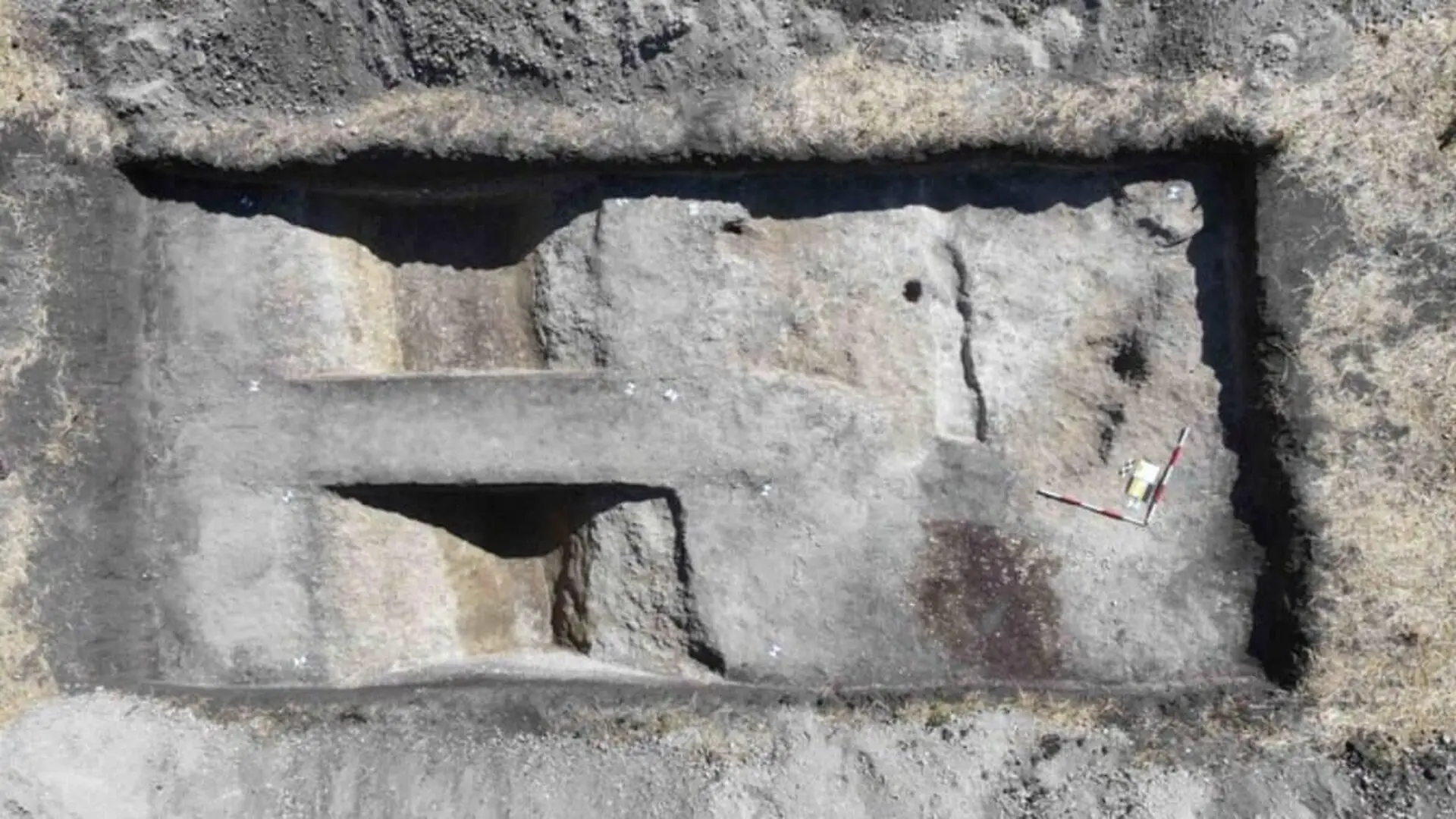
Archaeologists in the Central Bohemian Region of Czechia have uncovered a monumental circular enclosure dating back 6,500 years, offering a new perspective on the sophistication of early European farming societies. The site, located near Chleby, predates the construction of Stonehenge by over a millennium, providing rare evidence that prehistoric communities were synchronizing their architectural projects with complex celestial movements long before the advent of written history.
Precision Engineering Linked to the Heavens
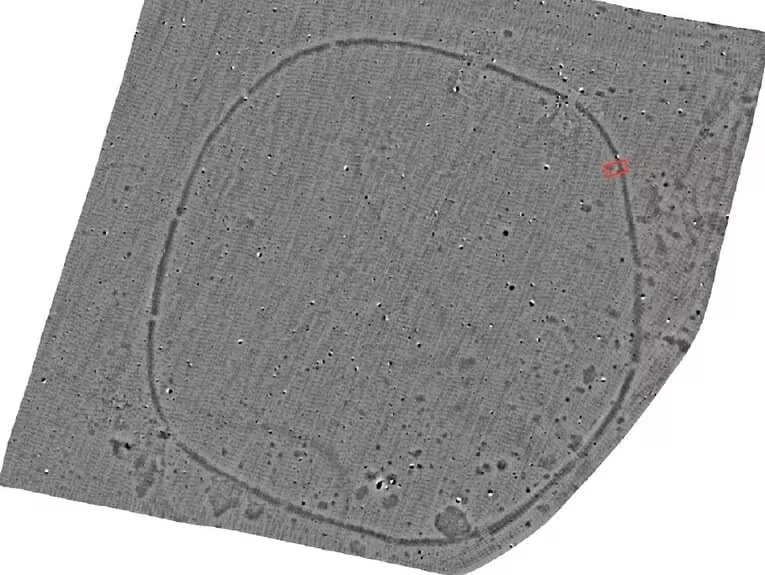
The Chleby enclosure stands out due to its deliberate geometric layout, which researchers from the University of West Bohemia in Pilsen describe as a systematic tool for tracking the cosmos. By mapping the positions of the structure’s entrances, the team identified a precise arrangement designed to align with key solar and lunar events.
According to lead archaeologist Petr Krištuf, the geometry of the monument was far from arbitrary. The design allowed inhabitants to monitor the summer solstice sunrise and the winter solstice sunset, while also tracking the Moon during its intricate 18.6-year cycle. These astronomical observations would have provided essential data for agricultural planning, seasonal transitions, and the timing of ritual life.
Ritual Significance and Symbolic Gateways
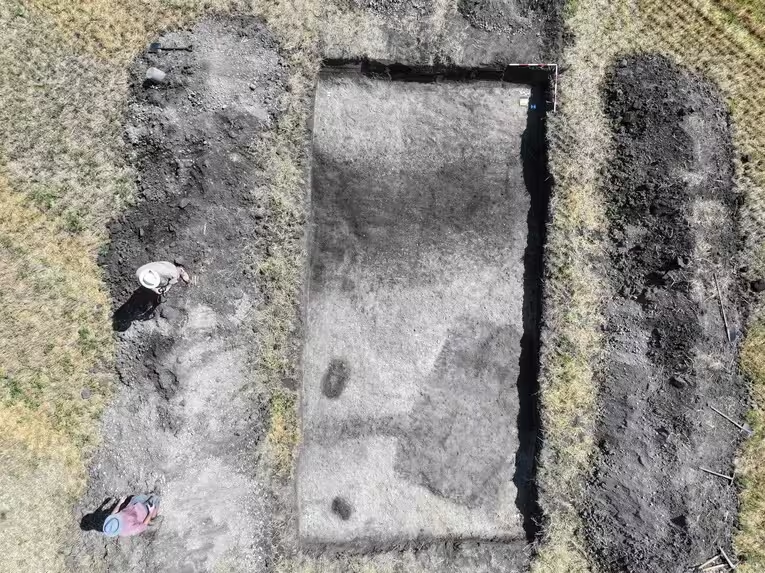
Beyond its astronomical functions, the monument served as a center for ceremonial activity. Excavations at the site have turned up bull skulls and animal horns buried near the entrances, suggesting these items may have been used to ornament the gateways. Jan Turek of Charles University, who is collaborating on the study, notes that this practice aligns with the widespread importance of cattle in the religious and social frameworks of early European agricultural groups, where such animals symbolized wealth and status.
The site also served as a focal point for human remains, with evidence of 18 burials discovered within the area. Unlike a singular event, these interments occurred over a significant period, indicating that the monument held cultural importance for successive generations who returned to the space long after its initial construction.
The Evolution of an Ancient Landscape
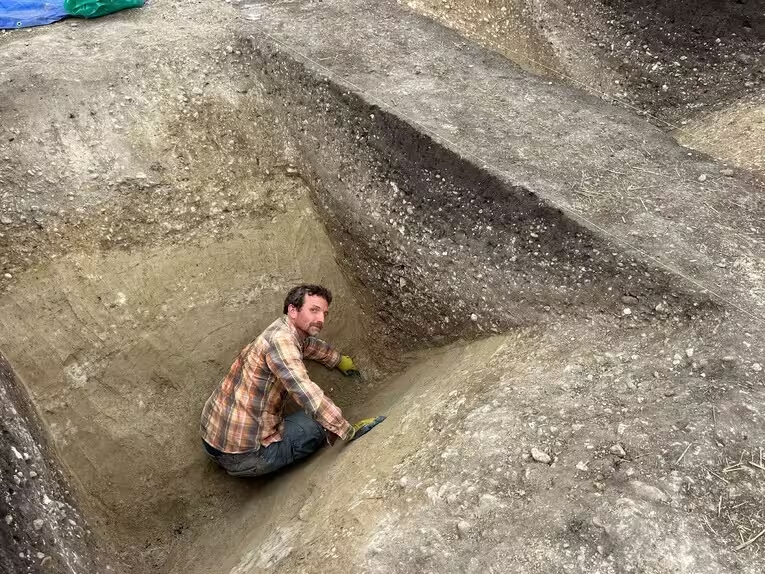
The role of the Chleby monument shifted significantly over the millennia. While it functioned as a sacred observatory during its peak, evidence suggests its purpose eventually waned. By the Iron Age, the ditches had been filled, and the area was repurposed for residential settlement. This transformation highlights the dynamic nature of prehistoric landscapes, illustrating how early societies continuously renegotiated their relationship with the physical and celestial worlds.
This article has been fact checked for accuracy, with information verified against reputable sources. Learn more about us and our editorial process.
Last reviewed on .
Article history
- Latest version
Reference(s)
- “A thousand years older than Stonehenge: Archaeologists explore a Czech sanctuary near Chleby.” <https://info.zcu.cz/clanek.jsp?id=9882&lang=en>.
- <https://zcu.academia.edu/PetrKri%C5%A1tuf>.
- “Centrum pro teoretická studia.”, January 1, 2021 <https://www.cts.cuni.cz/index.php?m=35&lang=en&osoba=1309>.
Cite this page:
- Posted by Aisha Ahmed