NASA Is Launching a Telescope With 100 Times the View of Hubble to Map the Unknown
NASA’s new wide-field telescope is set to survey the cosmos, aiming to uncover groundbreaking astronomical discoveries that no one expects.
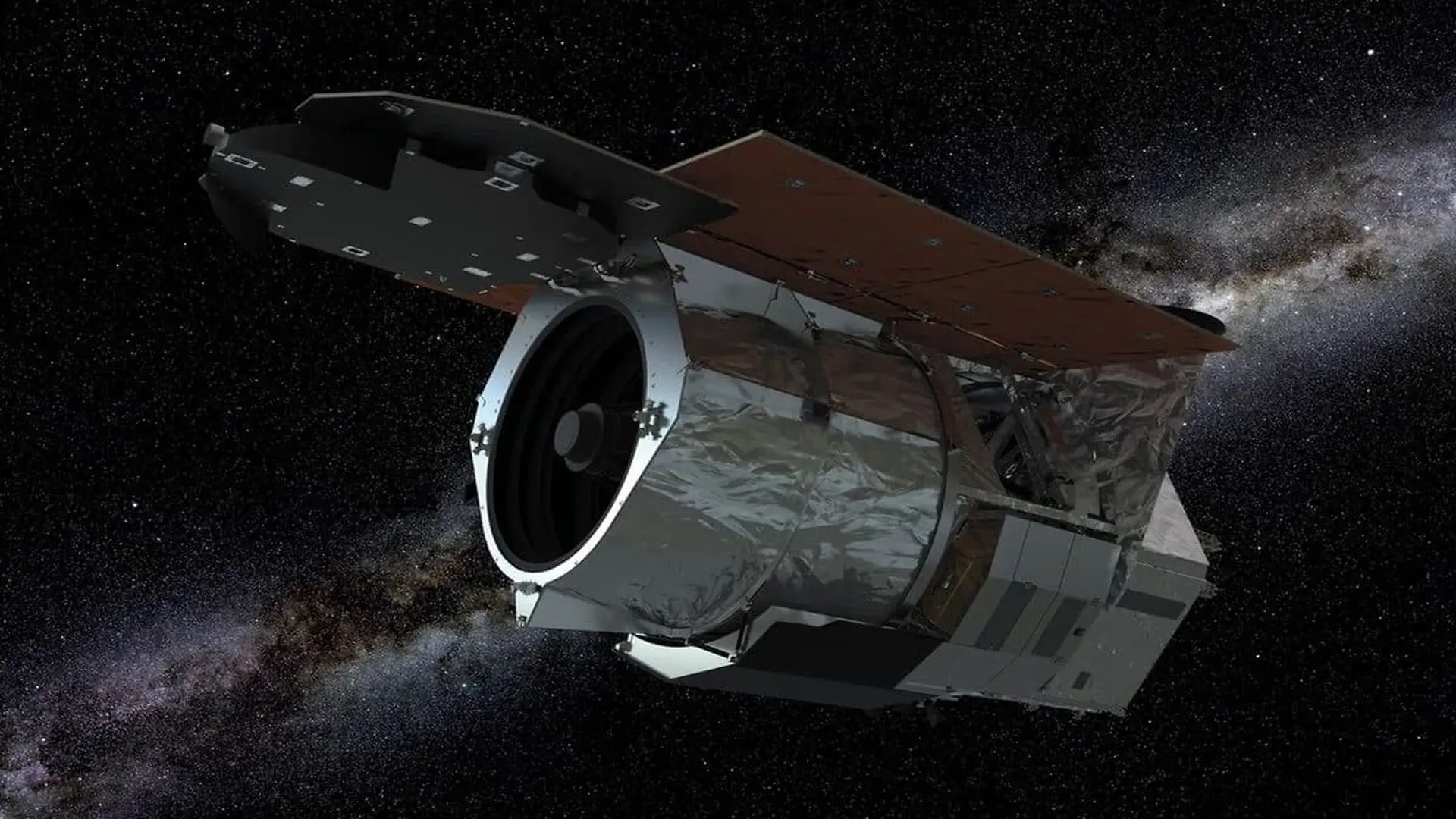
NASA is gearing up for the launch of the Nancy Grace Roman Space Telescope, an ambitious observatory engineered to capture the cosmos on a scale previously impossible. Boasting a field of view roughly 100 times larger than that of the Hubble Space Telescope, the mission shifts the focus of space exploration from individual targets to comprehensive, wide-area surveys. After two decades of meticulous development, the project aims to unlock secrets surrounding dark matter, dark energy, and the distribution of planetary systems across the galaxy.
Broad-Spectrum Insights Into Cosmic Architecture
The mission honors Nancy Grace Roman, NASA’s inaugural chief astronomer and a pivotal architect of the Hubble program. Unlike its predecessors, which often peer at specific galaxies or stars, the Roman telescope is designed to map expansive regions of the sky systematically. By analyzing billions of galaxies, researchers anticipate uncovering patterns and phenomena that have remained hidden from narrow-field observations.
Central to its scientific mandate is the investigation of dark matter and dark energy. These enigmatic components dictate the evolution and expansion of the universe, yet they remain among the most profound mysteries in astrophysics. Katarina Markovic, a cosmologist at NASA’s Jet Propulsion Laboratory, emphasizes that this mission represents a shift toward a new form of astronomy centered on large-scale cosmic structure.
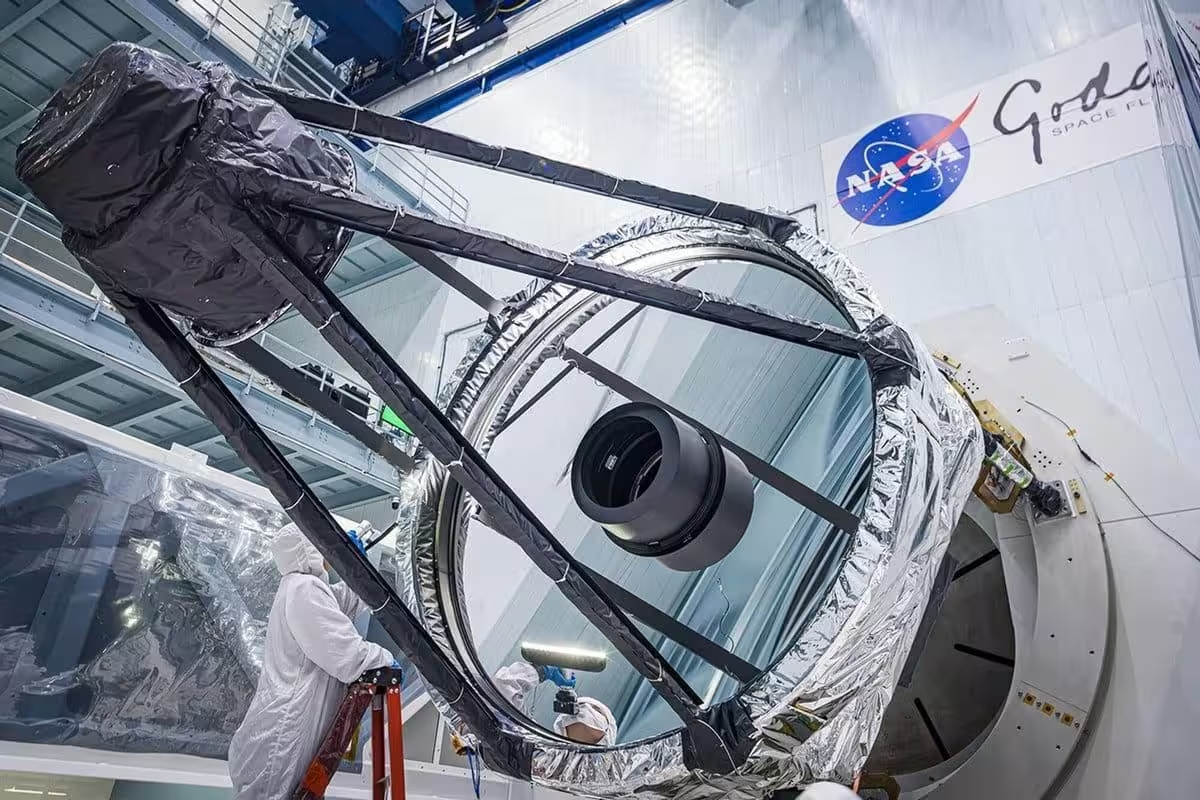
To map the invisible influence of dark matter, the telescope will detect subtle distortions in the shapes of millions of galaxies, caused by the gravitational lensing of light. Additionally, by monitoring approximately 21,000 Type Ia supernovae—stellar explosions with predictable luminosity—the mission will provide critical data to refine our understanding of the universe’s accelerating expansion.
Advanced Detection of Distant Worlds
Roman is poised to redefine exoplanet research, particularly within the densely populated core of the Milky Way. By employing the transit method, where it observes the slight dimming of stars as planets cross their faces, scientists estimate the observatory could identify up to 200,000 new worlds.
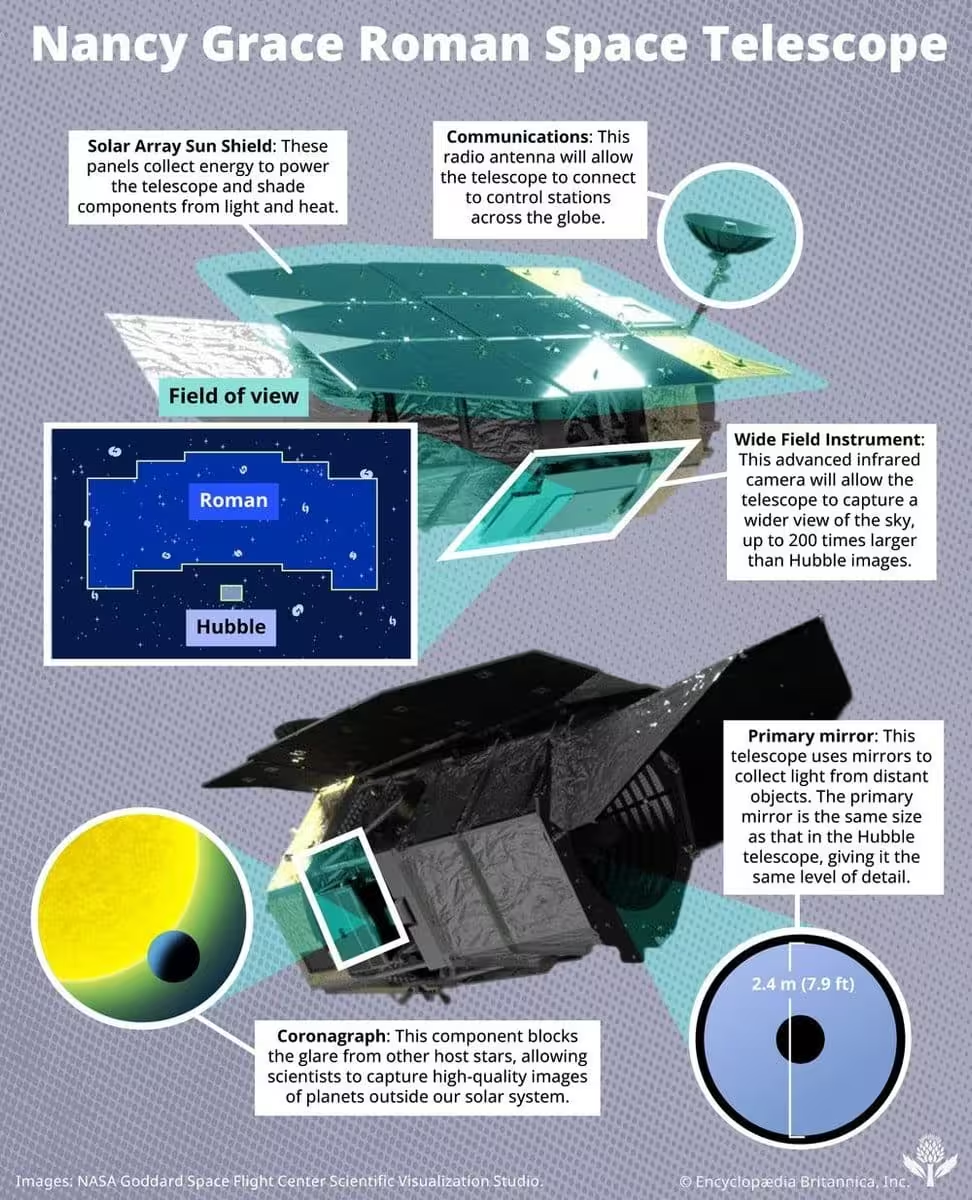
The mission will also utilize gravitational microlensing, a technique that detects planets by measuring how their gravity bends light from background stars. Astrophysicist Elisa Quintana notes that this method is particularly adept at finding planets orbiting at greater distances from their host stars, potentially uncovering 1,400 additional candidates and helping astronomers determine how common solar systems like ours truly are.
Exploring the Galactic Frontier
Beyond its primary objectives, the telescope is designed to capture transient events such as black hole activity and fluctuating stellar behavior. A key focus area will be the Milky Way’s galactic bulge, a region typically obscured by dust that houses a massive density of stars.
Following its launch, the spacecraft will travel 1.5 million kilometers to its operational site, requiring a three-month commissioning phase to calibrate its instruments. While researchers have prepared extensive study plans, the true potential of the Roman telescope lies in the unexpected. As NASA astrophysicist Julie McEnery suggests, the observatory is primed to reveal cosmic phenomena that lack names because they have never been seen before, opening entirely new frontiers in our understanding of the universe.
This article has been fact checked for accuracy, with information verified against reputable sources. Learn more about us and our editorial process.
Last reviewed on .
Article history
- Latest version
Reference(s)
- “JPL Science: Katarina (Dida) Markovic.” <https://science.jpl.nasa.gov/people/markovic/>.
- Team, NASA. “Elisa Quintana.”, February 7, 2019 NASA Science <https://science.nasa.gov/people/elisa-quintana/>.
- Cermak, Alicia. “Nancy Grace Roman Space Telescope - NASA Science.”, June 15, 2023 NASA <https://science.nasa.gov/mission/roman-space-telescope/>.
- “Julie McEnery: Decoding the Cosmos - NASA.” NASA <https://www.nasa.gov/people/julie-mcenery-decoding-the-cosmos/>.
Cite this page:
- Posted by Aisha Ahmed