Mercury Surface Discovery Suggests A Far More Violent And Hotter Volcanic History
New infrared analysis reveals Mercury’s surface has far less silicon dioxide than previously thought, pointing to a much more intense volcanic history.
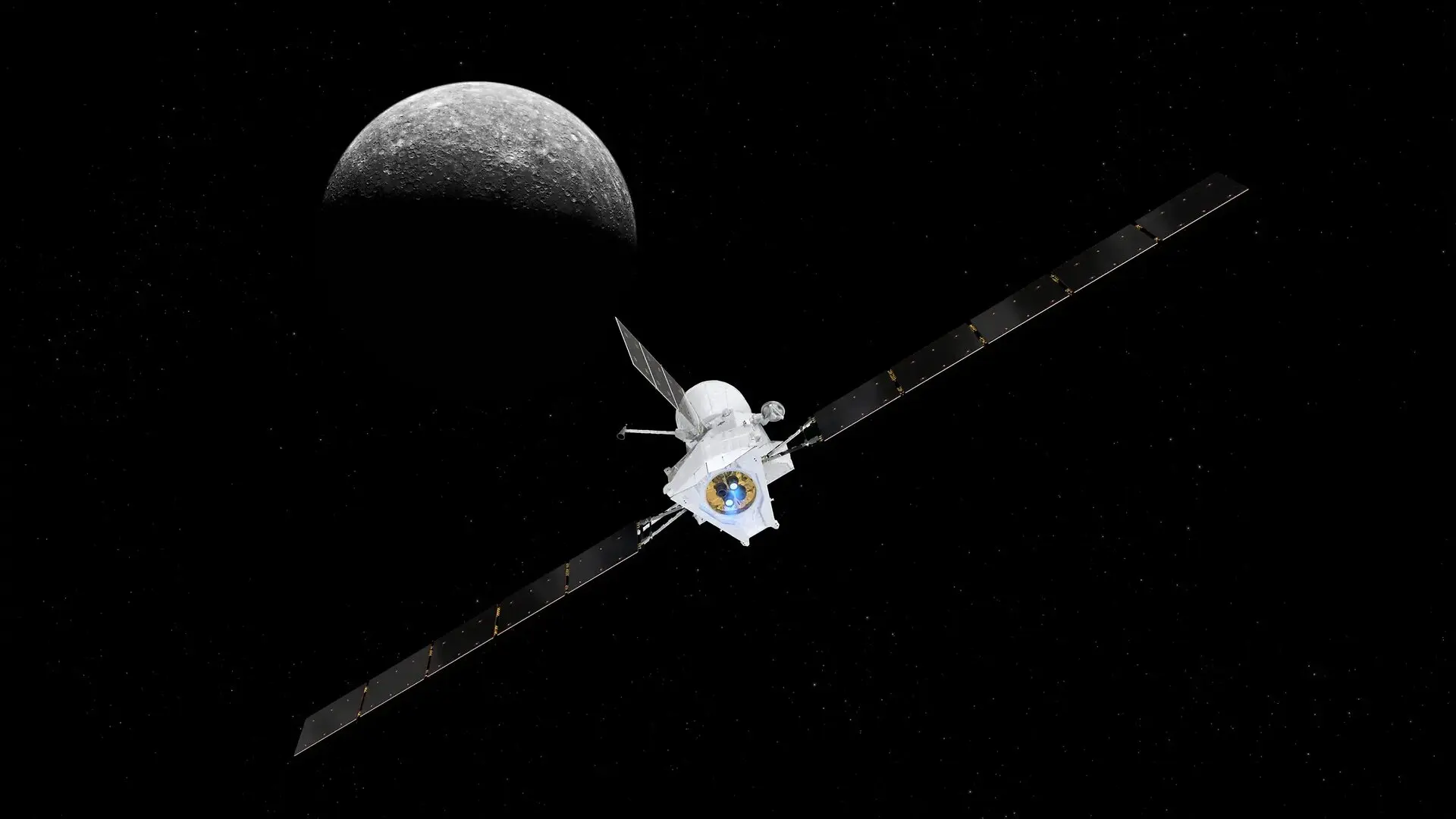
New analytical data suggests that the surface of Mercury is significantly less rich in silicon dioxide than scientists previously estimated. By refining how researchers interpret infrared signatures from planetary surfaces, a team has determined that silica makes up roughly 37% of the planet’s crust by mass—a reduction of up to 25% compared to earlier models.
The findings, detailed in the journal Planetary Research, offer a fresh perspective on the solar system’s smallest planet. Because silicon dioxide serves as a fundamental marker for identifying volcanic rock types and understanding crustal evolution, this shift in the data implies that Mercury’s interior may have undergone far more intense, deep-seated melting than previously hypothesized.
Reinterpreting the Hermean Crust
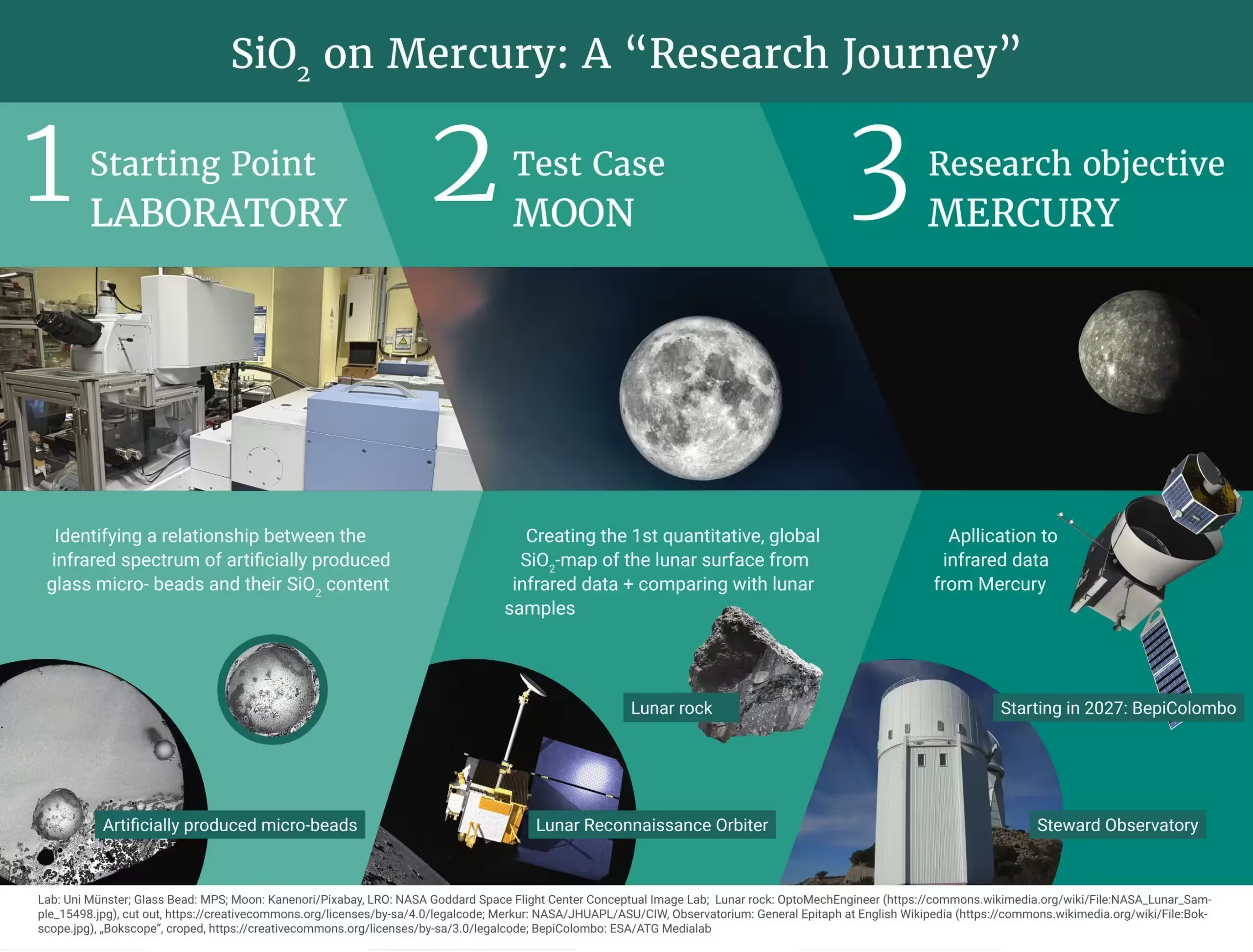
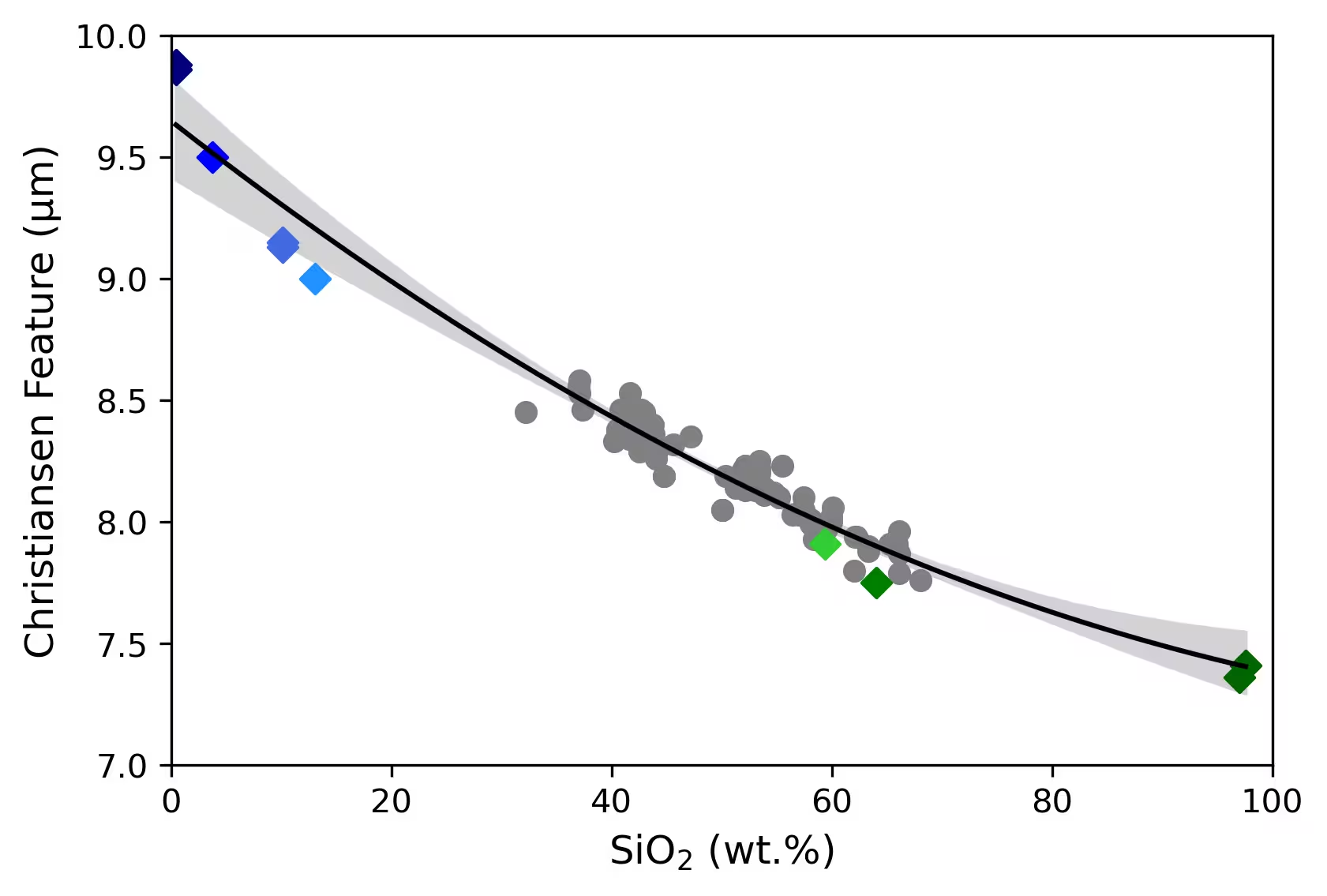
Led by experts from the Max Planck Institute for Solar System Research, the University of Münster, and the University of Göttingen, the research team focused on the “Christiansen Feature,” a specific mid-infrared spectral signal that shifts based on the mineral composition of a surface. By synthesizing laboratory glass beads with silica concentrations ranging from 0.5% to 97.6%, the scientists created a robust calibration scale to better translate remote infrared observations into chemical abundances.
Christian Renggli, lead author and director of the Experimental Laboratory Magma Ocean, noted that lower silica levels typically suggest that volcanic activity originated from deeper within the mantle. Alternatively, the results could point to a highly unusual chemical environment on Mercury where silicon exists in metallic or carbide forms, rather than being fully oxidized into SiO2.
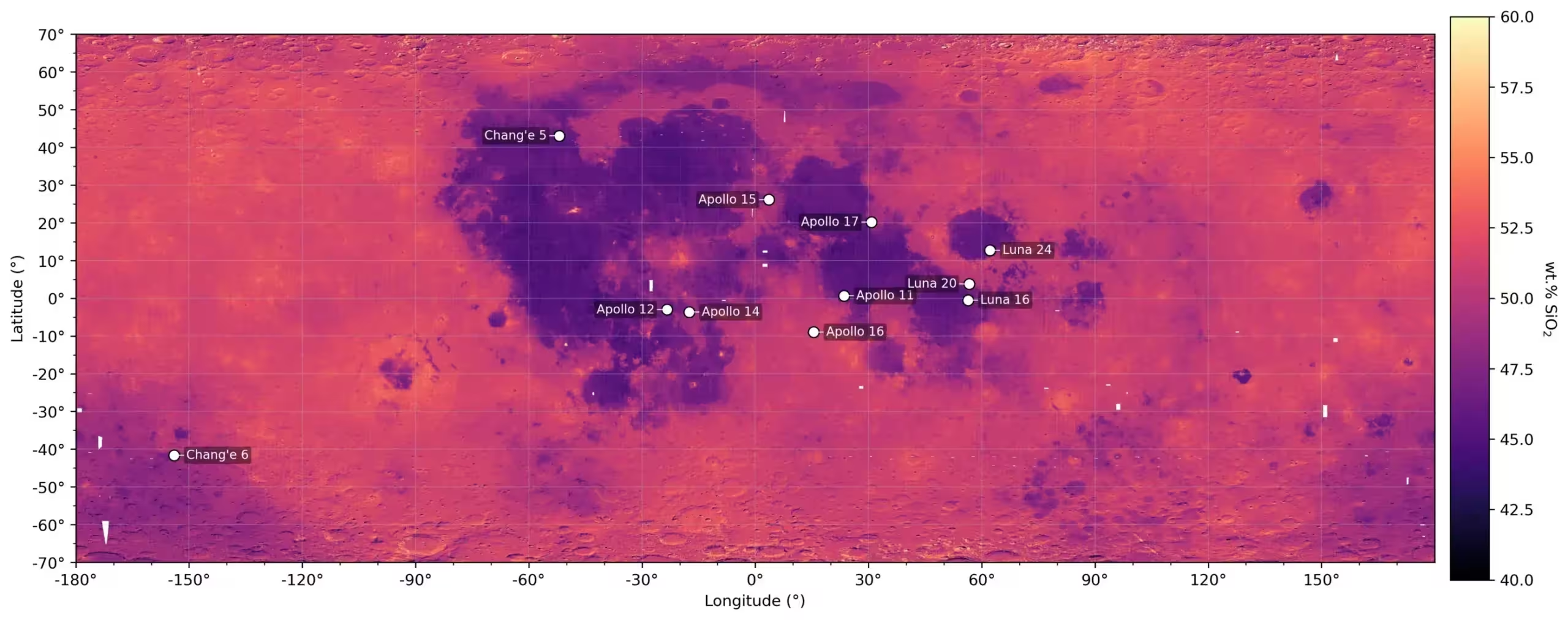
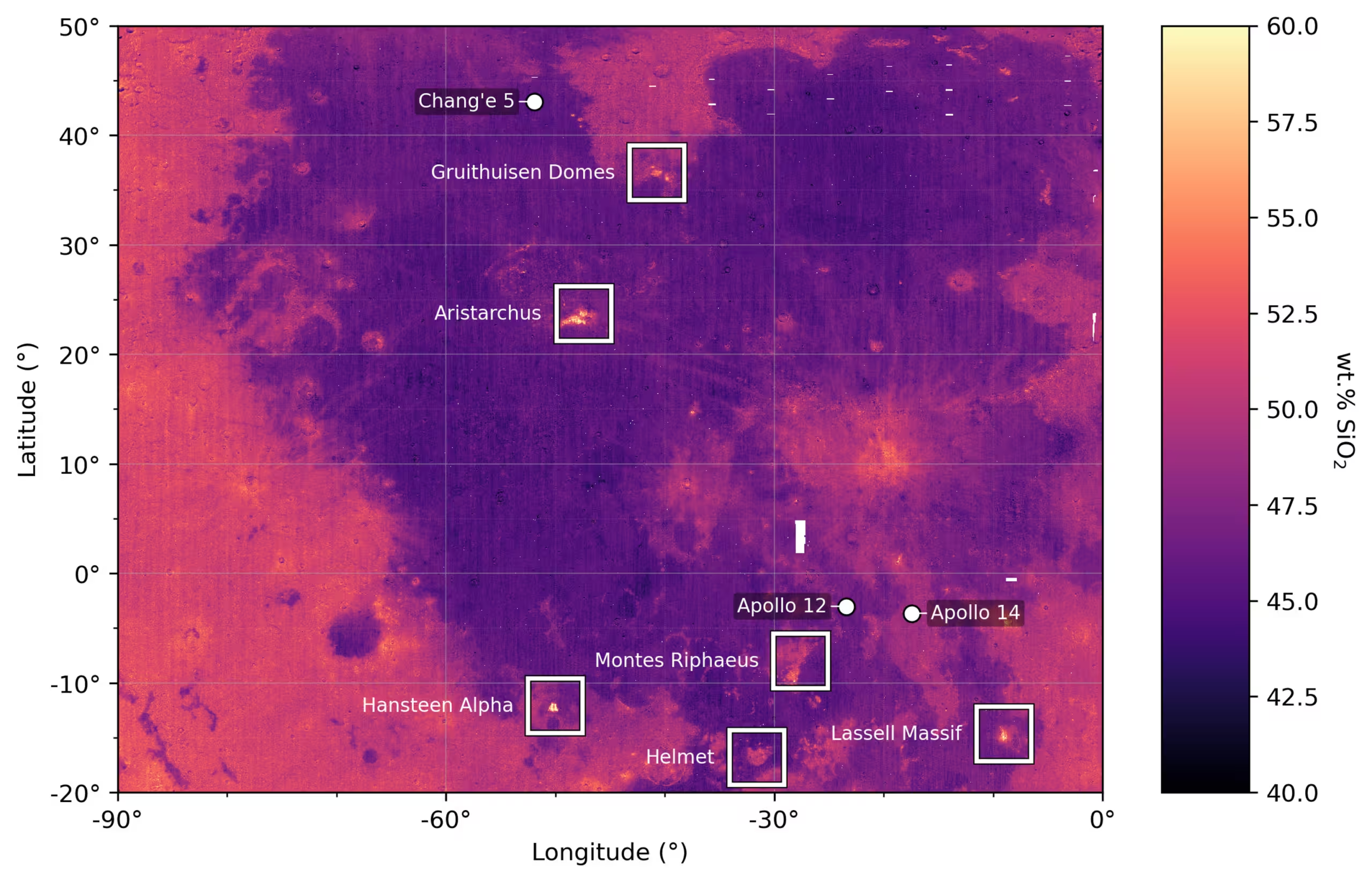
To validate their methodology, the team applied their calibration to lunar data collected by NASA’s Lunar Reconnaissance Orbiter. By comparing their findings against physical rock samples retrieved during the Apollo, Luna, and Chang’e missions, the researchers confirmed their technique could reliably reconstruct the surface chemistry of worlds where direct sampling remains impossible.
Preparing for BepiColombo
Previous estimates for Mercury’s silica content were largely derived from elemental ratios observed by the MESSENGER spacecraft, which often required complex assumptions about mineralogy. This new infrared-based approach provides an independent check that places the planet’s composition well below the previously accepted range of 49% to 60%.
This discrepancy is expected to be settled by the BepiColombo mission, a joint effort between the European Space Agency and the Japan Aerospace Exploration Agency. Currently on its approach to the planet, the mission is scheduled to enter orbit in late 2026, with full-scale scientific investigations slated for 2027.
One primary tool on the mission, the Mercury Radiometer and Thermal Infrared Spectrometer (MERTIS), is specifically designed to analyze the 7-to-14-micrometer wavelength range. This allows the instrument to isolate the Christiansen Feature with unprecedented precision. According to Renggli, this new research provides the essential framework for interpreting the high-resolution data that will soon emerge from the MERTIS instrument, potentially clarifying why Mercury followed such a unique evolutionary path compared to its rocky neighbors.
Further Reading
- Global major-element maps of Mercury from four years of MESSENGER X-Ray Spectrometer observations(Icarus, 2020)
- Studying the Composition and Mineralogy of the Hermean Surface with the Mercury Radiometer and Thermal Infrared Spectrometer (MERTIS) for the BepiColombo Mission: An Update(Space Science Reviews, 2020)
- The Surface Composition of Mercury(Elements, 2019)
- A Low O/Si Ratio on the Surface of Mercury: Evidence for Silicon Smelting(Journal of Geophysical Research: Planets, 2017)
- Christiansen Feature Map From the Lunar Reconnaissance Orbiter Diviner Lunar Radiometer Experiment: Improved Corrections and Derived Mineralogy(Journal of Geophysical Research: Planets, 2021)
This article has been fact checked for accuracy, with information verified against reputable sources. Learn more about us and our editorial process.
Last reviewed on .
Article history
- Latest version
Reference(s)
- Nittler, Larry R.., et al. “Global major-element maps of Mercury from four years of MESSENGER X-Ray Spectrometer observations.” Icarus, vol. 345, July 1, 2020, pp. 113716 Elsevier BV, doi: 10.1016/j.icarus.2020.113716. <https://www.sciencedirect.com/science/article/pii/S001910352030107X>.
- Hiesinger, H.., et al. “Studying the Composition and Mineralogy of the Hermean Surface with the Mercury Radiometer and Thermal Infrared Spectrometer (MERTIS) for the BepiColombo Mission: An Update.” Space Science Reviews, vol. 216, no. 6, September 11, 2020 Springer Science and Business Media LLC, doi: 10.1007/s11214-020-00732-4. <https://link.springer.com/article/10.1007/s11214-020-00732-4>.
- “The Surface Composition of Mercury.”, August 13, 2026 <https://carnegiescience.edu/surface-composition-mercury>.
- McCubbin, Francis M.., et al. “A Low O/Si Ratio on the Surface of Mercury: Evidence for Silicon Smelting?.” Journal of Geophysical Research: Planets, vol. 122, no. 10, October 20, 2017, pp. 2053-2076. American Geophysical Union (AGU), doi: 10.1002/2017JE005367. <https://agupubs.onlinelibrary.wiley.com/doi/10.1002/2017JE005367>.
- Lucey, Paul G.., et al. “Christiansen Feature Map From the Lunar Reconnaissance Orbiter Diviner Lunar Radiometer Experiment: Improved Corrections and Derived Mineralogy.” Journal of Geophysical Research: Planets, vol. 126, no. 6, June 17, 2021 American Geophysical Union (AGU), doi: 10.1029/2020JE006777. <https://agupubs.onlinelibrary.wiley.com/doi/full/10.1029/2020JE006777>.
Cite this page:
- Posted by Aisha Ahmed