Japan’s Deep-Space Mission Brought Back an Asteroid Sample With All 5 DNA Building Blocks
What if the fundamental components that give rise to life are far more widespread than previously believed? A newly discovered sample from an asteroid suggests that the essential elements required for life could be scattered throughout the cosmos.
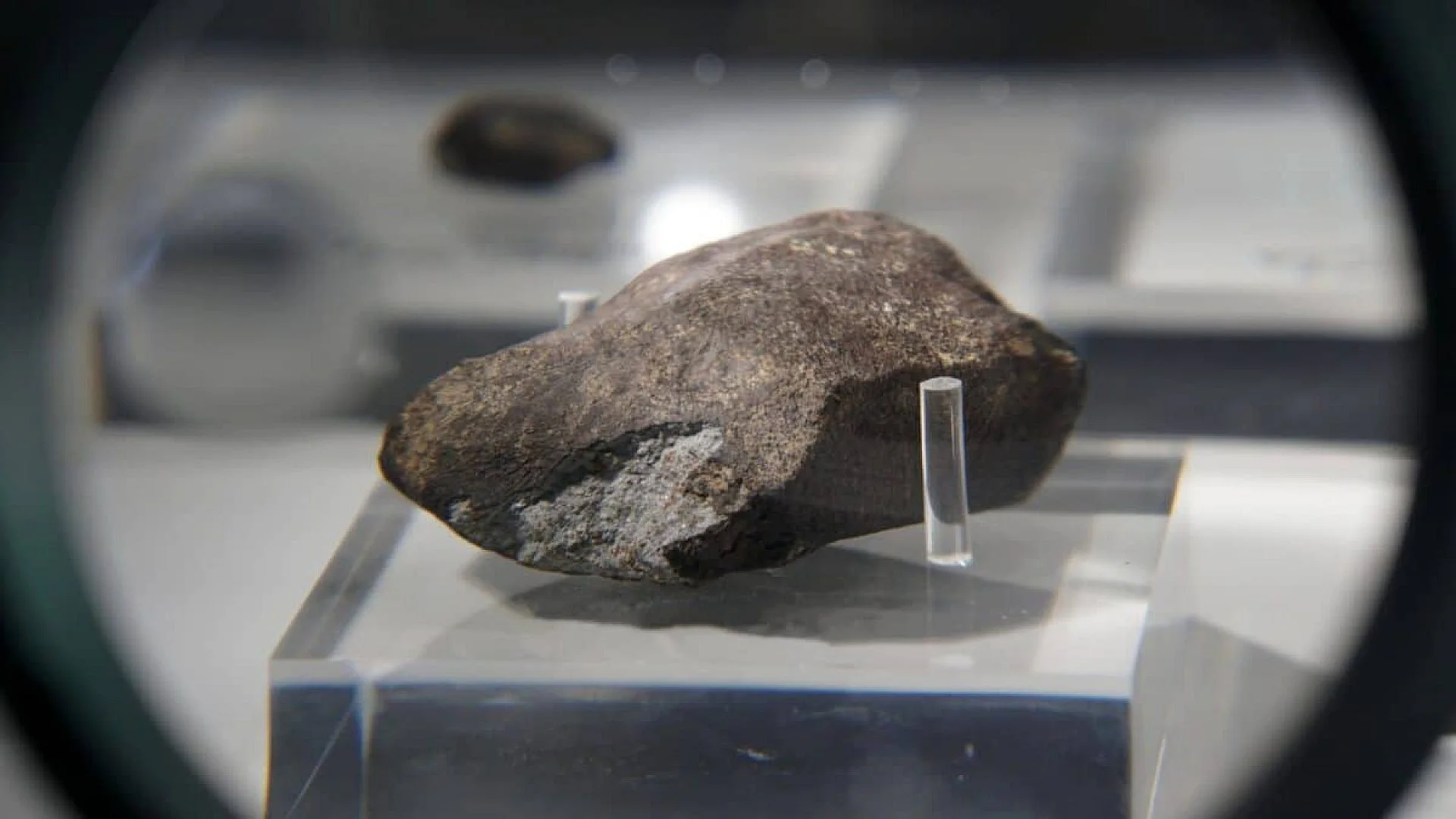
Breaking Ground: Discovery of Essential DNA and RNA Bases in Ryugu Asteroid Challenges Long-Held Beliefs
Scientists have made a groundbreaking discovery in the field of astrobiology, finding all five essential bases that make up DNA and RNA in samples taken from the asteroid Ryugu. This remarkable finding, published in Nature Astronomy on March 16, 2026, upends the long-held assumption that these building blocks of life are unique to Earth. The research suggests that the fundamental components of life could form in space and later arrive on young planets like Earth, opening up new possibilities for the origins of life in the universe.
The analysis of samples returned by the Japanese Hayabusa2 mission in 2020 confirmed the presence of adenine, guanine, cytosine, thymine, and uracil. These molecules are the building blocks of DNA and RNA, crucial for the storage and transmission of genetic information. While this discovery doesn’t prove life exists elsewhere in the universe, it marks a significant milestone in our understanding of the origins of life and the possibility of life existing elsewhere in the cosmos.
Space Asteroids as Chemical Time Capsules: Unlocking the Secrets of the Early Solar System
Asteroids like Ryugu are considered relics of the early solar system, preserving ancient chemistry from the time when the solar system was forming. Ryugu, a carbon-rich asteroid, is believed to be a fragment of a larger parent body that existed in the solar system’s early days. By studying these asteroids, scientists can gain valuable insights into the chemical processes that occurred in the early solar system and the potential for life to have emerged on other planets.
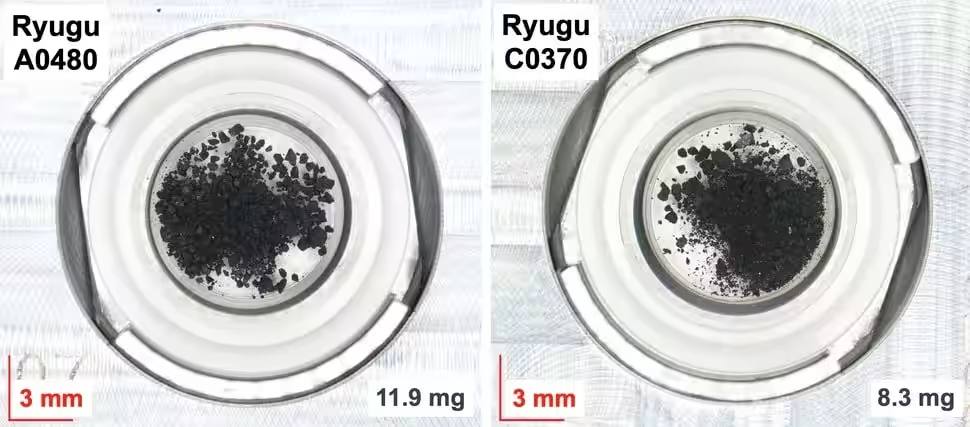
According to JAXA, Japan’s space agency, the Ryugu samples were carefully collected and sealed to avoid contamination from Earth’s atmosphere, ensuring the preservation of a “pristine” chemical environment. This pristine environment acts like a time capsule, preserving the original compounds and providing scientists with a unique window into the early solar system.
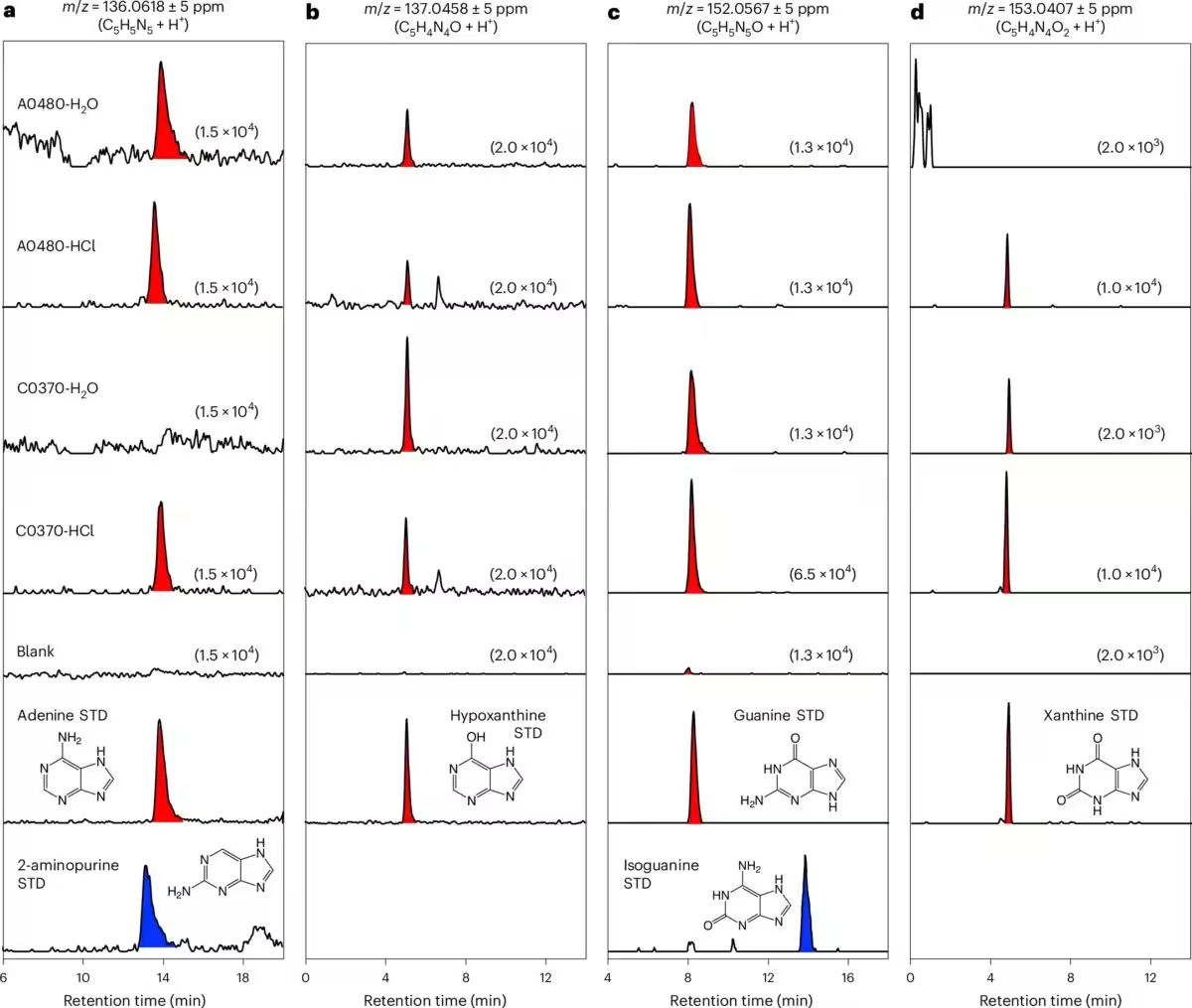
The discovery of all five nucleobases in samples from Ryugu is a significant scientific breakthrough. The balance between purines (adenine and guanine) and pyrimidines (cytosine, thymine, and uracil) in these samples differs from other meteorites like the Murchison meteorite, suggesting that the chemical processes responsible for forming nucleobases in space are not random but could follow specific patterns influenced by environmental factors in the parent bodies of asteroids.
“The detection of diverse nucleobases in asteroid and meteorite materials demonstrates their widespread presence throughout the Solar System and reinforces the hypothesis that carbonaceous asteroids contributed to the prebiotic chemical inventory of early Earth,” explained the study team.
This balance suggests that the chemical processes responsible for forming nucleobases in space are influenced by environmental factors in the parent bodies of asteroids, such as ammonia levels. The study indicates that ammonia levels in these parent bodies might play a role in the formation of nucleobases, providing valuable insights into the origins of life in the universe.
“Samples from Ryugu, Bennu and Orgueil, which have a similar mineralogy and elemental composition, show purine-to-pyrimidine ratios negatively correlating with ammonia. These observations indicate that the nucleobases in these samples may have formed via a shared pathway depending on the physicochemical environment of the respective parent bodies,” wrote the authors.
Life’s Building Blocks Are Common, but Life Itself Is Rare: The Search Continues
While this discovery shows that the basic building blocks of life are widespread in space, it doesn’t mean that life itself is common. According to the scientists, the presence of nucleobases in space doesn’t equate to the existence of life; it simply suggests that the molecules necessary for life could have been delivered to Earth by comets and asteroids long before life began to develop.
The study emphasizes that jumping to conclusions would be premature: finding nucleobases doesn’t prove extraterrestrial life. As researchers continue their search, they emphasize that multiple lines of evidence, not just a single molecule, are essential for confirming the existence of life beyond Earth.
This article has been fact checked for accuracy, with information verified against reputable sources. Learn more about us and our editorial process.
Last reviewed on .
Article history
- Latest version
Reference(s)
- “Regarding the journal paper on microbial contamination found on a grain from asteroid Ryugu | ISAS.” ISAS <https://www.isas.jaxa.jp/en/topics/003899.html>.
Cite this page:
- Posted by Aisha Ahmed