Spanish Bronze Age Treasure Holds Meteoric Iron Bracelet and Hemisphere
A Bronze Age hoard concealed two mysterious corroded items for six decades until fresh analysis uncovered an unexpectedly alien origin.
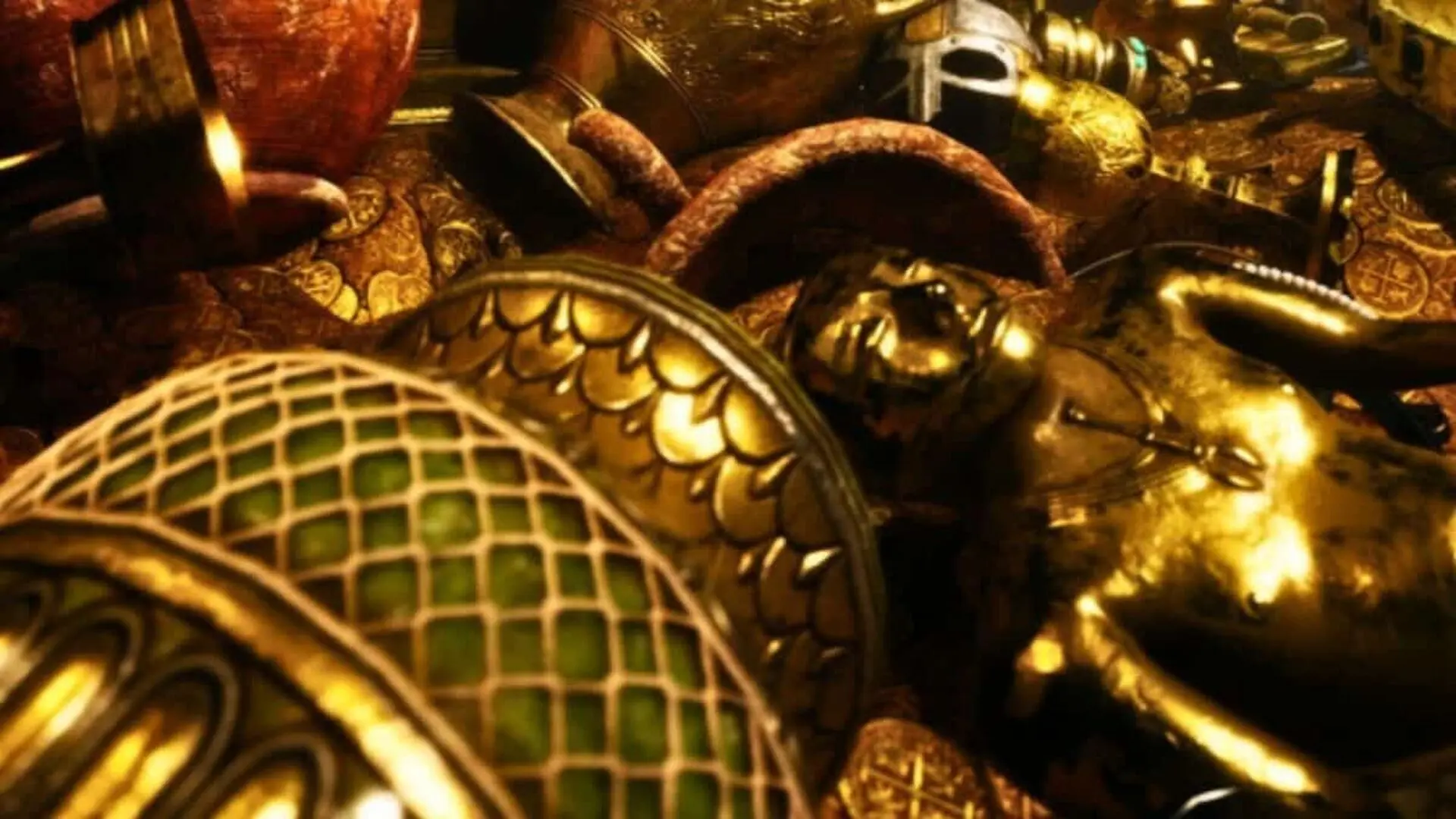
For six decades, two rust‑covered artifacts have puzzled scholars at the heart of Europe’s richest Bronze Age gold hoard. Both a bracelet and a tiny gold‑capped half‑sphere contain iron, yet the surrounding collection predates any local iron‑smelting technology. New analysis shows the metal originated beyond Earth.
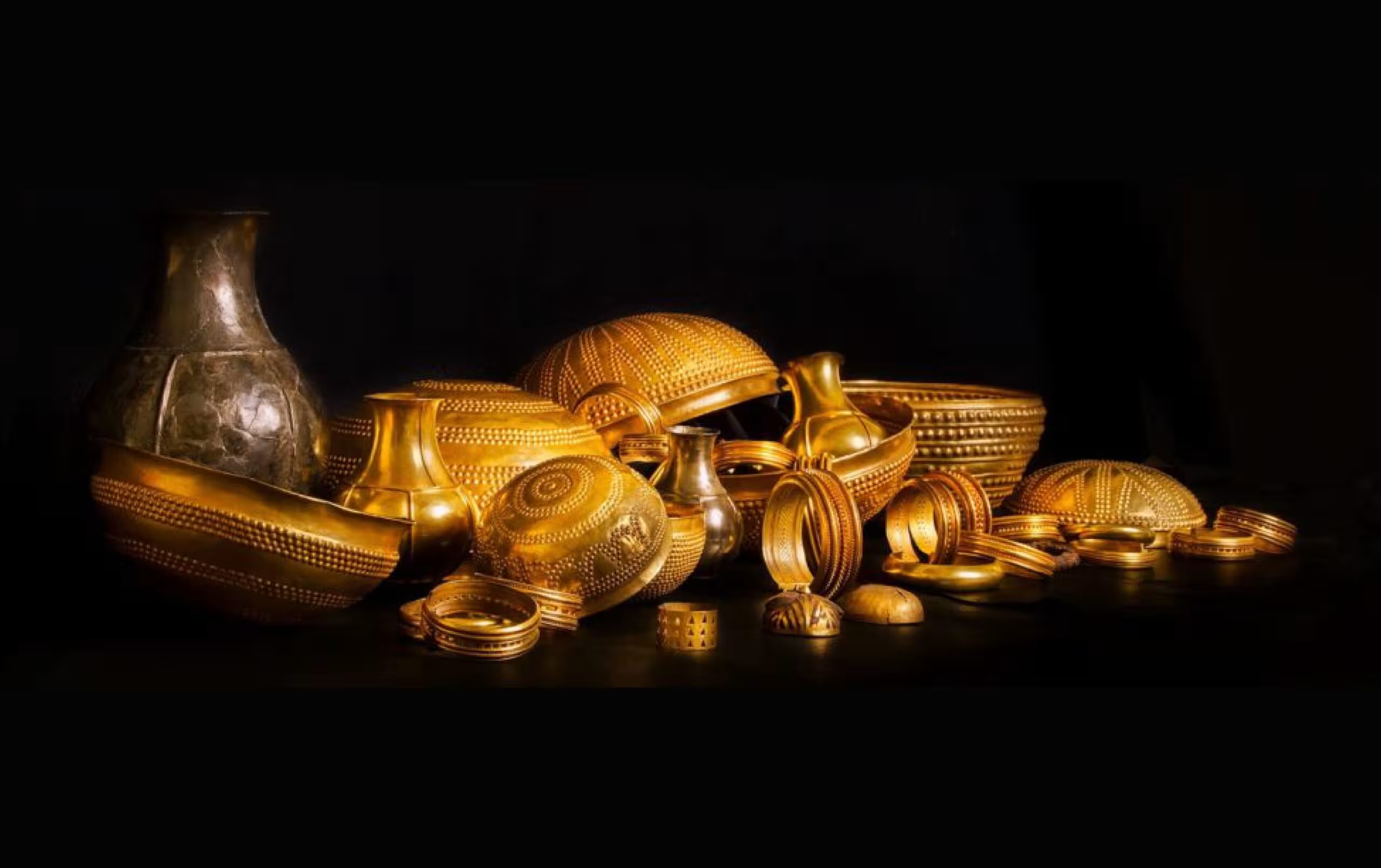
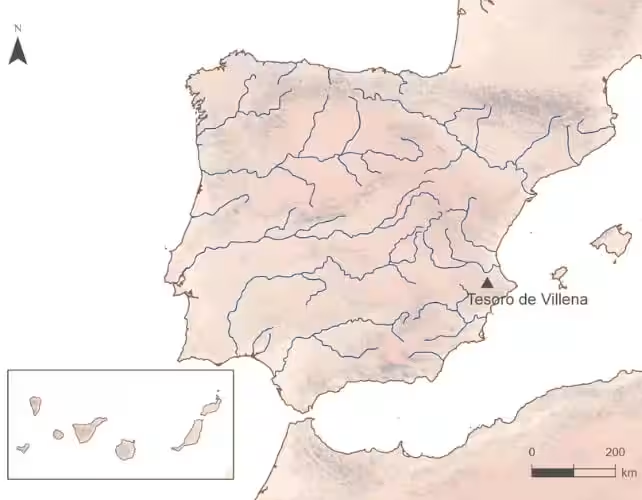
The Treasure of Villena comprises 66 pieces, almost 10 kg of gold, unearthed by civil engineer José María Soler on 1 December 1963 while excavating foundations near Villena in Alicante, Spain. Gold items dominate the assemblage—bowls, bracelets, decorative vessels—most of which are linked to the nearby Bronze Age settlement of Cabezo Redondo. The finds are now displayed at the Archaeological Museum “José María Soler”, which calls the trove “the most important prehistoric treasure in Europe”.
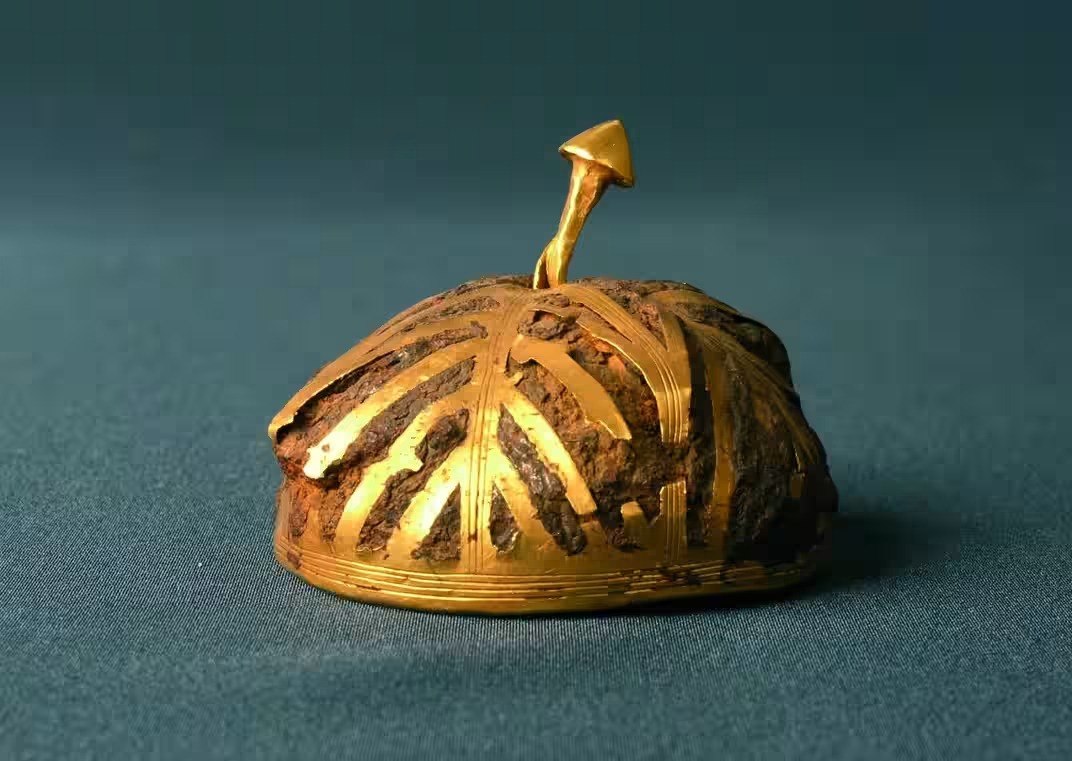
A research team led by former National Archaeological Museum conservator Salvador Rovira‑Llorens, together with Martina Renzi and Ignacio Montero Ruiz, subjected the two iron pieces to elemental testing. Their paper in Trabajos de Prehistoria concludes that the bracelet and the hemisphere represent the earliest known meteoritic‑iron artifacts on the Iberian Peninsula, dating them to the Late Bronze Age—well before iron smelting arrived locally.
Mystery Iron from the Late Bronze Age
Most of the Villena hoard dates to roughly 1500‑1200 BCE, an era when bronze, not iron, was the primary metal for tools and weapons across the Iberian Peninsula. Iron smelting did not become common in the region until about 850 BCE, when the Iron Age began. The presence of two iron items that predate this technology left curators with an unanswered question.
Museum inventories had long listed the bracelet and the half‑sphere—likely components of a ceremonial scepter or sword hilt—as anomalous early ironwork, but without a clear origin. The bracelet measures 8.5 cm across and shows evidence of careful hammering.
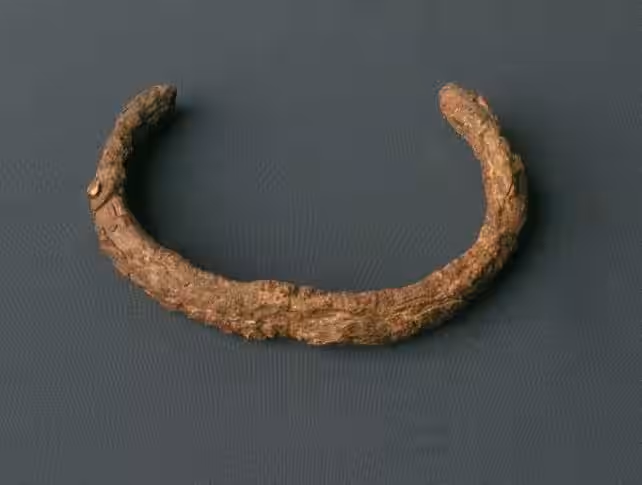
The half‑sphere retains a smooth, almost mirror‑like surface beneath its corrosion, a clue that eventually guided researchers toward an extraterrestrial source.
Nickel Signature Reveals a Cosmic Origin
Meteoric iron is distinguished by unusually high nickel concentrations and trace elements that match the composition of iron meteorites—remnants of planetary cores that never formed full planets. These chemical markers allow scientists to differentiate space‑derived iron from terrestrial ore, even after millennia of burial.
With museum permission, Rovira‑Llorens and colleagues from the Instituto de Historia of Spain’s CSIC extracted minute samples from both objects and applied mass spectrometry to determine their nickel content and overall elemental profile.
Despite extensive corrosion, which can obscure elemental readings, the analysis points strongly to an extraterrestrial source for both pieces. The researchers also note that meteoritic iron weathers differently from smelted iron, a factor that supports their conclusion.
A Rare Class of Bronze‑Age Metals
The Villena artifacts join a short roster of Bronze Age objects fashioned from meteorites. The most famous example is the iron dagger interred with Pharaoh Tutankhamun around 1323 BCE. Similar meteoritic weapons have been recovered from sites across Eurasia and North Africa, typically linked to elite or ritual contexts rather than everyday use.
The study does not claim that Late Bronze Age Iberian metalworkers recognized the celestial provenance of the material, but the distinctive hardness and finish would have set these items apart from contemporary bronze work.
The authors suggest that a meteorite fragment may have arrived in the region either through direct discovery or via Mediterranean trade routes, then been fashioned into high‑status objects. They caution that severe corrosion limits the precision of chemical analyses and recommend future non‑invasive techniques to refine the findings without further sampling.
Even with those constraints, the discovery reshapes our understanding of early metalworking on the Iberian Peninsula. Artisans were handling iron that had traversed the solar system centuries before local iron production began, turning celestial material into two striking pieces that now reside in Villena’s museum display.
This article has been fact checked for accuracy, with information verified against reputable sources. Learn more about us and our editorial process.
Last reviewed on .
Article history
- Latest version
Reference(s)
- “TREASURE AND MUSEUM OF VILLENA – Villena Turismo.” <https://turismovillena.com/portfolio/treasure-of-villena-and-archaeological-museum-jose-maria-soler/?lang=en>.
- “1110.” <https://tp.revistas.csic.es/index.php/tp/article/view/929/1110>.
Cite this page:
- Posted by Vikram Desai