Ancient Maya City Did Not Collapse As Thought And Stayed Inhabited For Centuries
New archaeological discoveries at an ancient Maya city reveal a complex history hidden beneath the ruins, challenging long-held beliefs about its collapse.
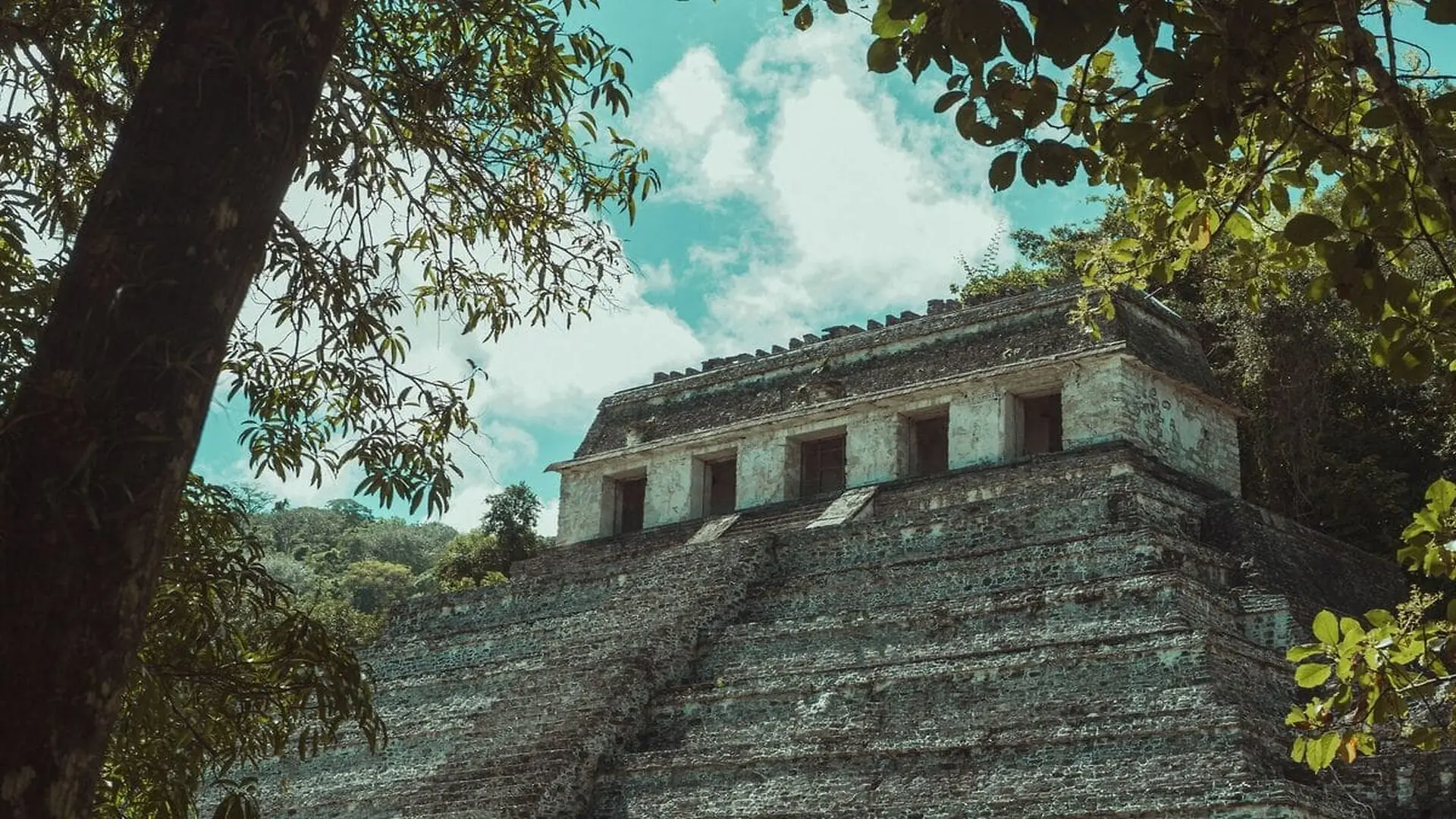
When the grand pyramids and temples of the ancestral Maya city of Aké began to crumble, the narrative of a fallen civilization did not end in desertion. Instead, a new study reveals that local inhabitants transformed the site into a resilient home, thriving among the architectural remains for nearly five centuries. This finding challenges the traditional assumption that once a major Maya center faced political collapse, its population simply vanished.
Archaeological evidence published in the journal Latin American Antiquity by University of Virginia anthropologist Roberto Rosado-Ramirez suggests that Aké remained a vibrant, occupied space long after its political zenith. The research argues against the tendency to view ancestral ruins through a lens of abandonment, emphasizing instead how communities adapted to the changing landscape of their ancestors.
From Monumental Authority to Domestic Resilience
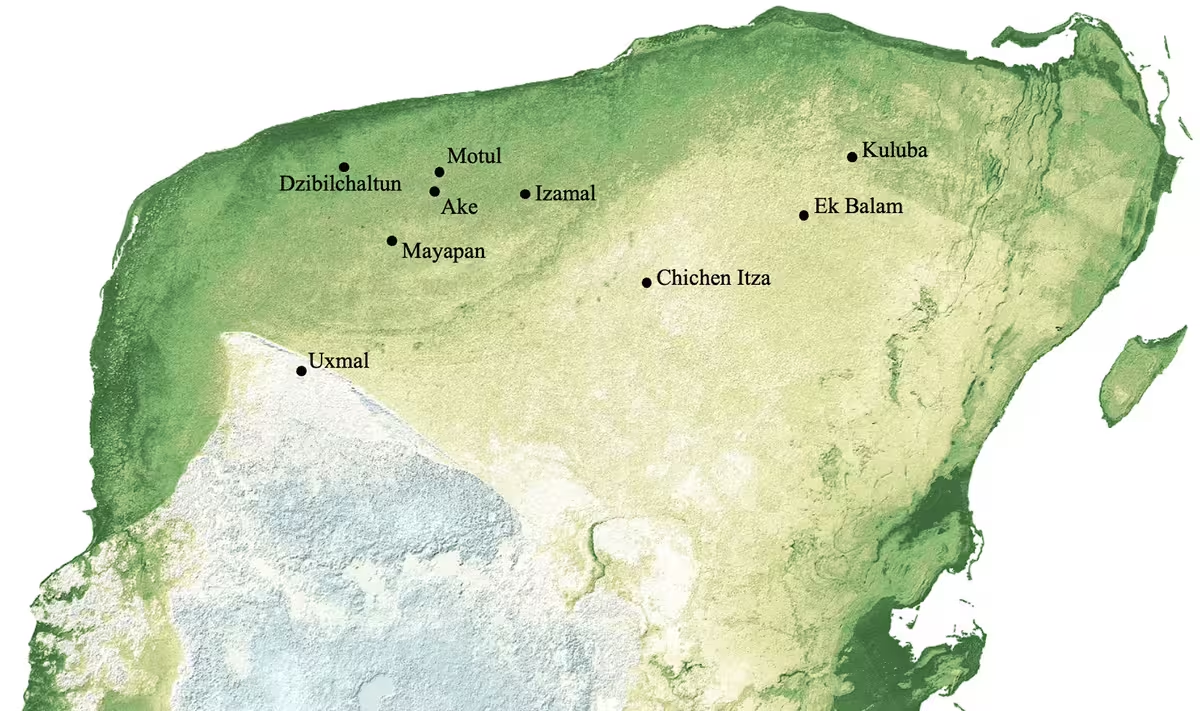
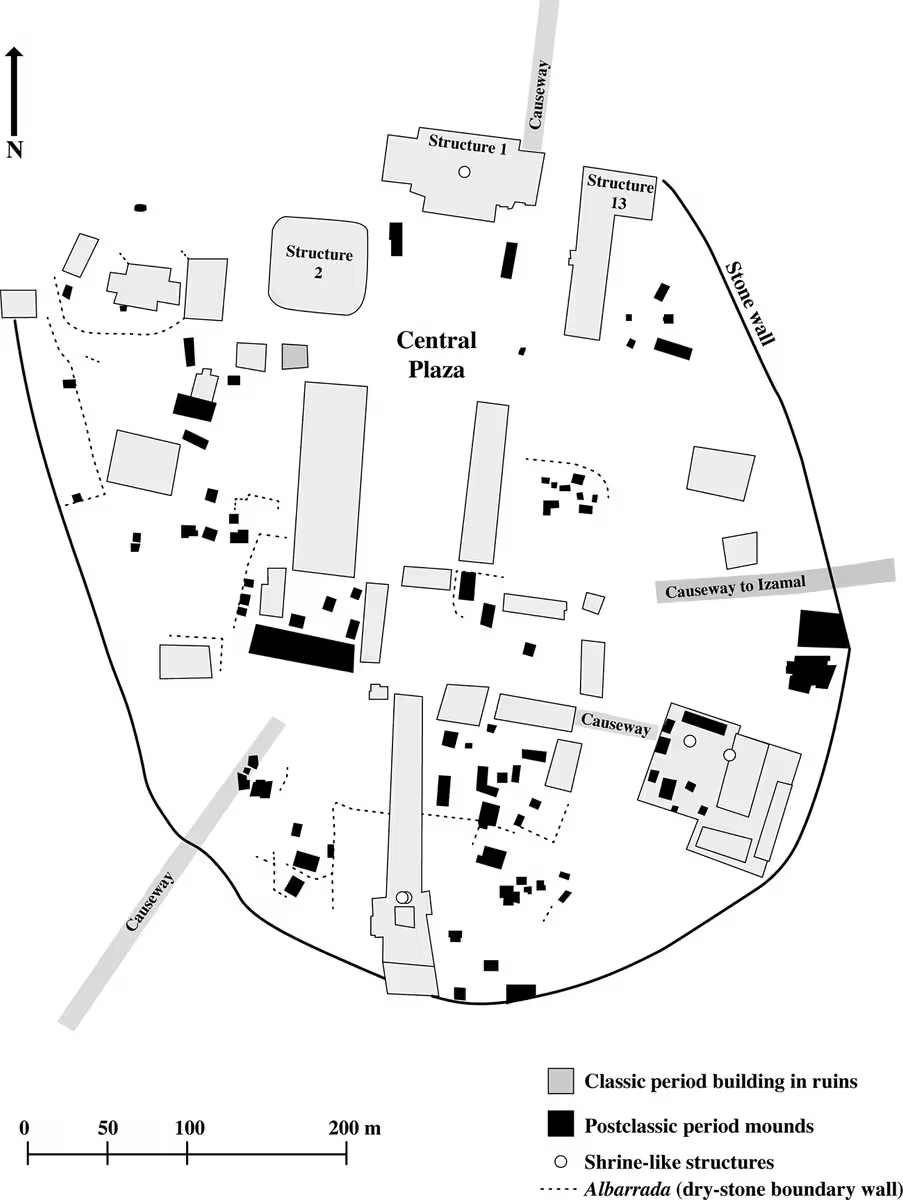
At its height, Aké functioned as a major hub, characterized by a central plaza flanked by seven massive stone structures. A 42-foot-wide thoroughfare connected the city to the prominent regional center of Izamal, located approximately 20 miles away. However, by 1000 C.E., the onset of drought and shifting political alliances triggered a decline in site maintenance. As erosion and the relentless growth of the jungle took hold, the imposing stone edifices gradually fell into disrepair.
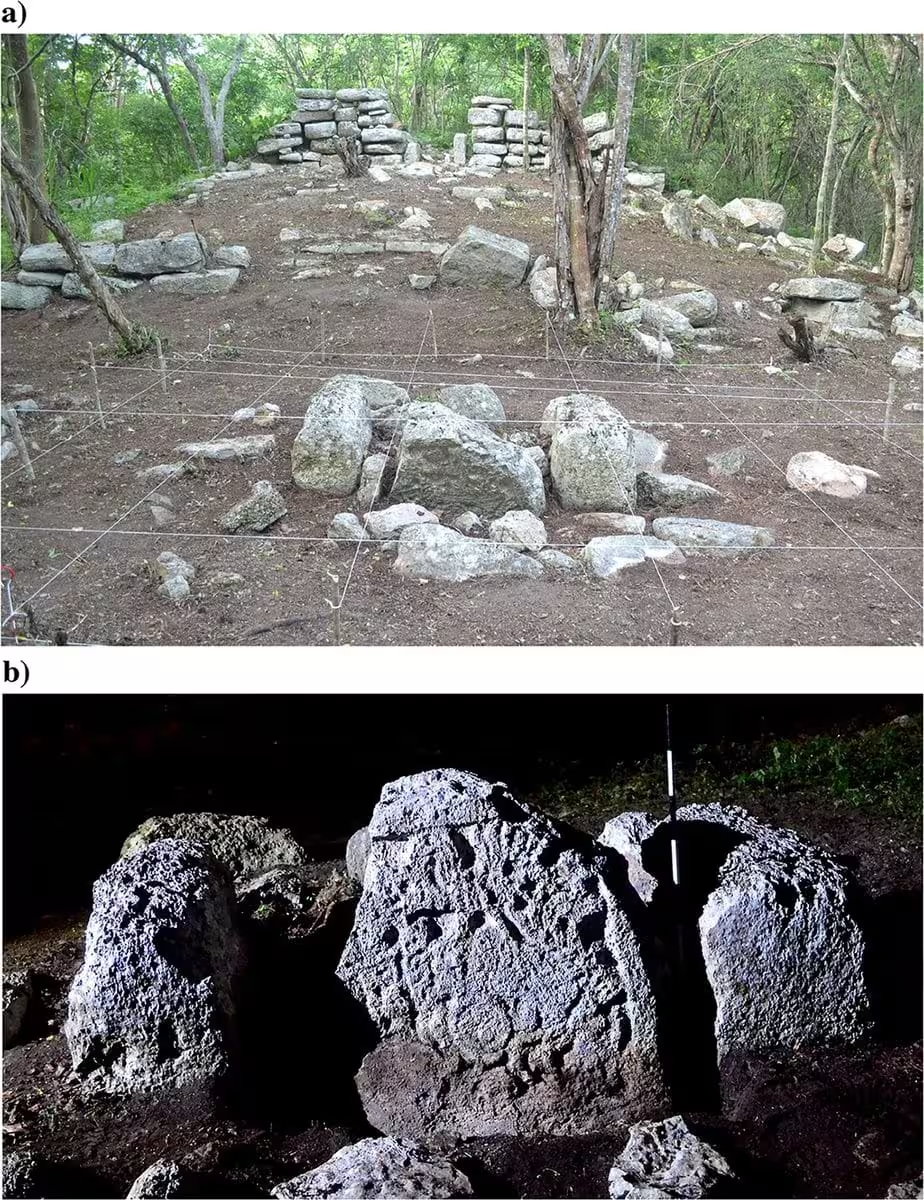
Despite this decay, the site was not left empty. Excavations reveal that a community settled within the walled city center between 1100 and 1550 C.E., utilizing the fallen blocks of the former elite structures to anchor their own smaller, pole-and-thatch homes. These residences, none exceeding 500 square feet, are marked today by 96 distinct mounds.
Artifacts of a Sustained Civilization
The layers of earth among these ruins have yielded a wealth of domestic materials, including pottery, grinding stones, spindle whorls, and animal remains. Deeper excavations into the rubble layers revealed evidence of sustained ritual life, such as incense burners and interments, indicating that the occupants maintained a continuous cultural and spiritual connection to the location for approximately 450 years.
“The ruins of Ake, as well as those of many other ancestral cities in northern Yucatan, were vibrant because they had the power to congregate life and matter, and to territorialize community in the Postclassic era,” Rosado-Ramirez noted. He suggests that the transformation of monumental architecture into rubble facilitated unique, ongoing interactions between the inhabitants and their physical environment.
Final Dispersal and Modern Persistence
The historical record for the site concludes abruptly around 1567, the date of its final mention in official documentation. Rosado-Ramirez posits that the end of this long-term settlement was likely forced, as Spanish colonial authorities systematically relocated indigenous populations.
Yet, the site remains a living landscape. Today, approximately 350 people reside at Aké, where the presence of ancient walls serves as a backdrop to contemporary life, including a local playing field and a Catholic church built directly atop a former Maya pyramid.
This article has been fact checked for accuracy, with information verified against reputable sources. Learn more about us and our editorial process.
Last reviewed on .
Article history
- Latest version
Reference(s)
- Rosado-Ramirez, Roberto. “Vibrant Maya Ruins: Community Territorialization in Ake, Yucatán, Mexico | Latin American Antiquity | Cambridge Core.”, pp. 1-13. Cambridge Core, doi: 10.1017/laq.2026.10210. <https://www.cambridge.org/core/journals/latin-american-antiquity/article/vibrant-maya-ruins-community-territorialization-in-ake-yucatan-mexico/3E50A898F53EE584E0EB34F241BD81F8>.
- “Explorer Home.” <https://explorers.nationalgeographic.org/directory/roberto-rosado-ramirez>.
Cite this page:
- Posted by Vikram Desai