Divers Discover Lost Silk Road City Hidden Beneath One of the World’s Deepest Lakes
Archaeologists have discovered the ruins of a lost medieval city, featuring brick walls, wooden beams, and underwater graves hidden beneath shallow water.
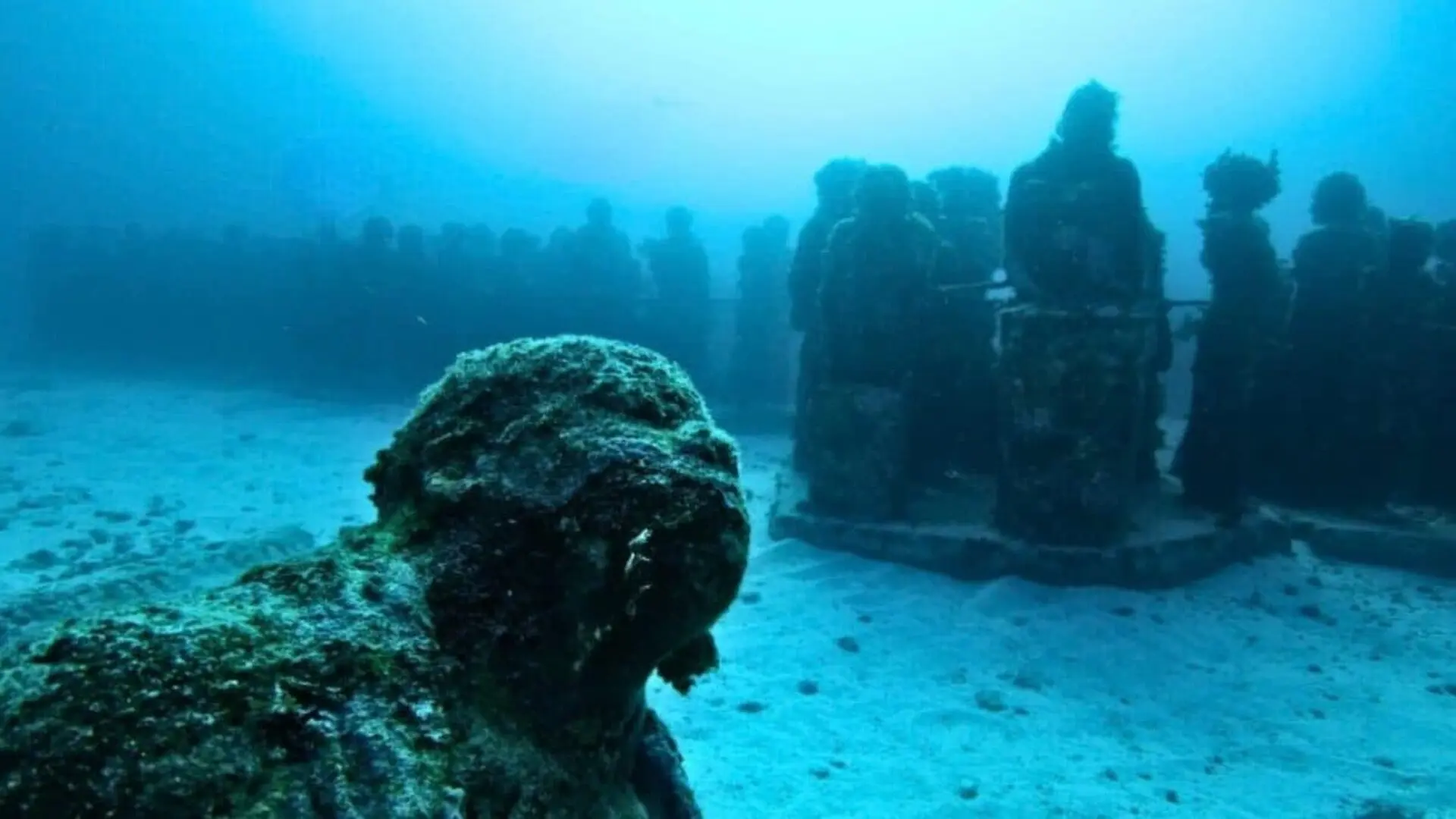
Underwater investigations along the northwestern banks of Kyrgyzstan’s Lake Issyk-Kul have uncovered the remnants of a significant medieval settlement. Divers exploring the lakebed near the village of Toru-Aygyr identified distinct, organized patterns of fired brick, stone masonry, and timber beams, confirming that the site was a thriving urban hub rather than a haphazard collection of debris.
The discovery, verified during a November 2025 archaeological expedition, reveals a city lying at a remarkably accessible depth of just one to four meters. This shallow environment has provided researchers with a rare opportunity to map the site using survey grids, allowing for detailed documentation that remains stable even following periods of high turbulence in the lake.
A Vital Link in the Silk Road Network
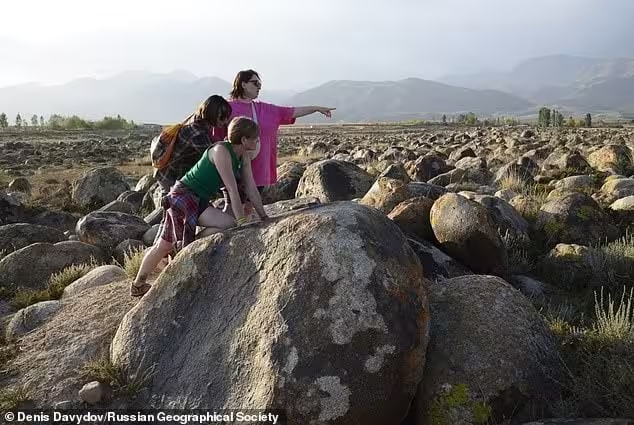
Although Lake Issyk-Kul ranks among the world’s deepest bodies of water, reaching depths of approximately 668 meters, these ruins sit in a littoral zone that was once a critical artery of the Silk Road. Historical records from UNESCO indicate that the southern basin of the lake served as a major thoroughfare for trade caravans, particularly as regional instability diverted traffic away from the Fergana Valley.
Archaeological evidence suggests the Toru-Aygyr settlement was established as early as the 10th century during the Karakhanid era. Experts believe the site functioned as a long-term urban center, sustained by the demand for trade goods among local Turkic rulers.
Evidence of Sophisticated Urban Life
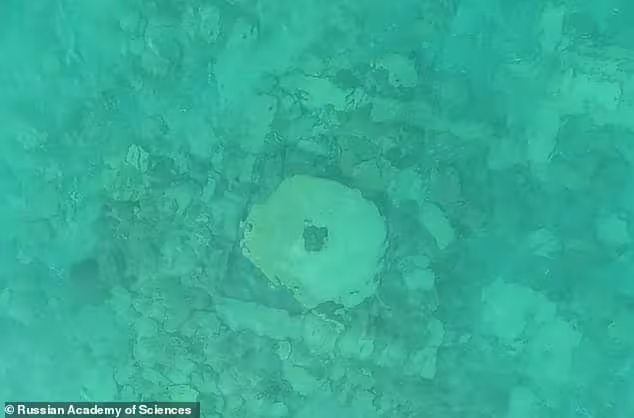
The layout of the submerged ruins points to a permanent, stratified society. Divers recovered a stationary millstone from a kiln-fired brick structure, a clear indicator of routine agricultural processing and sustained domestic life. Near these foundations, researchers mapped collapsed stone walls and timber frames, alongside a prominent public building adorned with exterior decorative elements characteristic of Islamic architectural traditions, potentially serving as a mosque or a center of learning.
Perhaps the most significant find is a sprawling, 14-acre Muslim cemetery. According to Maksim Menshikov of the Institute of Archaeology of the Russian Academy of Sciences, the remains of two individuals were found buried in accordance with Islamic tradition, oriented toward Mecca. This necropolis dates to the 13th or 14th century, reflecting the spread of Islam under the influence of the Golden Horde.
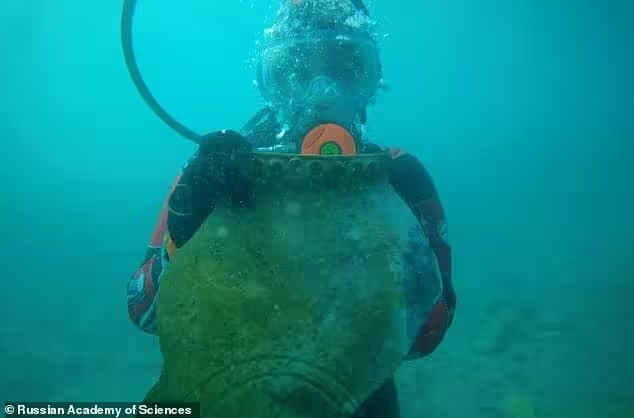
The city’s history reflects the religious pluralism of the era. Menshikov noted that earlier layers of the settlement reveal evidence of a diverse population that practiced Tengrianism, Buddhism, and Nestorian Christianity. Other finds include intact ceramic vessels, known as khums, used for storage, and evidence of multiple building phases where mud-brick structures were constructed over older soil horizons.
Determining the Cause of Submergence
To reconstruct the timeline of the city’s life and eventual demise, the team is utilizing dendrochronology and AMS radiocarbon dating on wood and bone samples recovered from the site. These efforts aim to clarify whether the city’s abandonment occurred gradually or was the result of a singular catastrophe.
Valerii Kolchenko of the National Academy of Sciences of the Kyrgyz Republic proposes that the city may have been claimed by the lake during a massive earthquake in the early 15th century. Given the site’s location in the seismically active Tian Shan mountain range, such an event is geologically plausible. While the scale of the destruction draws comparisons to the sudden loss of Pompeii, researchers are investigating whether the city was already in decline before the tectonic event occurred.
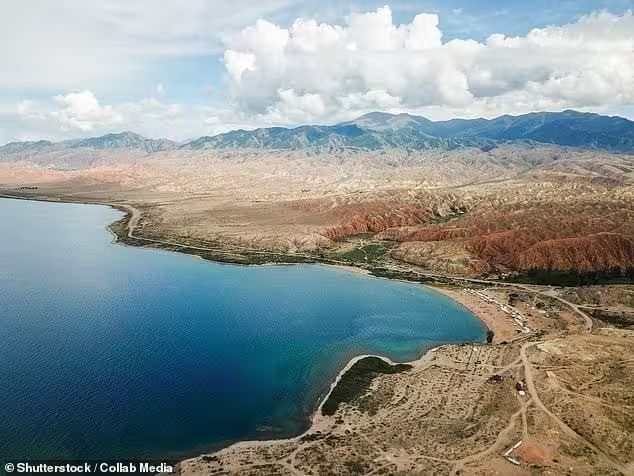
Future expeditions are planned to map the remainder of the settlement. Adhering to international standards for the preservation of underwater cultural heritage, the team intends to document the ruins in situ, prioritizing the protection of the site over large-scale excavation as they continue to peel back the layers of this forgotten Silk Road nexus.
This article has been fact checked for accuracy, with information verified against reputable sources. Learn more about us and our editorial process.
Last reviewed on .
Article history
- Latest version
Cite this page:
- Posted by Vikram Desai