Boy With Metal Detector Discovers 1856 Shipwreck Buried in Canadian Park
An 8-year-old’s persistence turned a simple birthday metal detecting trip into an extraordinary archaeological discovery: a long-lost shipwreck.
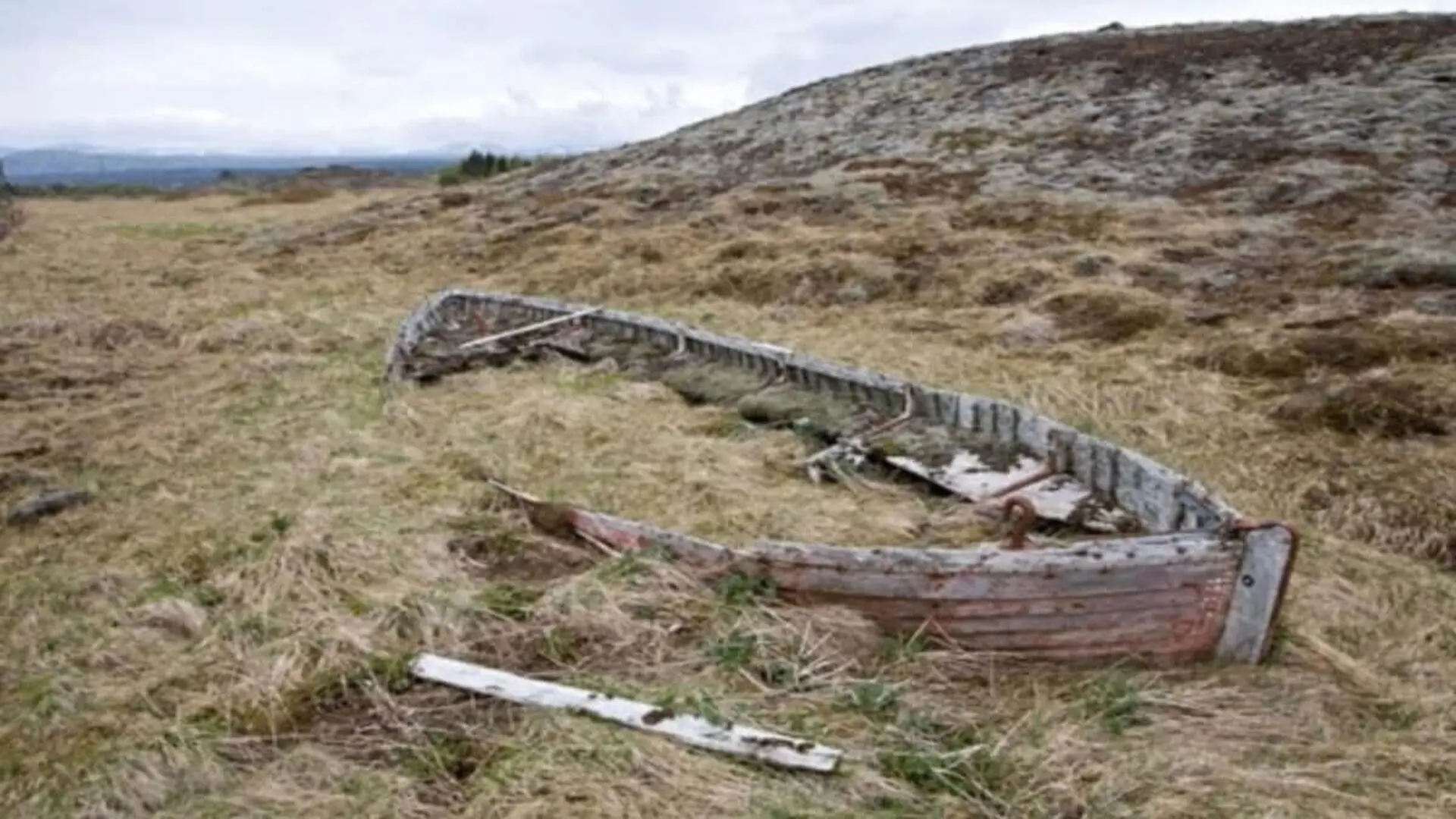
A routine afternoon of hobbyist exploration at Point Farms Provincial Park, Ontario, has led to a significant historical discovery. In 2023, eight-year-old Lucas Atchison, while testing a new metal detector on a family outing, identified a metallic signal that ultimately revealed the buried remains of a 19th-century shipwreck.
What initially appeared to be a simple piece of discarded hardware—a steel spike—prompted a deeper investigation by the Atchison family. Upon digging, they uncovered larger wooden structural components, leading to the involvement of the Ontario Marine Heritage Committee (OMHC) and professional marine archaeology experts.
From Backyard Discovery to Archaeological Site
Following a rigorous approval process to ensure the preservation of the site, a team of volunteers recently performed a controlled excavation. Marine archaeologist Scarlett Janusas, who led the technical assessment, identified the remnants as double-framed construction, characteristic of a schooner. These two-masted wooden sailing vessels were common workhorses on the Great Lakes during the 1800s.
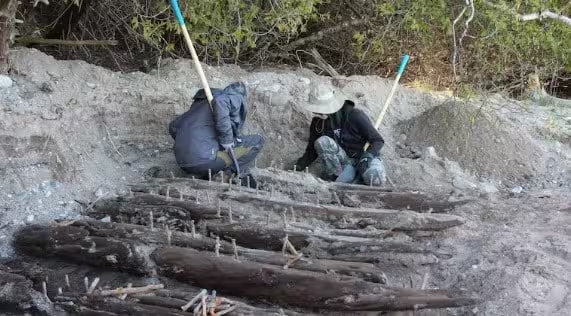
The research effort is currently twofold. Field teams are creating precise, scaled architectural drawings of the vessel’s remains, while historical experts, including marine historian Patrick Folkes, are cross-referencing the site with 19th-century maritime insurance and construction standards. By analyzing the spacing and density of the iron fasteners, researchers hope to firmly establish the build date and specifications of the ship.
Linking the Wreck to the 1856 St. Anthony
While definitive identification is ongoing, the primary theory suggests the site contains the remains of the St. Anthony, a schooner built in Erie, Pennsylvania. Historical accounts from the Buffalo Daily Republic in 1856 detail the loss of a wheat-laden vessel of that name, which ran aground near Goderich during a severe storm. Despite initial hopes of recovery, the ship was eventually abandoned to the elements.
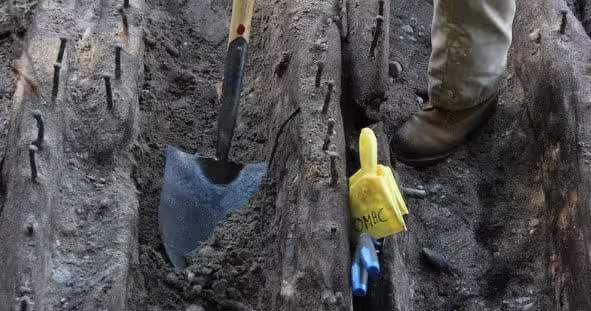
Once the current documentation phase concludes, the team plans to rebury the site. Janusas notes that returning the wreckage to the earth is a standard conservation tactic. By creating an anaerobic, or oxygen-free, environment, the soil prevents the proliferation of wood-boring organisms and parasites, effectively shielding the timber from rapid decay for at least another half-century.
This article has been fact checked for accuracy, with information verified against reputable sources. Learn more about us and our editorial process.
Last reviewed on .
Article history
- Latest version
Reference(s)
- “Home - Ontario Marine Heritage Committee.”, February 12, 2016 Ontario Marine Heritage Committee - Research, Interpret and Preserve Ontario’s Marine Heritage <https://ontariomarineheritagecommittee.ca/>.
- “Our Consultants & Associates.” <https://www.fossilhill.ca/associates/sjanusas.html>.
- Editor, Newsletter. “Patrick Folkes from Canada | NOTTINGHAMSHIRE LOCAL HISTORY ASSOCIATION.”, April 24, 2015 <https://nlha.org.uk/news/patrick-folkes-from-canada/>.
Cite this page:
- Posted by Vikram Desai