North Korea Nuclear Test Site Is Still Triggering Mysterious Earthquakes Years Later
Over 1,400 earthquakes have struck near North Korea’s nuclear test site since 2017, with new research suggesting underground blasts reactivated ancient faults.
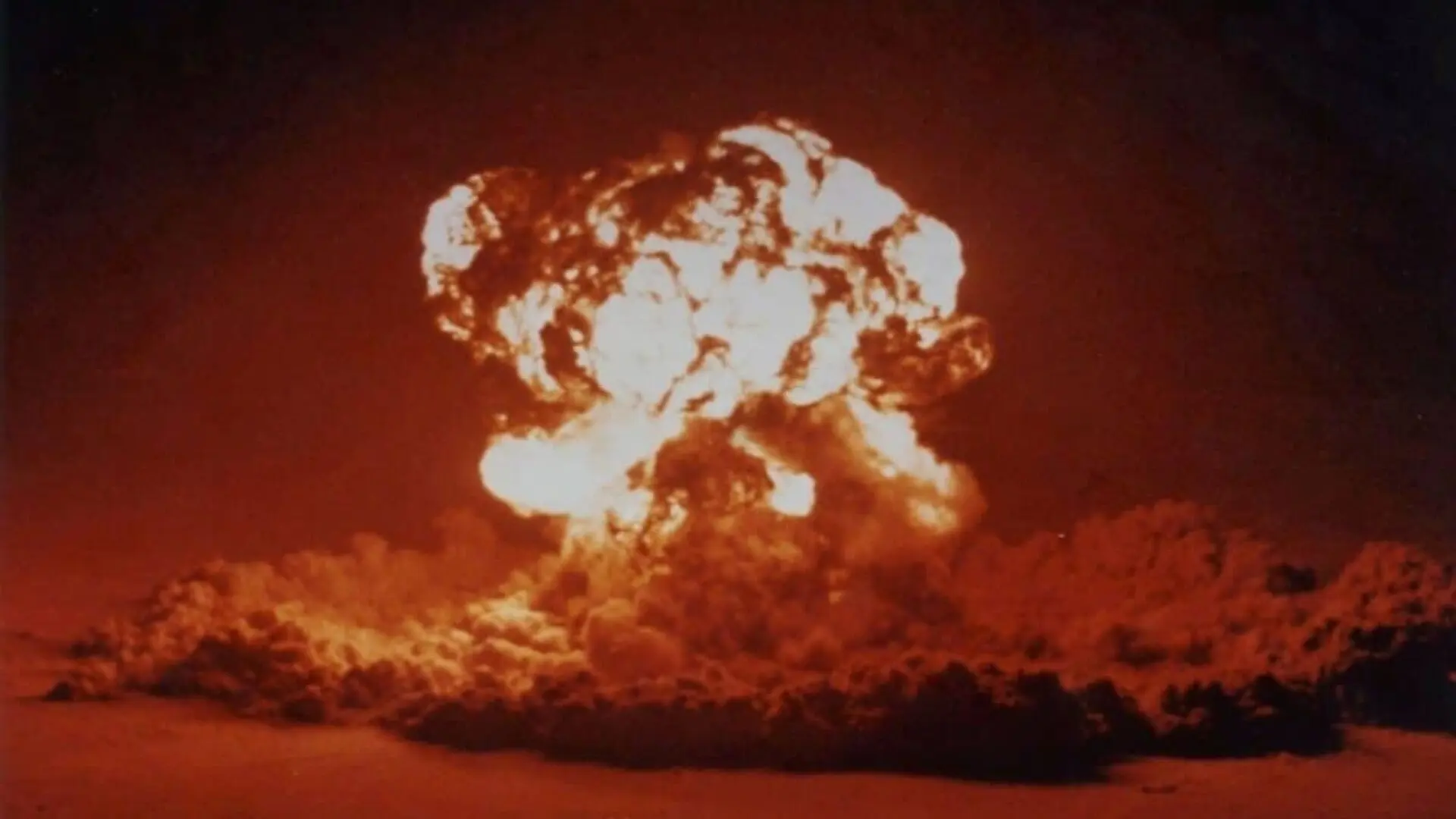
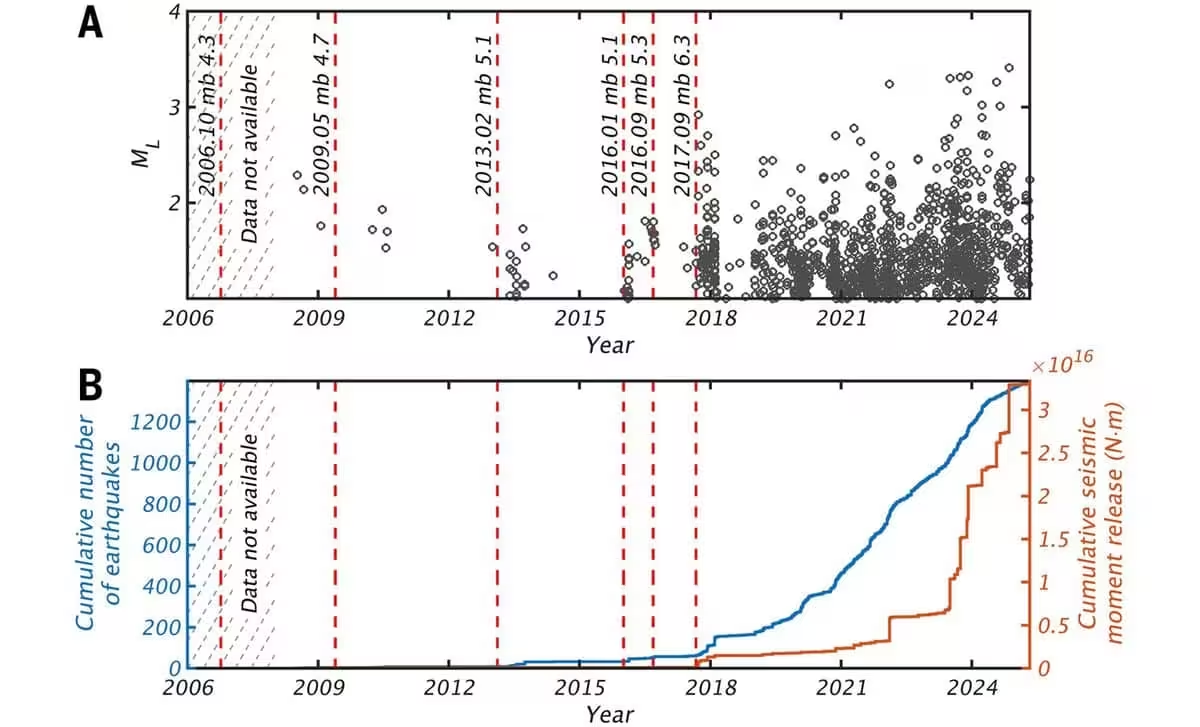
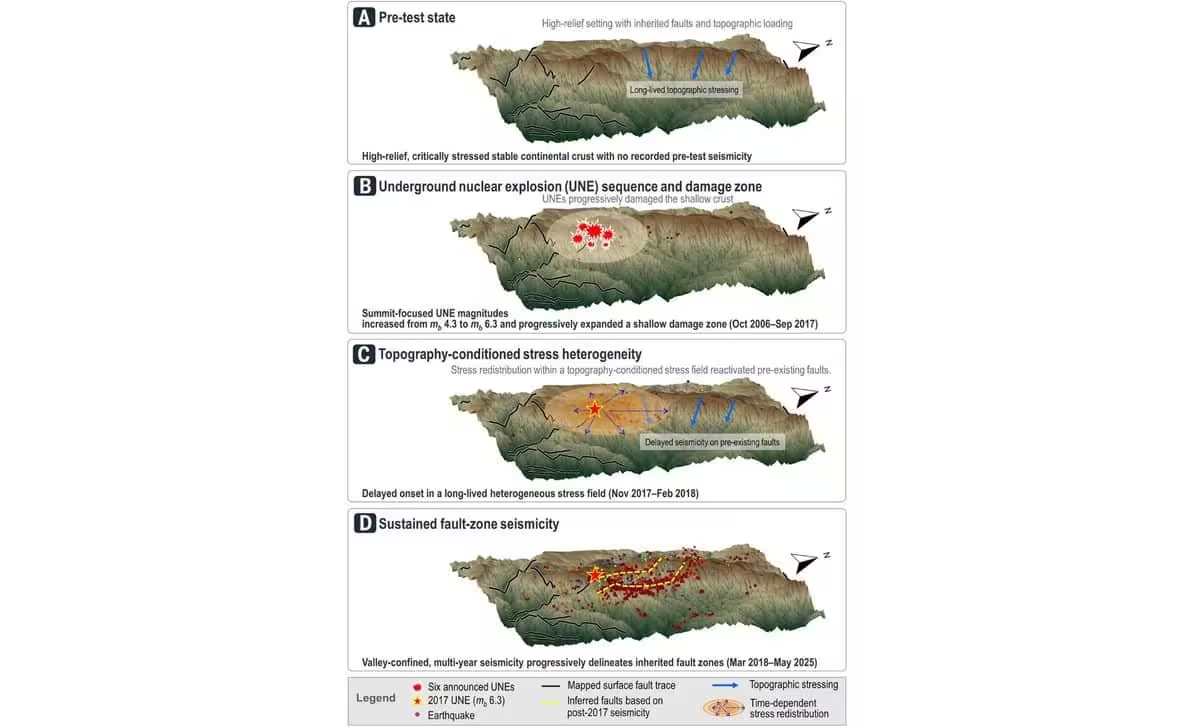
Between 2006 and 2017, North Korea conducted six underground nuclear tests at the Punggye-ri site, culminating in a massive detonation in September 2017 that generated a magnitude 6.3 seismic event. While standard models for underground explosions suggest that resulting seismic activity should dissipate relatively quickly, the region surrounding Mount Mantap has defied these expectations. Instead of quieting down, the area has seen a persistent and increasing frequency of small earthquakes years after the final test concluded.
A new analysis, published by researchers including Xingli Fan of the Chengdu University of Technology and Kwang-Hee Kim of Pusan National University, utilized seismic data collected between 2008 and 2025. By deploying advanced detection methods capable of capturing weak signals often missed by standard catalogs, the team identified 1,399 local earthquakes. These events were recorded by stations in China and South Korea, situated between 80 and 200 kilometers from the testing grounds.
Persistent Seismicity Unravels Conventional Aftershock Patterns
The sequence of seismic activity began to deviate from known patterns following the third nuclear test, but the most significant shift occurred approximately three weeks after the final 2017 explosion. Unlike traditional nuclear-test aftershocks, which typically wane over a few weeks—as observed after the 1968 Boxcar underground nuclear test in Nevada—the activity at Mount Mantap intensified over a much longer duration.
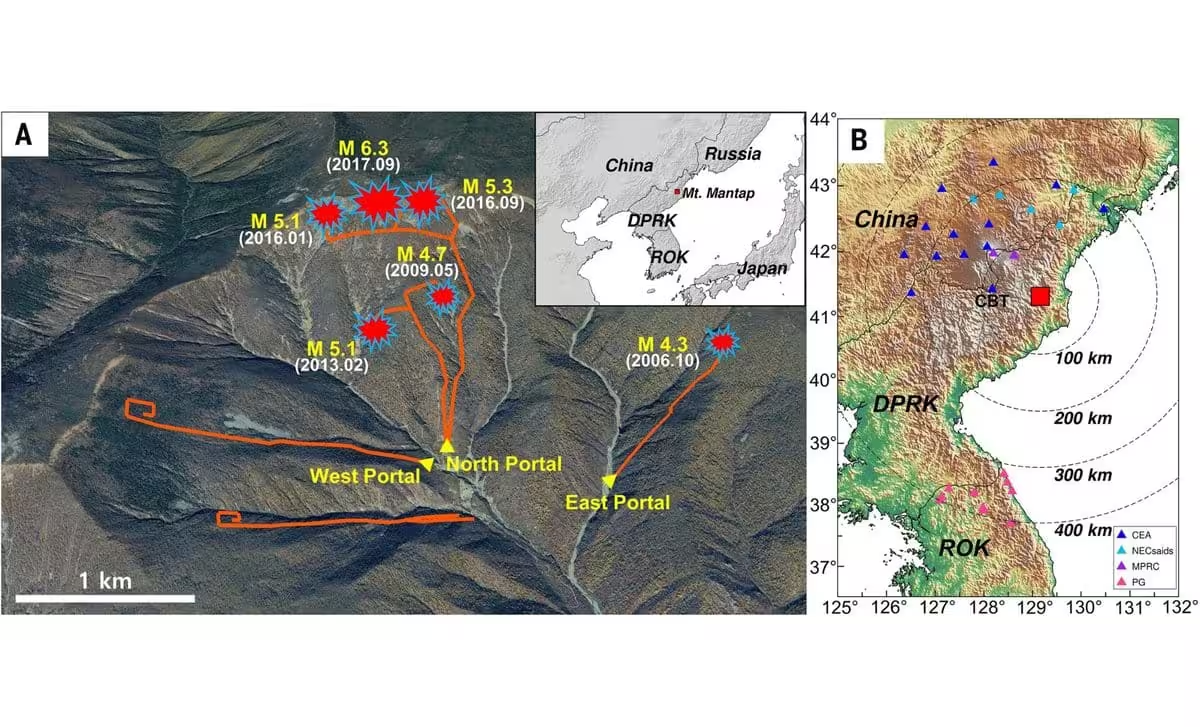
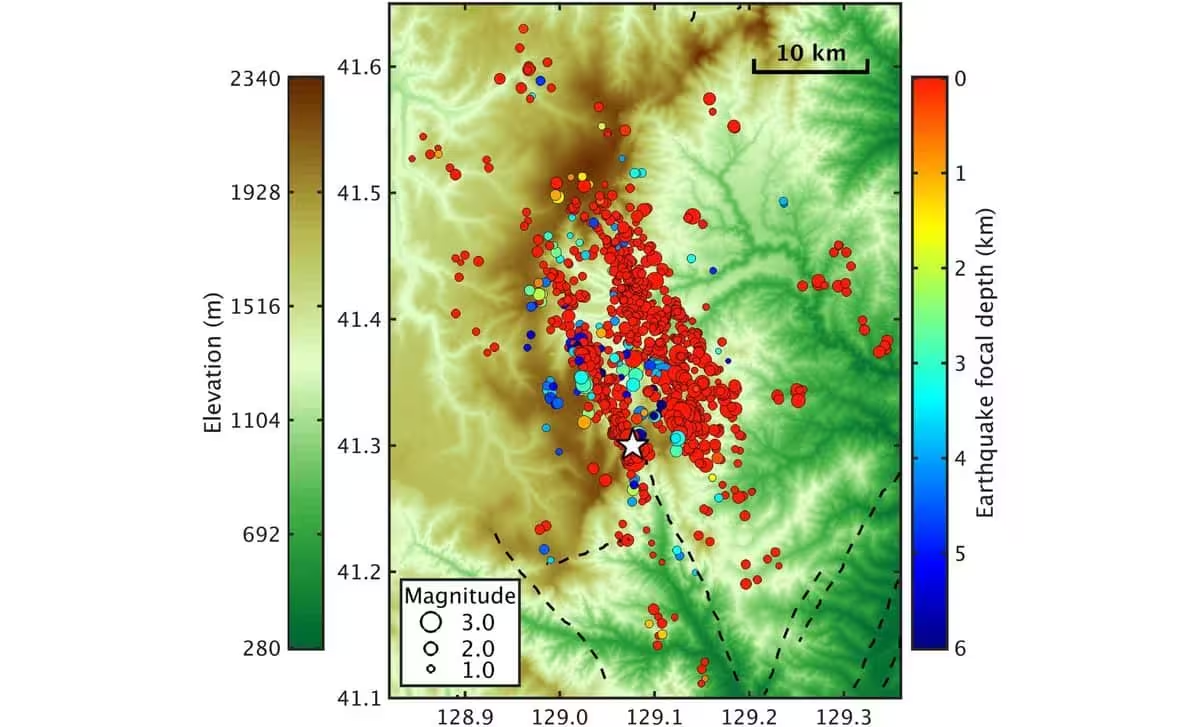
Mount Mantap sits in a region of stable continental crust, far removed from active tectonic plate boundaries. Records show no documented crustal earthquakes within 50 kilometers of the site between 1904 and the 2017 test. However, the researchers used precise relocation techniques to map 955 of the identified earthquakes, revealing two distinct, near-parallel structures extending north-northwest from the test zone. Kim noted that the linear alignment of these seismic events was remarkably clear.
Fractured Crust and Topographic Stress
The research team suggests that the persistent shaking is not merely a direct response to the 2017 blast, but rather the result of cumulative structural damage to the shallow crust. The six nuclear tests may have fractured the rock, creating pathways for stress redistribution. Furthermore, the mountain’s asymmetric, steep topography likely induces variations in stress within the crust, potentially priming pre-existing faults to slip.
While the study focuses on topography-driven stress, geophysicist Sunyoung Park of the University of Chicago, who was not part of the research team, noted that fluid migration through the newly fractured rock could also play a role. Increased pore-fluid pressure could lower the threshold for fault movement, though further investigation is required to confirm this mechanism.
Implications for Global Monitoring
These findings complicate the task of monitoring international nuclear test sites. The persistence of post-test seismic activity makes it increasingly difficult to distinguish between natural geological phenomena and potential clandestine testing. Understanding how short-term, high-energy events can leave long-term scars on the crust is critical for verification efforts.
As Park mentioned to CNN, the study serves as a reminder that man-made disturbances can trigger geologically long-lasting responses, proving that the Earth’s crust can retain the memory of seismic events for years or even decades.
This article has been fact checked for accuracy, with information verified against reputable sources. Learn more about us and our editorial process.
Last reviewed on .
Article history
- Latest version
Reference(s)
- Ryall, Alan., et al. “A comparison of seismological effects for the Nevada Underground Test Boxcar with natural earthquakes in the Nevada region.” Journal of Geophysical Research, vol. 74, no. 17, September 20, 2012, pp. 4281-4289. American Geophysical Union (AGU), doi: 10.1029/JB074i017p04281. <https://agupubs.onlinelibrary.wiley.com/doi/10.1029/JB074i017p04281>.
- <https://www.ctbto.org/our-work/verification-regime>.
- Hunt, Katie. “North Korea’s nuclear tests may have reactivated seismic faults.”, September 17, 2026 CNN <https://edition.cnn.com/2026/09/17/science/seismic-activity-north-korea-nuclear-test-site>.
Cite this page:
- Posted by Vikram Desai