Cavers Discover Ancient Hidden Tunnel Built Before The Rise Of Rome
Cavers near Rome have discovered a mysterious, non-Roman tunnel untouched for two millennia. Who built this hidden structure, and what secrets remain inside?
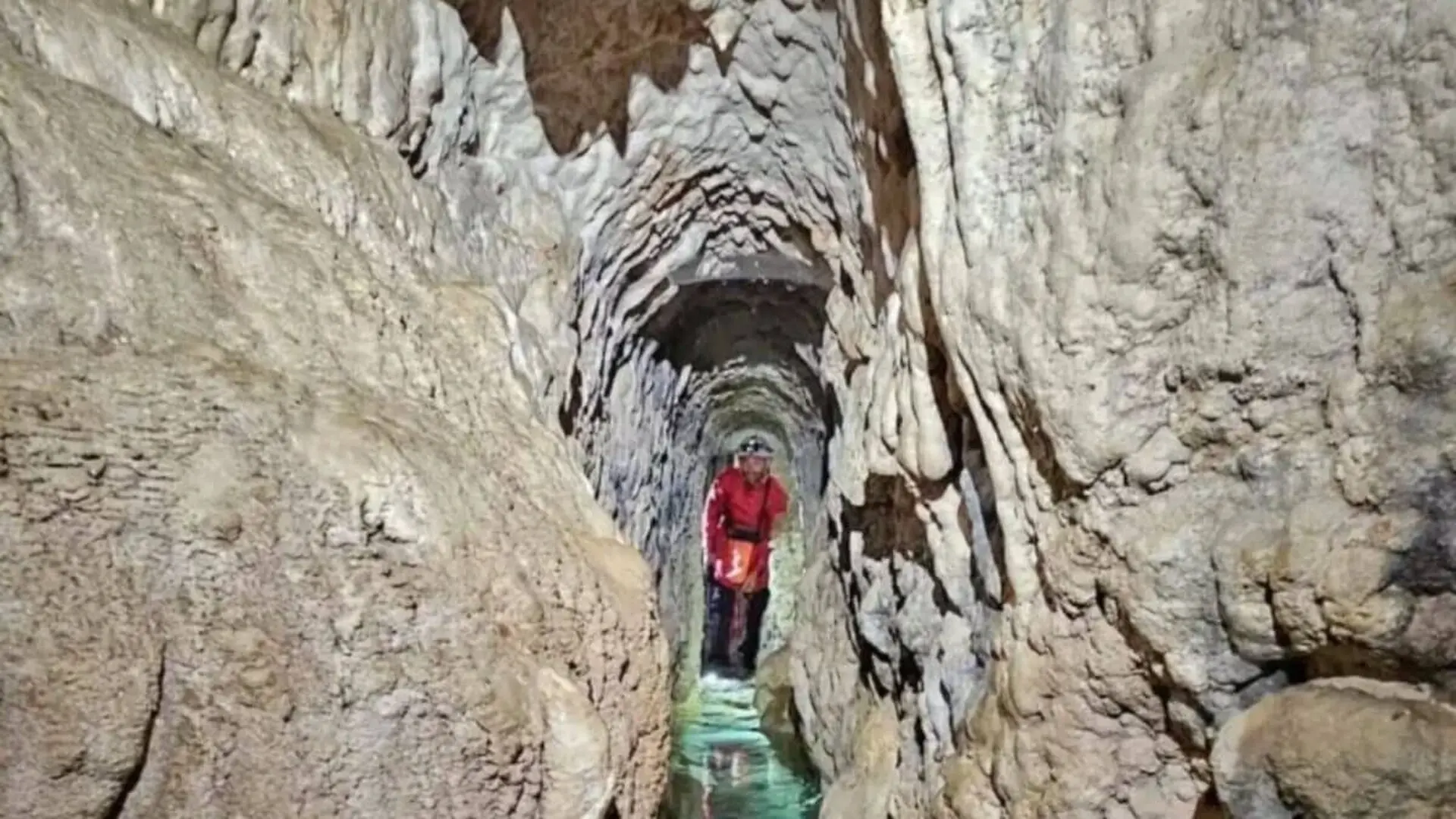
A collaborative team of archaeologists and speleologists has uncovered a sophisticated water management system near the town of Monteleone Sabino, northeast of Rome. By mapping approximately 100 meters of an ancient tunnel system, researchers have identified a pre-Roman aqueduct that challenges established timelines regarding hydraulic engineering in the Italian peninsula. The discovery indicates that the local Sabine population had mastered complex construction techniques long before the rise of Roman dominance.
Advanced Engineering Predating Rome
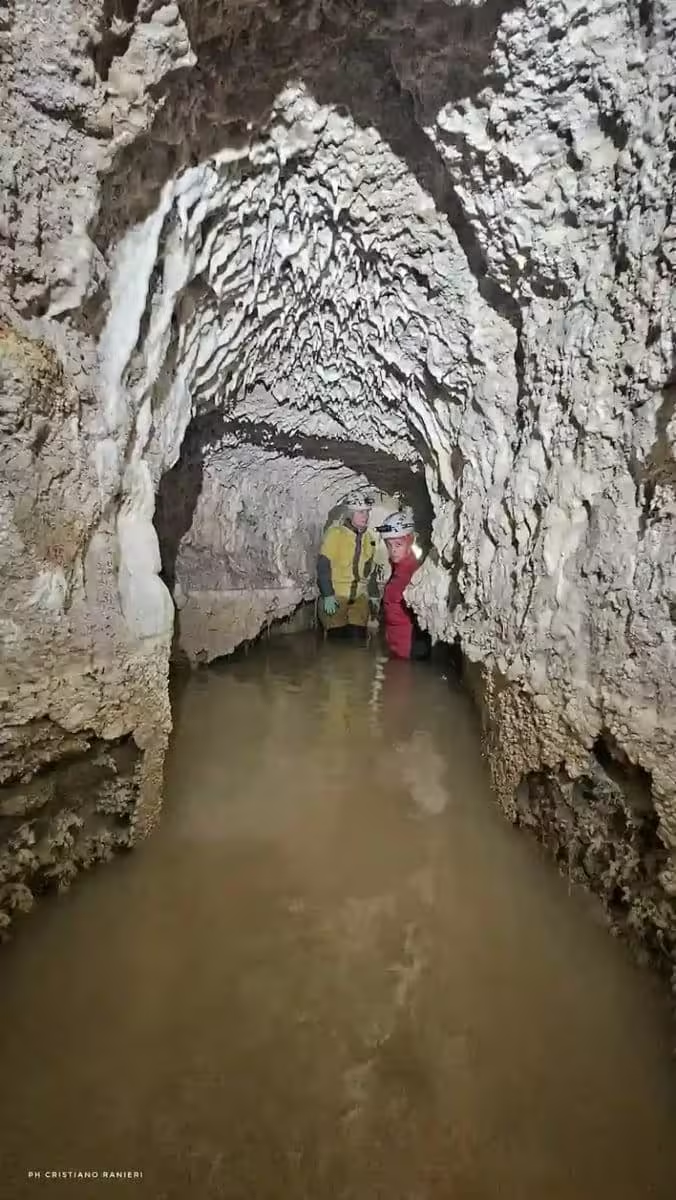
The survey, conducted by the Gruppo Speleo Archeologico Vespertilio under the oversight of the Soprintendenza Archeologia, Belle Arti e Paesaggio for Rome and Rieti, revealed a passage extending roughly 328 feet. The tunnel is carved through geological strata of conglomerate and clay-marl dating back two to five million years. Notably, the conduit features a distinctive pointed, or ogival, cross-section, a structural choice that prioritized both stability and function.
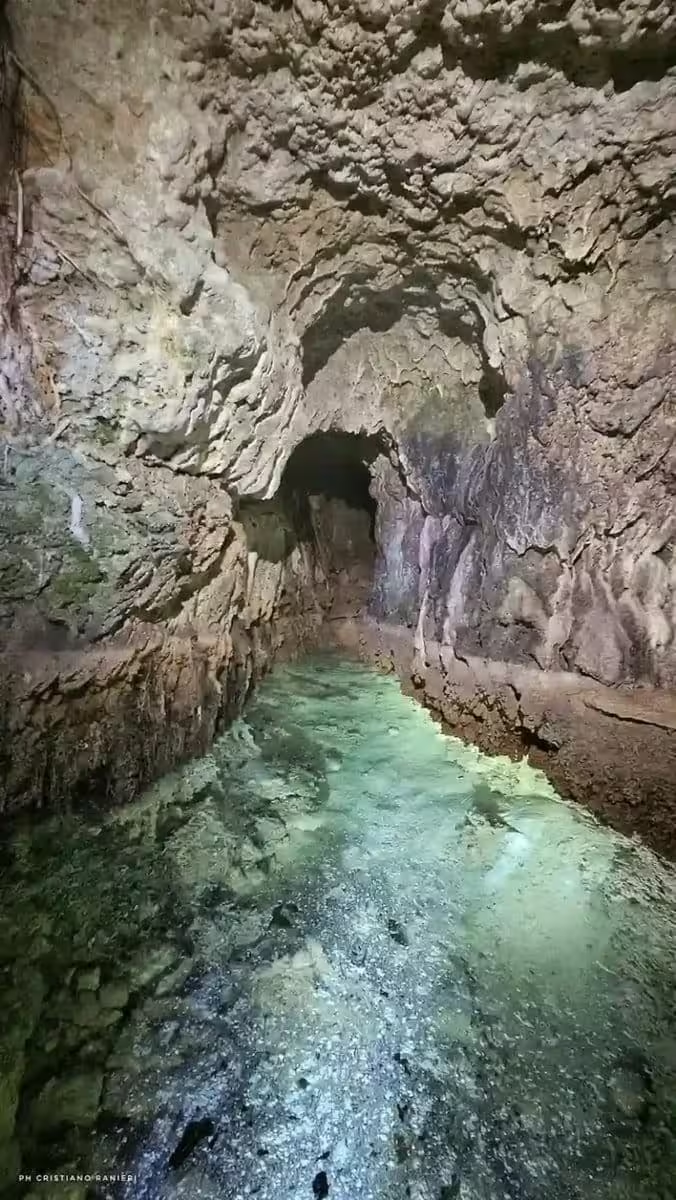
According to the official documentation from the heritage authorities, this find represents a fourth distinct piece of underground infrastructure identified in the vicinity. This specific site is separate from previously documented Roman-era tunnels associated with the nearby Trebula Mutusca site and other pre-Roman systems identified near the Church of Santa Vittoria, suggesting a much higher density of ancient regional engineering than previously understood.
Legacy of Construction Techniques
The construction methodology provides significant insight into the technical prowess of the builders. Excavators first created a series of vertical shafts and perpendicular side-galleries, allowing them to carve the primary main tunnel in a straight alignment. This systemic approach is remarkably similar to the hydraulic techniques later perfected by Roman engineers, suggesting that the Romans inherited and scaled these foundational practices rather than inventing them from scratch.
Implications for Sabine Society
The scale of the project implies the existence of a centralized governing authority capable of coordinating large-scale labor and long-term infrastructure planning. Researchers characterize the findings as evidence of a highly organized society within the pagus of the Mutuesci, where rural districts functioned with significant administrative and technical autonomy before being subsumed by the Roman state. As the investigation continues, the team aims to locate the full extent of the water network and conduct further analysis on sediment and tool marks to establish a definitive chronology for the site.
This article has been fact checked for accuracy, with information verified against reputable sources. Learn more about us and our editorial process.
Last reviewed on .
Article history
- Latest version
Reference(s)
- “Gruppo Speleo Archeologico Vespertilio.” <https://www.speleovespertilio.it/homepage.htm>.
- “Monteleone Sabino Ri Scoperto Importante Acquedotto Preromano.” <https://sabap-met-rm.cultura.gov.it/monteleone-sabino-ri-scoperto-importante-acquedotto-preromano/>.
Cite this page:
- Posted by Vikram Desai