The US Military Has Officially Confirmed It Now Has Weapons Operating In Orbit
The U.S. has officially confirmed the deployment of operational space control weapons designed to counter hostile actions and defend assets in orbit.
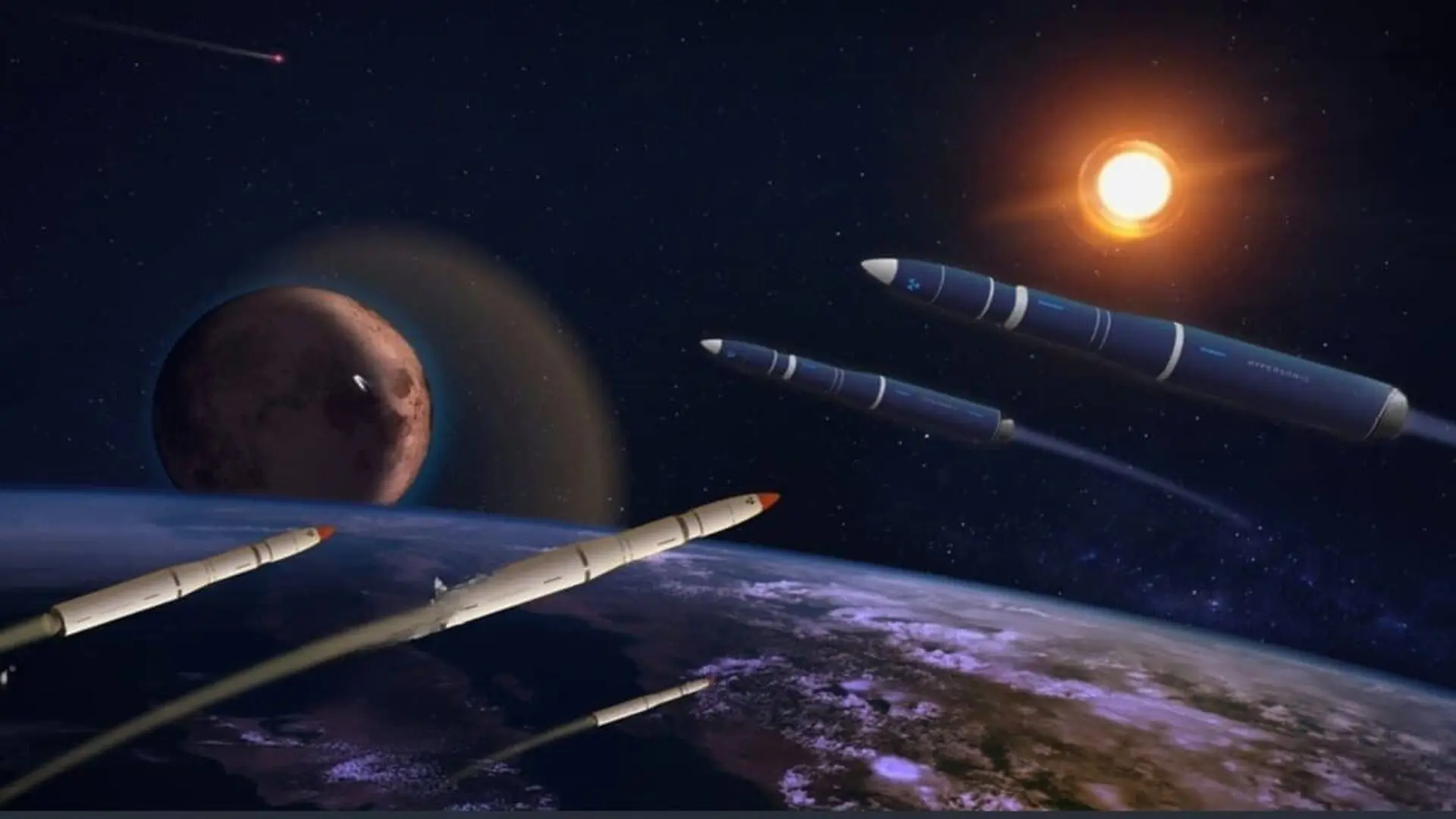
The United States has officially confirmed the deployment of orbital space control weapons designed to protect American military assets from adversary interference. Air Force Secretary Troy Meink revealed the existence of these systems during the Air, Space & Cyber Conference in Maryland, marking the first time the Pentagon has openly acknowledged the presence of operational weaponry in orbit.
While the military remains tight-lipped regarding the technical specifications, deployment dates, or the quantity of these assets, the acknowledgment signals a shift in Washington’s strategy toward open deterrence. Military officials emphasized that these systems are intended to defend the joint force against hostile actions, though they declined to detail specific testing histories or target parameters.
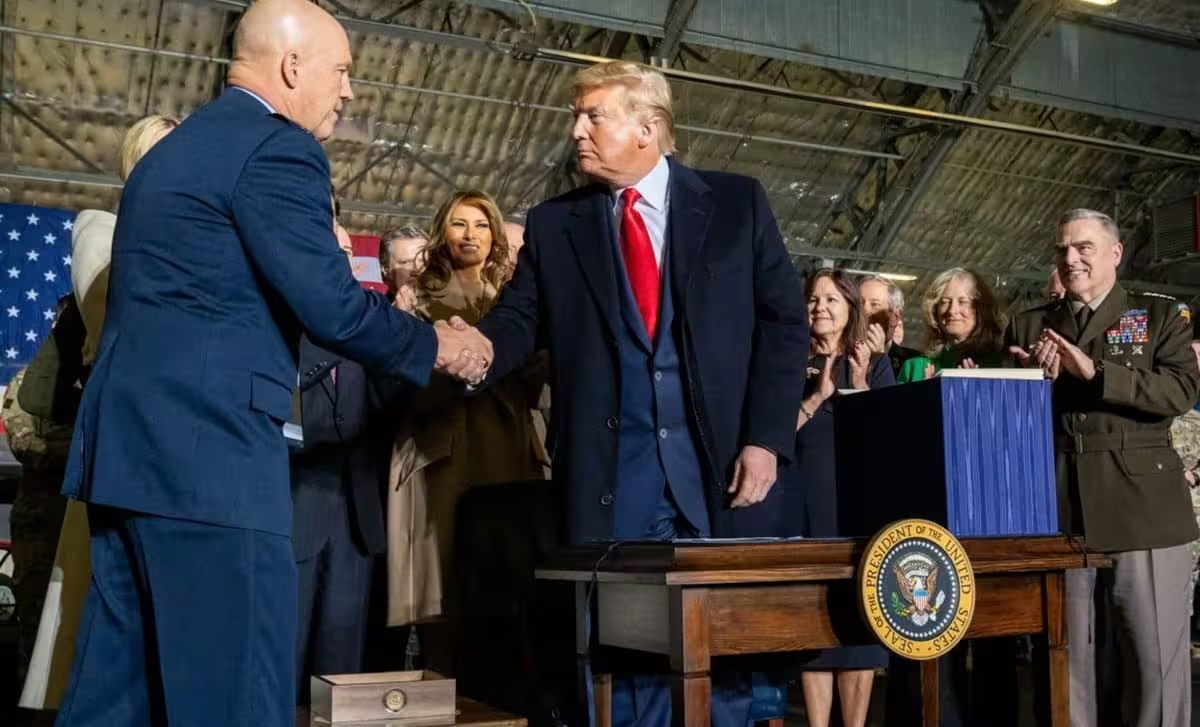
Beyond Kinetic Warfare
The term “space weapon” often conjures images of missiles destroying satellites, but modern orbital conflict is increasingly centered on non-destructive disruption. The U.S. Space Force noted that “space control” encompasses a spectrum of capabilities, ranging from electronic jamming and sensor-dazzling lasers to sophisticated maneuverability. As Clayton Swope, deputy director of the Aerospace Security Project at the Center for Strategic and International Studies, pointed out, distinguishing between civilian and military technology in space can be difficult, as many innocuous-looking components, such as optical links or radio transmitters, can be repurposed as offensive tools.
This follows the recent activation of Meadowlands, a ground-based mobile system designed to disrupt communications satellites, highlighting the military’s broader investment in counterspace operations.
The Risks of Orbital Debris
The reliance on kinetic anti-satellite (ASAT) tests remains a significant concern for the international community. When a spacecraft is destroyed, it creates a massive cloud of high-velocity debris, endangering everything from commercial satellites to the International Space Station. Historically, such demonstrations by China in 2007, India in 2019, and Russia in 2021 have prompted global condemnation. The 2021 Russian test was particularly notable for forcing astronauts to shelter in place as a precaution against the resulting debris field.
Because of these risks, nations are gravitating toward non-kinetic measures, such as spoofing navigation data or temporarily blinding sensors, which allow for tactical advantages without polluting the orbital environment with lethal shrapnel.
A Geopolitical Chessboard
The space domain has become a critical theater for navigation, reconnaissance, and battlefield communication. The 2025 Space Threat Assessment confirms that GPS jamming and spoofing have become common features of modern conflicts, particularly in Eastern Europe and the Middle East. Furthermore, intelligence reports indicate that both China and Russia are actively refining “pursuit” satellite technology, which could allow for close-range surveillance or the coordinated management of large satellite swarms.
In response to the U.S. announcement, Beijing and Moscow maintained their long-standing rhetorical opposition to the militarization of space. However, Washington maintains that it is merely reacting to a decade of development by its adversaries, including reports that Moscow may be exploring nuclear-powered anti-satellite capabilities, a claim the Kremlin has repeatedly denied.
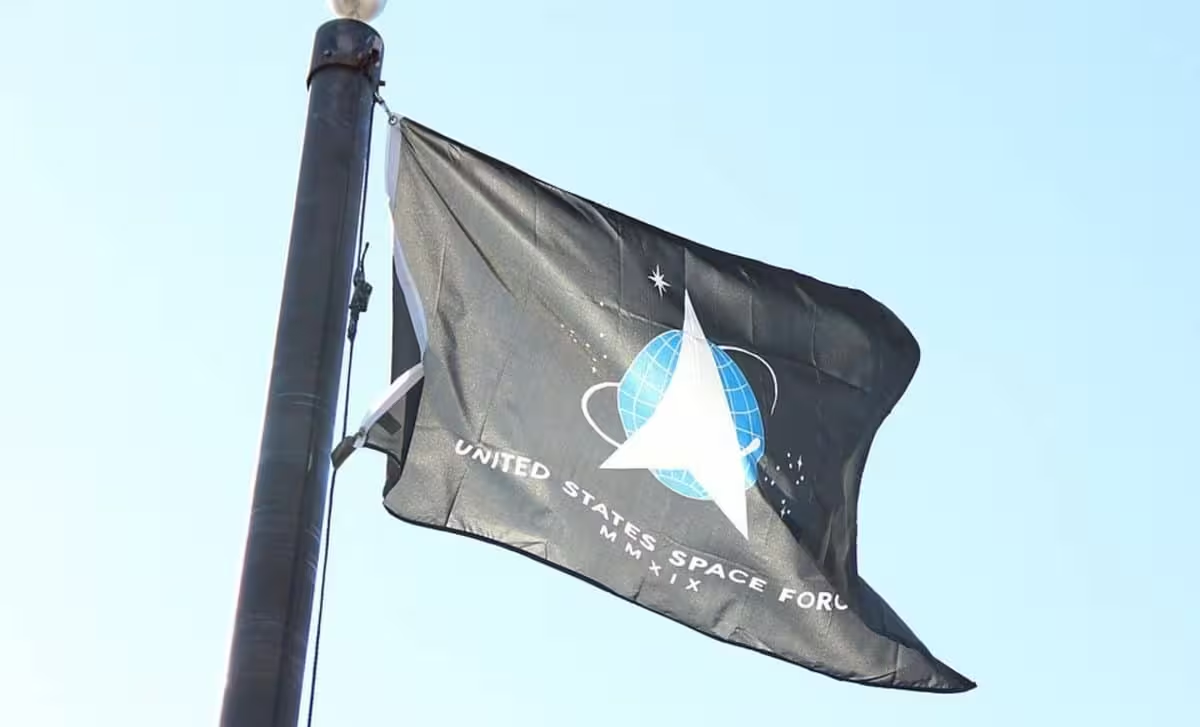
Regulatory Gaps
The legal framework governing space remains largely antiquated. The 1967 Outer Space Treaty forbids weapons of mass destruction and nuclear armaments in orbit, but it does not prohibit conventional weapons. While the United Nations has passed non-binding resolutions calling for an end to destructive ASAT tests, experts warn that a “regulatory vacuum” persists. This leaves the global community in a precarious position where technological advancements are rapidly outpacing international law, and deterrence remains the primary, albeit fragile, mechanism for stability.
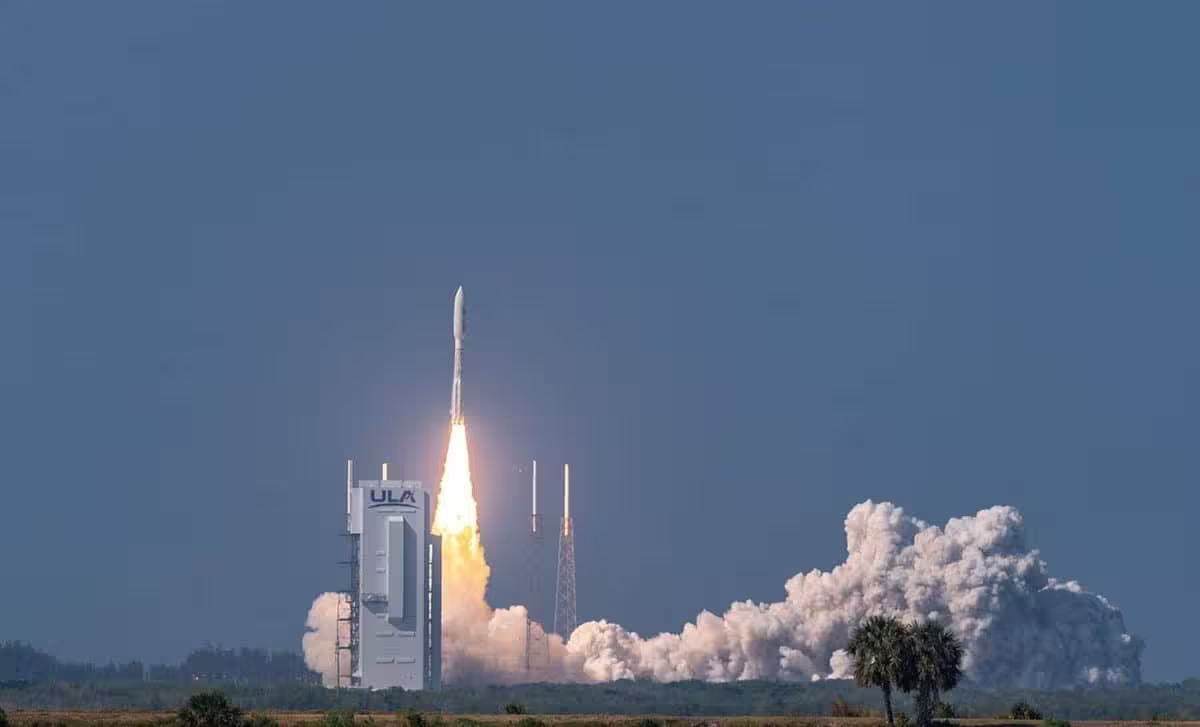
This article has been fact checked for accuracy, with information verified against reputable sources. Learn more about us and our editorial process.
Last reviewed on .
Article history
- Latest version
Reference(s)
- reporter, Guardian. “China confirms anti-satellite missile test.”, January 23, 2007 The Guardian <https://www.theguardian.com/science/2007/jan/23/spaceexploration.china>.
- Swope, Clayton. “Space Threat Assessment 2025.”, April 25, 2025 Aerospace Security <https://aerospace.csis.org/space-threat-assessment-2025/>.
Cite this page:
- Posted by Vikram Desai