The Extraordinary Life of the Paleontologist Who Became an Albanian Spy and Hijacked a Plane
Discover the extraordinary life of Franz Nopcsa, the Transylvanian aristocrat who balanced pioneering dinosaur research with a career as a spy and hijacker.
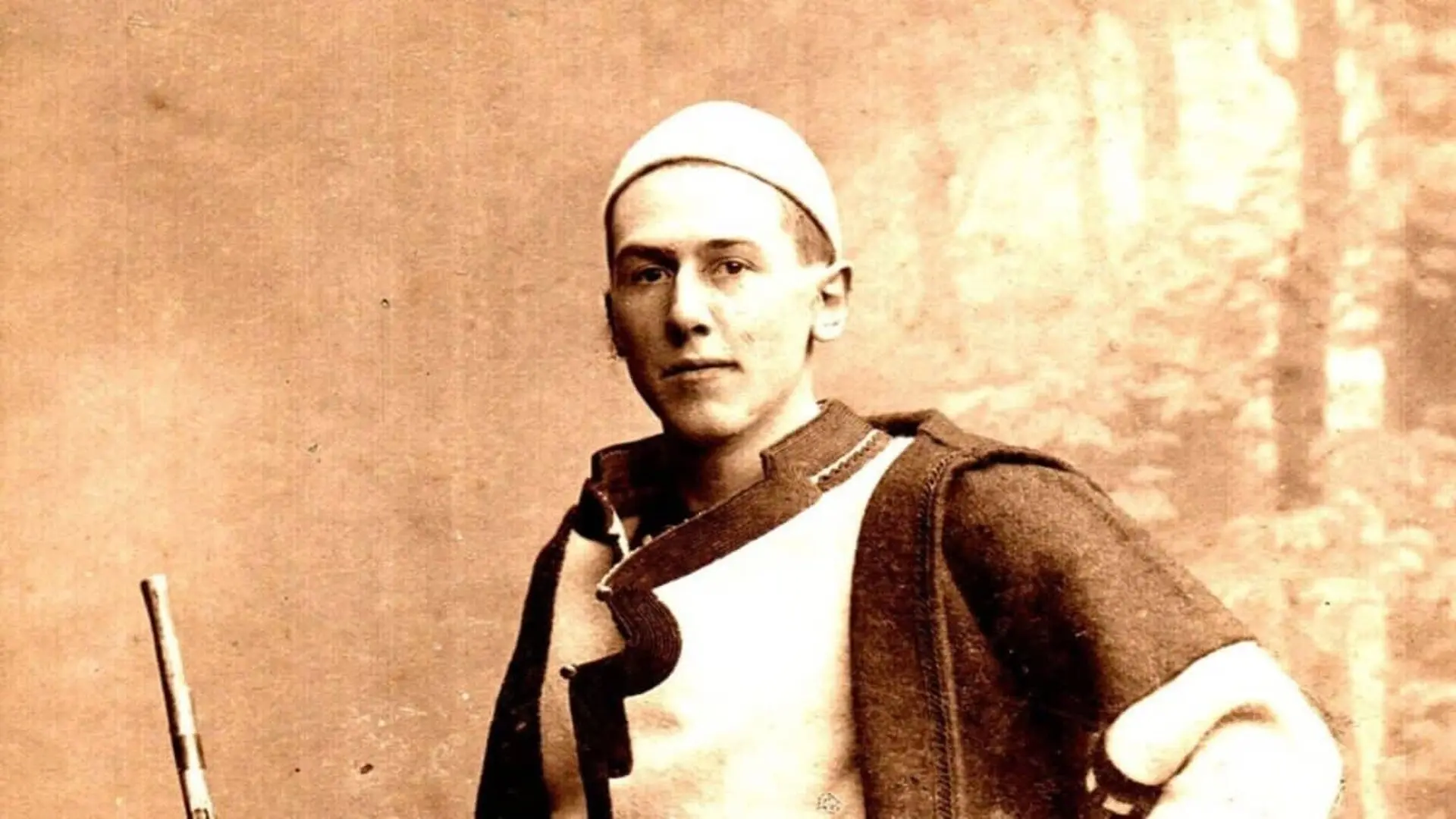
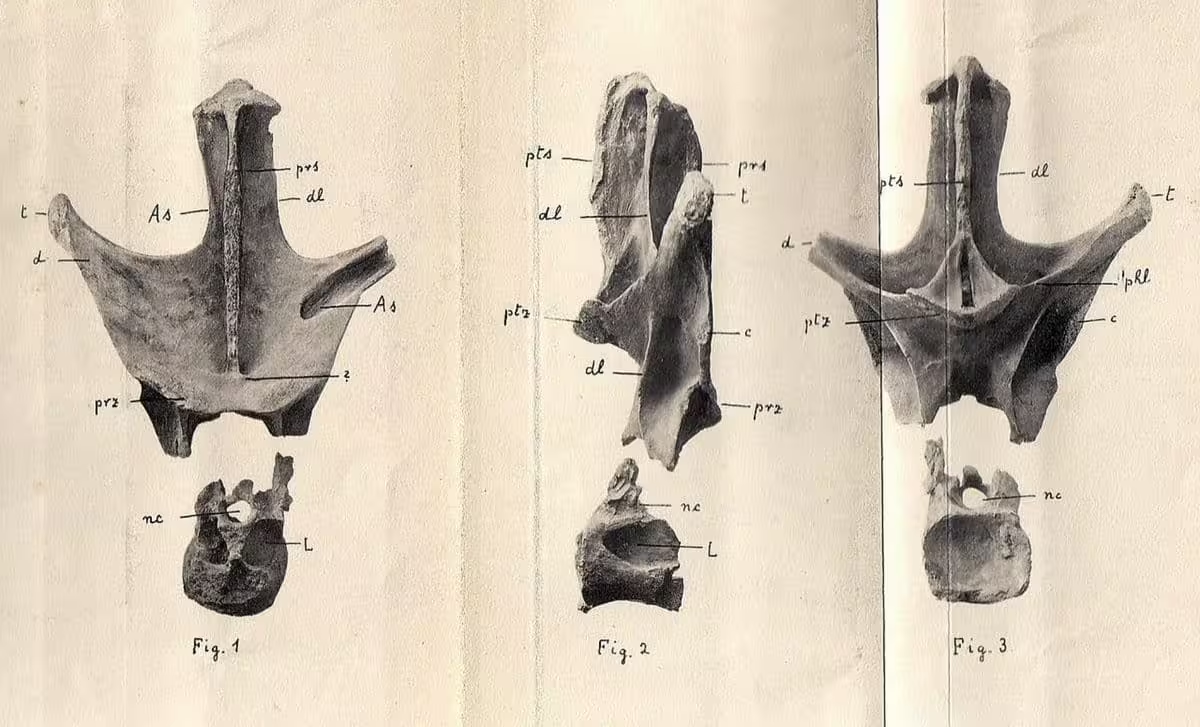
Born into the Austro-Hungarian aristocracy in 1877, Baron Franz Nopcsa von Felsőszilvás remains one of paleontology’s most enigmatic figures. His accidental entry into the field occurred in 1895 when his sister, Ilona, discovered a dinosaur skull near their home in Deva, Transylvania. The young Nopcsa, driven by an insatiable curiosity, sought the counsel of geologist Eduard Suess, who encouraged him to take up the study of the specimen himself. Drawing from his family’s extensive library at Sacel Castle, Nopcsa began a rigorous, self-taught education in anatomy, neurology, and geology that would eventually rewrite the standards of his time.
Pioneering the Field of Paleobiology
While his contemporaries were largely content with the descriptive cataloging of fossil remains, Nopcsa pioneered a radical, interpretative approach. He moved beyond simple identification, seeking to understand the biology, behavior, and environment of extinct creatures. By comparing fossilized skeletal structures with those of modern reptiles and birds, he developed theories that were decades ahead of their time, including the concept of sexual dimorphism in dinosaurs and the now-established island rule, which posits that isolation and resource scarcity dictate body size trends in island-dwelling species.
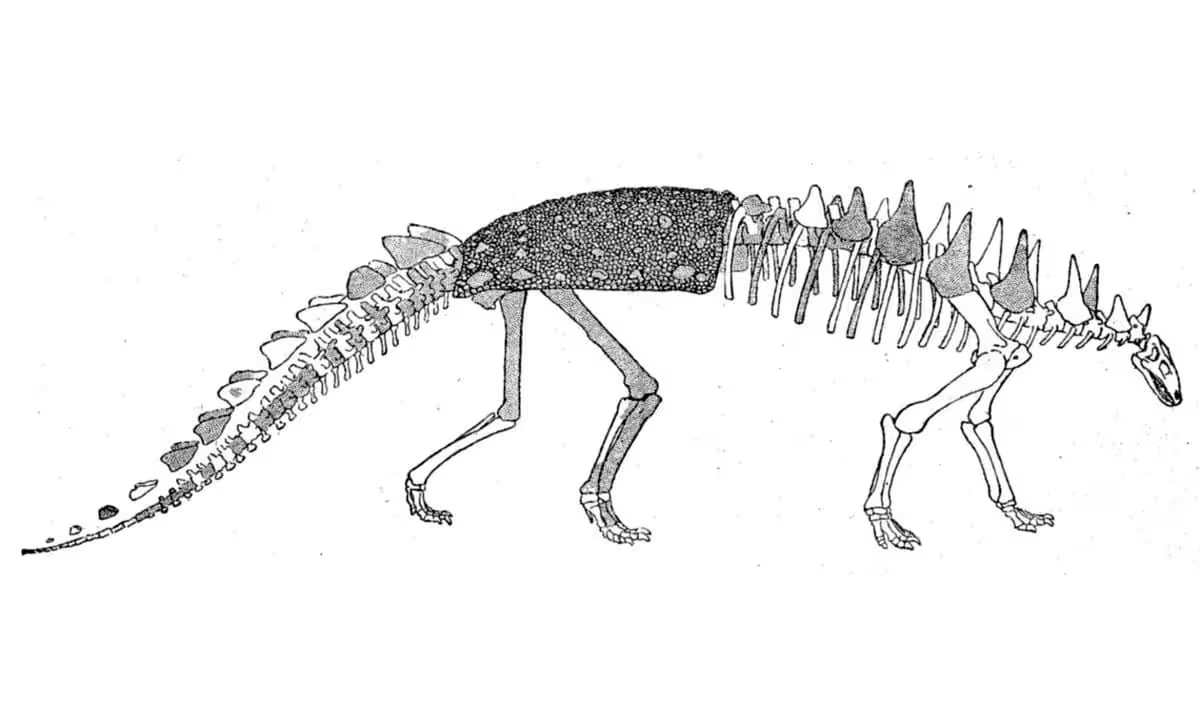
Nopcsa’s intellectual fearlessness, which included early suggestions of warm-bloodedness and parental care in dinosaurs, earned him a reputation as an eccentric genius. By the age of 22, he was already delivering lectures that challenged the scientific establishment. His unique perspective was perhaps best captured by Belgian paleontologist Louis Dollo, who famously dubbed him un être cometair, or a cosmic being, in recognition of his brilliant, albeit erratic, nature.
A Life of Espionage and Adventure
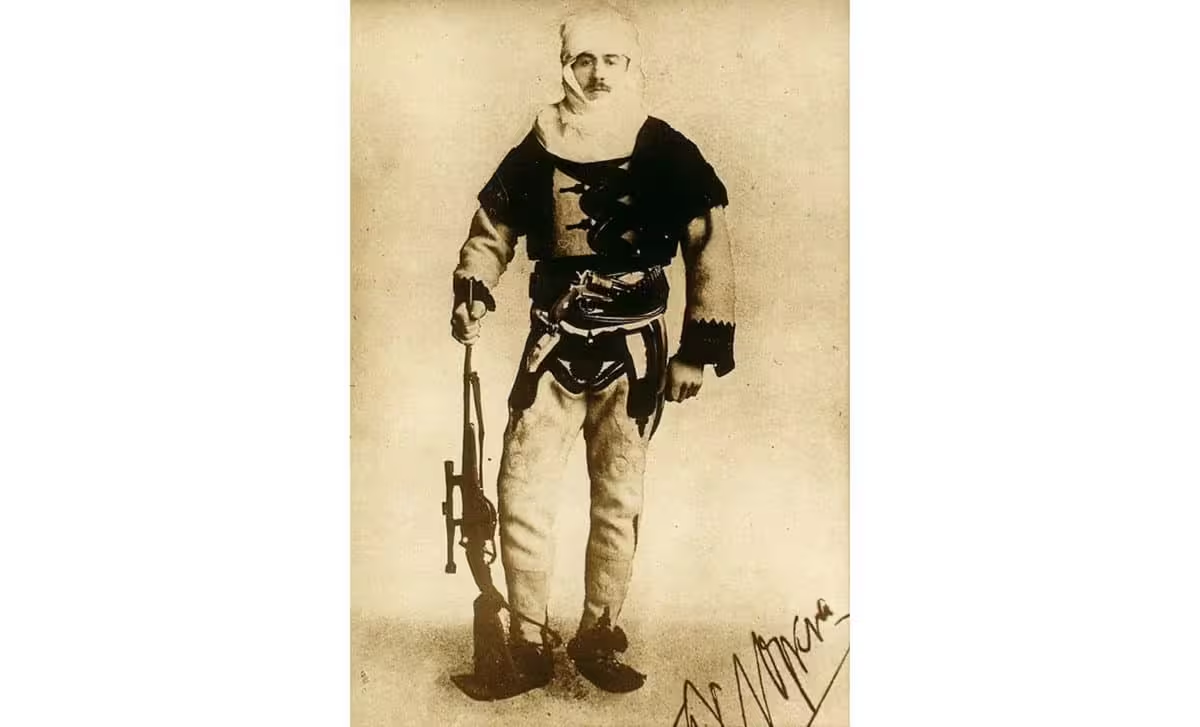
The Baron’s life diverged sharply from academia following his 1906 encounter with Bajazid Elmaz Doda, an Albanian writer who became his lifelong companion. This relationship sparked an intense fascination with Albanian culture and the nation’s fight for independence from the Ottoman Empire. Nopcsa’s involvement in the region deepened significantly, leading him to work as an intelligence operative for Austria-Hungary during the First Balkan War and World War I. His adventurous spirit even resulted in him being recorded as history’s first person to orchestrate the hijacking of an aircraft.
Legacy and Final Years
The post-war geopolitical shifts left Nopcsa stripped of his ancestral lands in Transylvania and his aristocratic fortune. Despite his significant contributions to both science and the historical documentation of Albanian life, he spent his final years in mounting financial distress. On April 25, 1933, the story reached a tragic conclusion in a Vienna apartment, where Nopcsa ended the life of his partner, Doda, before committing suicide.
Today, the scientific community acknowledges Nopcsa as a foundational figure in paleobiology, even if the term he proposed for his own field, paleophysiology, failed to gain traction. His insights, often dismissed during his lifetime, have proved remarkably durable, securing his place as a visionary who saw the past through a uniquely modern lens.
This article has been fact checked for accuracy, with information verified against reputable sources. Learn more about us and our editorial process.
Last reviewed on .
Article history
- Latest version
Cite this page:
- Posted by Vikram Desai