Teeth Reveal That Ancient Greek Mass Grave Victims Were Mostly Local Men
New analysis reveals the identity of dozens of shackled men buried near ancient Athens, surprising researchers with unexpected findings.
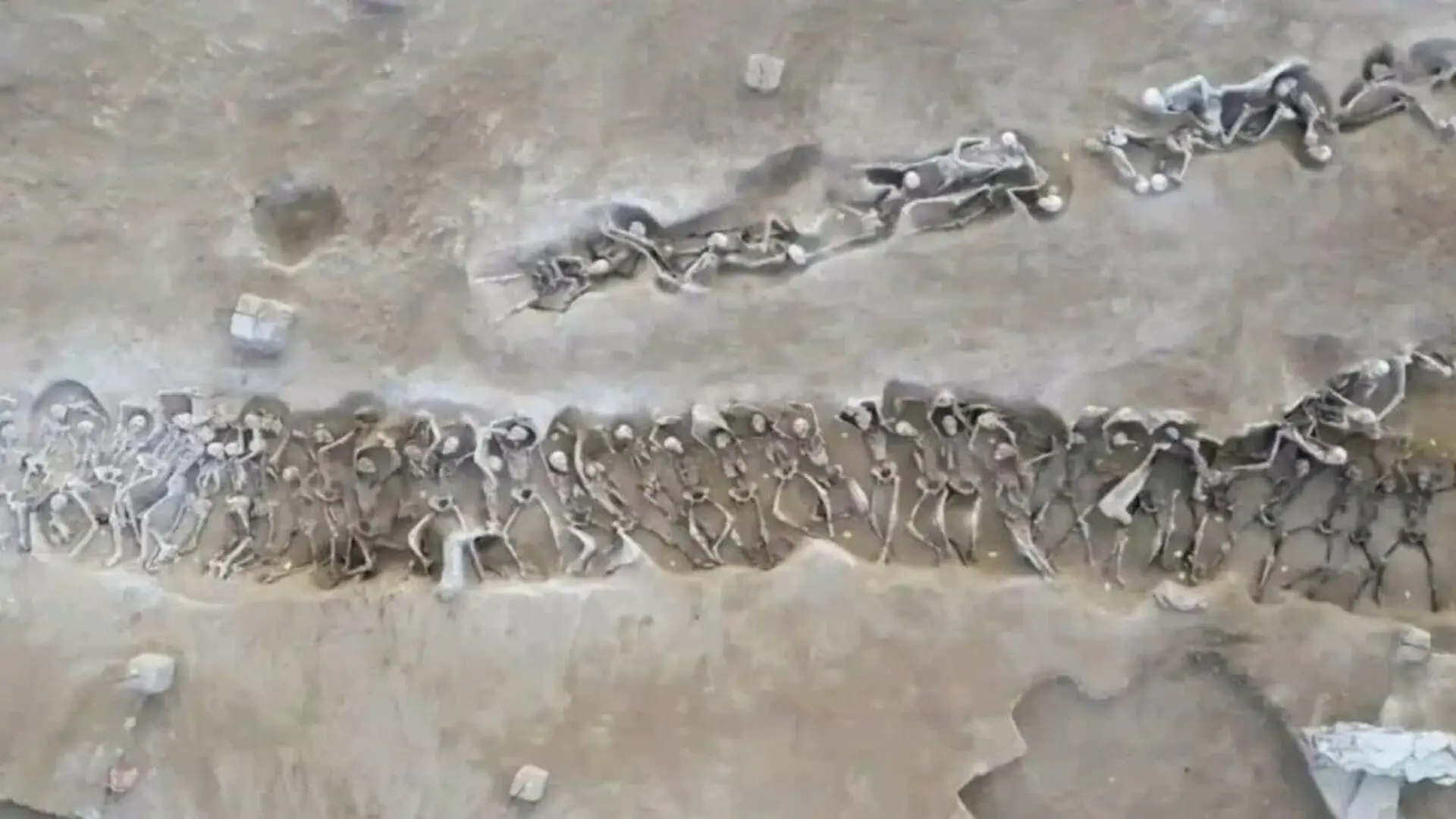
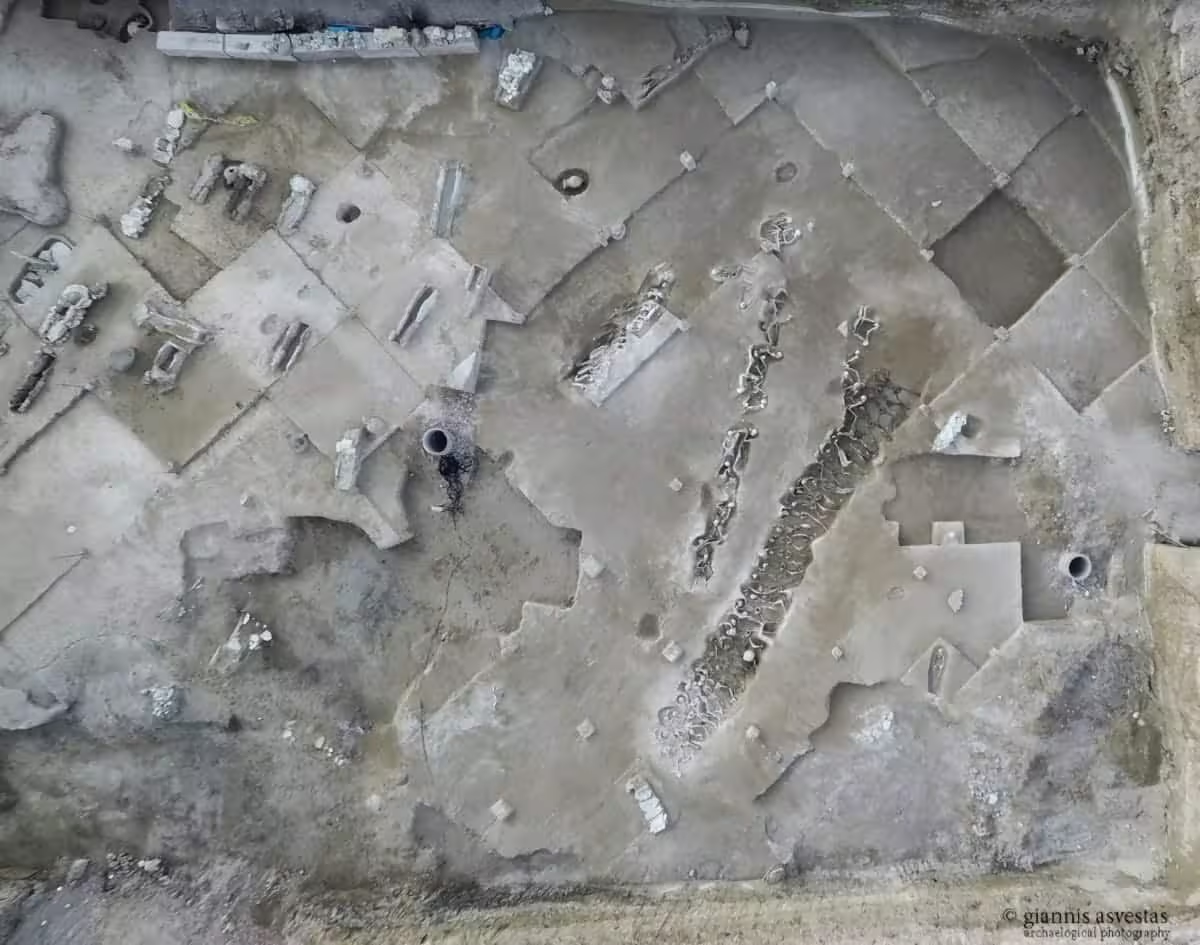
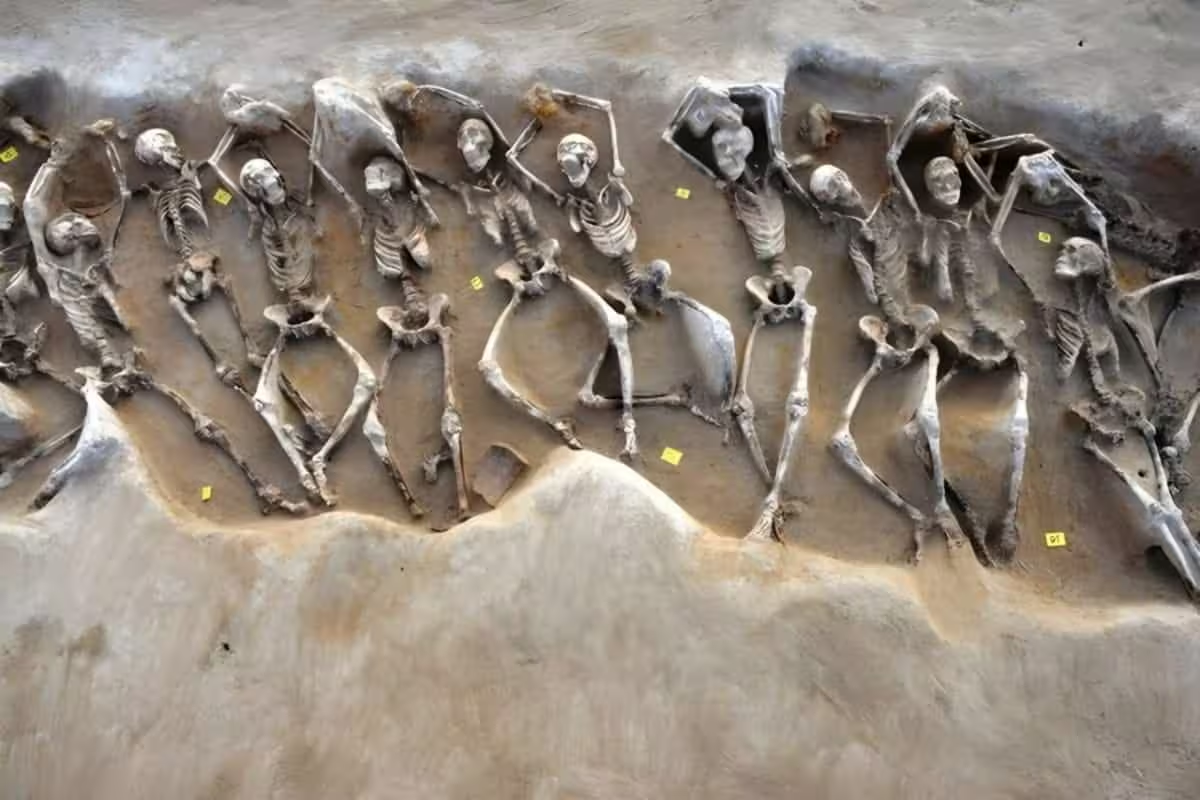
Archaeologists uncovered a grim scene in 2016 on the coast of Athens at Phaleron: 79 adult males lying in a shallow trench, many still bound by metal shackles and arranged in three parallel rows. The unusual burial has been interpreted as evidence of a public mass execution, but the origins of the victims have long been debated.
A new isotopic analysis of dental enamel, led by Julianne R. Stamer of Arizona State University, now sheds light on where these men spent their formative years. By measuring strontium isotopes—elements that enter the body through water, food, and soil—researchers can match the chemical signature in teeth to the geological makeup of a region.
Chemical Footprints Pinpoint Attic Childhoods
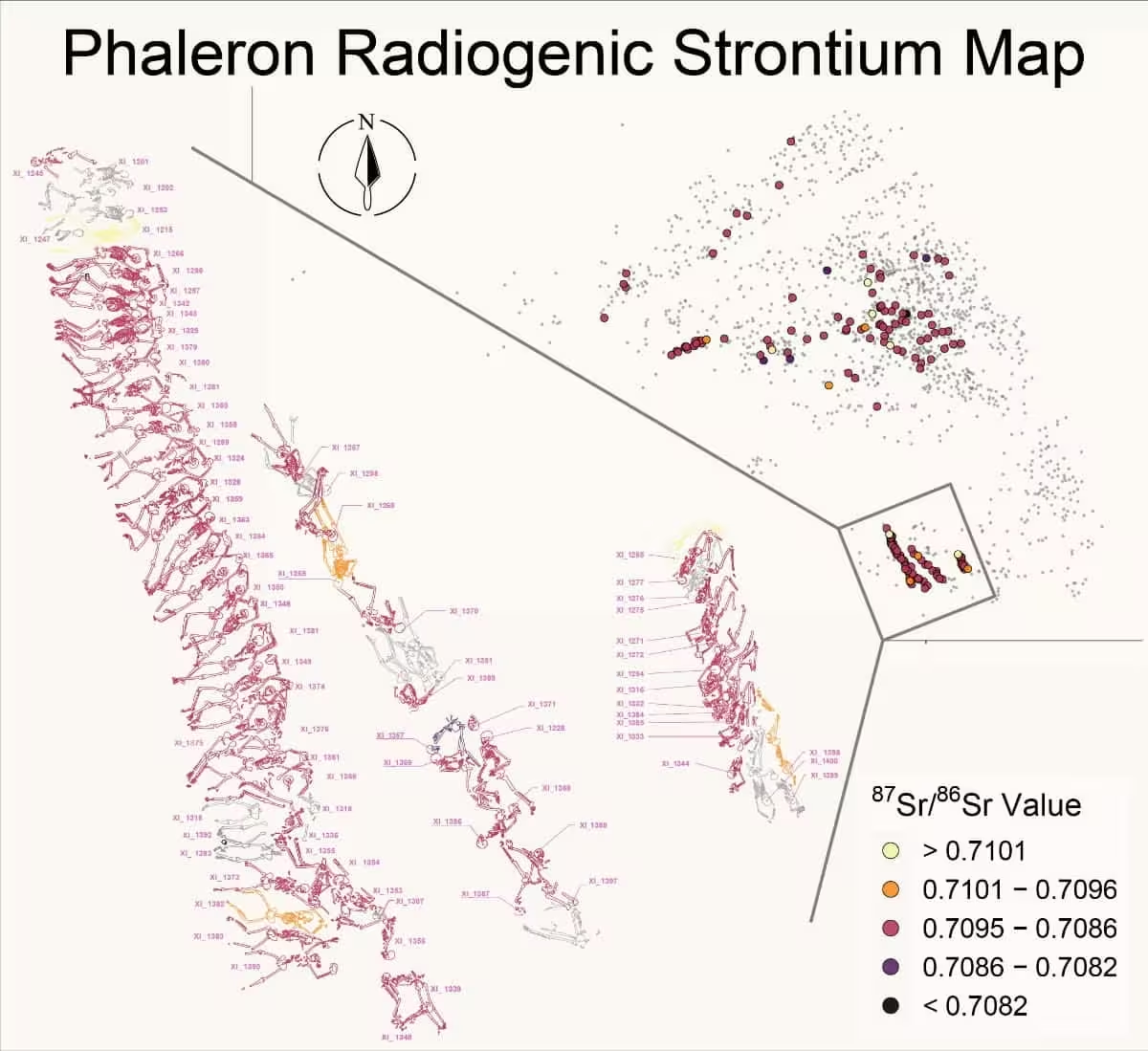
The team examined enamel from 163 individuals interred at Phaleron, including the 66 men from the mass grave (known as the Esplanade) and 97 other skeletons from the surrounding cemetery. Because enamel forms in childhood and does not remodel, it preserves a reliable record of the environment in which a person grew up.
Using a conservative statistical model, the researchers found that 156 of the 163 individuals—95.7 %—had strontium ratios compatible with Attica’s geology. Even when applying a stricter criterion to capture subtler variations, 89 % still fell within the local range.
The Shackled Men Were Predominantly Local
Among the 66 Esplanade prisoners, 64 (96.9 %) displayed unmistakably local isotope signatures. Only two individuals showed values that placed them outside the Attic region. Comparative analysis revealed no statistically significant difference between the mass‑grave victims and the broader cemetery population, indicating that the chained men were not a distinct foreign group.
“Contrary to our expectation, those buried in the Esplanade are overwhelmingly locals from the region of Attica,” the authors wrote.
Limited Mobility Detected in the Cemetery
To explore childhood movement, the team sampled multiple teeth from 28 individuals. Because different teeth mineralize at different ages, disparities can signal relocation during growth. In 26 cases (92.9 %), all sampled teeth fell within the local strontium range, indicating a stable upbringing in Attica.
Two outliers revealed modest mobility. One individual displayed an early‑childhood signature from a more radiogenic source before later teeth matched Attic values, suggesting relocation after the first years of life. Another showed a non‑local signature in a tooth formed during adolescence.
Across the entire sample, only seven individuals were classified as non‑local using the conservative method. Their isotopic signatures point toward regions such as the Peloponnese or Western Macedonia, though poor bone preservation limits precise identification.
While the study does not clarify the motive behind the execution of the 79 men, it decisively demonstrates that the majority were native to Attica. The evidence redirects the narrative from foreign aggression to internal social conflict among the local population.
This article has been fact checked for accuracy, with information verified against reputable sources. Learn more about us and our editorial process.
Last reviewed on .
Article history
- Latest version
Reference(s)
- “Home.” <https://www.juliannestamer.com/>.
Cite this page:
- Posted by Vikram Desai