Rare 5th‑Century BC Syracusan Gold Coin Found In Sicily Necropolis Reveals Carthaginian Wars
Archaeologists discover an untouched 2,000‑year‑old gold coin in a Sicilian coastal necropolis, a rare find that sheds new light on ancient treasure.
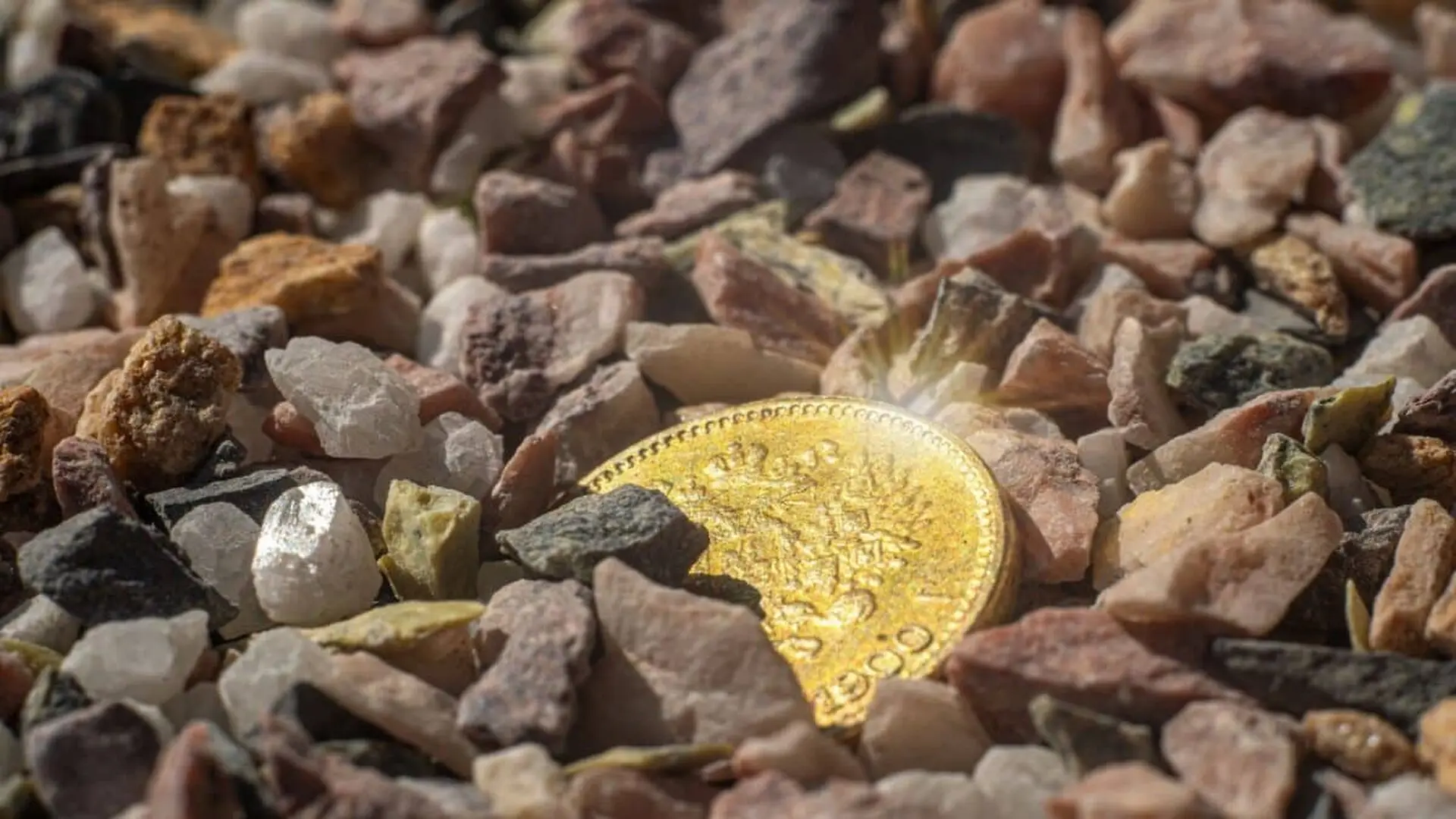
Archaeologists have uncovered a rare fifth‑century BC gold coin minted by Syracuse during an urgent dig at the Maddalusa necropolis on the outskirts of Agrigento, Sicily. The find, recovered from a burial context, offers a tangible glimpse into a turbulent chapter of Greek history on the island.
The coin emerged from a cappuccina tomb – a Greek grave sealed with roof tiles – situated in the coastal dunes west of the Akragas River mouth. The excavation, overseen by the Agrigento Superintendency, revealed a remarkably intact specimen dating to the final decades of the fifth century BC.
Its appearance is linked to the fierce rivalry between the Greek poleis of Sicily and the expanding Carthaginian forces. Syracuse produced a series of gold issues to fund its military campaigns, and the newly found piece belongs to the batch minted when Syracuse and Akragas joined forces against the Carthaginian advance.
The Maddalusa necropolis, one of the most extensive burial grounds associated with ancient Akragas, stretches for more than three kilometres along the coastline. Archaeological surveys indicate that the cemetery was in use from the city’s founding in the early sixth century BC until the close of the fifth century BC.
Syracusan Gold Coin Displays Classic Heracles Motif
The obverse of the coin bears the left‑facing head of Heracles, draped in the leontè – the skin of the Nemean Lion conquered during his first labor. Its reverse features a quadripartite incuse square framing a small female portrait, while the legend Syra identifies the issue as Syracusan. According to Heritage Daily, such gold issues were produced amid the Carthaginian invasion of Sicily at the end of the fifth century BC to raise funds for allied defense efforts.
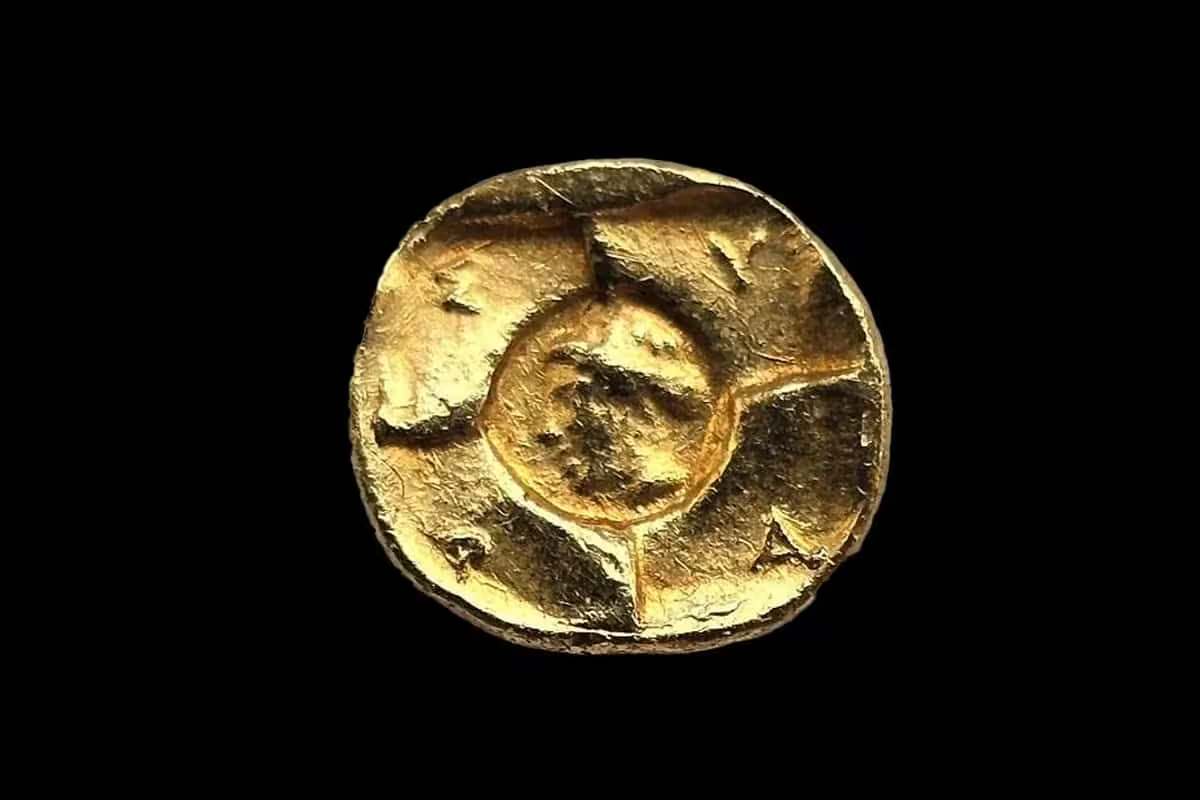
The coin’s exceptional preservation provides scholars with a rare window onto the economic strains and political maneuvering that shaped Greek Sicily during this era. Small artifacts such as this can illuminate far‑reaching historical dynamics.
Maddalusa Necropolis Yields New Insights into Ancient Akragas
Studied since the nineteenth century, the Maddalusa burial ground remains a cornerstone of research on the ancient city of Akragas. The site showcases a diversity of funerary customs spanning several centuries, from marble and calcarenite sarcophagi to tile‑constructed tombs, stone‑lined pits, cremation areas, and infants placed within ceramic vessels. Many of these finds are now on display at the Pietro Griffo Regional Archaeological Museum in Agrigento.
The gold coin was recovered from a burial sector that was active during the waning years of Akragas’s prominence. Once a leading Greek colony in the western Mediterranean, Akragas fell to Carthaginian forces in 406 BC after a protracted siege, signaling the end of its golden age and reshaping the balance of power across Greek Sicily.
Discovery Sheds Light on Sicily’s Turbulent Greek Era
Beyond its rarity, the Syracusan gold coin encapsulates the volatile network of alliances, wars, and rivalries that defined the island’s history at the close of the fifth century BC. The excavation team stresses that even modest objects can narrate pivotal moments in a civilization’s trajectory.
As reported by La Sicilia, the find enriches our understanding of a period when Greek poleis and Carthage vied for dominance over Sicily, turning a single coin into a time capsule of a fading era.
This article has been fact checked for accuracy, with information verified against reputable sources. Learn more about us and our editorial process.
Last reviewed on .
Article history
- Latest version
Reference(s)
- Milligan, Mark. “Rare Syracusan gold coin unearthed in ancient necropolis.”, August 9, 2026 HeritageDaily <https://www.heritagedaily.com/2026/08/rare-syracusan-gold-coin-unearthed-in-ancient-necropolis/158873>.
- Sicilia, Redazione. “In the necropolis of Maddalusa, a 5th-century BC Syracusan gold coin was found, minted during the Carthaginian invasion of Sicily..”, August 5, 2026 La Sicilia <https://en.lasicilia.it/news/arts---entertainment/3063919/in-the-necropolis-of-maddalusa-a-5th-century-bc-syracusan-gold-coin-was-found-minted-during-the-carthaginian-invasion-of-sicily.html>.
Cite this page:
- Posted by Vikram Desai